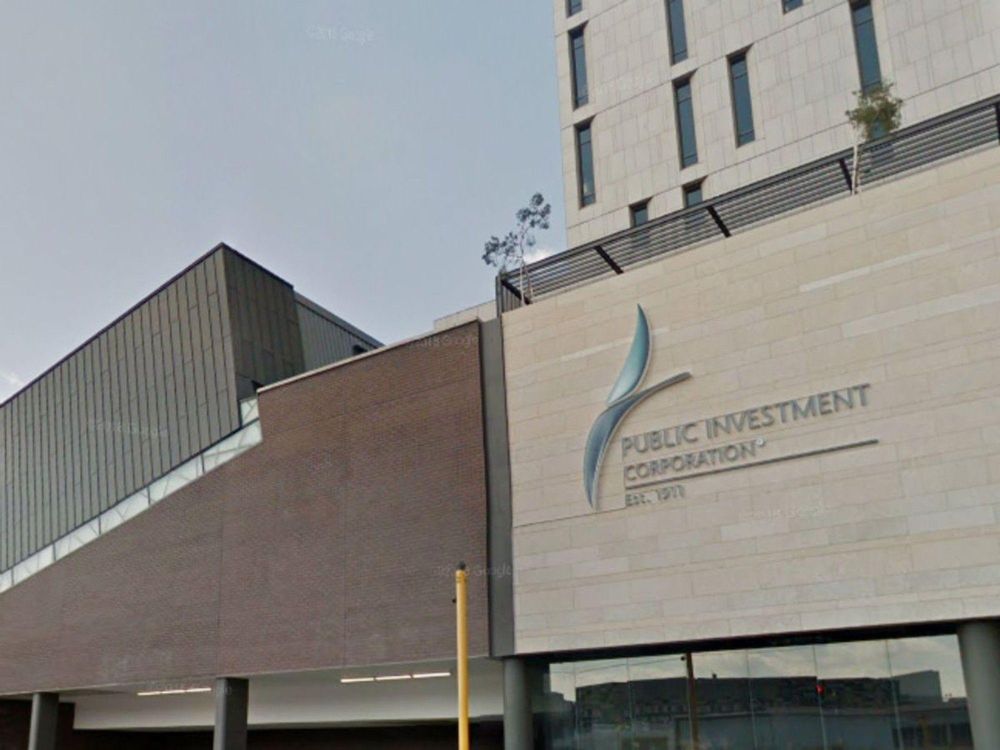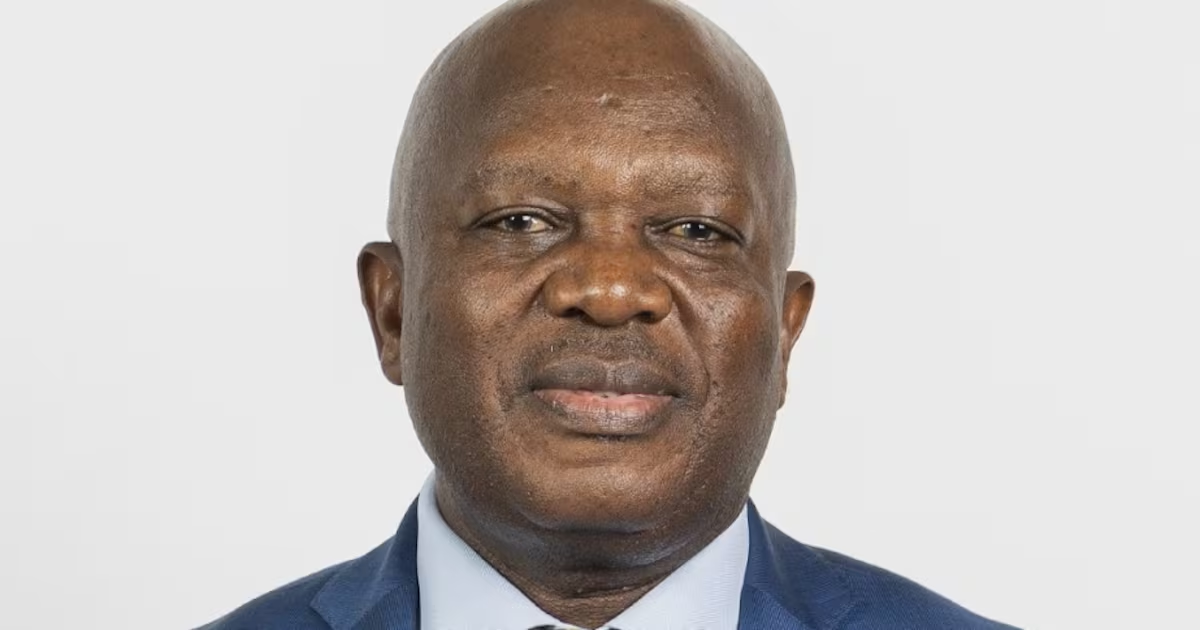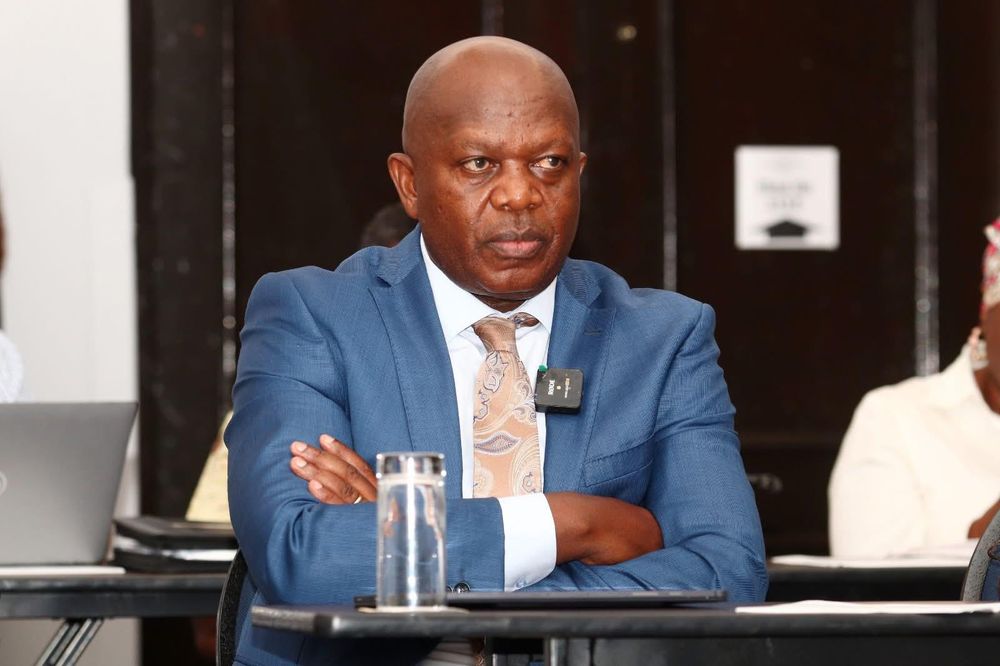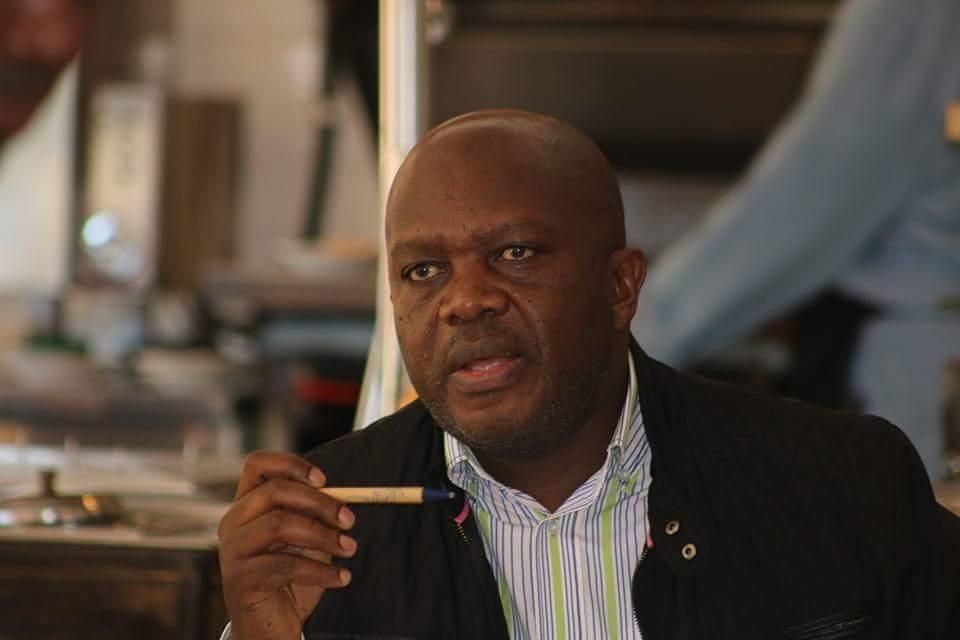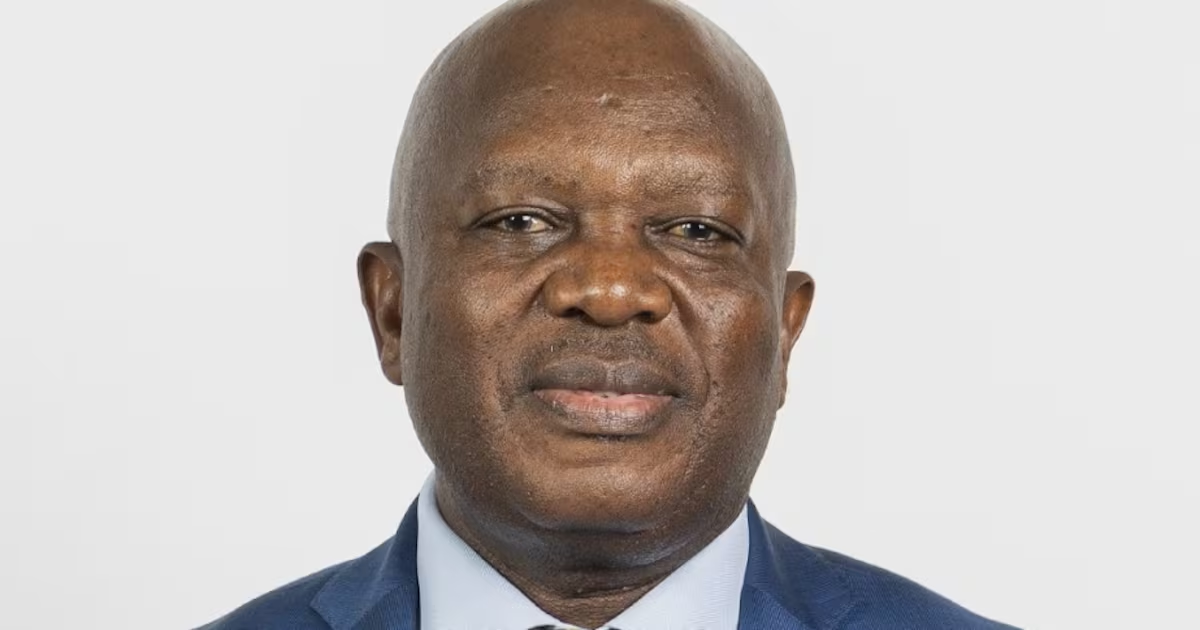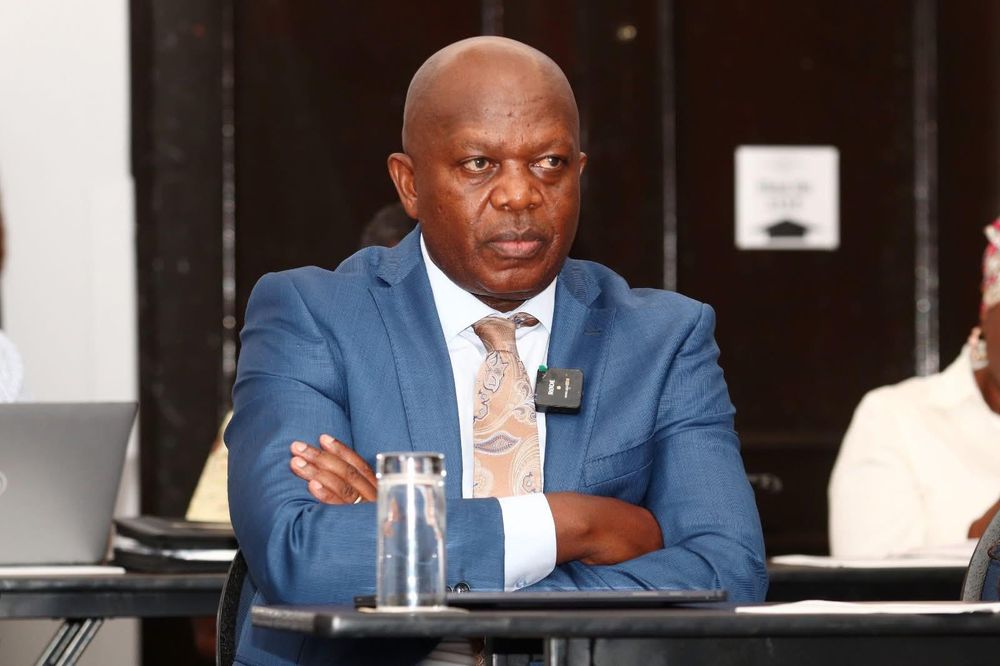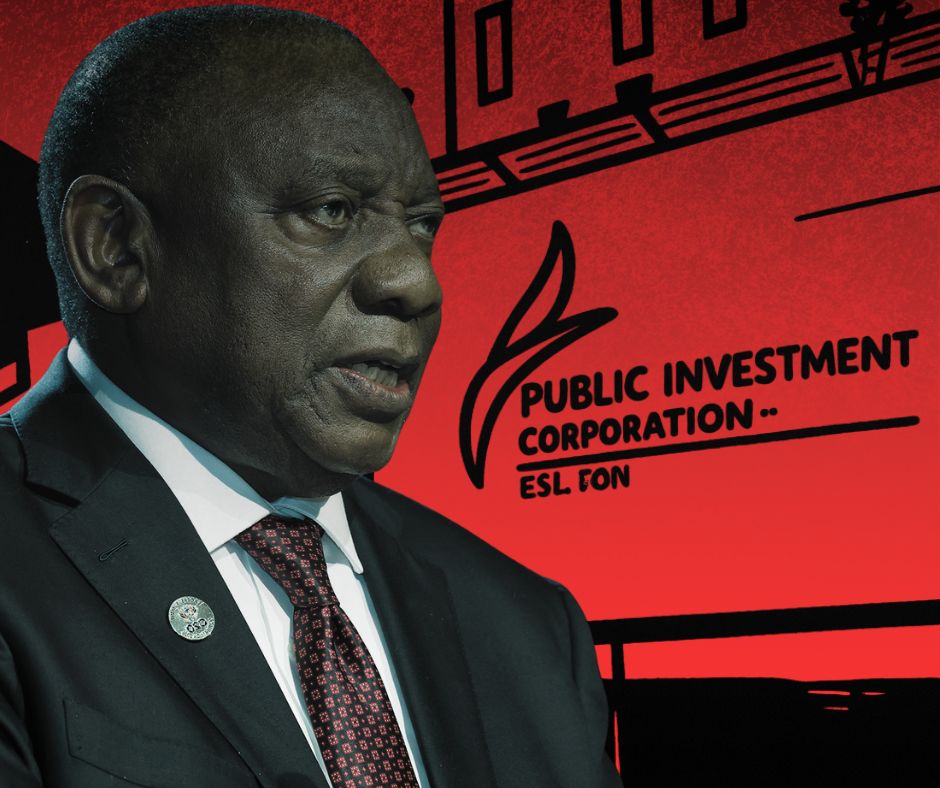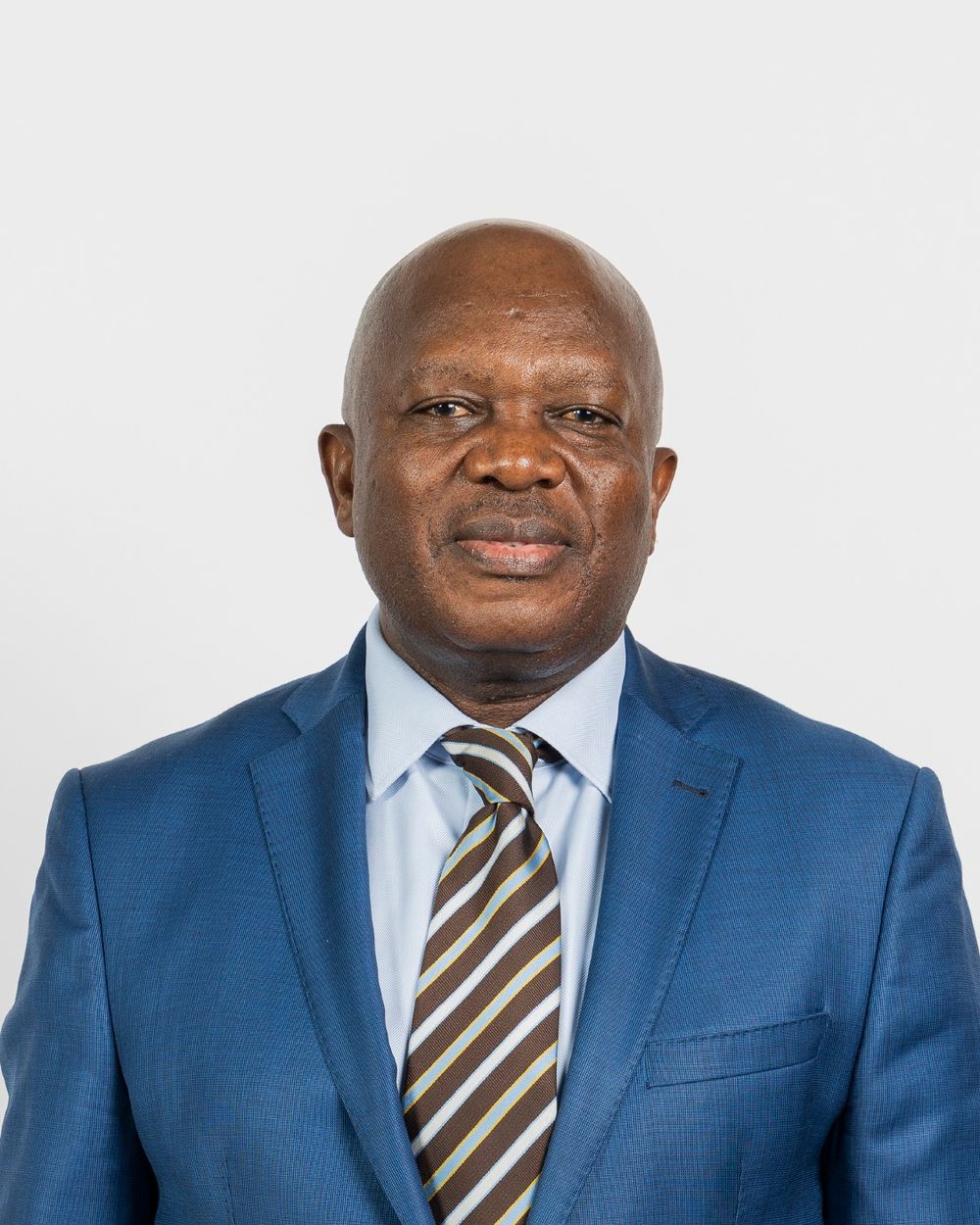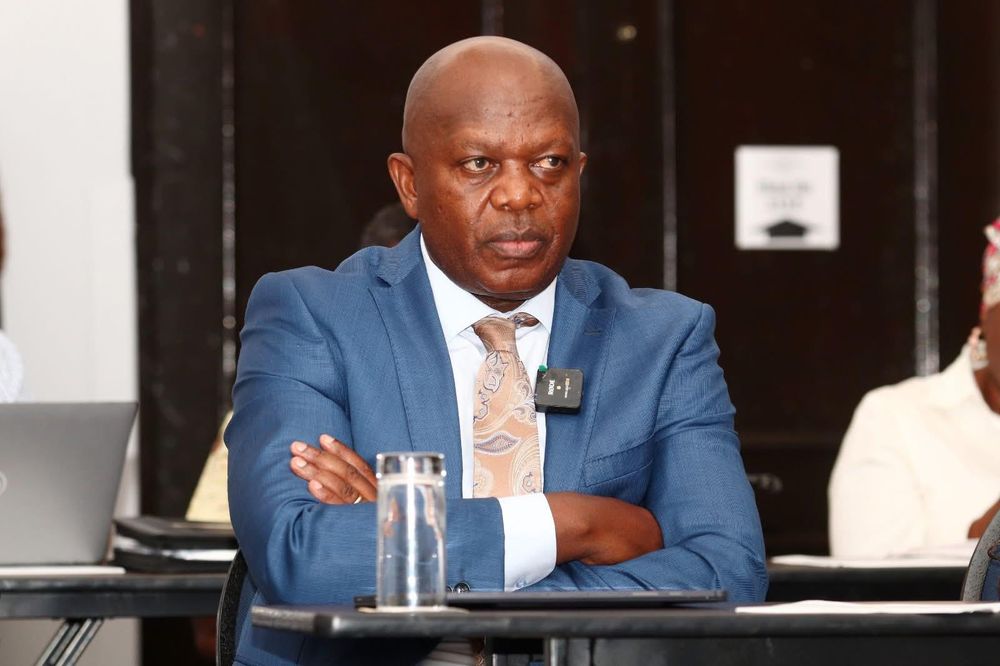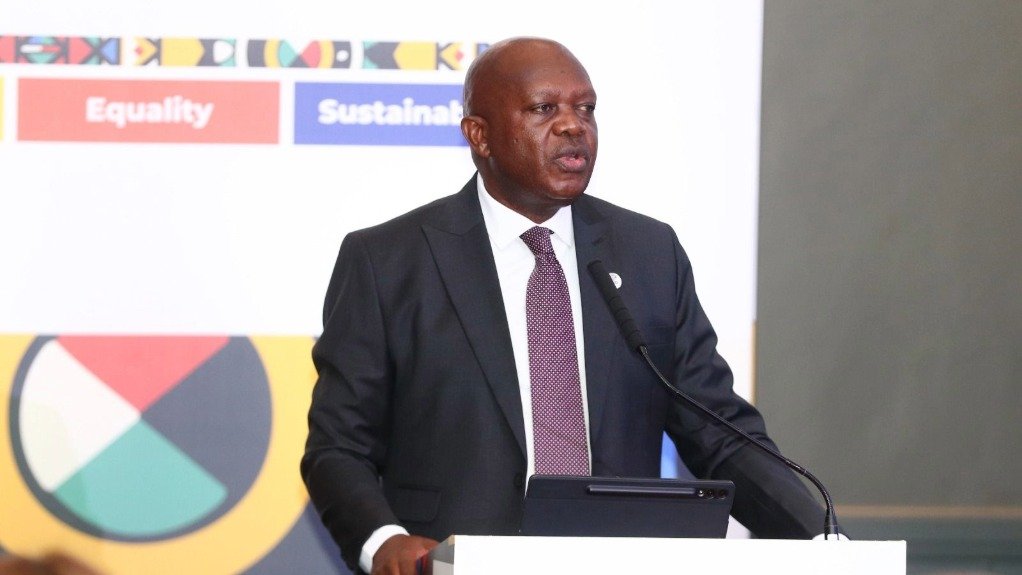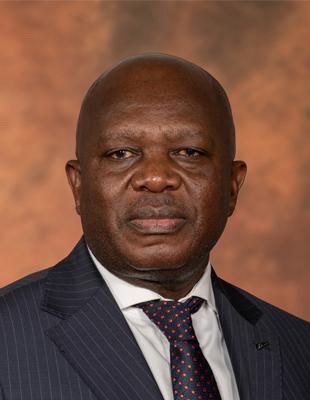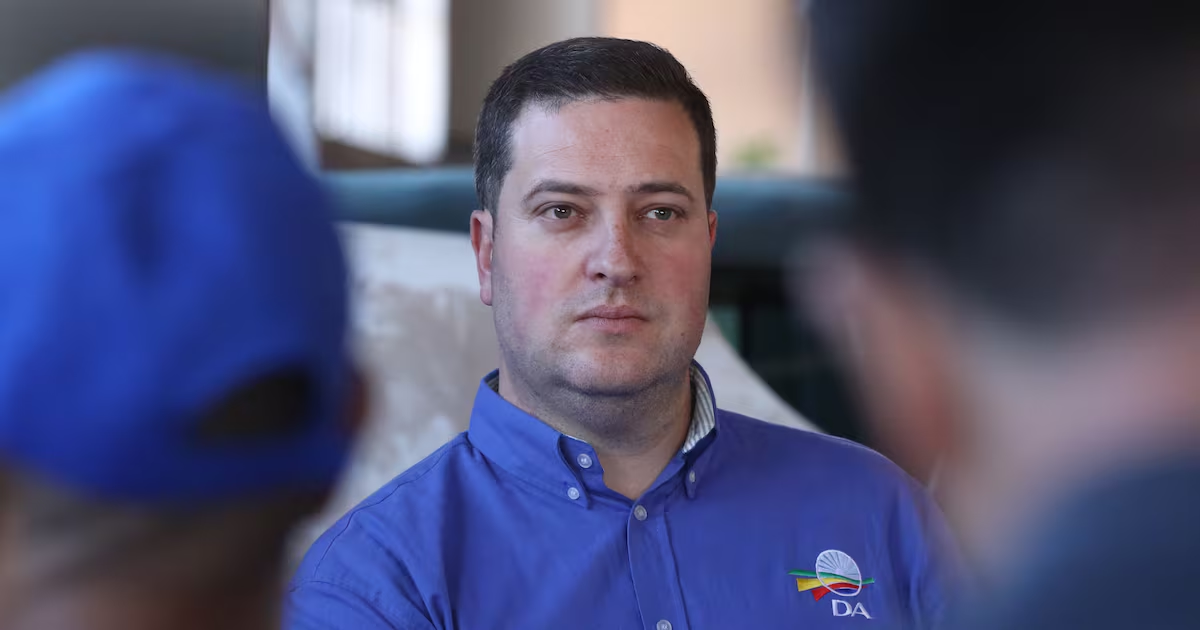
President Cyril Ramaphosa’s appointment of deputy minister in the Presidency Seiso Mohai as chairperson of the Public Investment Corporation (PIC) dealt a blow to the DA, which had lobbied for deputy minister Ashor Sarupen to lead the institution through its biggest leadership crisis in years. The president’s decision meant his ANC will continue to control the governance overhaul at Africa’s biggest asset manager.It ensures the ANC retains control of the board overseeing the corporation as it attempts to restore confidence after one of the biggest governance crises in its history. The PIC, which manages about R3.7-trillion in assets, primarily on behalf of the Government Employees Pension Fund, has been grappling with leadership instability after a string of board resignations, regulatory investigations and efforts to rebuild trust in the organisation.DA leader Geordin Hill-Lewis told Business Day Sarupen would have been better suited to lead the institution through the overhaul.“It would have been better to have Ashor chairing the PIC. I think he would have brought stability, he would have brought integrity, he would have brought transparency.”Hill-Lewis said he believes the decision reflects a reluctance to allow a DA representative to chair one of the state’s most strategically important financial institutions.“I think it’s most likely aimed at making sure it’s not a DA person who chairs it, because then there will be too much sunlight and too much transparency on what’s been going on in the PIC,” he said, alleging elements within the ANC had treated the institution as a personal piggy bank.The choice of chairperson has taken on heightened political significance. Under the Public Investment Corporation Act, the finance minister designates the board chair, a position traditionally filled by a deputy minister from the finance or broader economic cluster. Sarupen’s role as deputy finance minister had fuelled expectations in the DA that he would be selected to oversee the institution’s recovery.Instead, Ramaphosa and finance minister Enoch Godongwana opted for Mohai, leaving the chairpersonship in ANC hands and denying the DA a high-profile governance role in the government of national unity.In recent weeks, the PIC has been left without a permanent board chair after resignations stripped the board of a quorum and prompted an extensive rebuilding process. The leadership vacuum has coincided with investigations into governance at the institution and an internal effort to strengthen oversight and accountability.As part of that reset, Business Day previously reported the PIC has begun recruiting external consultants to overhaul its organisational culture after the leadership crisis. The programme is intended to rebuild employee trust, improve accountability and embed governance reforms after months of instability that have unsettled staff and stakeholders.Despite his disappointment over the appointment, Hill-Lewis welcomed the government’s renewed commitment to implementing reforms to South Africa’s political party funding regime. He said the DA had long advocated for the changes through private members’ legislation and regarded their implementation as an important governance victory.“As you know, the DA previously proposed private members’ legislation to implement Mpati commission reforms. That was kicked aside at the time. Now the wheel has turned, and those reforms are being implemented, which is what we are most pleased about,” he said.Business Day
WATCH | DA lobbying for PIC leadership role fails
DA accuses ANC of blocking transparency at Africa’s largest asset manager
521 words~2 min read