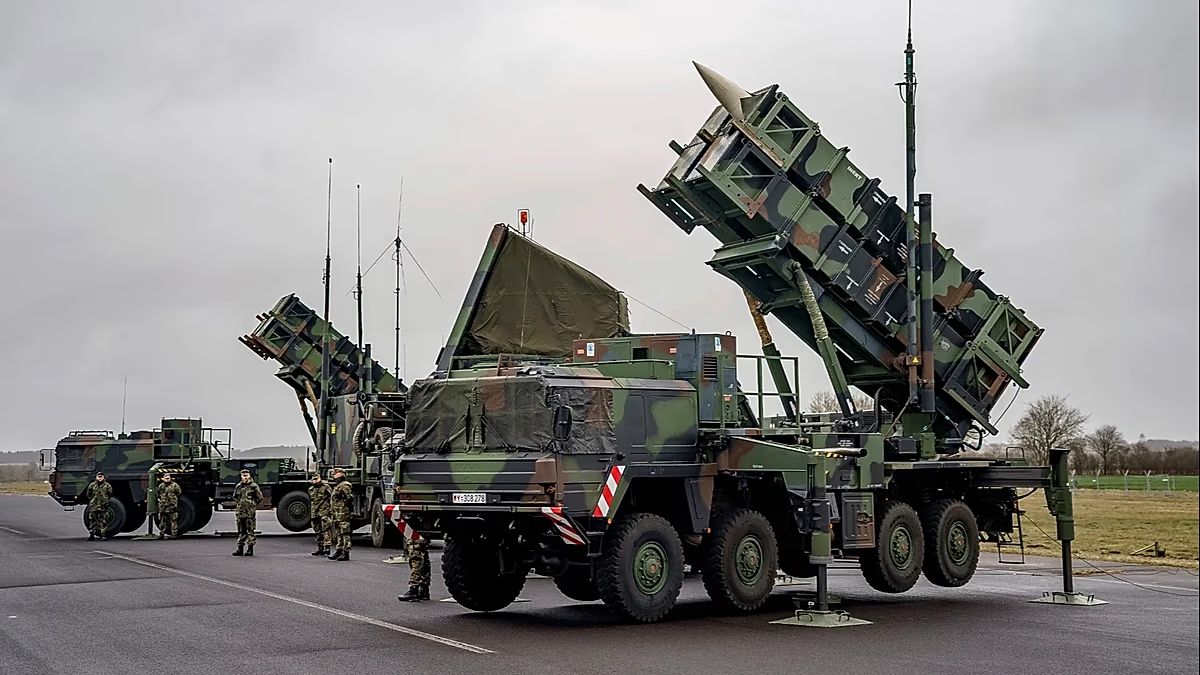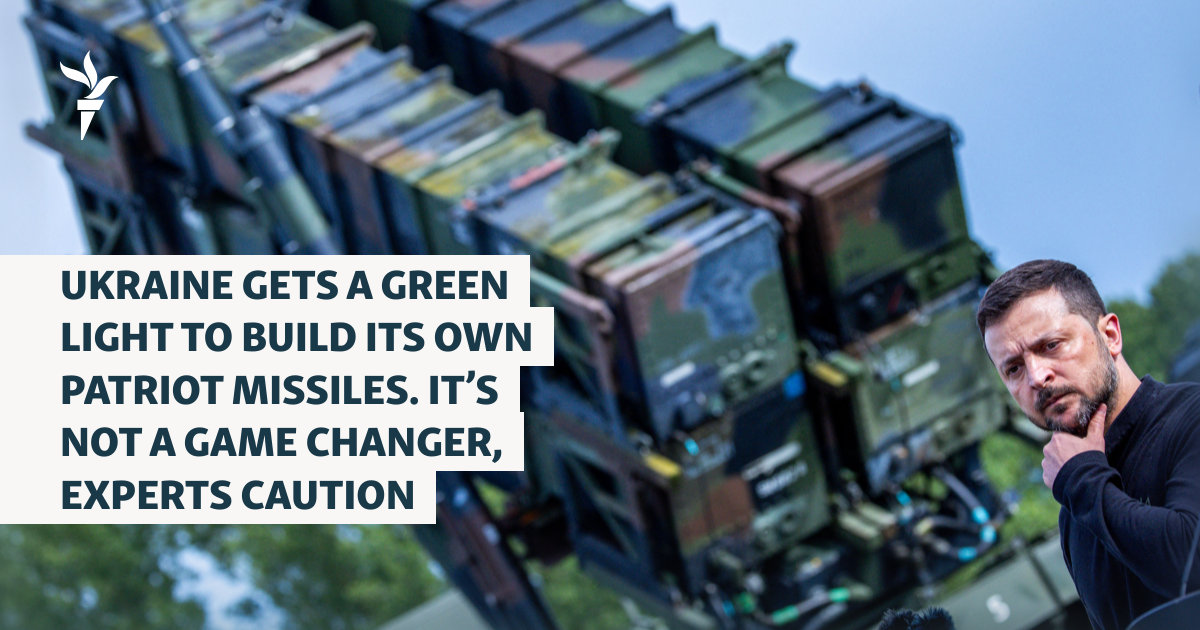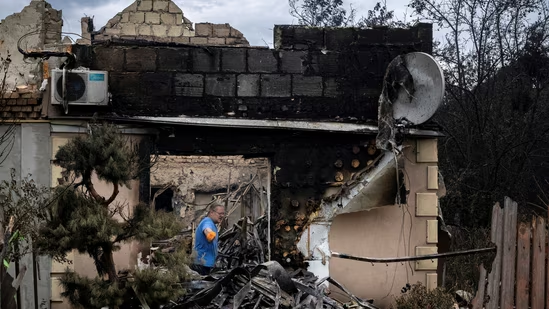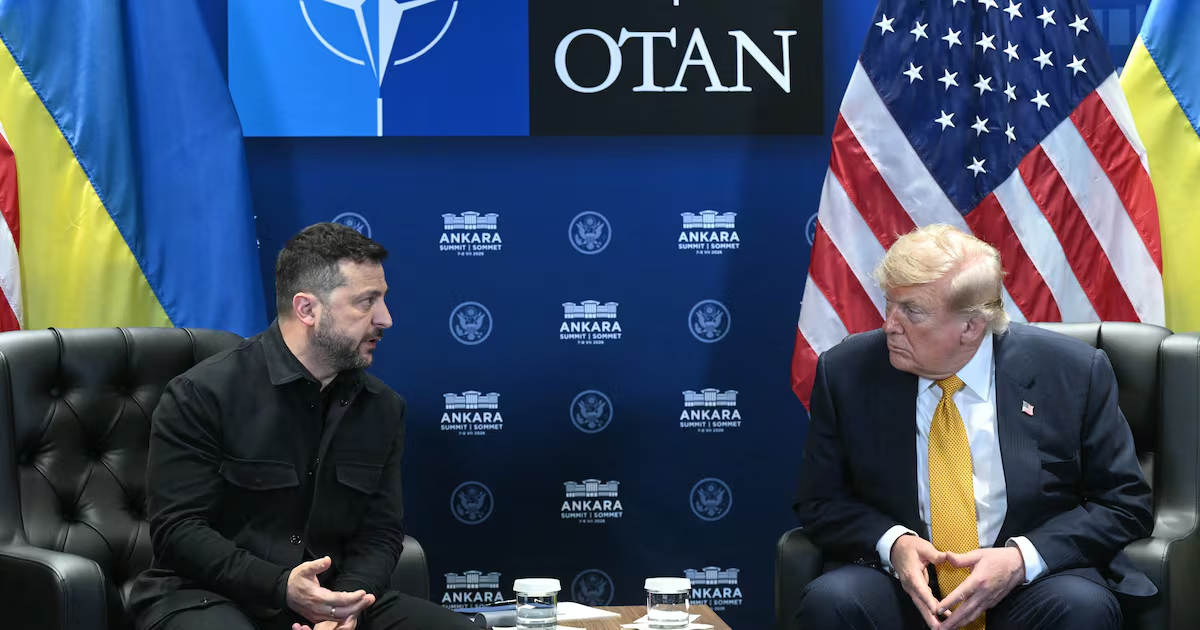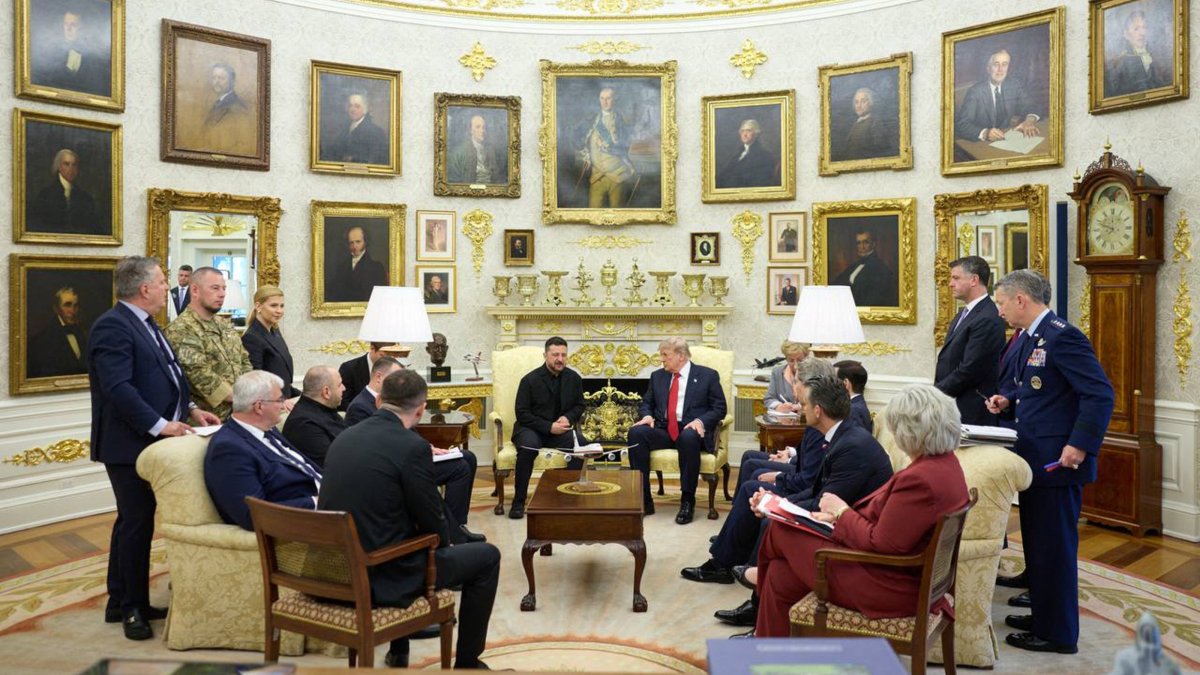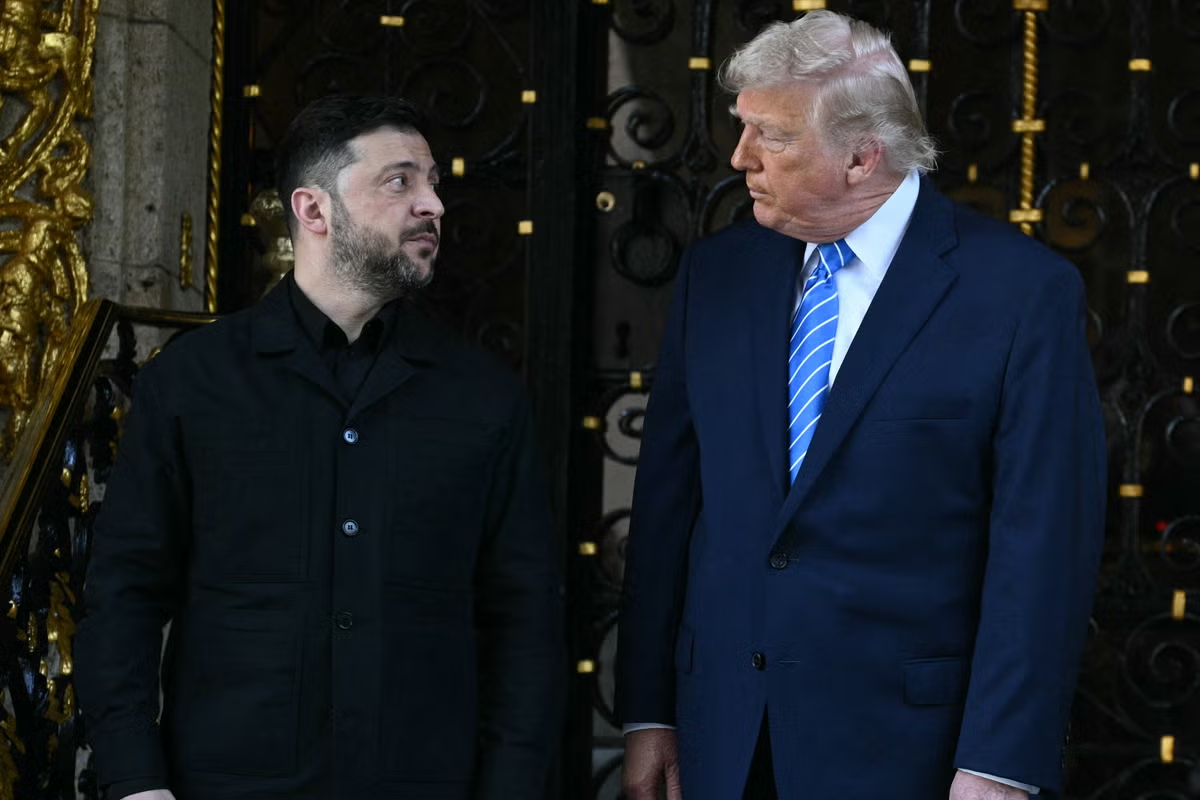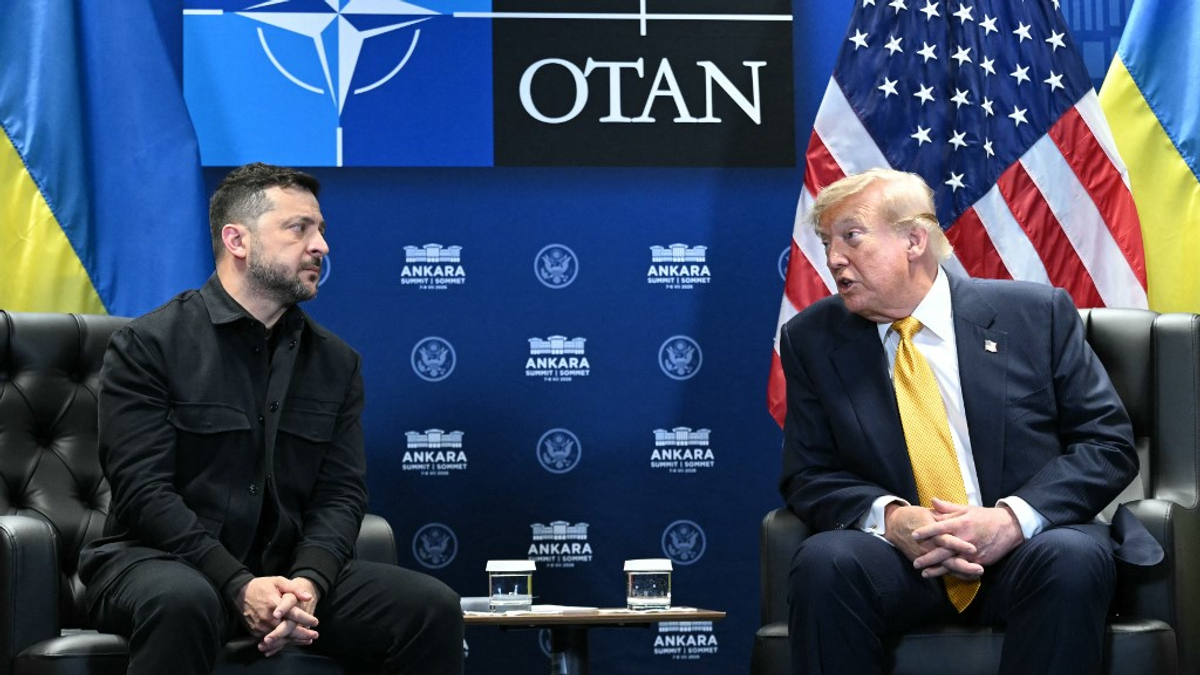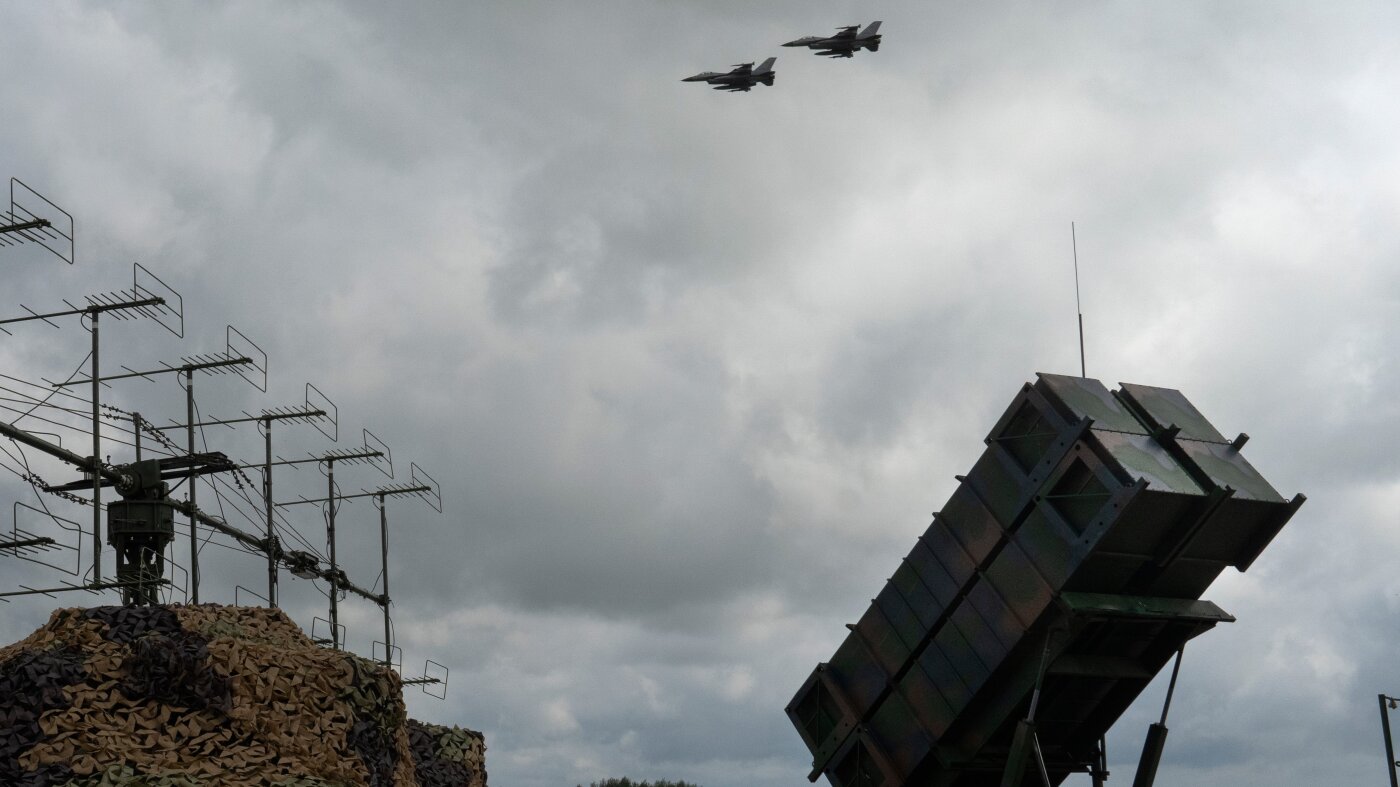
U.S. President Donald Trump has now backed away from his previous hints that he might grant Ukraine a license to build Patriot interceptors. It also seems that Washington has declined Kyiv’s request for 300 such interceptors to bolster air defense. But even if these things were to happen, they would not solve Ukraine’s immediate problem: There are simply not enough interceptors to protect its cities from Russian ballistic missiles.
It would take years to build new production facilities, and the Trump administration now seems to be unwilling to share sensitive interceptor technology, including seekers, solid rocket motors, and guidance software, with the Ukrainians. Nor would licensing resolve the underlying arithmetic. The United States produces a little more than 600 PAC-3 interceptors annually; the goal is to triple that number in the coming years. But Ukraine alone can burn through 150 to 180 in a single month of intensive Russian attacks. For the foreseeable future, Ukraine’s anti-ballistic missile defense will still depend on drawdowns from allied stockpiles and stopgap systems, complemented by ongoing Ukrainian and European projects to build alternatives to the Patriots.
U.S. President Donald Trump has now backed away from his previous hints that he might grant Ukraine a license to build Patriot interceptors. It also seems that Washington has declined Kyiv’s request for 300 such interceptors to bolster air defense. But even if these things were to happen, they would not solve Ukraine’s immediate problem: There are simply not enough interceptors to protect its cities from Russian ballistic missiles.