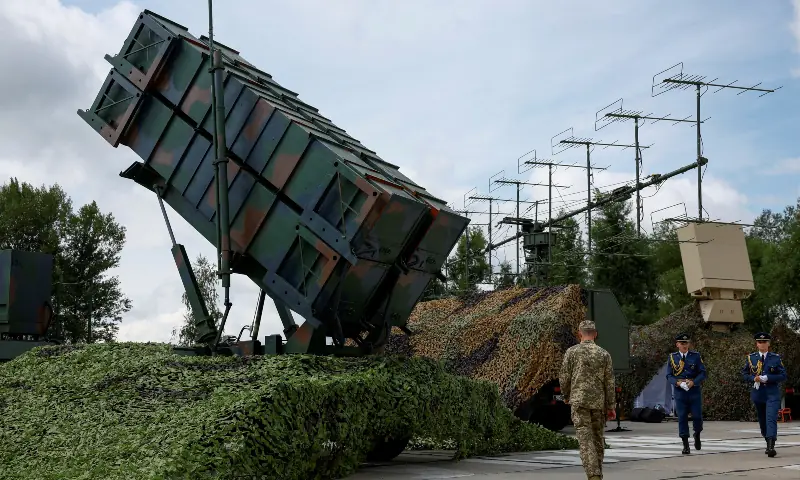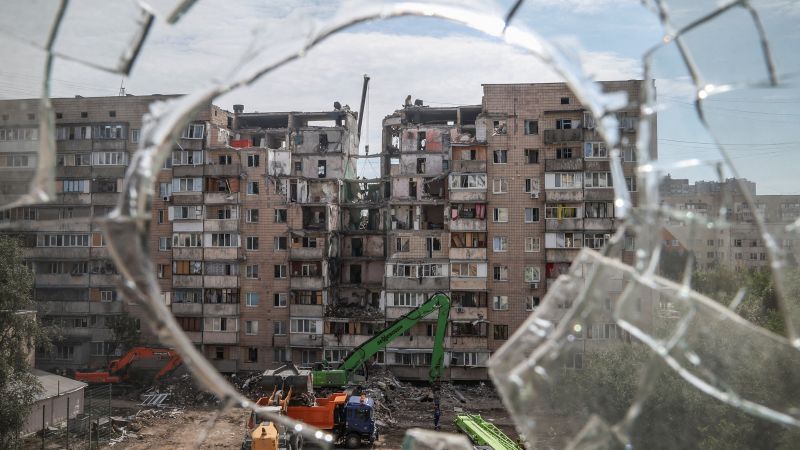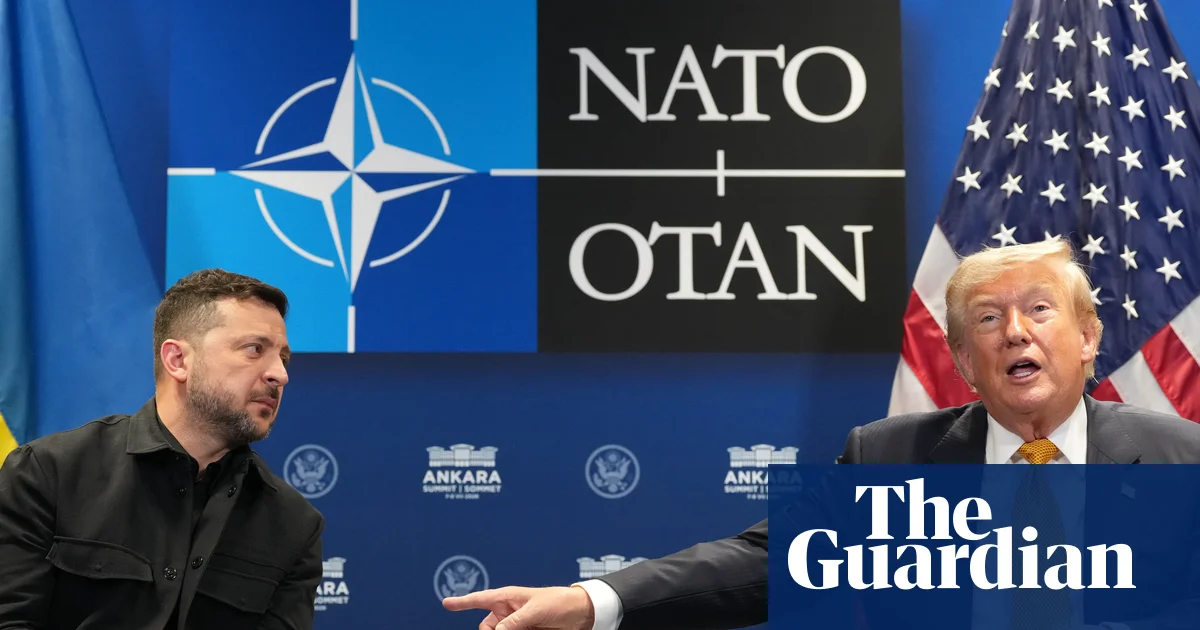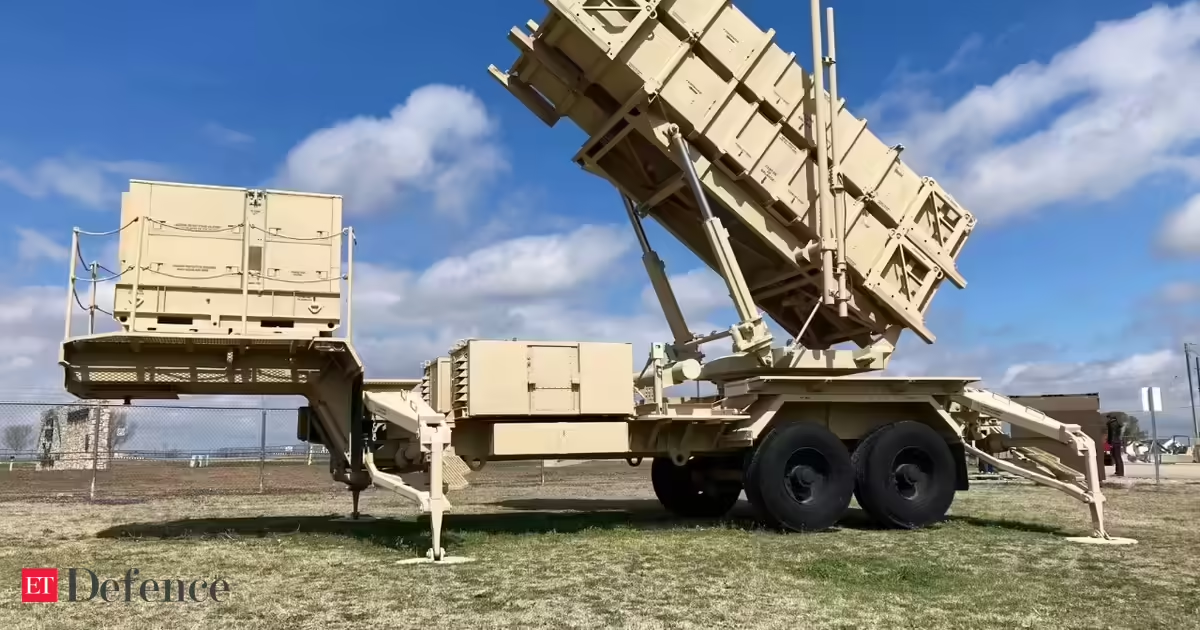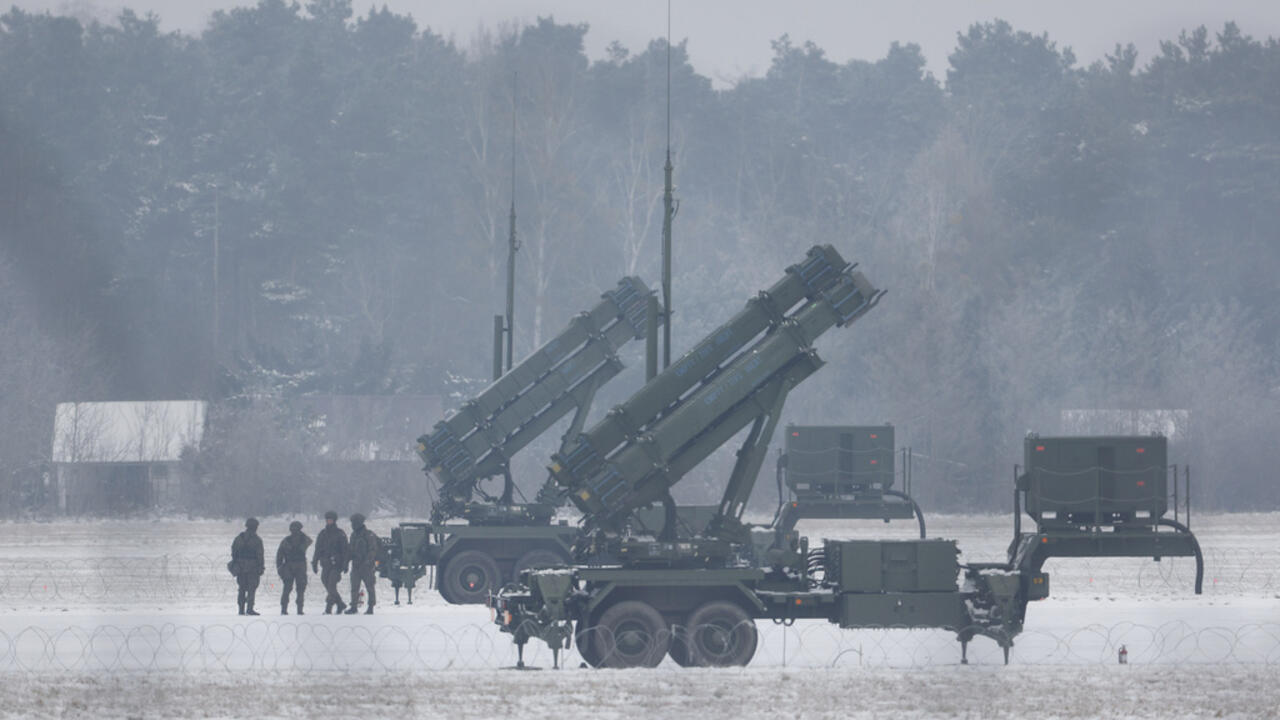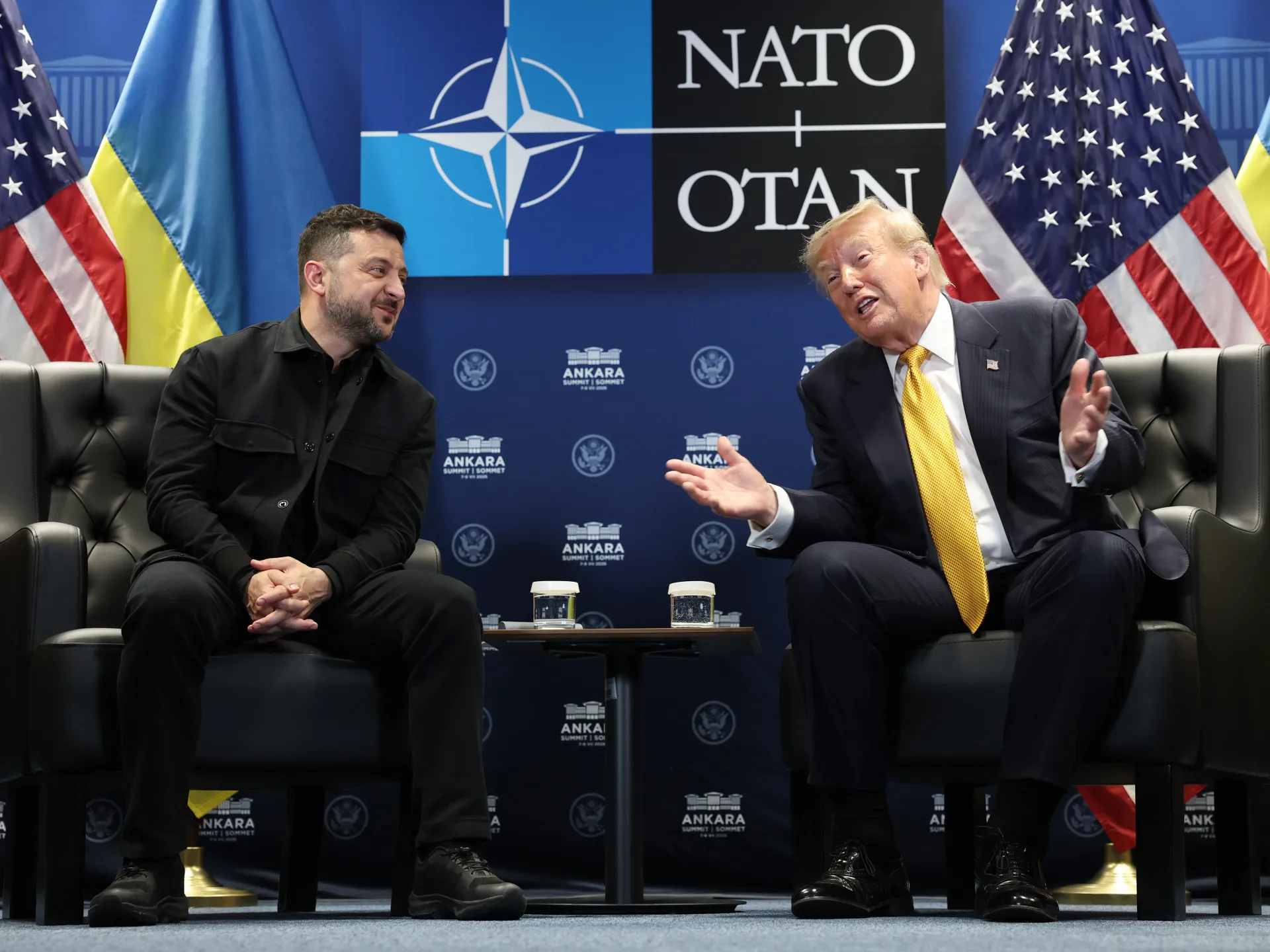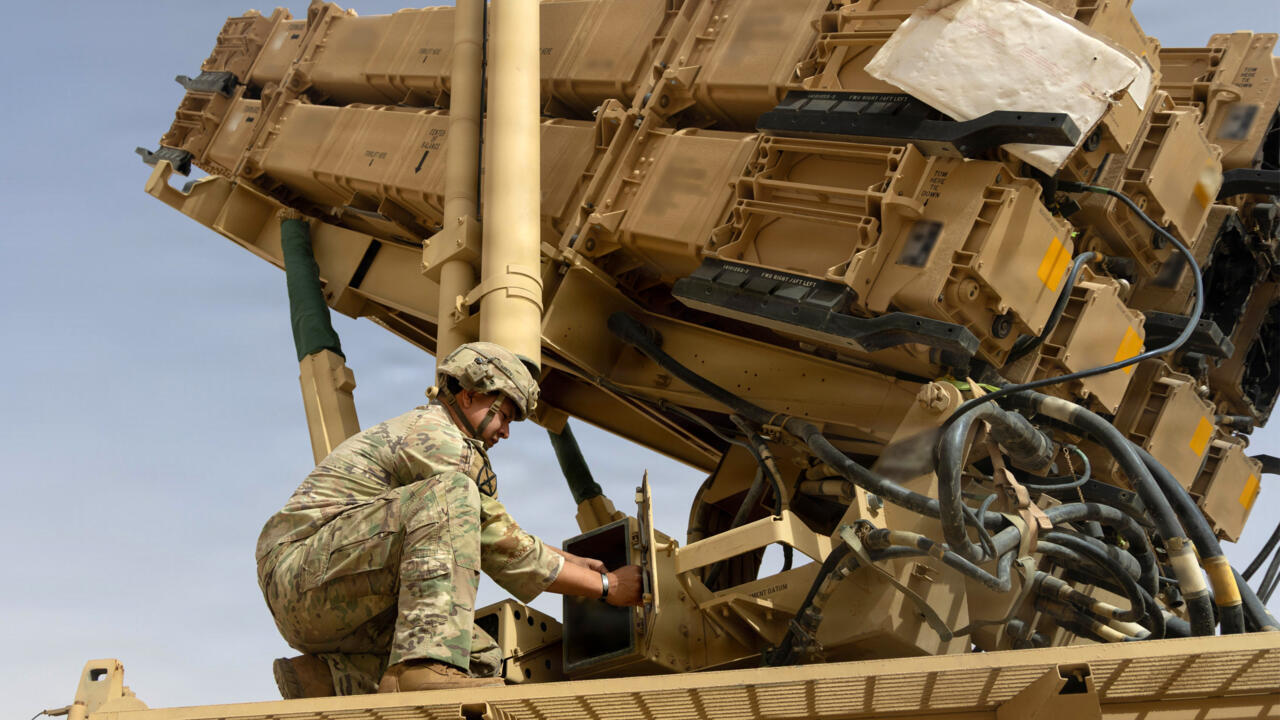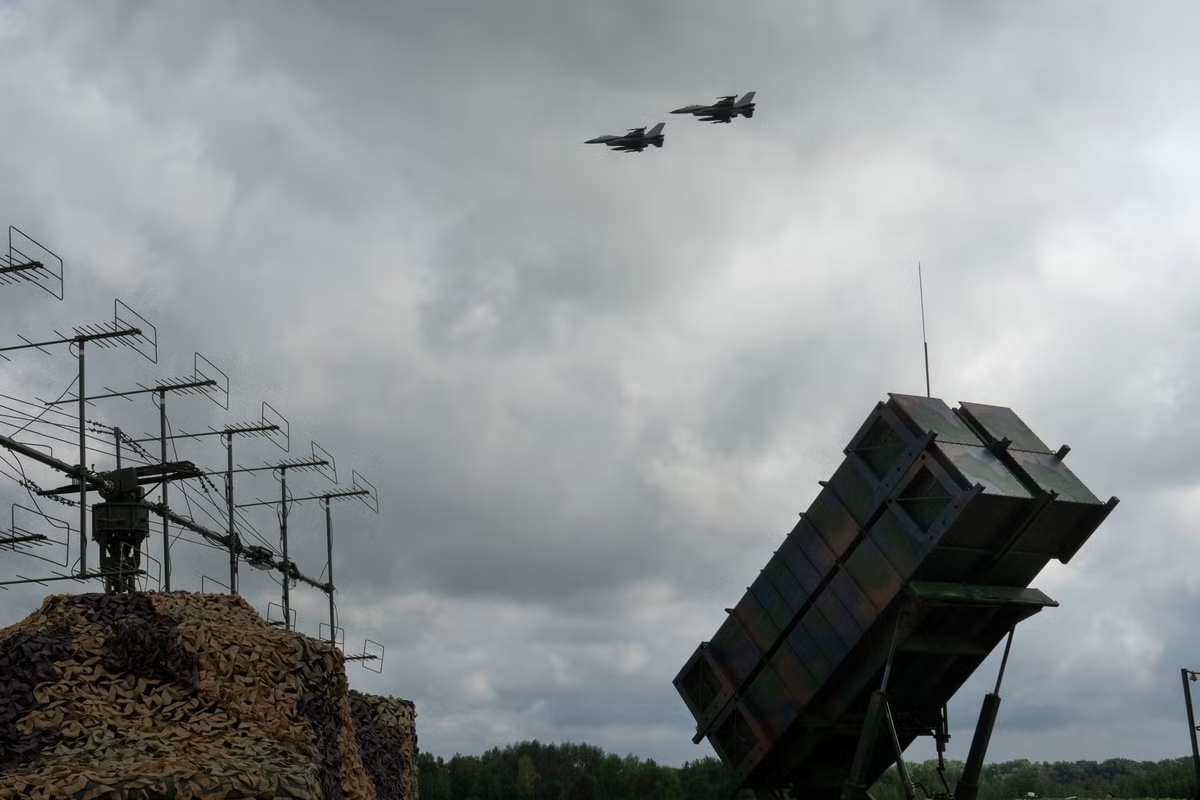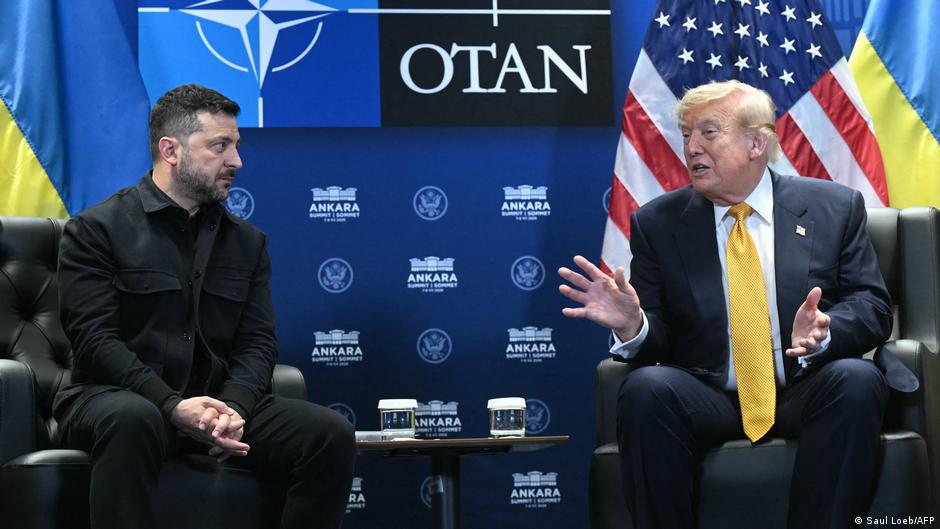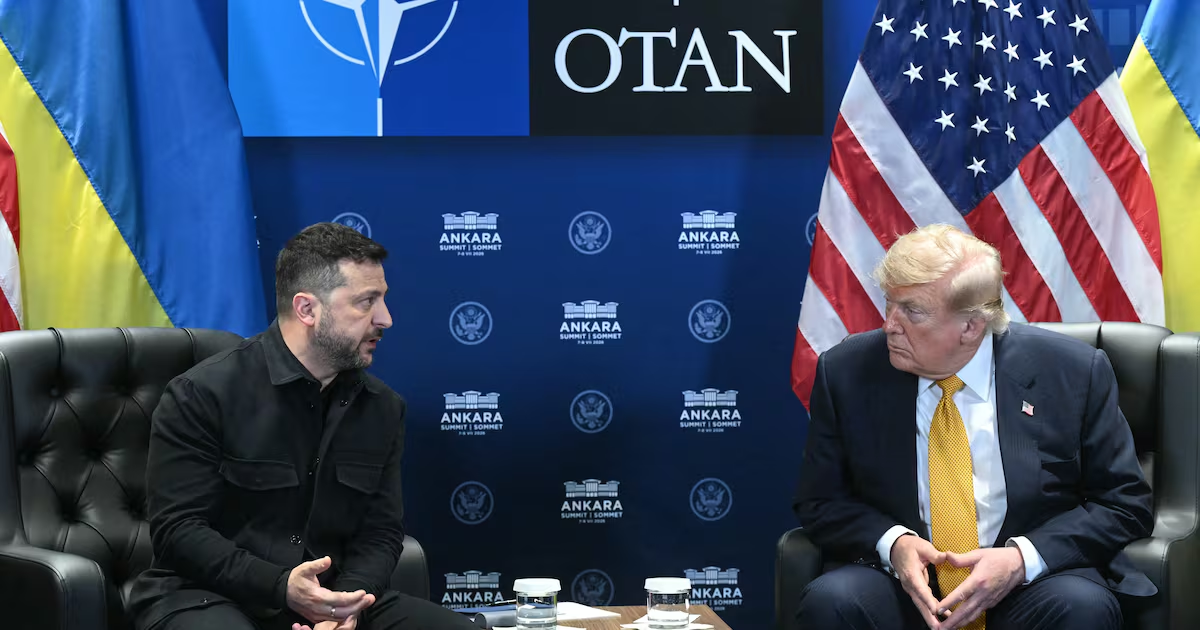
US president Donald Trump on Wednesday appeared to give Ukraine one of the things it wanted most – permission to produce the Patriot air defence interceptors sorely needed to defend against Russia’s deadly ballistic missile attacks.Now comes the hard part.The ballistic missiles are raining down on Kyiv now, but the fruits of Trump’s informal, seemingly impromptu policy announcement may not be ripe for years. Patriot systems are complex and time-consuming to manufacture.It is unclear which Ukrainian company might be selected to partner with either RTX or Lockheed Martin, the two primary defence contractors that produce the Patriot systems, to manufacture the interceptor missiles. Once they have built a factory in Ukraine, it would immediately become a high-priority target for Moscow.These are all problems Ukrainian leaders are happy to tackle. Ukrainian president Volodymyr Zelenskiy is confident that after four years of war, his country moves more quickly than western militaries at procurement and production, driven by the lethal threat it faces every day.Ukraine is engaged in a race against time to bolster its air defences. Zelenskiy has warned for weeks that Ukraine is running out of Patriot interceptors, the most reliable weapon that western allies have given the country to shoot down Russian ballistic missiles. The mobile, surface-to-air defence system consists of advanced radar, a control van and missile launchers, which fire the interceptor missiles.The consequences of the shortage were laid bare Monday, when Ukraine’s air force said it had failed to intercept any of the 23 ballistic missiles launched by Russia overnight. This week alone, Russian attacks have killed more than 50 people.Ukrainian president Volodymyr Zelenskiy stands in front of a Patriot air defence missile system in Germany. Photograph: Jens Buettner/dpa via AP Ukraine has long pressed its western allies for more Patriot interceptors, but global inventories are under severe strain from multiple conflicts around the world. The US-Israeli war against Iran, in particular, used up stockpiles while driving up demand among Gulf countries that Iran targeted in retaliatory attacks.In response, Zelenskiy has urged Washington to grant Ukraine a licence to produce the Patriot interceptors, permission the United States has given only to Germany and Japan.[ Russian attacks kill four in Ukraine and cause vast damage in KyivOpens in new window ]“We have long made the case that we are capable of producing such defensive weapons ourselves,” Zelenskiy said in an evening address on Monday. “If Ukraine were granted US licences to produce Patriots, our own production would be sufficient both to protect Ukraine and to help partners in need.”The permission came, unexpectedly, on Wednesday. “We’ll give them the right to make Patriots,” Trump said during a meeting with Zelenskiy on the sidelines of the Nato summit in Ankara, Turkey. “We’ll show them how to do it.”Trump said Ukraine had the technical capacity to produce the advanced Patriot systems, praising the country’s booming defence industry. “They would be able to do it,” he said. “Most countries would not be able. They don’t have the talent. You have very talented people.”The crucial question, however, is how quickly Ukraine can secure the licence – Trump’s statement of his intentions is just the start of the process – and begin producing Patriot interceptors.“I would be very surprised if you could set it up in under 12 months,” said Fabian Hoffmann, a senior research fellow at the Norwegian Institute for Defence Studies in Oslo, a research group. He pointed to the plan to produce Patriots in Germany, which was first announced in 2024, with the first interceptors expected to reach the German military in 2027.Emergency workers clear debris from the scene of a Russian attack on Kyiv this week. Photograph: Paula Bronstein/Getty Images Judging by Trump’s comments on the sidelines of the Nato summit, his declaration on Wednesday did not follow a careful, formal deliberative process. Trump said his administration had not yet informed any American company involved in manufacturing the Patriot systems of the decision to license production to Ukraine.“We haven’t informed the company of that yet, but that’ll work out all right,” he said, without naming the company.The US state department is responsible for approving the transfer of weapons from the United States to other countries as well as issuing licences for foreign nations to manufacture US-designed munitions, following a review process laid out under federal law. Those same laws allow the president to waive the required reviews for reasons of a national security emergency.It is unclear whether state department officials were aware of Trump’s intent to allow Patriot production by Ukraine in advance of his comments on Wednesday.Even after the licence has been secured, setting up production of such sophisticated weapons would be a technically demanding process and probably a lengthy one. For a start, Patriot interceptors are made up of many complex components that are often manufactured by subcontractors.“The main issue with licensed production is it only makes sense if you can properly localise the supply chain,” Hoffmann said. “Final assembly is not the bottleneck. If I have all the components I can put them together in Ukraine.”Another question will be whether a deal would be for the older model PAC-2 interceptors, made by RTX, or the more advanced PAC-3 interceptors, produced by Lockheed Martin. The latter are the most effective for shooting down ballistic missiles, Ukraine’s biggest vulnerability.Serhii Honcharov, executive director of the National Association of Ukrainian Defense Industries, said producing PAC-2 interceptors would be easier and faster for Ukraine. “But PAC-3 is what is crucially needed now,” he added.Honcharov said he viewed Trump’s announcement “more as a political signal of US support for Ukraine” as the war drags on than as a guarantee that additional military aid is on its way.Ukraine’s defence industry had already begun working on its own, home-grown air-defence alternatives.Ukrainian defence company Fire Point, known for its attack drones and Flamingo cruise missile, announced plans to produce a domestic missile-defence system. The company began negotiating with European manufacturers for complex components, such as an agreement with German company Hensoldt for advanced radars announced last month. The Fire Point plan is for a cheaper interceptor than the Patriots, which can cost more than $3.7 million per missile. The company said it was already producing and stockpiling missiles that could be used in the system once they acquire the advanced seekers that guide them to their targets. – This article originally appeared in The New York Times.[ Taoiseach hopes to help Ukraine make ‘historic’ progress on EU bid during presidencyOpens in new window ]
Trump’s Patriot missile pledge to Ukraine raises hopes but production hurdles remain
US president’s statement that he would allow Ukraine to build Patriot missile interceptors is a boon to Kyiv but it could take years
1,077 words~5 min read