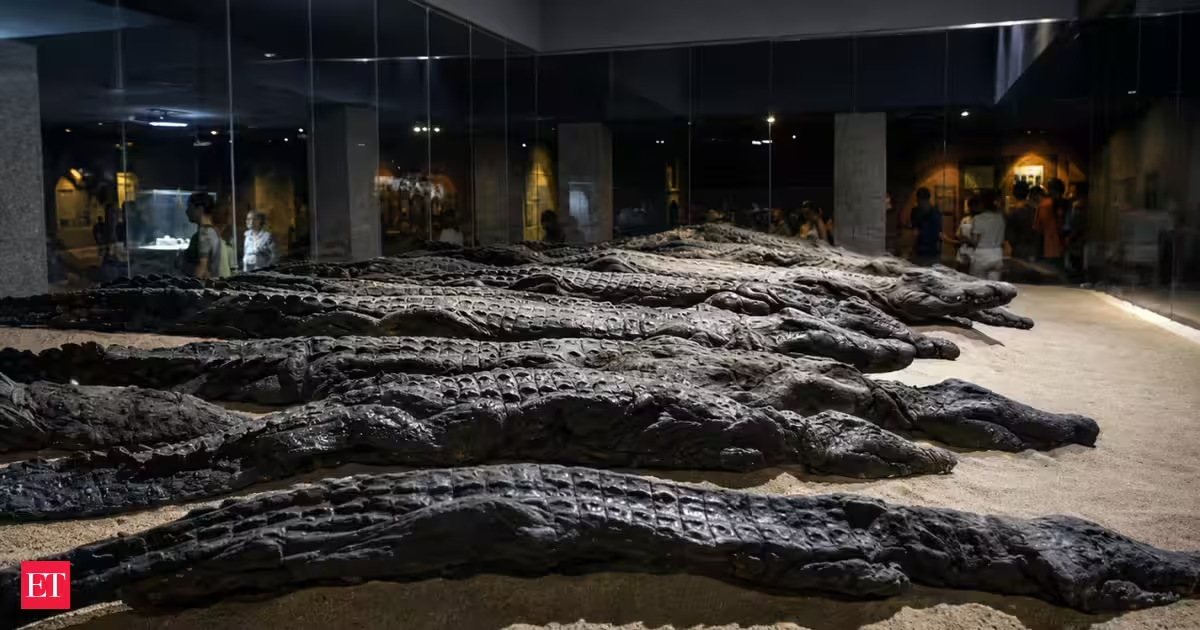
For more than 2,000 years, the Temple of Kom Ombo on the banks of the Nile stood as one of ancient Egypt's most important centres of crocodile worship.
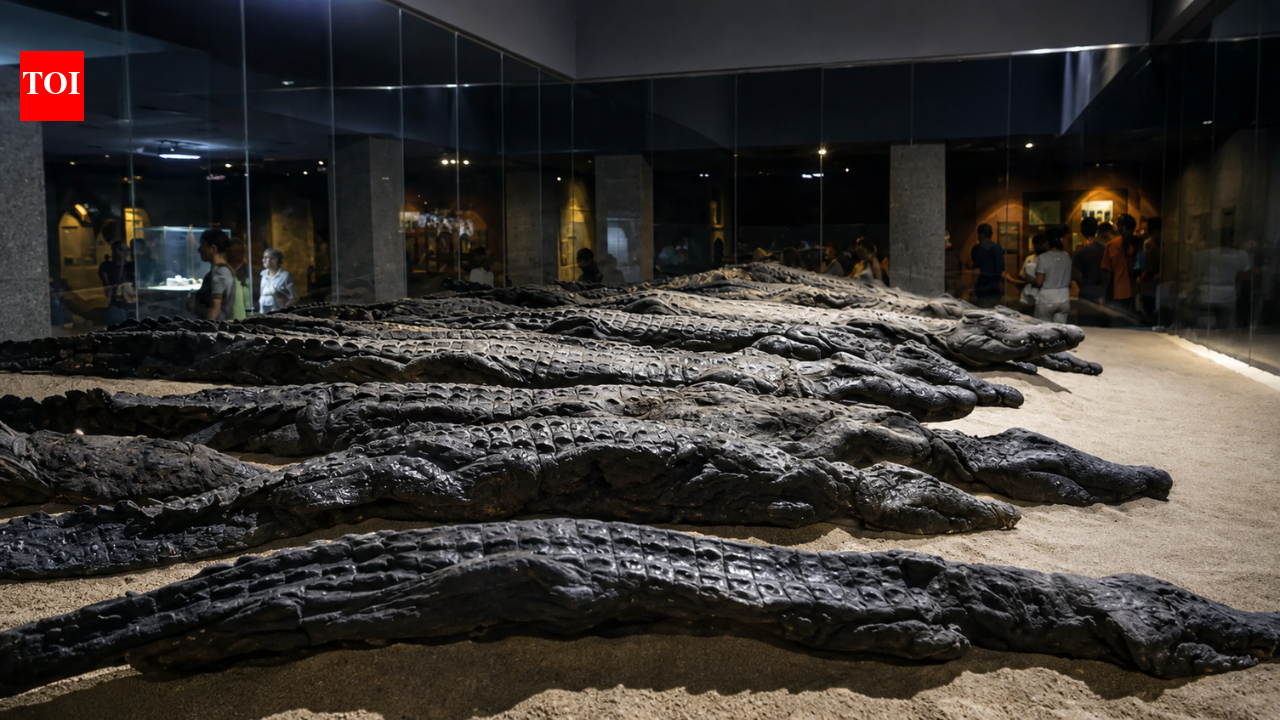
Dedicated to Sobek, the crocodile-headed god associated with the Nile, fertility and royal power, the temple attracted pilgrims who offered mummified crocodiles as sacred votive gifts.
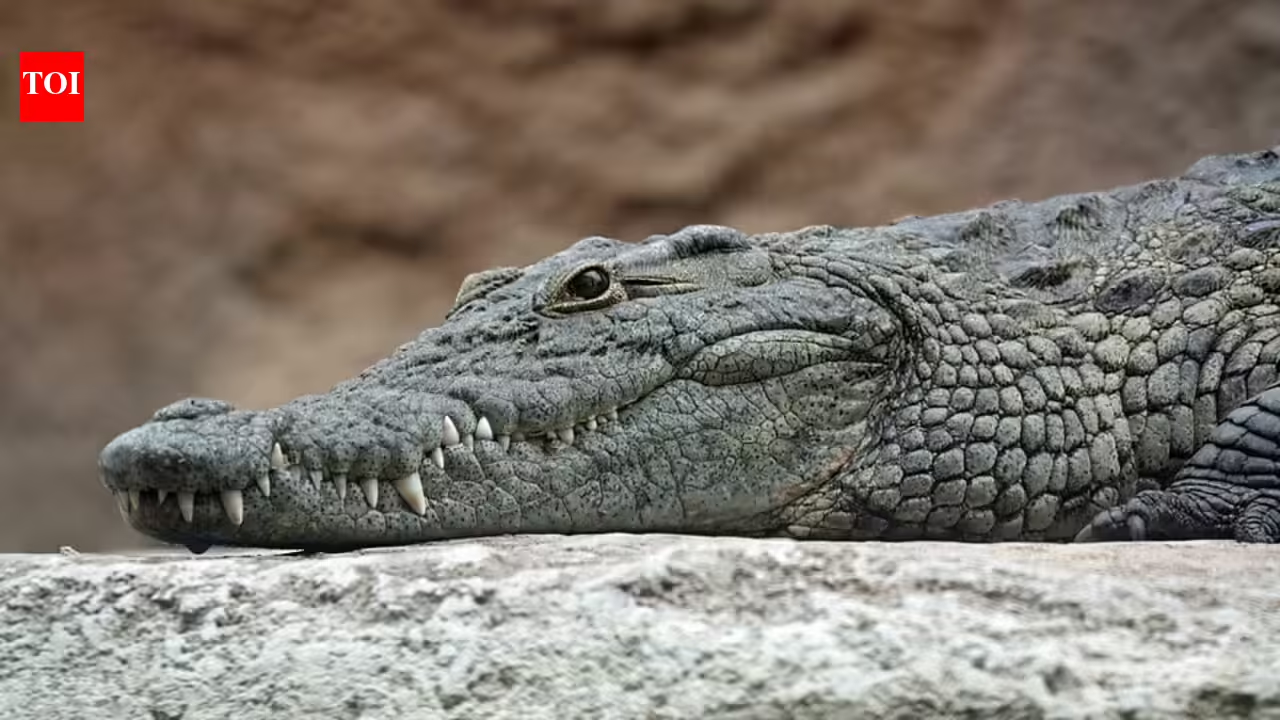
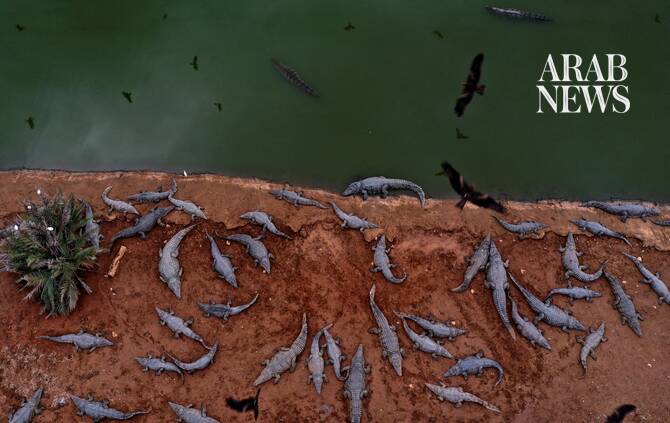
Archaeologists have uncovered hundreds of crocodile mummies ranging from hatchlings to enormous adults, raising a long-standing question: were these animals specially bred for ritual purposes or captured from the wild?
Modern genetic research is now helping answer that mystery, revealing not only the identity of these sacred reptiles but also offering new insights into Egypt's changing environment thousands of years ago.How Kom Ombo Temple became the centre of one of ancient Egypt's largest crocodile cults dedicated to the god SobekLocated near modern-day Aswan, the Ptolemaic Temple of Kom Ombo is unique because it was dedicated to two deities simultaneously, Sobek, the crocodile god, and Horus the Elder (Haroeris).Sobek was revered as a symbol of strength, fertility and the life-giving power of the Nile.
Ancient Egyptians believed the god protected the land and ensured the river's annual floods that sustained agriculture.