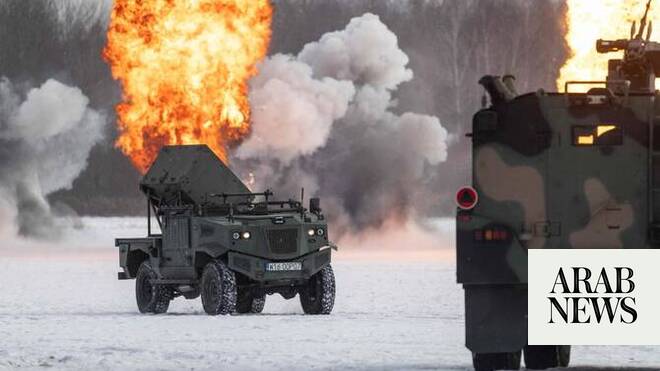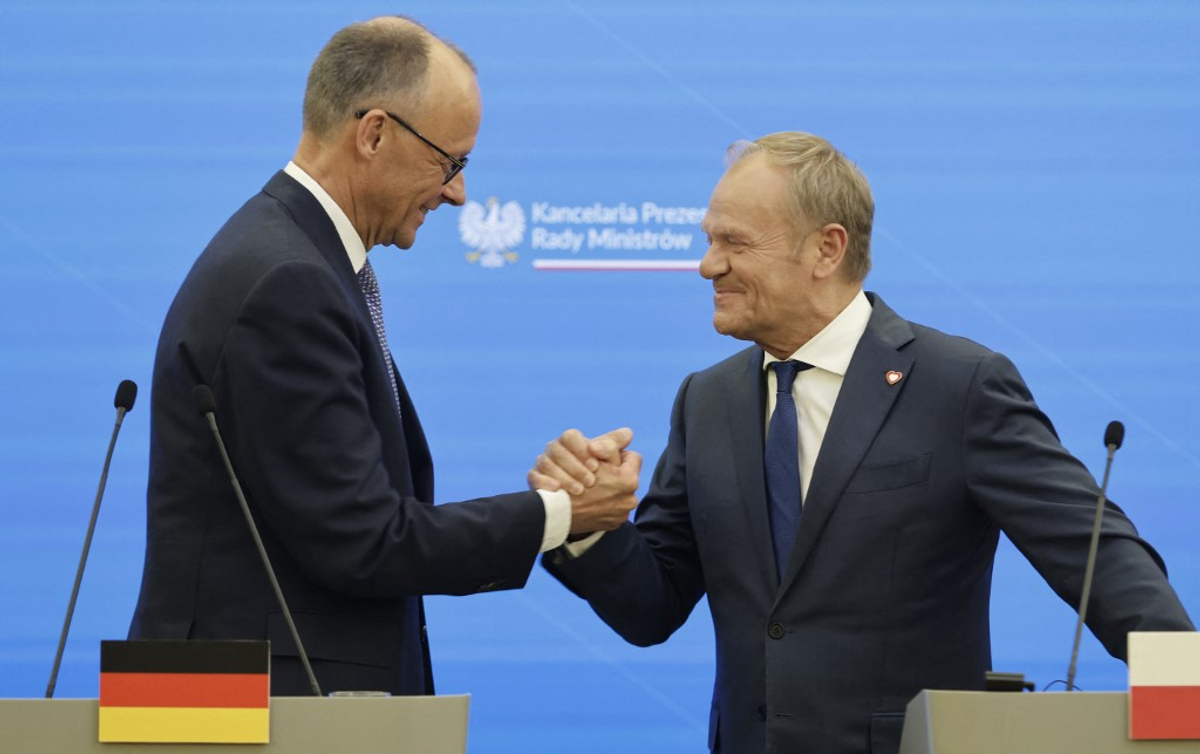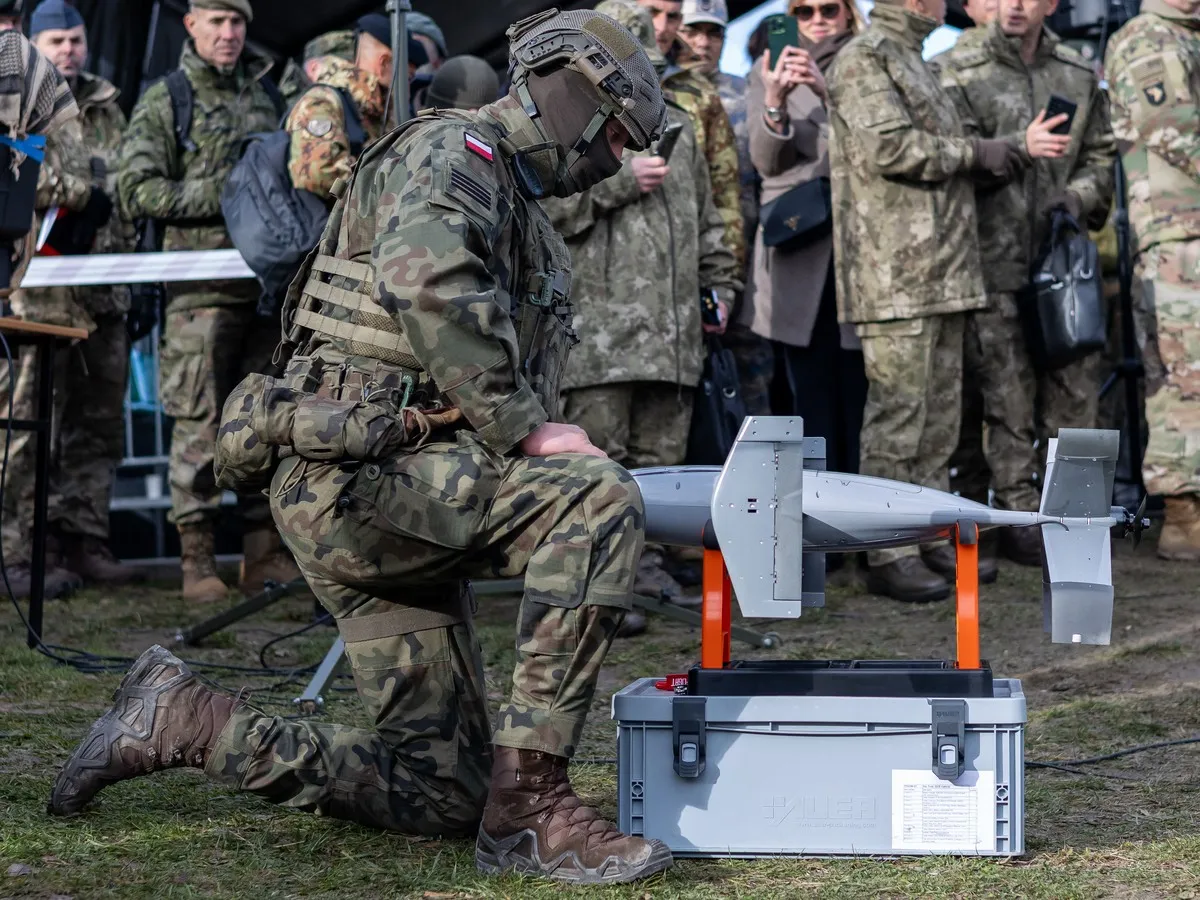
Skip to Content Subscribe Our Offers My Account Manage My Subscriptions FAQ Newsletters Canada Canadian True Crime Canadian Politics Health World Israel & Middle East Financial Post NP Comment Longreads Puzzmo Diversions Comics NP News Quiz New York Times Crossword Horoscopes Life Eating & Drinking Style Sponsored Play for Ontario Travel Travel Canada Travel USA Travel International Cruises Travel Essentials Culture Books Celebrity Movies Music Theatre Television Business Essentials Advice Lives Told Tails Told Shopping Buy Canadian Home Living Outdoor Living Kitchen & Dining Tech Style & Beauty Personal Care Entertainment & Hobbies Gift Guide Travel Guide Amazon Prime Day Deals Savings National Post Store More Sports Hockey Baseball Basketball Football Soccer Golf Tennis Driving Vehicle Research Reviews News Gear Guide Obituaries Place an Obituary Place an In Memoriam Classifieds Place an Ad Celebrations Working Business Ads Archives Healthing Epaper Manage Print Subscription Profile Settings My Subscriptions Saved Articles My Offers Newsletters Customer Service FAQ Newsletters Canada World Financial Post NP Comment Longreads Puzzmo Diversions Life Shopping Epaper Manage Print Subscription HomeNewsCanadaWorldPoland rushes to spend billions on military to deter Russia from a direct confrontation with NATOA history with Nazi and Communist occupations has made Polish people 'wary of being caught unprepared for foreign aggression,' says Dominic Roszak, president of the Canadian Polish CongressLast updated 1 hour ago You can save this article by registering for free here. Or sign-in if you have an account.Poland is investing billions in a major military build-up to deter Russia, strengthen NATO and bolster European security. Photo by WOJTEK RADWANSKI /AFP via Getty ImagesPoland, with an imminent high-priced military ramp-up, is betting that the cost of peace is cheaper than the price of war with Russia.Enjoy the latest local, national and international news.Exclusive articles by Conrad Black, Barbara Kay and others. Plus, special edition NP Platformed and First Reading newsletters and virtual events.Unlimited online access to National Post.National Post ePaper, an electronic replica of the print edition to view on any device, share and comment on.Daily puzzles including the New York Times Crossword.Support local journalism.Enjoy the latest local, national and international news.Exclusive articles by Conrad Black, Barbara Kay and others. Plus, special edition NP Platformed and First Reading newsletters and virtual events.Unlimited online access to National Post.National Post ePaper, an electronic replica of the print edition to view on any device, share and comment on.Daily puzzles including the New York Times Crossword.Support local journalism.Create an account or sign in to continue with your reading experience.Access articles from across Canada with one account.Share your thoughts and join the conversation in the comments.Enjoy additional articles per month.Get email updates from your favourite authors.Create an account or sign in to continue with your reading experience.Access articles from across Canada with one accountShare your thoughts and join the conversation in the commentsEnjoy additional articles per monthGet email updates from your favourite authorsSign In or Create an AccountorIn a watershed defence spend, coming from a European Union loan, Warsaw is pouring nearly 44 billion euros ($71 billion) into stepping up its military infrastructure. Why now? That’s obvious for anyone following Moscow’s unyielding provocations.Jets scrambling to intercept Russian aircraft over the Baltic, cyberattacks on Polish railways and hospitals, and drones and missiles straying across its borders have all convinced Poland’s political class that deterrence can’t be put off for an indeterminate future budget cycle.Get a dash of perspective along with the trending news of the day in a very readable format.By signing up you consent to receive the above newsletter from Postmedia Network Inc.A welcome email is on its way. If you don't see it, please check your junk folder.The next issue of NP Posted will soon be in your inbox.We encountered an issue signing you up. Please try againWith the new loan, Poland’s the largest single beneficiary of Security Action for Europe’s (SAFE) 150‑billion-euro defence budget. The loans are earmarked for modernizing the military, expanding the domestic arms sector, and rewarding Polish firms that collaborate with defence manufacturers. Government plans plot roughly 4.8 per cent of the nation’s GDP going to defence.“This is a watershed moment in the history of both Poland and the European Union,” Prime Minister Donald Tusk said May 8 in Warsaw, at a ceremony for the signing of the agreement, AFP reported. “Poland will be safer in these difficult and highly risky times.” Poland’s Prime Minister Donald Tusk arrives for a dinner of the Coalition of the Willing to support Ukraine at the French presidential palace in Paris in July. Photo by LUDOVIC MARIN /AFP via Getty ImagesAccording to Dominic Roszak, president of the Canadian Polish Congress, and Stakeholder Relations Lead for the 2023 Warsaw Security Forum, “Poland has long warned the rest of Europe of Russia’s expansionist ambitions, even when other EU leaders weren’t always willing to listen.”He continued: “Poland sees itself as a guarantor of regional security along the EU and NATO’s eastern frontier, including the more vulnerable Baltic states. I share the view that a strong and effective military is the only way to deter Russia from a direct confrontation with NATO.”Poland’s history with Nazi and Communist occupations has made his countrymen “wary of being caught unprepared for foreign aggression,” he said.Even though there were “public political disputes” over where the loan should come from — be it domestic financing or SAFE — he insists now there is “a broad consensus across government institutions and the mainstream political spectrum that, whatever the mechanism, a rapid defence build-up is necessary.”The Polish military industry upgrade has won admirers here in Canada. According to Breaking Defense, Ottawa is poised to purchase Polish drones. A statement from the Canadian Department of National Defence said the two countries intended to pursue “joint projects involving emerging technologies.” Moreover, Poland was the featured country at CANSEC (Canada’s Global Defence & Security Trade Show) in Ottawa this spring, and Canada will be the lead nation at the MSPO defence expo in Kielce this September.“With both countries (Canada and Poland) now participating in SAFE and deepening their strategic bilateral cooperation, this stops being a purely national spending story, and has the potential to become a shared industrial base. For defence manufacturers on both sides of the Atlantic, that is the opportunity of the decade,” Roszak said. A Polish soldier launches an interception drone of the American MEROPS counter-drone system during tests at the Nowa Deba military training ground, south-eastern Poland, on November 18, 2025. Photo by WOJTEK RADWANSKI /AFP via Getty ImagesThere are a few potential downsides to Warsaw’s new plan – none of which are, in Roszak’s view, qualitatively or quantitatively much to worry about.“The risk I would actually put at the top of the list is procurement delay. Poland’s planning anticipates the possibility of a confrontation with Russia within even the next five years, and there are still capability gaps to fill. Poland is determined to close them quickly, and has supercharged its procurement efforts, creating a dedicated role to drive the effort.” By the end of May, he added, Poland’s defence minister had already confirmed the signing of 50 contracts under SAFE, with a value close to 120 billion zloty, or over half of Poland’s total allocation.There is a risk, he conceded, of Russia pre-emptively moving towards escalation, ahead of Poland’s military readiness. But he also said: “NATO’s resolve is the single biggest deterrent to a westward expansion of the current conflict. Poland led the way at the start of the full-scale (Russian) invasion of Ukraine by supplying weaponry to the Ukrainians, that some said would lead to ‘escalation.’”A key indicator of the program’s success “will be a strong and sovereign Ukraine, because stability to Poland’s east is inseparable from Poland’s own.”Katarzyna Lesperance, a native-born Pole and owner of the Starka distillery in Szczecin, Poland, comes from a family of military — first her father, and then her brother, a former senior-level official in the ministry of defence. “People are afraid,” she said, of a potential conflagration.Katarzyna, who studied naval academics at the Heroes of Westerplatte Polish Naval Academy in Gdynia, said that “most people are for the military” build-up. Russia, she added, “would be so crazy to invade right now,” but continues “a lot of provocation.”Katarzyna lives with her husband David Lesperance, of Lesperance & Associates, and 12-year-old twins, in Gdynia, a port city on the Baltic, where intense early fighting of the Second World War began. Their apartment overlooks the port where naval vessels come out, and container ships bring in military hardware. There’s a military airfield in the city, with frequent flybys.Their apartment’s about two-and-a-half hours from the Belarusian border, and Kaliningrad, Russian territory, Lesperance said.Poles today “are conscious of bad things happening. It’s a part of Polish history…. So they are attuned to kind of, better be prepared, and prepare for the worst, hope for the best, and work for the best,” he said. His sense is that “reliance on America for monies and/or sophisticated systems, which need constant replacement and upgrading” is believed to be precarious and unpredictable, “with (U.S. President) Donald Trump being Donald Trump.”A former diplomat echoed that Poland’s military surge is meant to avoid a far costlier, bloodier war.“For us, safety — or I would say lack of safety — is a very present topic. It started long before the full state invasion of Russia to Ukraine,” said Natalia Walsh Iwaszko, formerly vice consul economic affairs, at the Consulate General of the Republic of Poland in Toronto. “Russia has been always a threat for centuries…. And we know that there is not much needed for Russia to be encouraged to attack again, either us or Baltic states.”Born and raised in Poland, she is currently residing in Vancouver for a brief time, and writes for Defence24, Polish-based defence and security news.To the argument that perceived brinkmanship might spur Moscow to fire first, before Poland has its full defensive walls up, she said such talk is “mostly created by Russian propaganda.”Minister Bartosz Grodecki, head of the National Security Bureau of the Republic of Poland told the Post that in the nearly 30 years in NATO, his country has “transformed from a recipient of security to a creator of it” and that it has a “clear understanding of the goals and strategy of our main adversary — Russia — which is why, both domestically and internationally, we emphasize the importance of being able to defend against its imperialist ambitions.”He added that the country is aware that in “the event of an attack, the costs of a defensive operation and the consequences of wartime destruction will be far greater than those incurred in building a resilient defence system.”Our website is the place for the latest breaking news, exclusive scoops, longreads and provocative commentary. Please bookmark nationalpost.com and sign up for our daily newsletter, Posted, here. Join the Conversation This website uses cookies to personalize your content (including ads), and allows us to analyze our traffic. Read more about cookies here. By continuing to use our site, you agree to our Terms of Use and Privacy Policy.
Poland rushes to spend billions on military to deter Russia from a direct confrontation with NATO
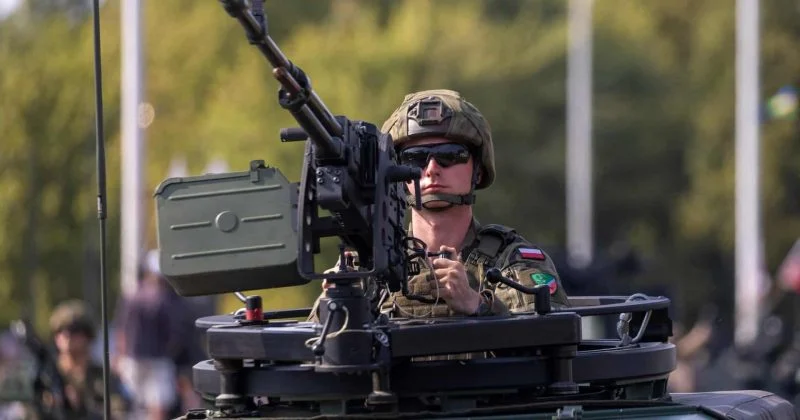
Poland is investing billions in a major military build-up to deter Russia, strengthen NATO and bolster European security.
1,832 words~8 min read