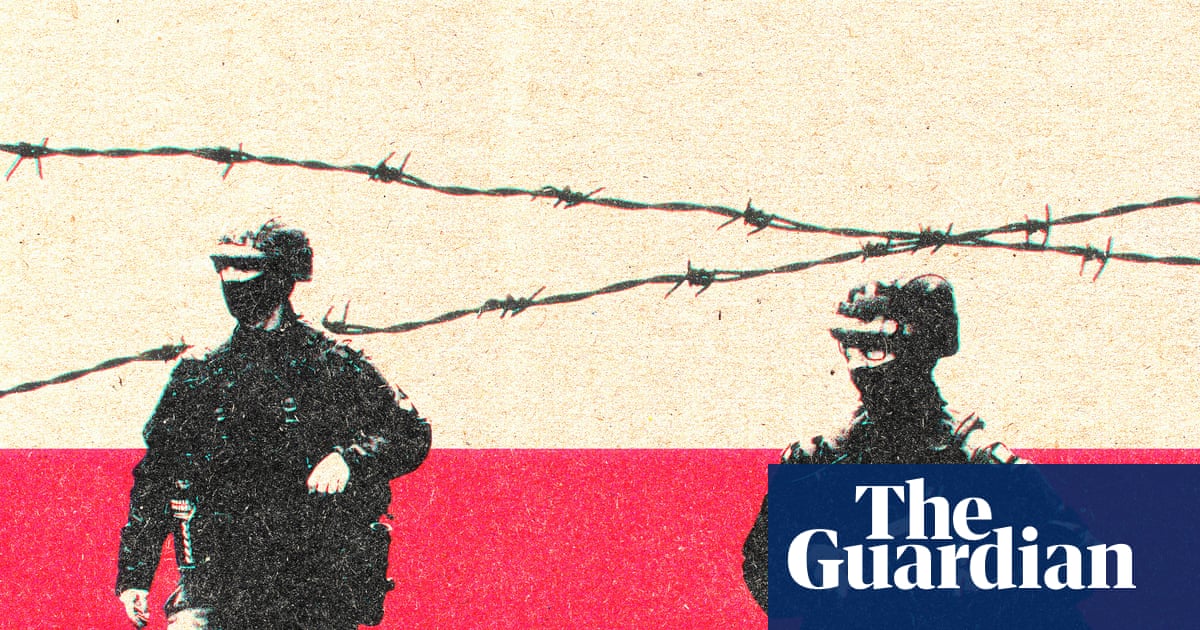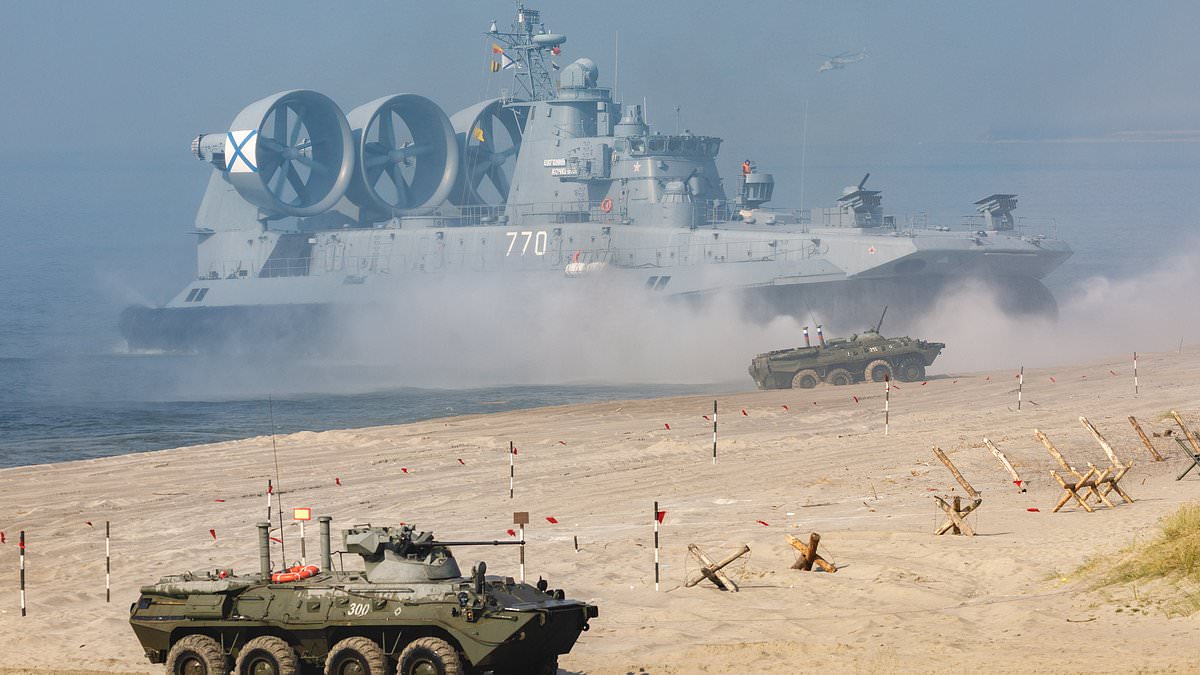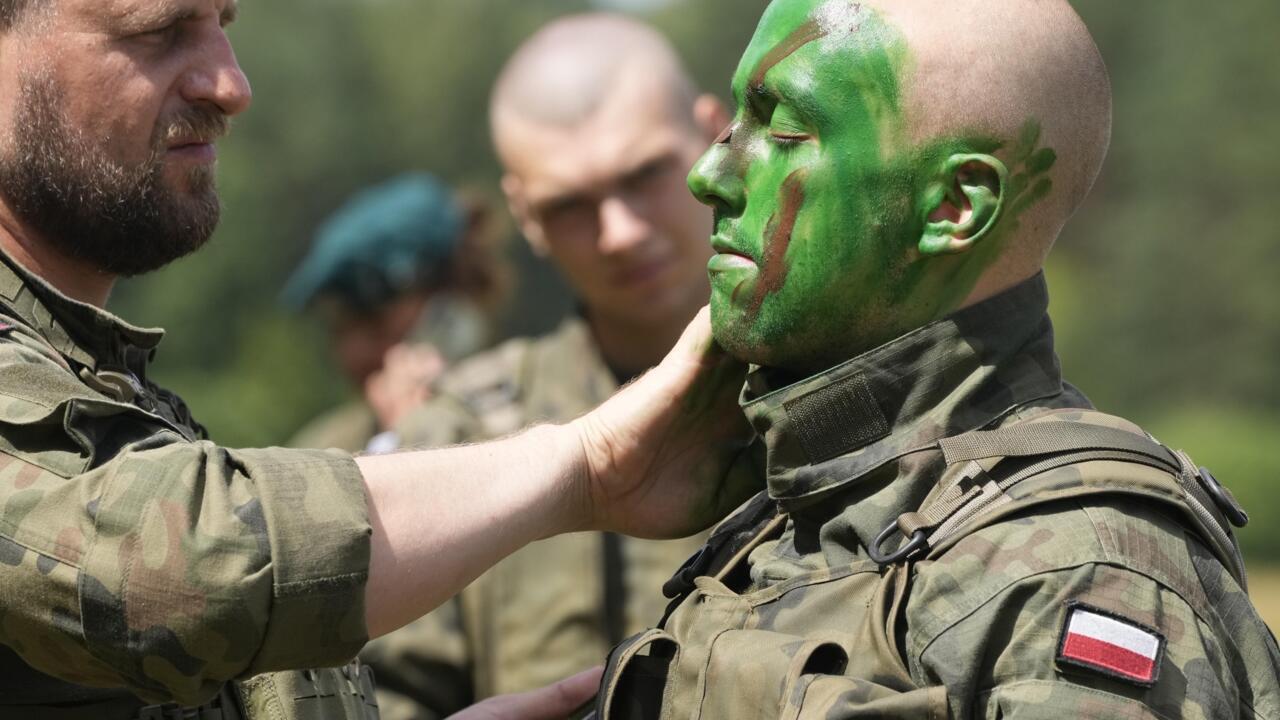
Imagine the following scenario: it is 2042 and the Ukrainian front is frozen. The Russian authorities have decided to make Poland the main target of an attack on NATO. Russian forces advancing from the north (Kaliningrad Oblast) and east (Belarus) cross Poland’s eastern border, link up, and push forward as far as the Vistula River. Massive cyberattacks hamper communications and the roads are blocked with innumerable panic-stricken refugees seeking safety as thousands of drones buzz overhead. NATO allies, divided and weakened since the United States withdrew from the Alliance several years ago, hesitate to intervene as Polish forces find themselves overwhelmed. This is just one of the scenarios projected by a recent Polish report. The wGotowości, or Readiness, programme was created to prepare Polish society for any number of situations ranging from cyberwar to a full-scale invasion. The initiative is “the largest program of universal, voluntary defence training in Polish history”, the country’s Defence Minister Wladyslaw Kosiniak-Kamysz said when the program was launched in November last year. The programme stands out among similar initiatives to train European civilians for war because of its massive scale. Kosiniak-Kamysz said he hoped 400,000 people would complete training sessions by the end of 2026. The wide age range – with no upper limit – includes everyone from teenagers to seniors. Promoting the military within society “The programs are not actual training for military reservists, but rather projects promoting the military within society and intended for introductory purposes,” said Col. Prof. Dariusz Kozerawski, a reserve colonel of the Polish Army and a member of the Department of National Security at the Jagiellonian University. Jacek Raubo, a defence and security expert agreed: “It’s about promoting the Polish Army and other security structures among the public. Poland currently offers various forms of military service [while] recruitment for uniformed services is expanding and intelligence and counterintelligence services also constantly need personnel.”
Poland prepares to stand its ground with massive new civil defence programme
As it races to become NATO’s frontline fortress against Russia, Poland has launched large-scale civilian courses teaching survival skills during times of crisis. The programme is intended to help bridge…
888 words~4 min read