The icon indicates free access to the linked research on JSTOR.
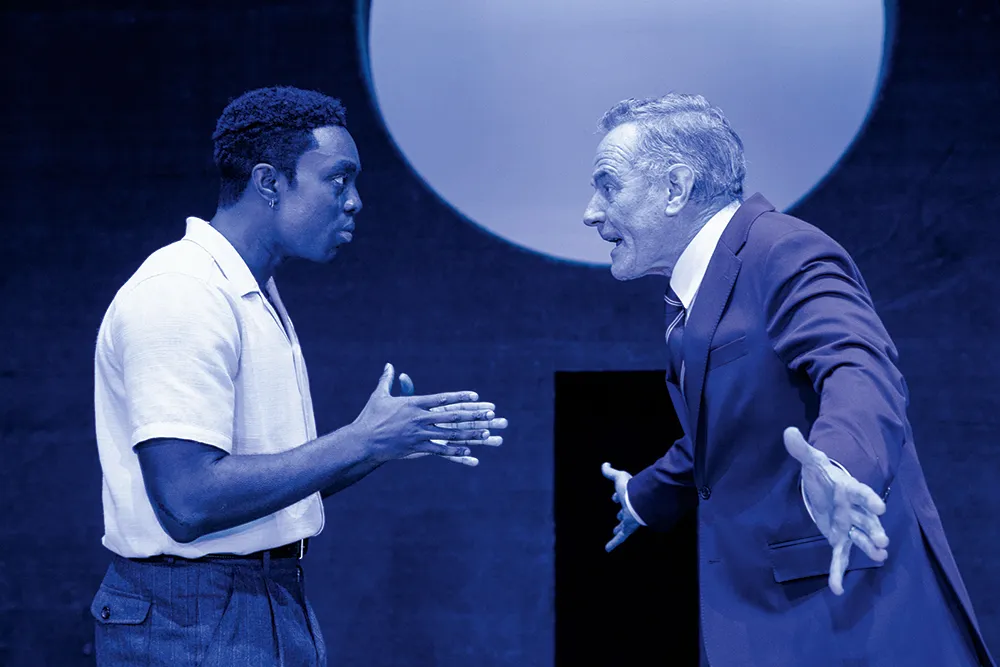
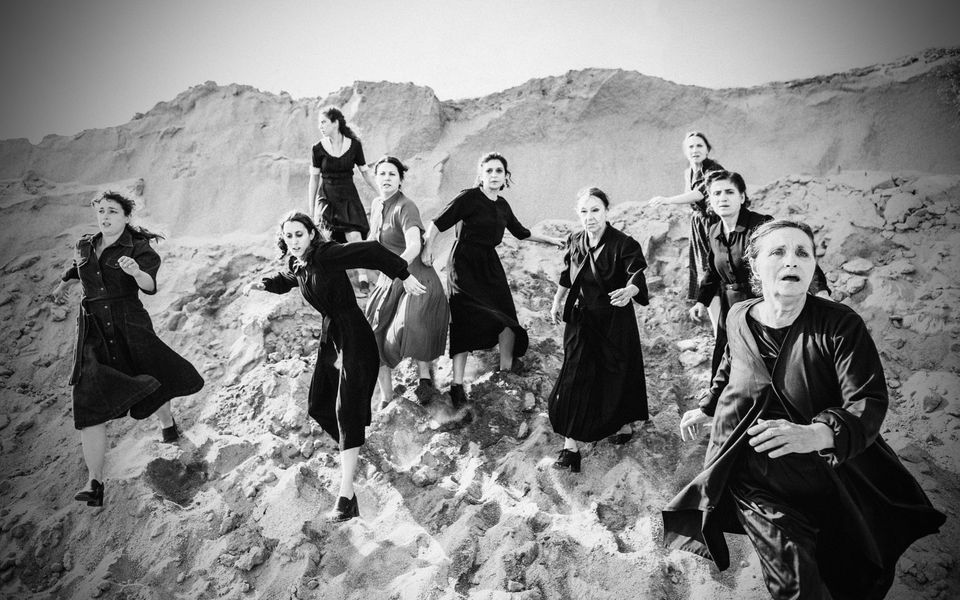
In the 1958 Tennessee Williams play Suddenly Last Summer, the character of Sebastian Venable dies before the events of the play, during a summer afternoon described as “one of those white blazing days in Cabeza de Lobo, not a blazing hot blue one but a blazing hot white one,” where he is torn apart, almost cannibalized, by a mob of local youths. Thus, he only exists through the recollections of other characters. The play rests on two major recollections of Sebastian: the first, told by his mother, Violet Venable, relays an idealized, “chaste, not chased” version of her son; the second, told by Sebastian’s cousin, Catharine Holly, depicts a relationship tinged with repressed trauma and horror.
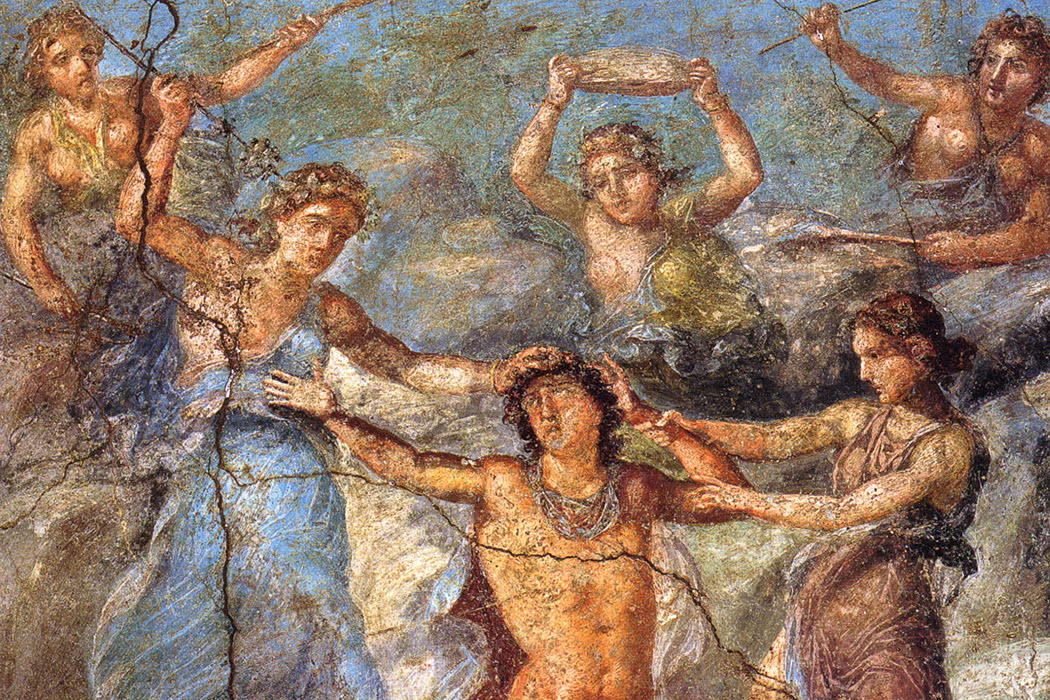
“Most readings maintain this focus on the role of Sebastian as a repressed homosexual—variously martyr, saint, and sadist—and on the implications of that sexuality for his relationships with his cousin Catharine and his mother,” writes Irene Morra in The Tennessee Williams Annual Review, proposing an interpretation of the play as a reelaboration of The Bacchae in a more metatheatrical way, rather than as a realistic depiction of queerness and its consequences. “The majority of critical receptions continue to read Suddenly Last Summer in psychosexual, biographical terms. This reading, however, risks overlooking the extent to which the play offers a concerted aesthetic response to the negative reception of Orpheus Descending.”