(Image credit: Nvidia)
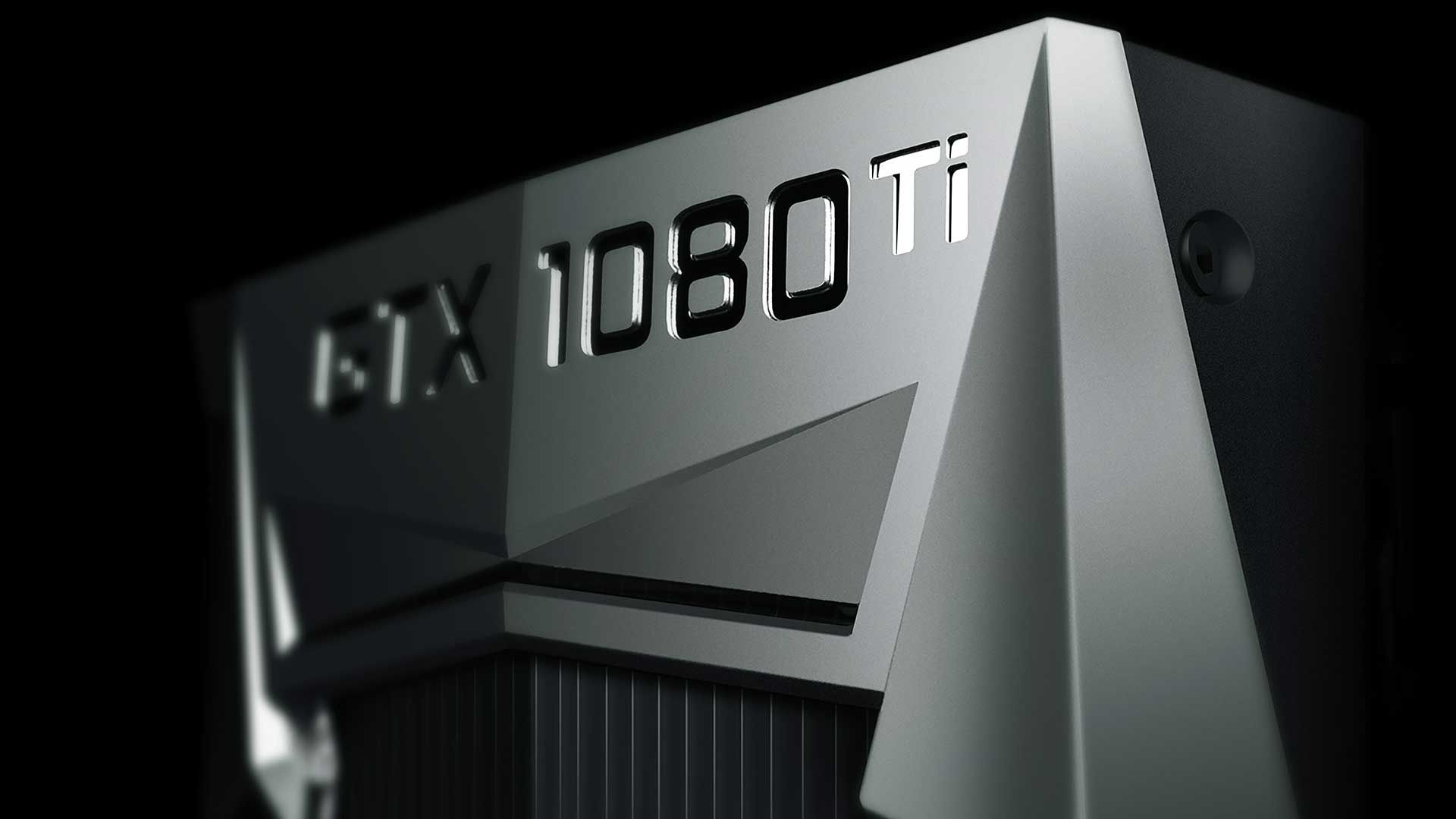
Few names echo in the aisles of tech cathedrals like the legendary GTX 1080 Ti, released by Nvidia all the way back in 2017. The GPU it's based on, GP102, actually debuted a year earlier, in 2016, which is why this story is titled as a decade-old hindsight. German outlet PC Games Hardware just retested all three cards based on the GP102, pitting them against far more efficient modern offerings to answer a simple question: how well does the 1080 Ti hold up in 2026?At its launch, the GTX 1080 Ti cost $700 and used a cut-down version of the GP102 called "GP102-400," while the Titan Xp that released a month later enjoyed the full-fat GP102-450 silicon. Built on the Pascal architecture, the 1080 Ti featured 3,584 CUDA cores that could boost up to 1.58 GHz, 11GB of GDDR5X memory saturated across a 352-bit wide bus, and a 250W TDP. It was the last (consumer) flagship Nvidia made with pure rasterization in mind.Jumping to the results, we see the 1080 Ti still pushes close to 60 FPS in modern titles at 1080p resolution. However, it's slower than even the current-gen RTX 5050, and it's unable to beat any recent 60-series GPU as well. You'd have to go as far back as the RX 6600 or the RTX 3060 8GB to find something that the 1080 Ti edges out. Speaking of which, it is still faster than the Radeon VIII that came out two years later and matches the relative performance of the Titan X, while the Titan Xp clears it comfortably.