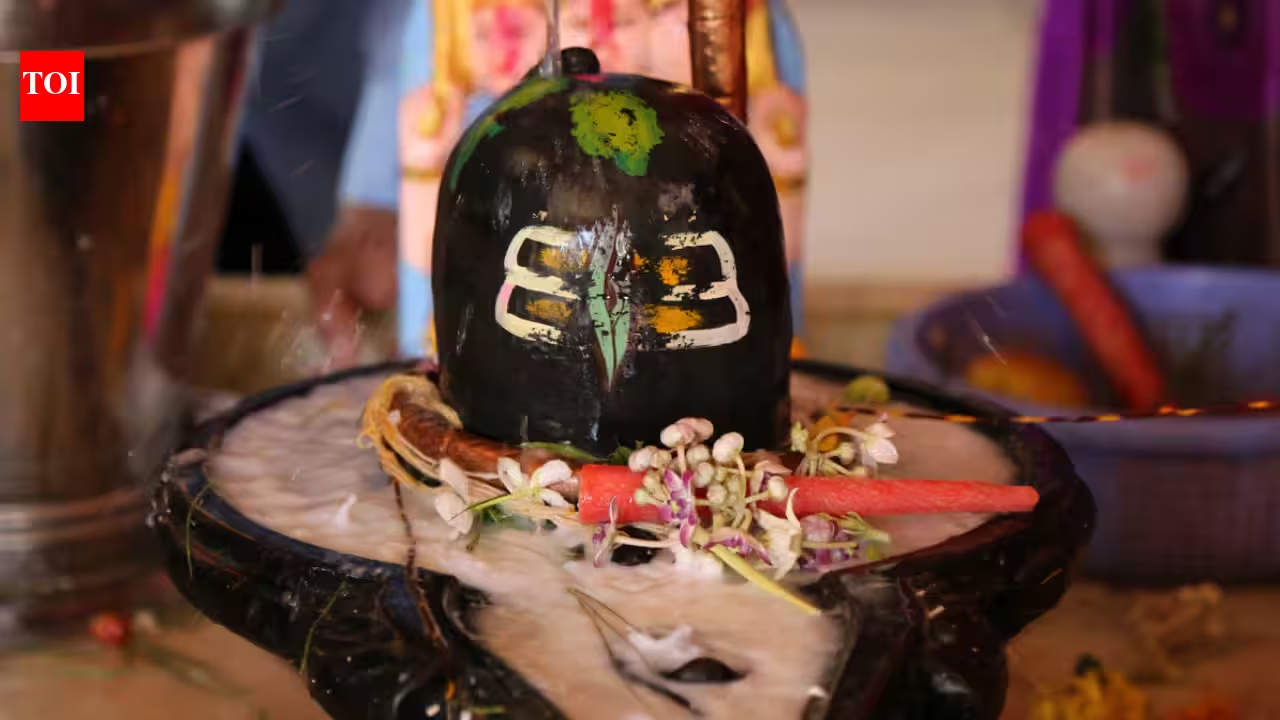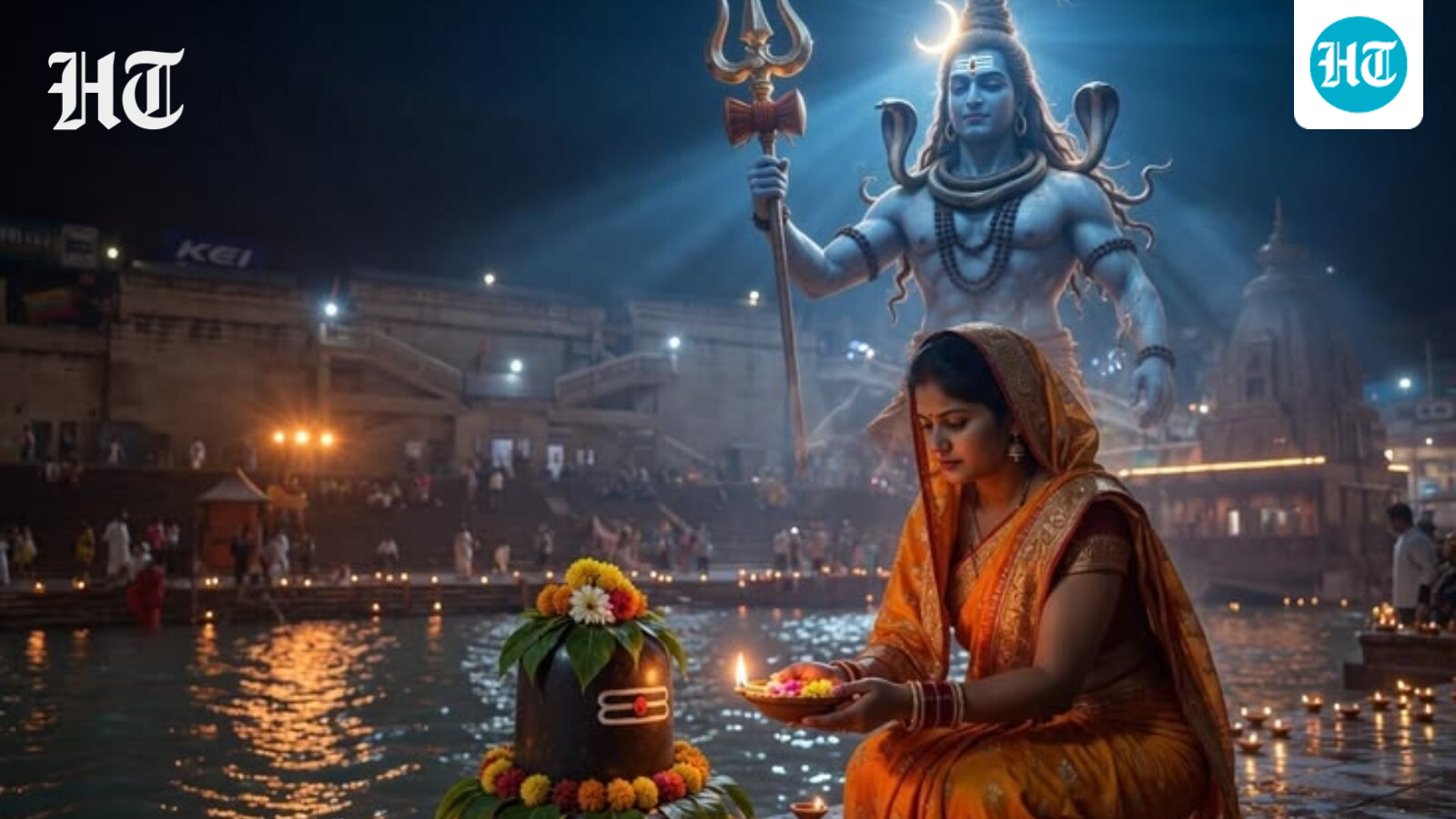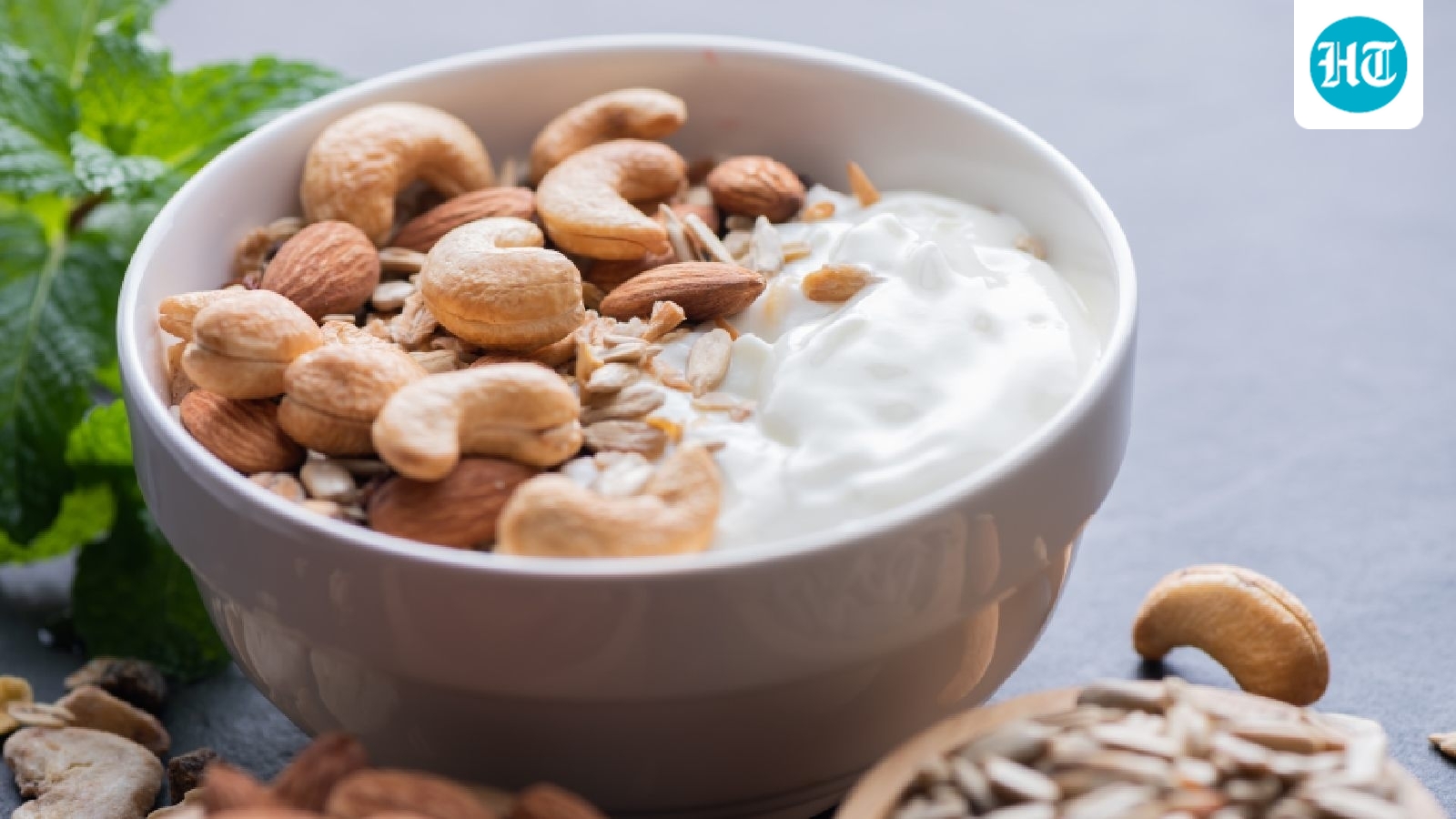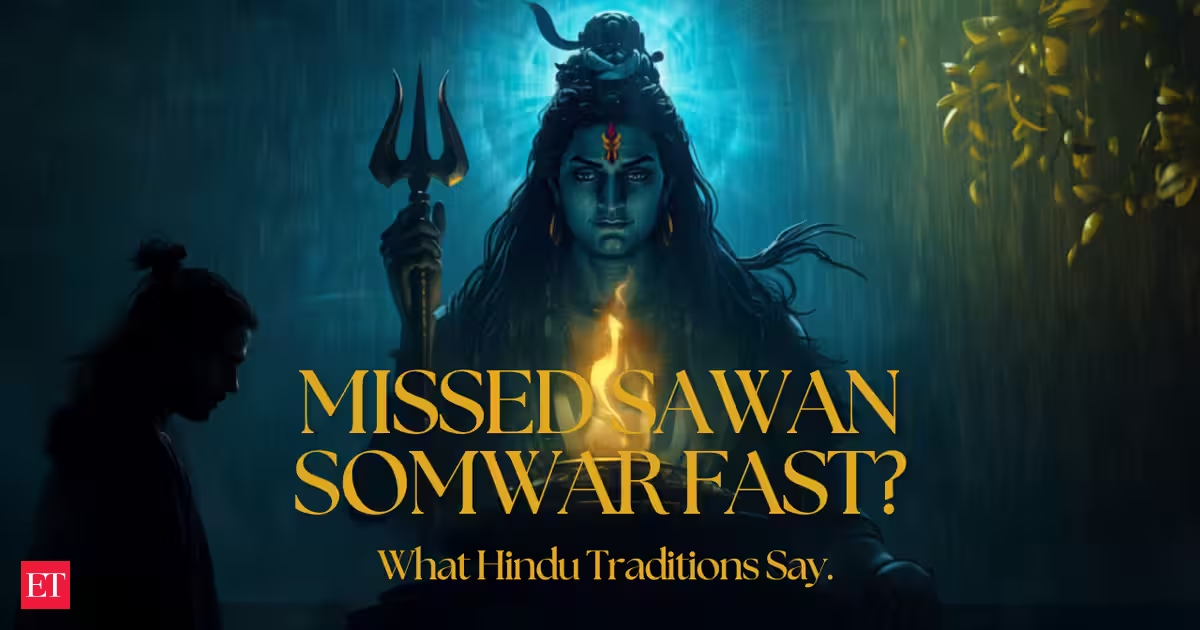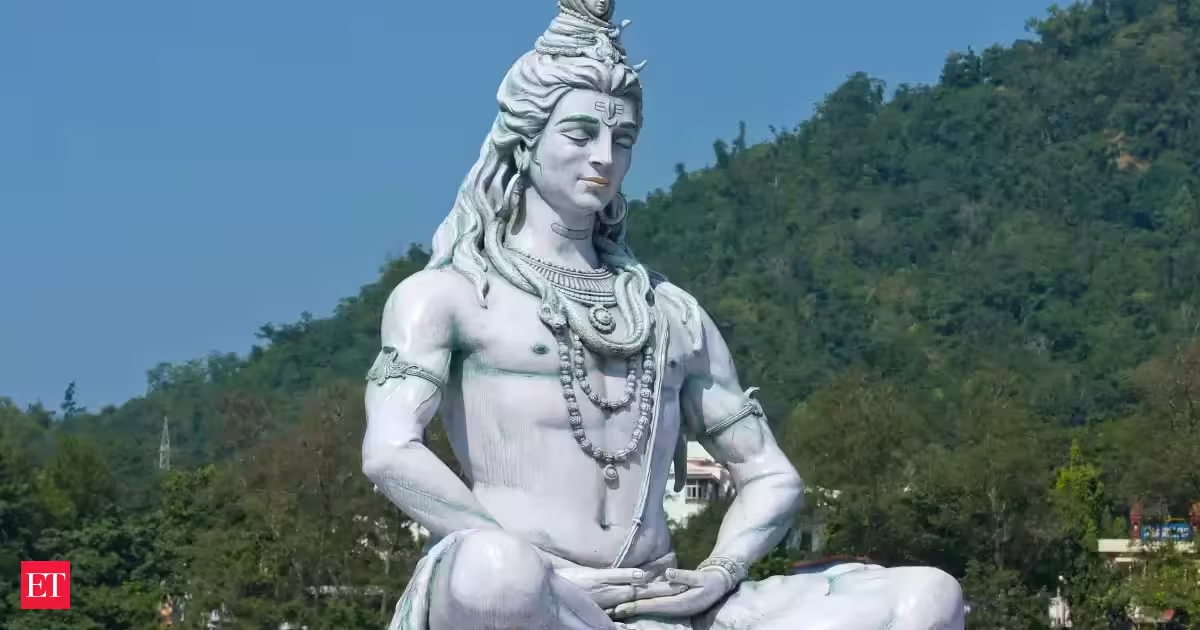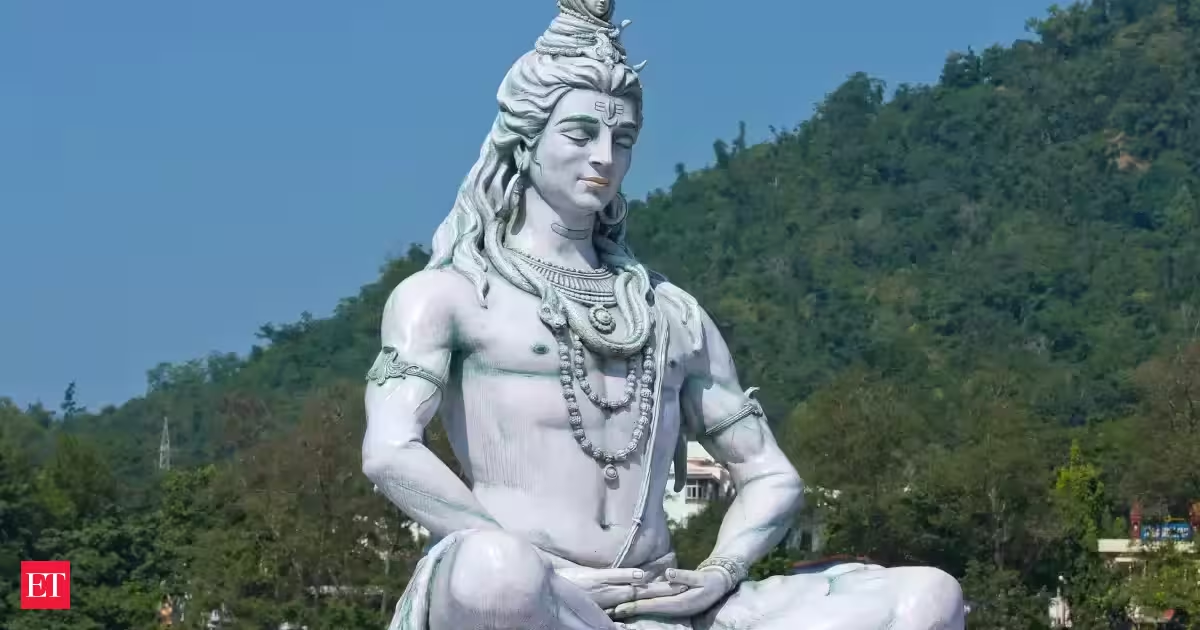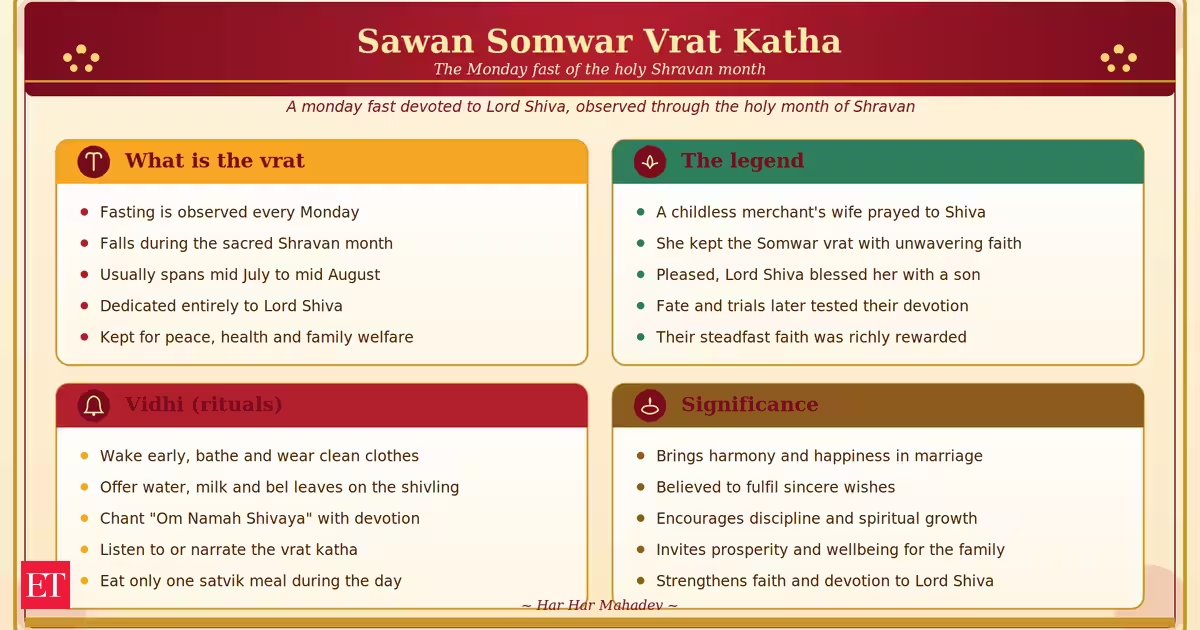
Sawan Somwar Vrat Katha: Complete Lord Shiva Monday Fast Story, Why It Is Read During Shravan, Spiritual Importance and Traditional BeliefsSynopsisThe holy month of Shravan (Sawan) holds immense significance in Hinduism and is considered one of the most sacred periods for the worship of Lord Shiva. Every Monday during this month, known as Sawan Somwar, thousands of devotees observe a fast, perform Shiva Puja, offer water, milk and Bel Patra to the Shivling, and recite the Sawan Somwar Vrat Katha as part of their devotional practices.ET OnlineSawan Somwar Vrat Katha: Complete Shravan Monday fast story, its spiritual significance and why devotees read the Shiva vrat katha during Sawan (AI Image)According to Hindu traditions, the Sawan Somwar Vrat Katha is an integral part of the Monday vrat ritual observed during Shravan. Devotees believe that listening to or reading the katha after offering prayers helps them reflect on the values of faith, patience, humility and unwavering devotion to Lord Shiva. While the sequence of rituals may differ across regions and families, the practice of reading the katha remains a cherished tradition in many households. The story is not merely a ritualistic recitation but a reminder of Shiva's compassion toward sincere devotees and the spiritual ideals associated with the Shravan month.सावन सोमवार व्रत कथाकिसी नगर में एक साहूकार रहता था. उसके घर में धन की कमी नहीं थी लेकिन उसे संतान सुख प्राप्त नहीं हुआ था. जिस कारण वह बहुत परेशान रहता था. पुत्र प्राप्ति की इच्छा से वह हर सोमवार व्रत भी रखता था और पूरी श्रद्धा के साथ शिव मंदिर जाकर भगवान शिव और पार्वती जी की अराधना करता था. उसकी भक्ति भाव से मां पार्वती प्रसन्न हो गईं और भगवान शिव से उस साहूकार की मनोरथ पूर्ण करने का आग्रह करने लगीं. पार्वती जी की इच्छा सुनकर भगवान शिव ने कहा कि ‘हे पार्वती, इस संसार में हर प्राणी को उसके कर्मों का फल मिलता है और जिसके भाग्य में जो है उसे भोगना पड़ता है.’ लेकिन पार्वती जी ने साहूकार की भक्ति का मान रखने के लिए उसकी मनोकामना पूर्ण करने के लिए कहा.माता पार्वती के आग्रह पर शिवजी ने साहूकार को पुत्र-प्राप्ति का वरदान दिया लेकिन साथ ही यह भी कहा कि इस बालक की उम्र केवल बारह वर्ष ही होगी. माता पार्वती और भगवान शिव की बातचीत को साहूकार सुन रहा था. जिसे सुनकर न तो उसे कोई खुशी थी और ना ही दुख. वह पहले की तरह ही शिवजी की पूजा करता रहा.कुछ समय के बाद साहूकार को पुत्र की प्राप्ति हुई. जब वह बालक ग्यारह वर्ष का हुआ तो उसे पढ़ने के लिए काशी भेजा गया. साहूकार ने पुत्र के मामा को बुलाया और उसे बहुत सारा धन दिया और कहा कि तुम इस बालक को काशी विद्या प्राप्त करने के लिए ले जाओ और मार्ग में यज्ञ कराते जाना. जहां भी यज्ञ कराओ वहां ब्राह्मणों को भोजन कराकर दक्षिणा देते हुए जाना. दोनों मामा-भांजे इसी तरह यज्ञ कराते और ब्राह्मणों को दान-दक्षिणा देते हुए काशी की तरफ चल पड़े. रास्ते में एक नगर पड़ा जहां नगर के राजा की कन्या का विवाह था. लेकिन जिस राजकुमार से उसका विवाह होने था वह एक आंख से काना था. जिसकी जानकारी लड़की और उसके घरवालों को नहीं थी.राजकुमार के पिता ने अपने पुत्र के काना होने की बात को छुपाने के लिए एक चाल सोची. साहूकार के पुत्र को देखकर उसने सोचा कि क्यों न इस लड़के को ही दूल्हा बनाकर राजकुमारी से विवाह करा दिया जाए. विवाह के बाद इसको धन देकर विदा कर दूंगा और राजकुमारी को अपने नगर ले आऊंगा. उसने लड़के को दूल्हे के वस्त्र पहनाकर राजकुमारी से उसका विवाह करा दिया. लेकिन साहूकार का पुत्र ईमानदार था. उसने मौका पाकर राजकुमारी की चुन्नी पर लिख दिया कि ‘तुम्हारा विवाह तो मेरे साथ हुआ है लेकिन जिस राजकुमार के साथ तुम्हें भेजा जाएगा वह एक आंख से काना है. मैं तो काशी पढ़ने जा रहा हूं.राजकुमारी ने चुन्नी पर लिखी बात अपने माता-पिता को बताई. राजा ने अपनी पुत्री को विदा नहीं किया. दूसरी ओर साहूकार का लड़का और उसका मामा काशी पहुंचे और वहां जाकर उन्होंने यज्ञ किया. जिस दिन लड़के की आयु 12 साल की हुई उसी दिन यज्ञ रखा गया. लड़के ने अपने मामा से कहा कि मेरी तबीयत कुछ ठीक नहीं है. मामा ने कहा कि तुम अंदर जाकर सो जाओ. शिवजी के वरदानुसार कुछ ही देर में उस बालक के प्राण निकल गए. मृत भांजे को देख उसके मामा ने विलाप शुरू किया. संयोगवश उसी समय शिवजी और माता पार्वती उधर से जा रहे थे. पार्वती ने भगवान से कहा- स्वामी, मुझे इसके रोने के स्वर सहन नहीं हो रहा. आप इस व्यक्ति के कष्ट को अवश्य दूर करें.जब शिवजी मृत बालक के समीप गए तो वह बोले कि यह उसी साहूकार का पुत्र है, जिसे मैंने 12 वर्ष की आयु का वरदान दिया. अब इसकी आयु पूरी हो चुकी है. लेकिन मातृ भाव से विभोर माता पार्वती ने कहा कि हे महादेव, आप इस बालक को और आयु देने की कृपा करें अन्यथा इसके वियोग में इसके माता-पिता भी तड़प-तड़प कर मर जाएंगे. माता पार्वती के आग्रह पर भगवान शिव ने उस लड़के को जीवित होने का वरदान दिया। शिवजी की कृपा से वह लड़का जीवित हो गया. शिक्षा समाप्त करके लड़का मामा के साथ अपने नगर की ओर चल दिया. दोनों चलते हुए उसी नगर में पहुंचे, जहां उसका विवाह हुआ था. उस नगर में भी उन्होंने यज्ञ का आयोजन किया. उस लड़के के ससुर ने उसे पहचान लिया और महल में ले जाकर उसकी खातिरदारी की और अपनी पुत्री को विदा किया.इधर साहूकार और उसकी पत्नी भूखे-प्यासे रहकर बेटे के आने की प्रतीक्षा कर रहे थे. दोनों ने प्रण लिया था कि यदि उन्हें अपने बेटे की मृत्यु का समाचार मिला तो वह अपने शरीर त्याग देंगे परंतु अपने बेटे के जीवित होने की बात सुनकर वह बेहद प्रसन्न हुए. उसी रात भगवान शिव ने व्यापारी के सपने में आकर कहा- मैं तेरे सोमवार के व्रत करने और व्रत कथा सुनने से प्रसन्न होकर तेरे पुत्र को लम्बी आयु प्रदान कर रहा हूं. इसी प्रकार जो कोई सोमवार व्रत करता है या कथा सुनता है उसके सभी दुख दूर होते हैं.Importance of Reading Sawan Somwar Vrat Katha During ShravanET OnlineSawan Somwar Vrat Katha: Complete Shravan Monday fast story, its spiritual significance and why devotees read the Shiva vrat katha during Sawan (AI Image)The Sawan Somwar Vrat Katha continues to hold special importance because it combines worship with moral reflection. According to Hindu traditions, reading the story after offering prayers encourages devotees to cultivate qualities such as honesty, patience, compassion and steadfast faith.The katha also strengthens family traditions, as elders often narrate the story to younger generations during Shravan. This shared practice helps preserve religious customs while fostering a sense of community and devotion. Many devotees read the Lord Shiva Vrat Katha after completing Abhishek, chanting Shiva mantras and offering Bilva leaves. Others may listen to the narration in temples or community gatherings. Customs, however, vary across households, regions and spiritual lineages, and each family may follow its own established tradition.Ultimately, the importance of the Sawan Somwar Vrat Katha lies in its ability to inspire devotion (bhakti), encourage righteous conduct and remind worshippers that sincere faith and ethical living are central to Lord Shiva's worship.For generations, the Sawan Somwar Vrat Katha has remained an essential part of Shravan Monday observances for countless devotees. While different versions of the story exist across India, its central message remains rooted in unwavering faith, humility, patience and devotion to Lord Shiva. According to Hindu traditions, reading or listening to the katha after Shiva Puja complements the spiritual discipline of fasting and encourages reflection on timeless values. As customs differ among families and regions, devotees are encouraged to follow the practices observed within their own tradition. Above all, the spiritual essence of the Sawan Somwar Vrat Katha lies in sincere devotion, remembrance of Lord Shiva and a life guided by righteousness rather than ritual alone.Also Read: Missed Sawan Somwar Fast? Here's What To Do Next | Foods to Eat During Sawan Somwar FastDisclaimer Statement: This content is authored by a 3rd party. The views expressed here are that of the respective authors/ entities and do not represent the views of Economic Times (ET). ET does not guarantee, vouch for or endorse any of its contents nor is responsible for them in any manner whatsoever. Please take all steps necessary to ascertain that any information and content provided is correct, updated, and verified. ET hereby disclaims any and all warranties, express or implied, relating to the report and any content therein.Read More News onRead More News on
Sawan Somwar Vrat Katha: Complete Lord Shiva Monday Fast Story, Why It Is Read During Shravan, Spiritual Importance and Traditional Beliefs
Read the complete Sawan Somwar Vrat Katha 2026, know the Shravan Monday fast story, why devotees read it, spiritual significance and Lord Shiva traditions.
1,426 words~6 min read