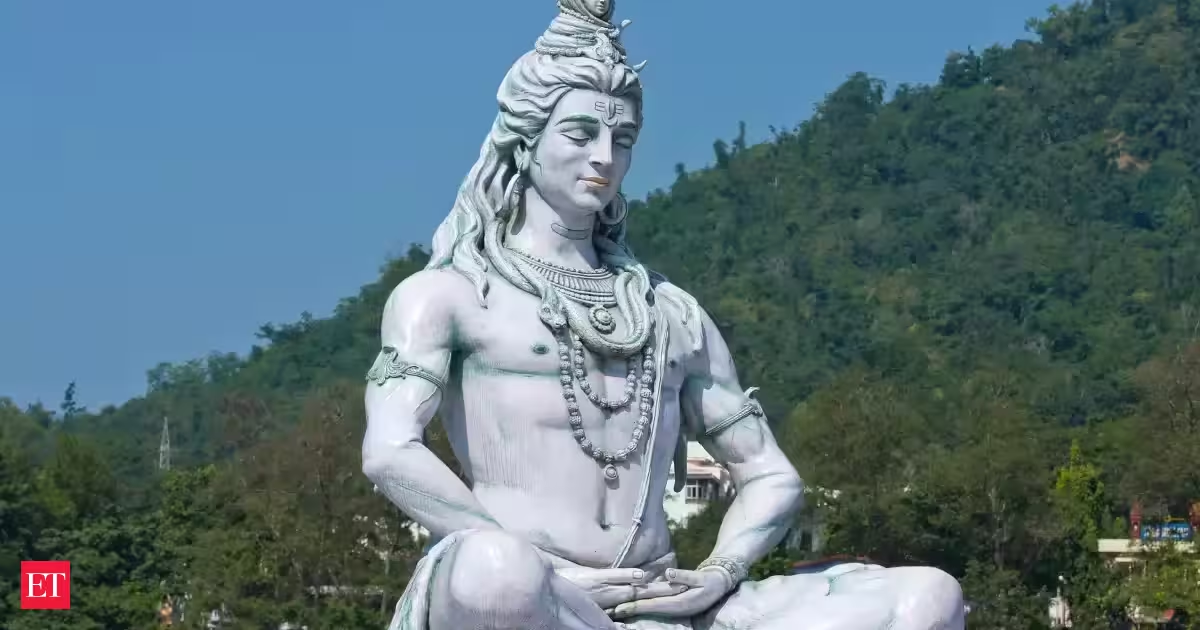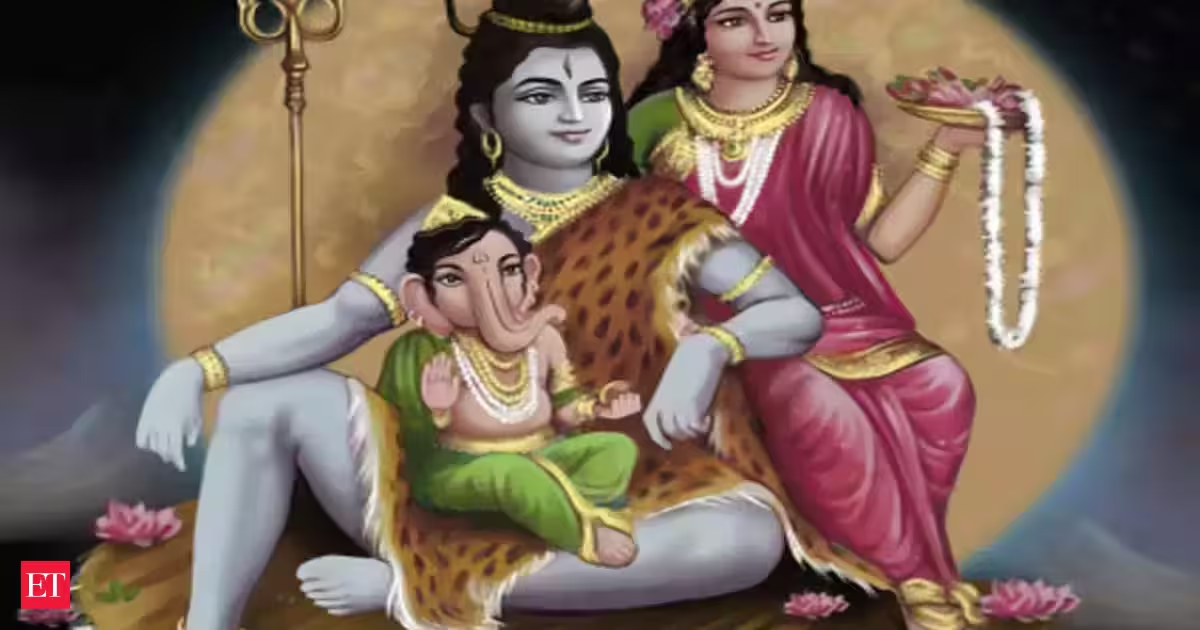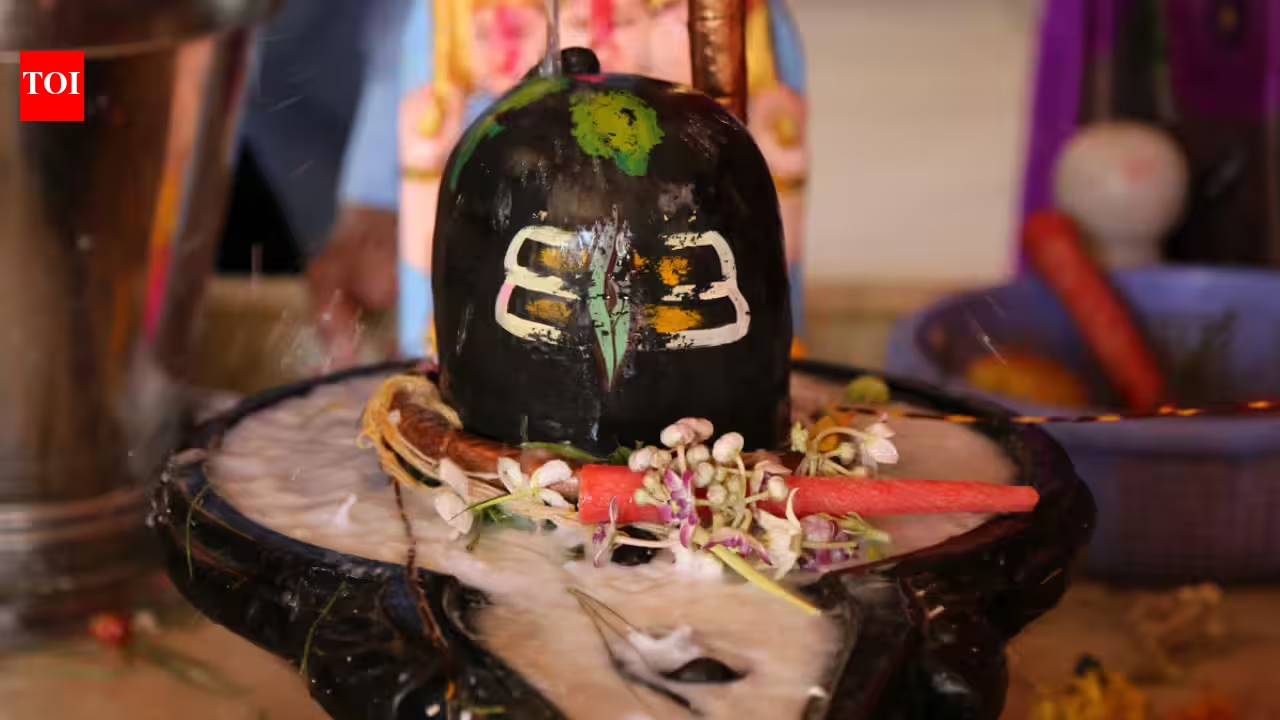
There’s a distinct kind of energy that fills the air on the first Monday of Sawan.Long before the sun even comes up, local Shiva temples are already alive. People line up with simple brass lotas, fresh water, pink flowers, and stems of belpatra. The chants of "Har Har Mahadev" drift through the early morning fog as everyone waits their turn. Some people are setting out on a full day's fast; others are just stopping by for two minutes on their morning commute before heading to the office. The prayers might look complete - y different from person to person, but the feeling behind them is exact same.This year, the first Sawan Somwar lands on Monday, August 3, 2026. It marks the start of one of the most comforting, spiritually grounded times of the year for Shiva devotees.Most of us grew up watching these traditions play out at home. Maybe your grandmother kept a strict fast every single Monday, or maybe your family kept it simple - just lighting a small diya near the home shrine, pouring a little water on a Shivling, or sitting in silence for a few minutes before starting a busy day.There’s no rigid playbook for how you're "supposed" to observe Sawan. And honestly, that flexibility is exactly why it stays so close to people's hearts.Why is the first Sawan Somwar so important?Mondays have always belonged to Lord Shiva, but when Monday falls during the month of Sawan, it feels extra special.People fast, head to the temple, or loop mantras in the background while doing house chores. Some ask for straightforward things: better health, peace of mind, or a break from a tough season in life. Unmarried folks often keep the fast praying for a loving, understanding life partner - a tradition tied back to the devotion between Parvati and Shiva.But if you ask most people, Sawan isn't just about asking for favors. It’s an excuse to pause, hit reset, and catch your breath in the middle of a chaotic life.What’s the real story behind the Shivling Abhishekam or Rudrabhishek?If you step into any temple during August, the main image you’ll see is people pouring water or milk over the Shivling. It’s iconic, but why do we actually do it?It all goes back to the story of Samudra Manthan - the grand churning of the ocean. According to the Puranas, before any nectar came out, a deadly poison called halahal bubbled up to the surface, threatening to destroy everything. To save creation, Shiva stepped in and drank the venom himself. He held it in his throat, which turned his neck blue and earned him the name Neelkanth.The poison generated immense, searing heat. So, offering cool water or milk to the Shivling is a symbolic gesture to soothe Bholenath after that sacrifice.It’s not just a routine ritual - it’s a simple act of gratitude and surrender.Water, milk, belpatra: What do they represent?Every single thing offered during a Shiva puja carries a quiet meaning:Water: The simplest offering there is. It represents clarity, humility, and letting go of your ego. You don't need fancy arrangements - just clean water and an honest heart.Belpatra (Bael leaves): The trifoliate leaf symbolizes the three aspects of creation (and Shiva's three eyes). Finding a clean, unblemished belpatra to offer is considered incredibly special.Milk and Panchamrit: Milk stands for purity and peace. Many households do a full Panchamrit Abhishek using milk, curd, honey, sugar, and ghee, often alongside Rudrabhishek chants.At the end of the day, though, Mahadev is known as Bholenath - the simple one. If all you have is a glass of tap water and a quiet prayer, that’s more than enough.A tradition that actually fits real lifeThe beauty of Sawan is that it doesn't demand you stop your normal routine. It fits right into it.You’ll see people balancing a strict vrat while running from meeting to meeting or taking care of toddlers. You'll see older folks telling stories of Shiva to kids who are just learning how to fold their hands properly.And if you can’t make it to a crowded temple because of work, traffic, or health? That’s okay too. Lighting a small lamp at your desk, listening to a Shiv bhajan on your headset, or softly saying "Om Namah Shivaya" to yourself while cooking dinner counts just as much.Faith lives in your intent, not in how long you stood in a temple queue.Simple, warm wishes to share with loved onesIf you want to send a quick text to family or friends on Monday morning, here are a few genuine messages that sound like they actually came from you:"Har Har Mahadev! Wishing you and the family a peaceful First Sawan Somwar. May Bholenath keep everyone healthy and happy.""May Mahadev give you the strength to tackle whatever's on your plate right now. Wishing you a very happy Sawan Somwar!""Sending warm thoughts your way on this first Monday of Sawan. May your home be filled with peace, good vibes, and positivity.""Hope today brings a little extra calm to your heart and mind. Have a blessed Sawan Somwar!""Har Har Mahadev! May Lord Shiva clear away the stress and pave a smooth path forward for you this month."A quiet anchor in a fast worldLife moves absurdly fast these days. We’re constantly tracking deadlines, managing family obligations, and staring at screens.Yet somehow, every monsoon, Sawan manages to carve out a little pocket of stillness.It shows up in the person waking up at 5:00 AM to visit the neighborhood shrine. It shows up in the colleague sipping warm water during their fast, or the family gathering around the home altar for evening aarti.That’s why this month still matters so much.This August 3, as the first Sawan Somwar arrives, remember that you don't need grand gestures to mark the day. Whether you do a full puja or just spend sixty quiet seconds in thought, the heart of Sawan remains the same: simple, peaceful, and deeply personal.
First Sawan Somwar 2026: The story behind Shivling abhishekam, significance of Rudrabhishek and why August 3 is sacred for bhakts of Mahadev
There’s a distinct kind of energy that fills the air on the first Monday of Sawan.
986 words~4 min read