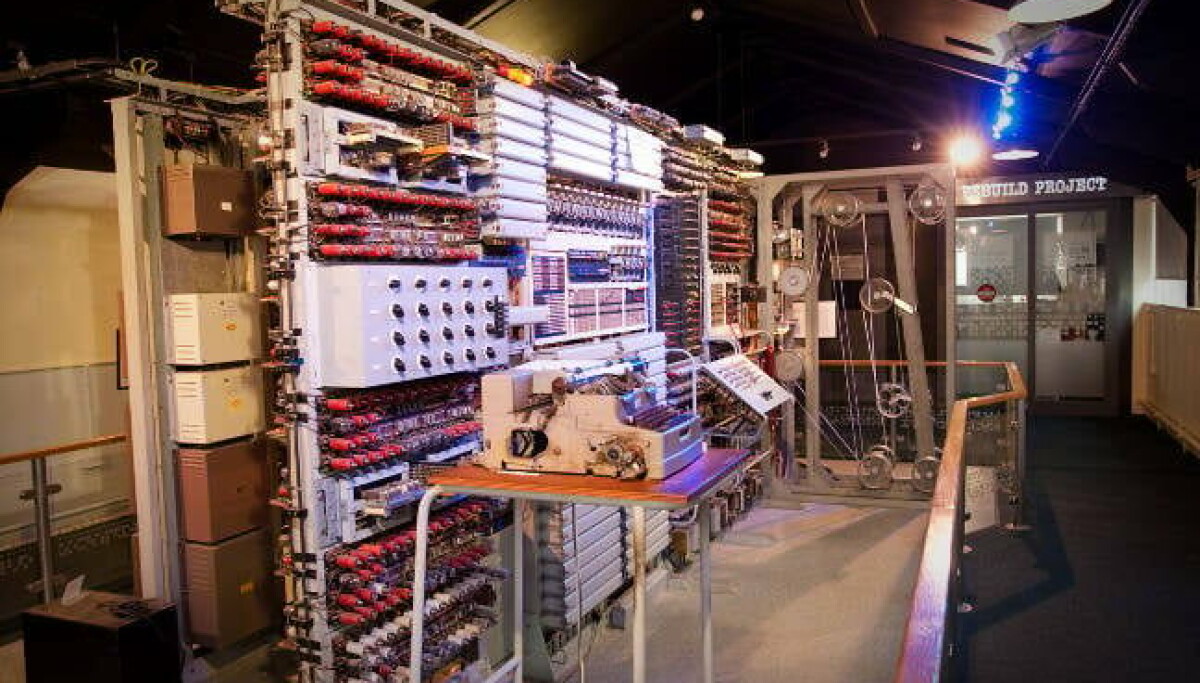
OPINION The UK's National Museum of Computing at Bletchley Park (TNMoC) is a natural center of digital archaeology. It has restored, recreated, and documented landmark machines, from the wartime Colossus computer through to British mainframes of the '60s and '70s. Its collection from the dawn of the microprocessor age also attracts those who live to investigate such things. LLMs, still in their metaphorical diapers, might not sound like a good fit for the hallowed huts. But boy, are they ever.
TNMoC has a YouTube channel, and puts out guest talks from anyone with something interesting to say about industry history. These include subspecies of retro geek who reverse-engineer long-abandoned systems, chips, and backwaters of digital history. They thoroughly deserve the sobriquet of digital archaeologists, as they display the profession's expected love of the obscure and the skills required to understand it properly. Their talks bear comparison with reverse-engineering presentations at DEF CON and Black Hat, peeling back layer after layer of mystery to reveal something unlikely ever to affect most of us.Of late, the TNMoC digital archaeology talks have rather suddenly sprouted a new theme – LLMs demonstrating surprising prowess in the art and science of rebuilding the past. One such was bringing Inmos Transputer systems back to life by designing an accelerator for the Acorn Archimedes, the first Arm-based computer. Retro's like that.