The last century was fueled by oil and gas. Turner Caldwell is betting the next century runs on metals.
“We’re entering a metals-driven economy,” said Caldwell, CEO and cofounder at Mariana Minerals, a software-focused mining startup. “Lithium and copper are going to be core, but our mandate needs to be broader than that. We’re starting to chase aluminum, which goes into lightweight alloys and plays a major part in the electrification of the economy. We’re looking at magnesium, nickel, cobalt, manganese, uranium, and rare earths. The beauty of the software backbone we’re building is that we’re architecting it to be as generalizable as possible for all the metals the modern economy depends on.”
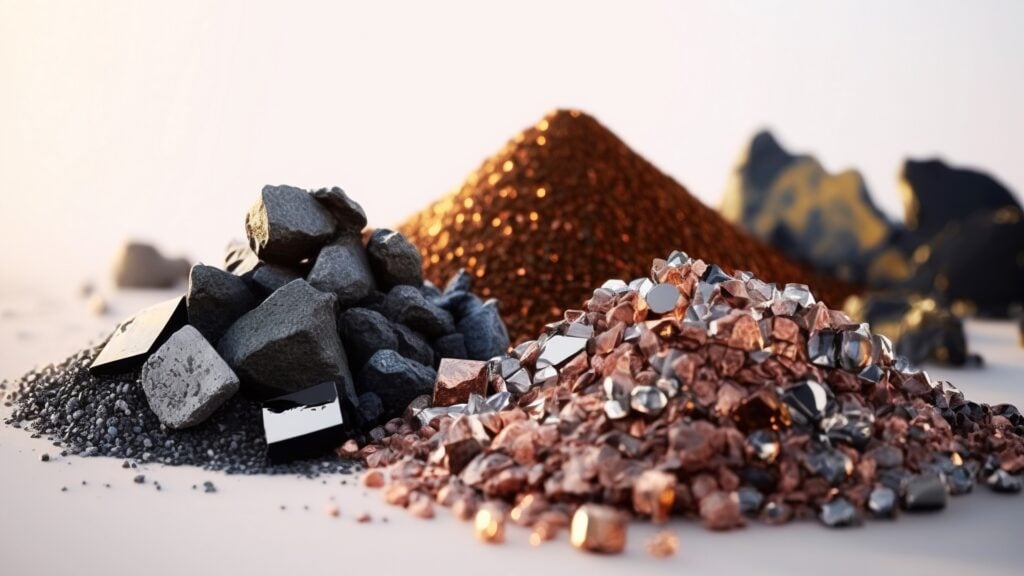
Metals are the unseen but ubiquitous foundation of our economy (and our world) as we understand it. Power grids and motors guzzle copper. EV batteries don’t exist without lithium. Aluminum builds power lines, planes, and cars. The list goes on: steel is the skeleton of the building you’re sitting in right now, and even metals you never think about—like germanium—are irreplaceable in the chip powering the phone in your hand.
And now, the supply chain powering our phones, transportation, and electricity is endangered: China dominates global mining and controls as much as 90% of critical minerals processing worldwide (this number for rare earth magnets manufacturing—essential for smartphones and defense applications—goes up to 92%). The U.S. is locked in what’s been widely described as a critical minerals chokehold, developed through decades of price-cutting Chinese industrial policy and American industrial decline. So, the supply chain is high-risk, and even high-volume essential minerals like copper and lithium can get wildly expensive.