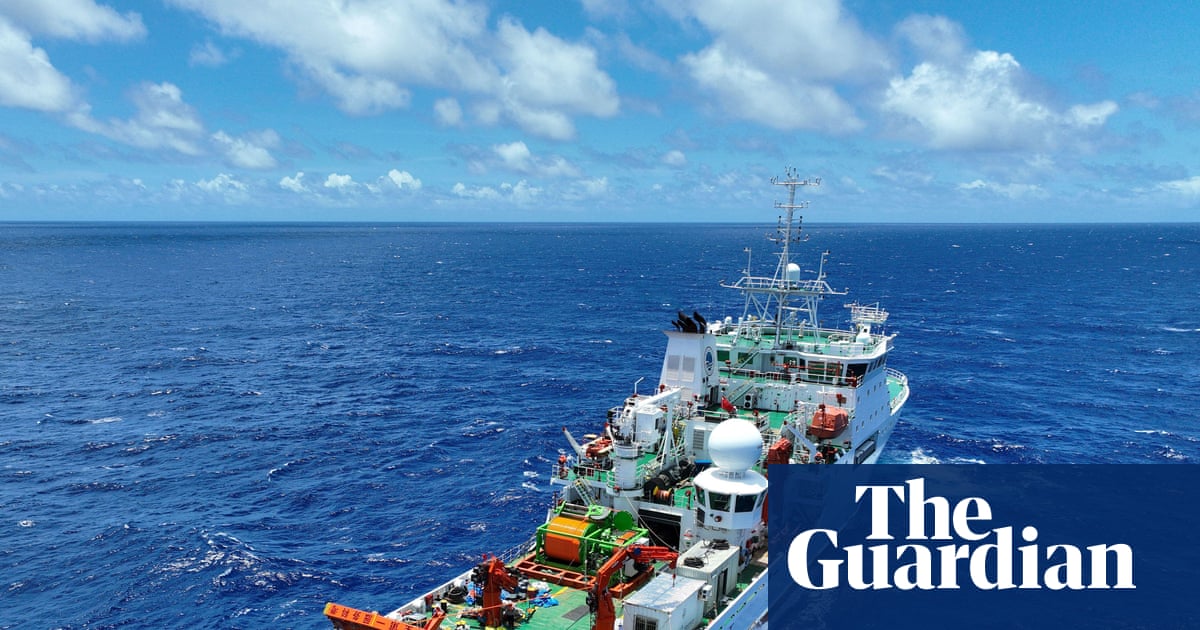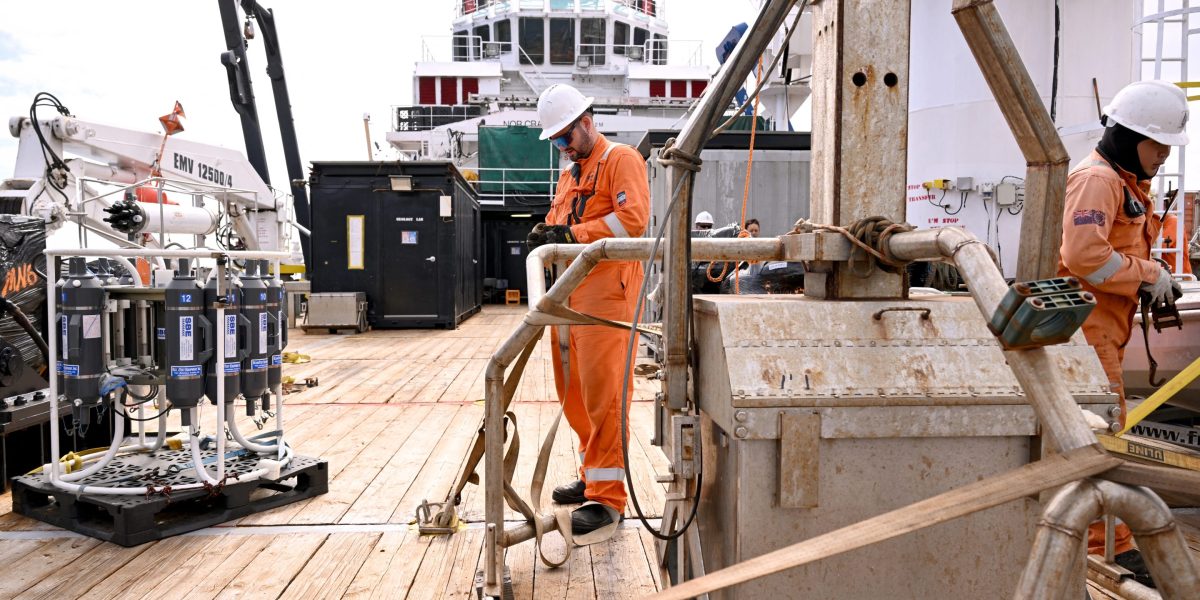
The next frontier in the AI arms race may be a couple miles beneath the Pacific Ocean.
Minerals like copper and cobalt are in high demand thanks to the $700 billion AI infrastructure buildout. Microsoft’s 80-megawatt Chicago site, for example, required 2,100 tons of copper alone. Nickel, cobalt, and lithium are needed for the batteries that power data centers. Rare earths are critical to powering the magnets in server fans and hard drives that keep AI systems up and running.
The problem is that most of these minerals are mined or processed by the U.S.’s main geopolitical competitor: China. The country is the leading refiner for 19 out of 20 of the most important strategic minerals, with an average market share of 70%, according to the International Energy Agency.
Without a new source of minerals, the U.S. faces a precarious dependence on China for the raw materials underpinning its technological and economic future. If left unaddressed, that vulnerability could hand Beijing enormous leverage over American industry for decades to come.
The Trump administration has taken notice of this resource dilemma. In 2025, President Donald Trump signed an executive order directing the Department of Commerce and other agencies to pursue the exploration and exploitation of deep-sea resources.