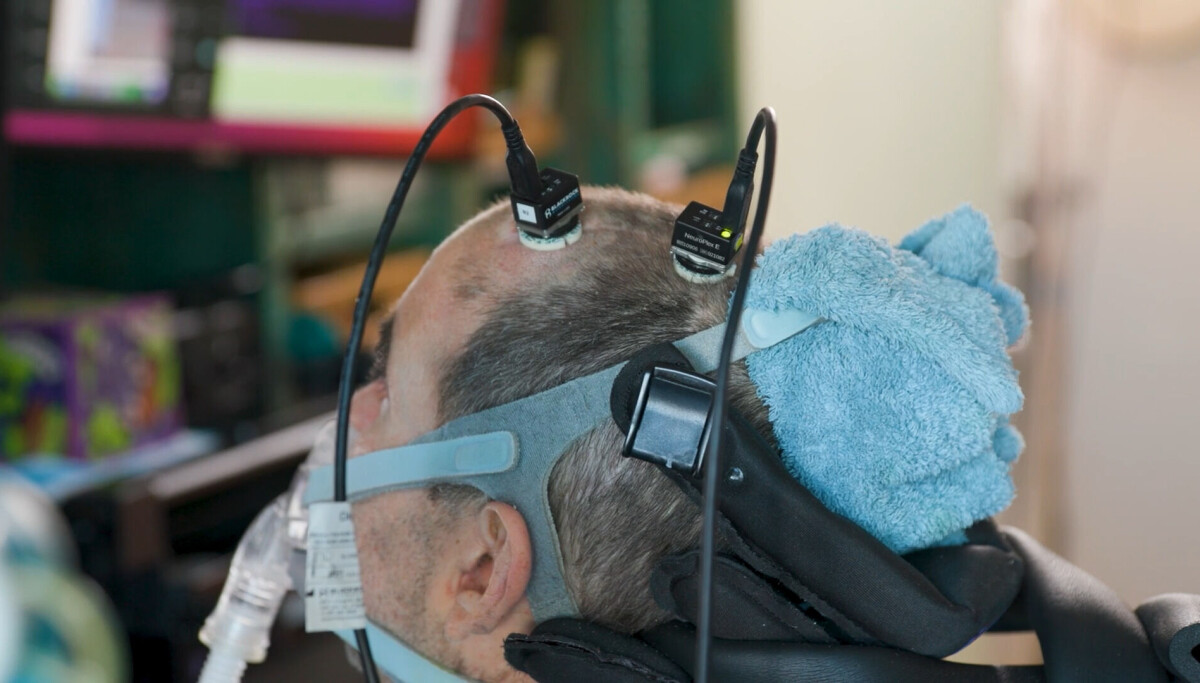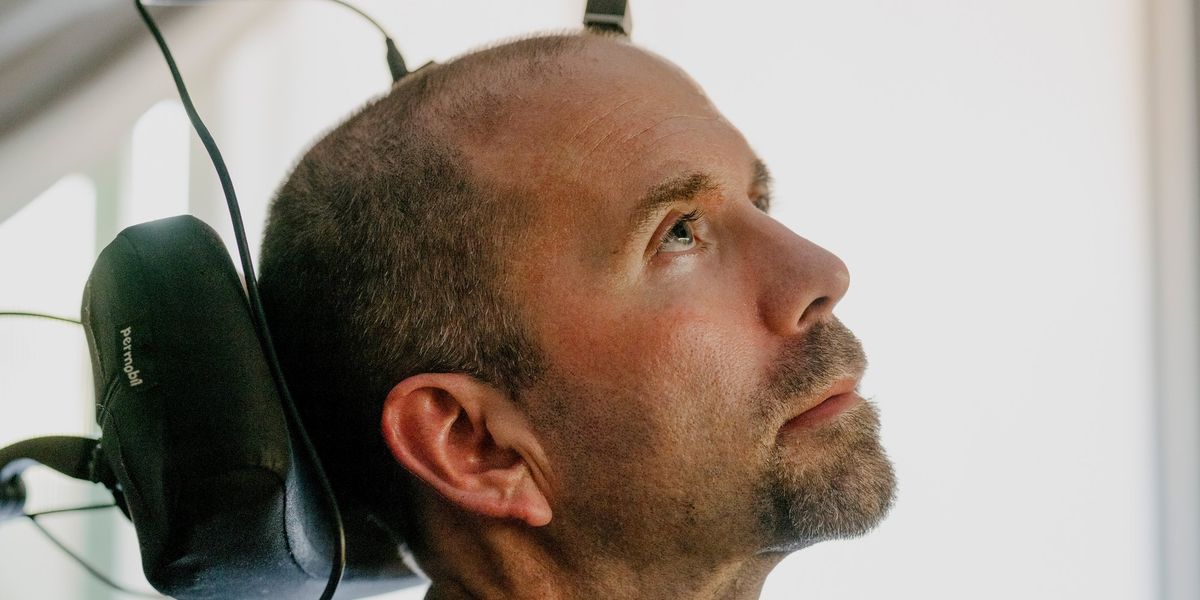
I have delivered ALS diagnoses. I know the exact weight of those words, the way the room changes when a person hears them, and the composure and presence a physician is trained to maintain. I spent nearly a decade in medical training learning how to sit across from someone and explain, gently but honestly, what their future might look like with a progressive, fatal disease that today has no cure.
Then I found myself where I never expected to be: on the other side of that conversation.
I grew up in South Florida and was the first in my family to pursue higher education. I became a neurologist and landed my first attending position at UC Davis. I was seeing patients, conducting research, and finally beginning to live the life I had worked so hard to build. I cooked and baked for everyone I loved. I swam, practiced yoga, and biked everywhere.
Then, in the fall of 2023, I noticed weakness in my right hand. Then my left. Then my voice changed.
As a neurologist, I knew what the signs might mean. But it still took two years before I received a formal ALS diagnosis. That is unfortunately the norm for this condition for several reasons: unfamiliarity with the signs and symptoms, discomfort with the finality of the diagnosis, or just the difficult process. Even for the well connected and well insured, it can take several months of waiting for tests and shuffling around to various specialists to get answers, as anxiety eats away at your mind and spirit. During this period, I continued working full time while harboring this great uncertainty.