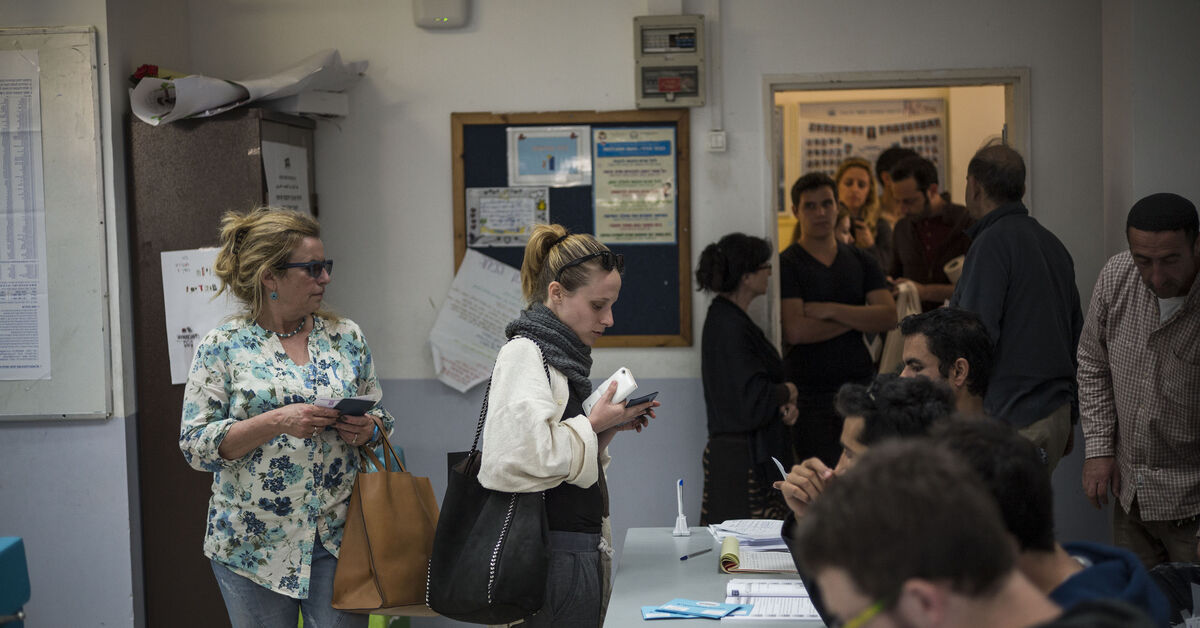
Israeli politicians are already preparing for parliamentary elections that could close the country’s most difficult period in recent decades. For now, however, it looks more like a war of all against all, especially within the ruling coalition. The votes of new immigrants from Russia and Ukraine could prove decisive — both for Israel as a whole and for incumbent Prime Minister Benjamin Netanyahu.Contents1.The role of the “Putin aliyah”2.The dissolution of the Knesset3.Voter doubts4.The conscription law and the threat of impeachment5....And other contentious legislation6.Blocs and coalitionsThe role of the “Putin aliyah”Given the peculiarities of Israel’s electoral system, just a few seats could decide the outcome of the country’s upcoming Knesset elections, scheduled for Oct. 27. The “seat value” varies from election to election depending on turnout and votes cast. In the last Knesset elections in 2022, one seat was worth approximately 35,000–39,000 votes. The electoral threshold is 3.25% (approximately four seats). In this setup, the votes of Russian-speaking voters could once again prove decisive. This refers primarily to the so-called “Putin aliyah” — the wave of immigrants who came to Israel from Russia following the annexation of Crimea in 2014 and the start of the war in Ukraine in 2022. But it also includes immigrants from Ukraine and other former Soviet republics.According to estimates by Israeli media, this amounts to roughly 250,000 people. Even after taking into account the fact that some new immigrants left Israel after obtaining citizenship, and that others are not of voting age, the figure may still translate into roughly three to four Knesset seats. The competition for those votes has already begun.“People form norms and habits, and it is very hard to change their minds. Even when reality changes, they adjust their internal priorities to maintain the same voting patterns. For example: ‘Likud is terrible on religion and state issues, but I vote for them out of security considerations.’ That is why the new immigrant community is worth its weight in gold. The vote of this audience in the upcoming elections could set a trend for decades,” political psychologist Dr. Hagay Elkayam-Shalem told Haaretz.The votes of recent immigrants are worth their weight in gold, as they could set a trend for decades
Exodus polls: Russian immigrants to determine Netanyahu’s future
Israeli politicians are already preparing for parliamentary elections that could close the country’s most difficult period in recent decades. For now, however,…
3,486 words~16 min read