(Image credit: Future)
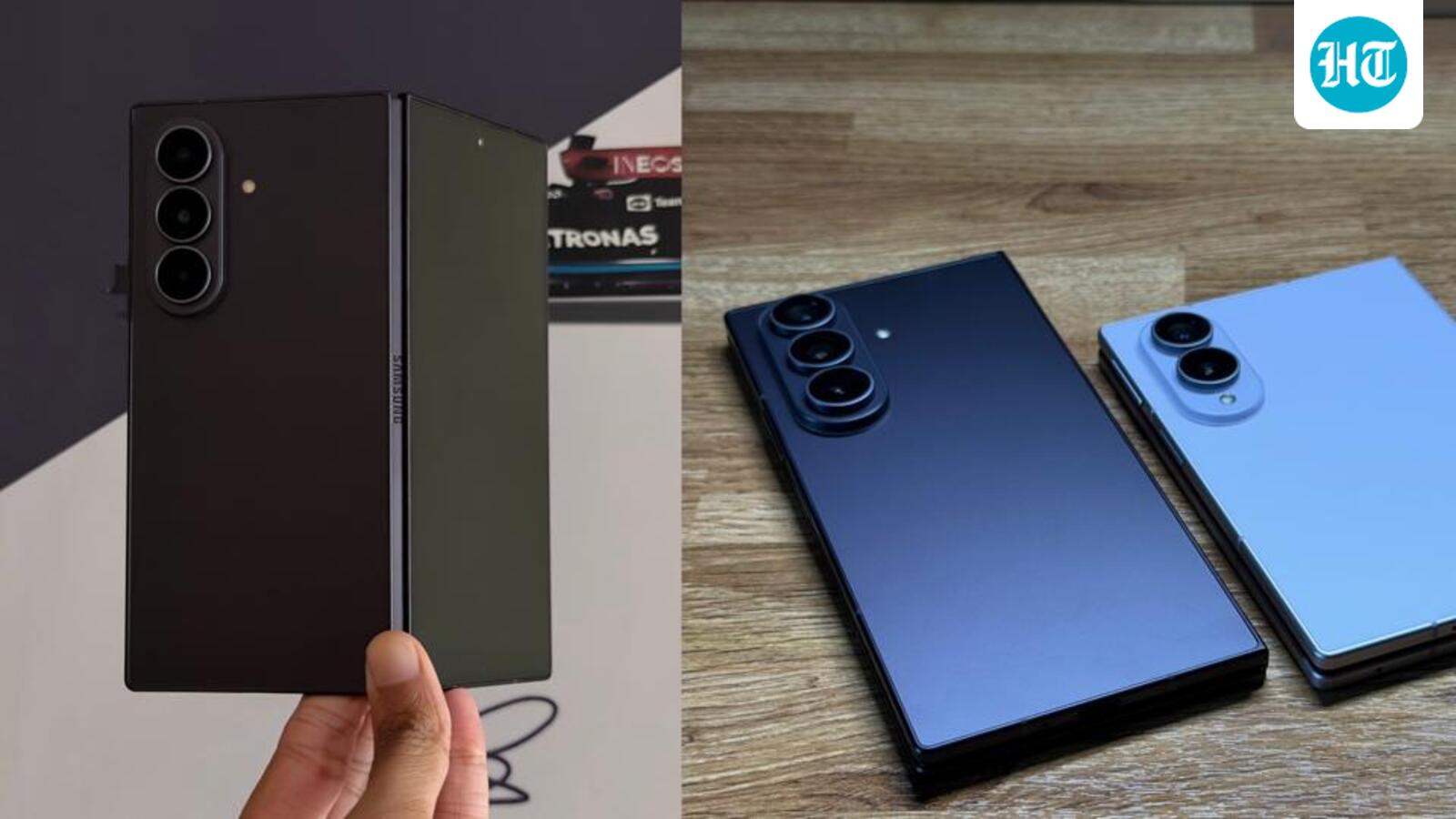
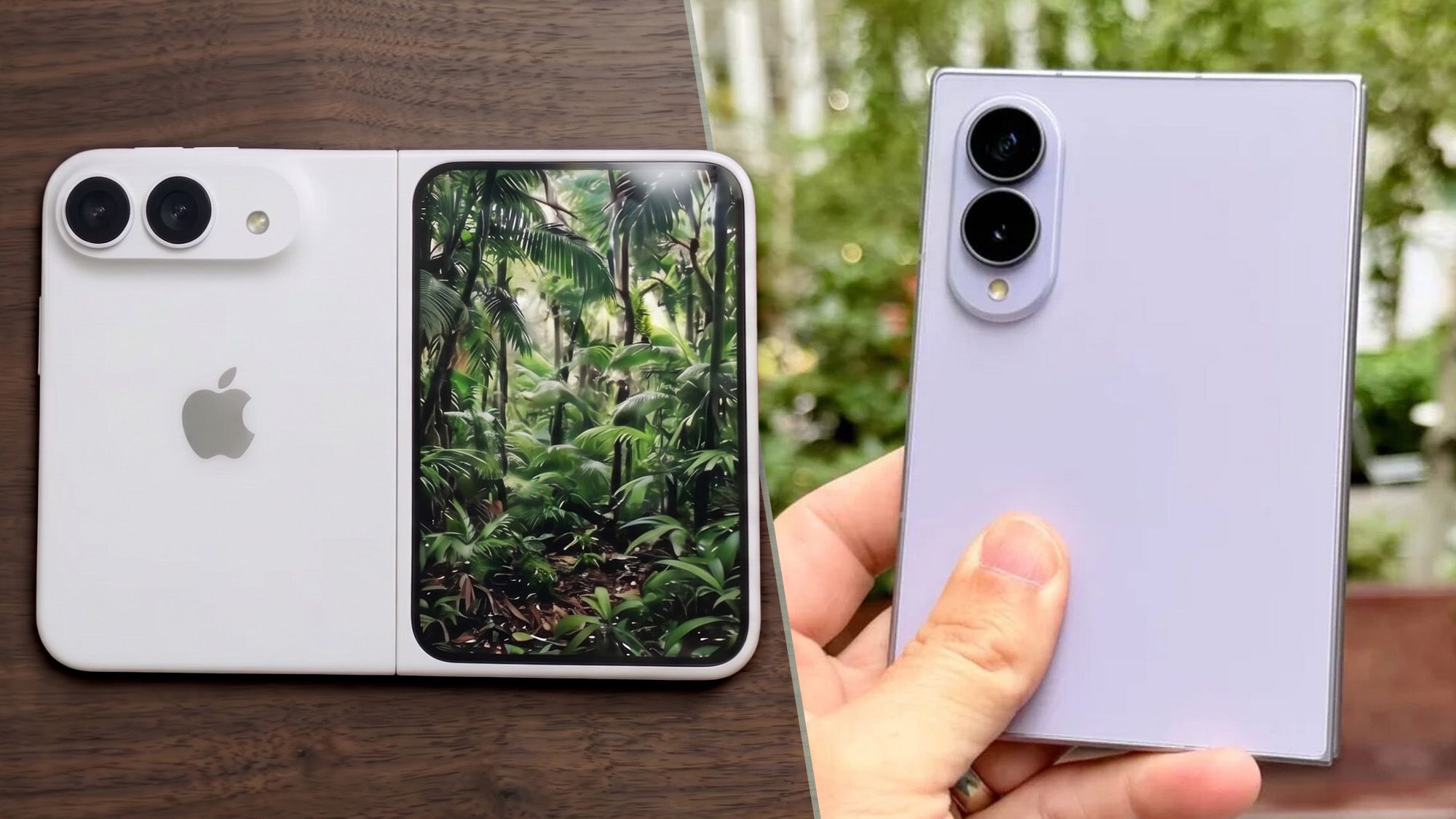
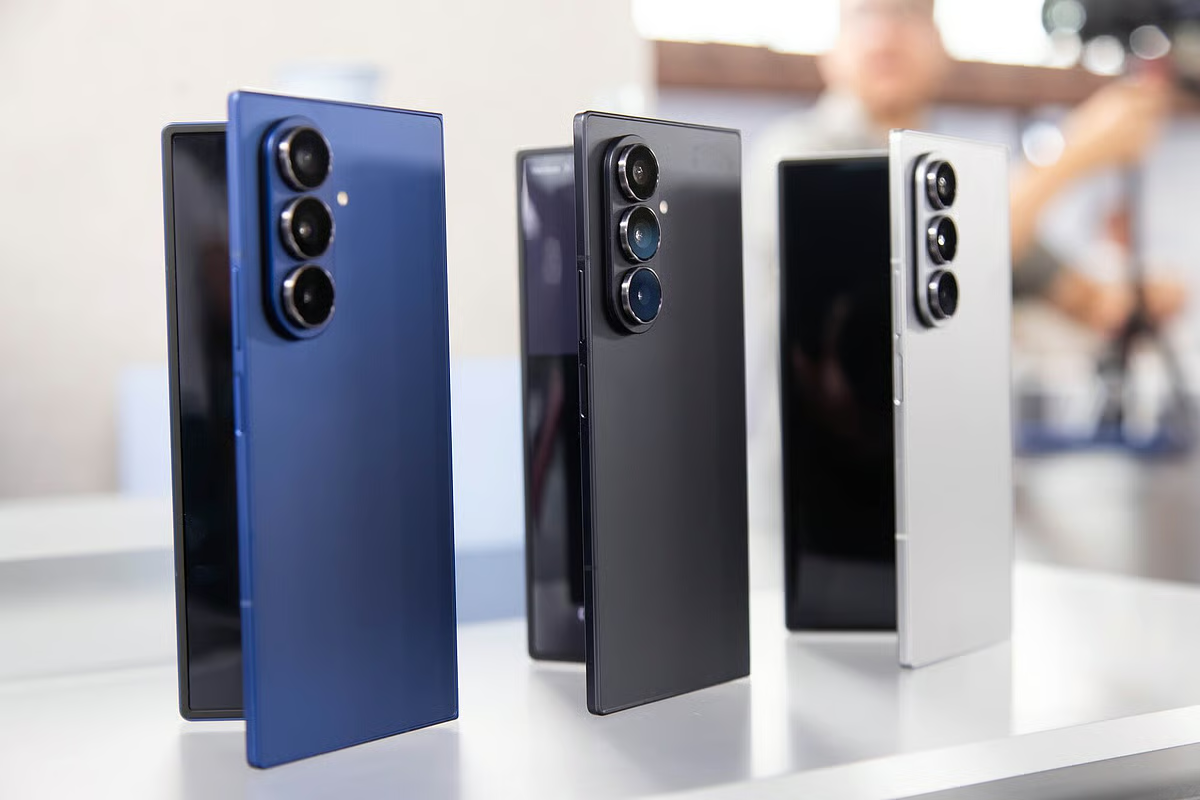
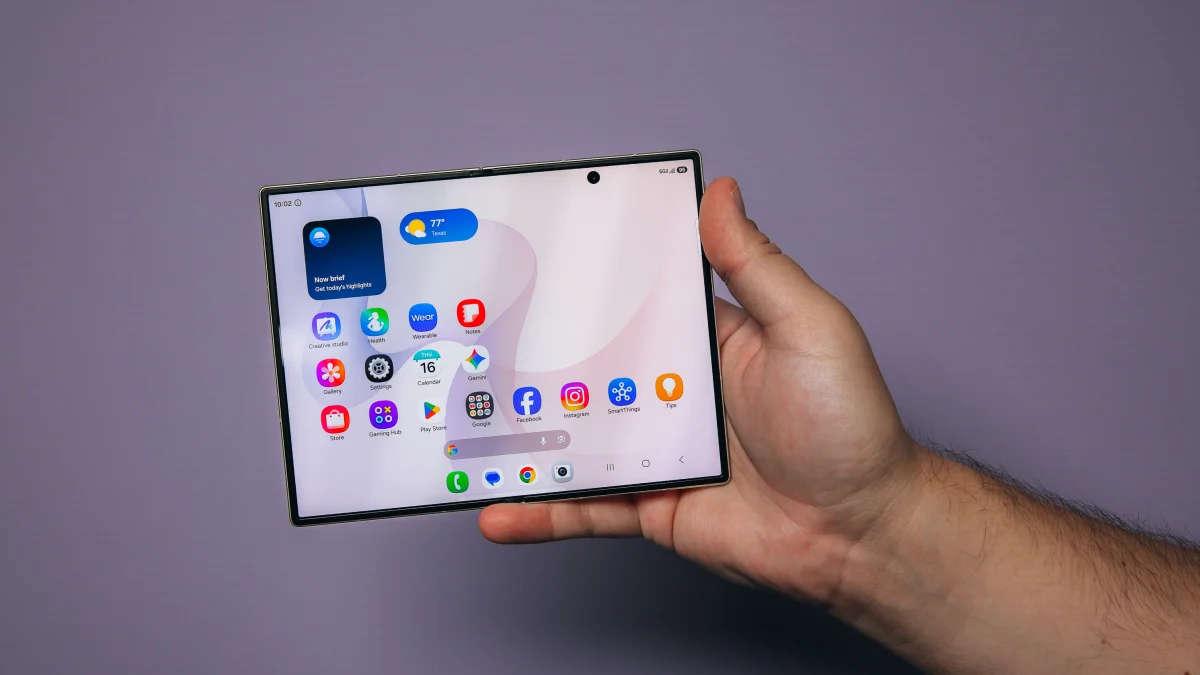
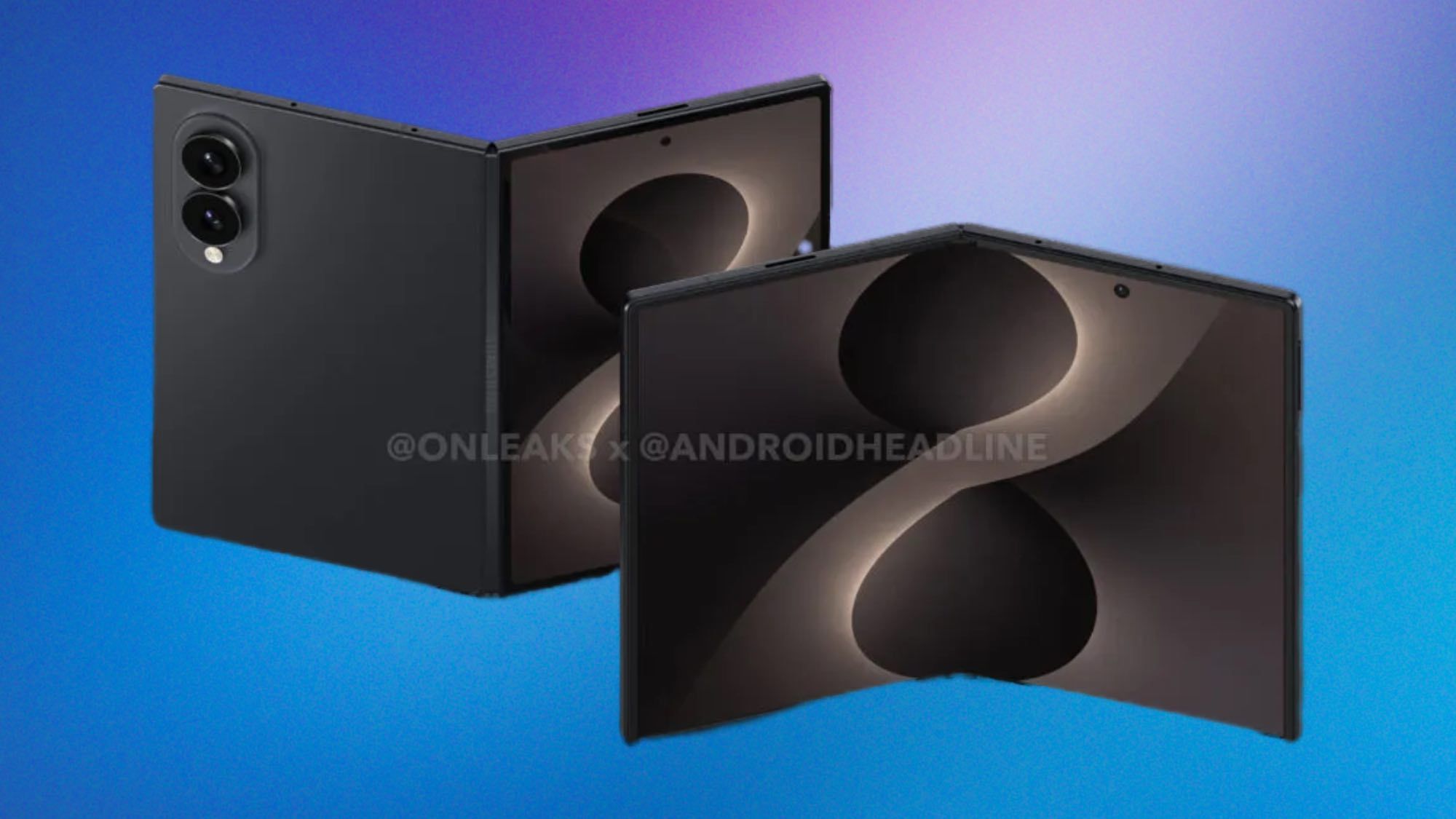
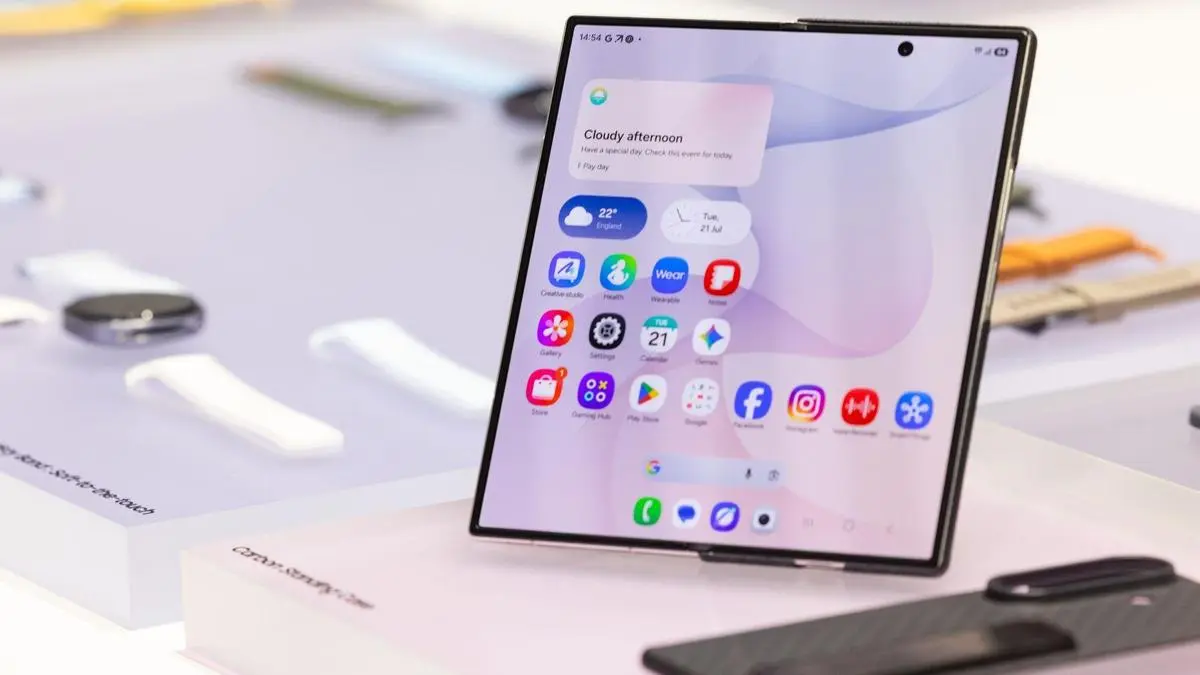
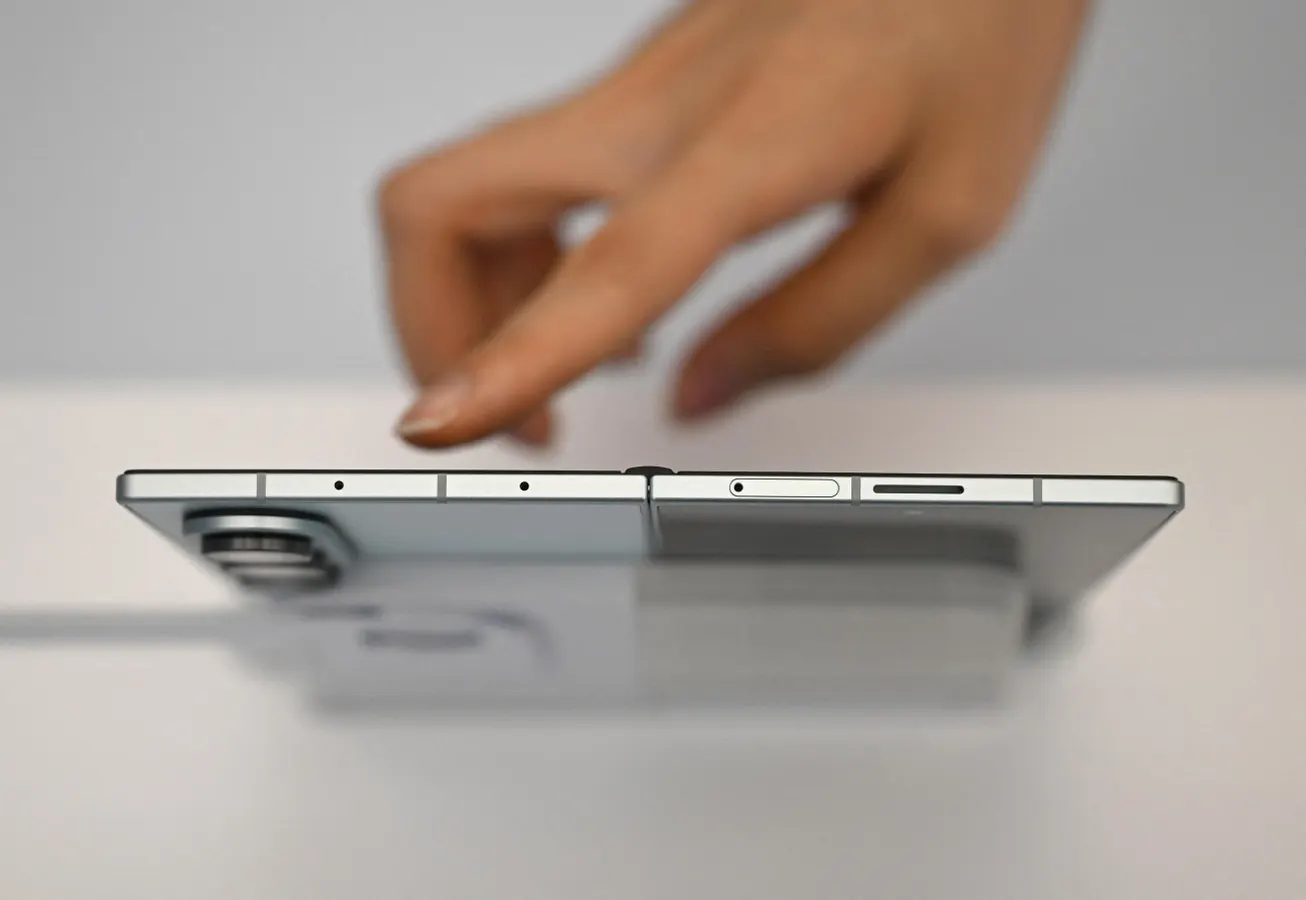
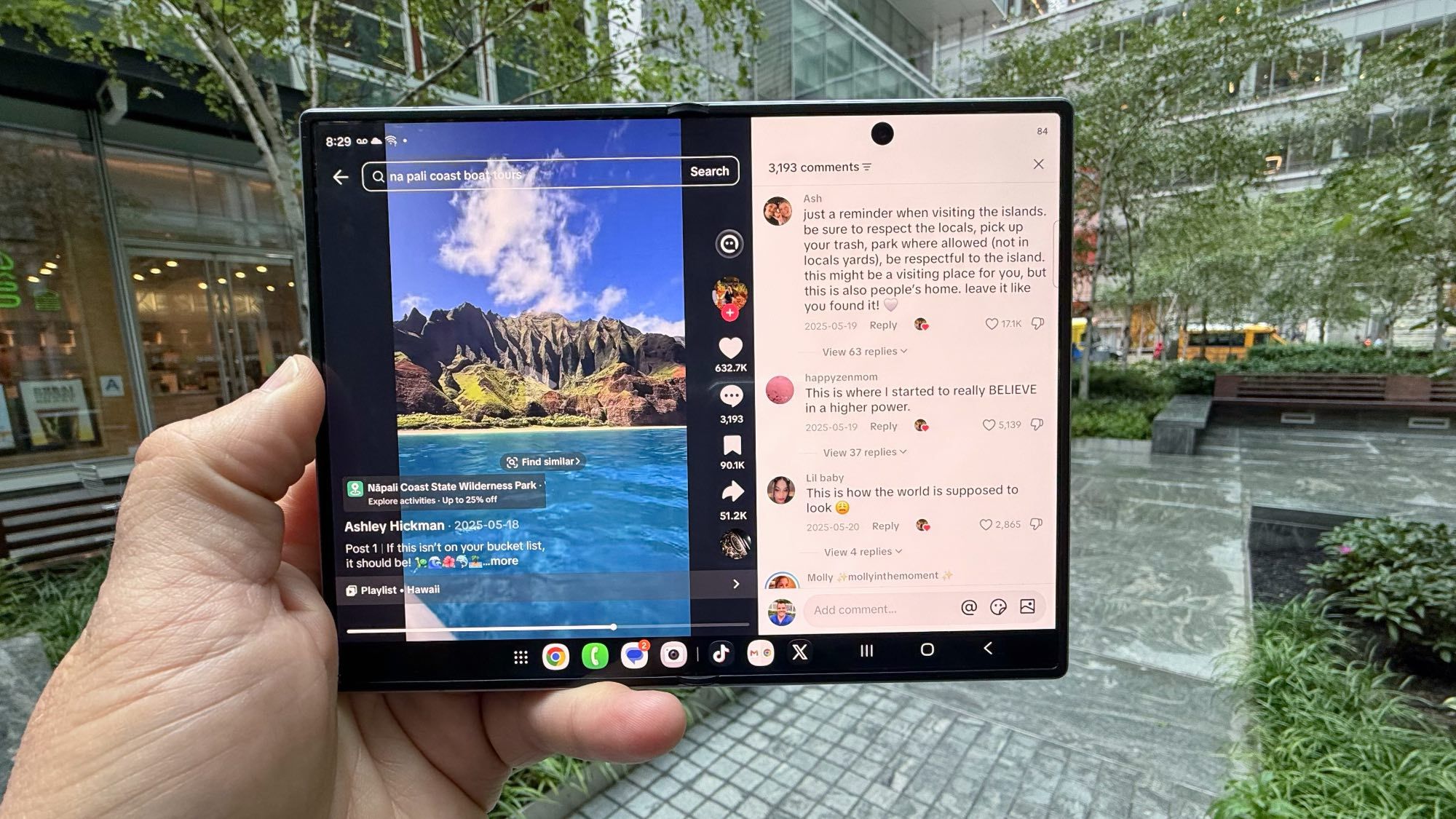
After putting the Galaxy Z Fold 8 and Z Fold 8 Ultra to the test, there’s no denying that Samsung continues to make some of the best foldable phones around. While the Ultra boasts better specs and performance, it’s the wider aspect ratio of the standard Z Fold 8 that continues to feel like the fresher of the two.Yet, despite evolving the designs to be thinner and lighter — along with creating a much more subtle crease across their displays — there’s still one major problem that Samsung and Google have yet to solve properly: app scaling and dynamic layout adaptation.Rumors are persistent that Apple will announce its highly anticipated iPhone Ultra foldable alongside or shortly after the iPhone 18 Pro lineup. While much of the industry's focus remains on engineering a nearly invisible display crease, Apple's upcoming foldable could ultimately beat its rivals in the area where Apple shines most: delivering a class-defining software experience.If Apple wants to avoid the biggest trap in the foldable space, it must deliver a fluid, tablet-native UI transition system — and Samsung’s current lineup is proof of it.Apple has already proven the importance of software over hardware