A cab ride from Midtown Manhattan to New York’s John F. Kennedy International Airport today costs about $100, takes between 45 minutes and two hours—traffic depending—and includes up-close views of the soot-covered trash dotting the Van Wyck Expressway.
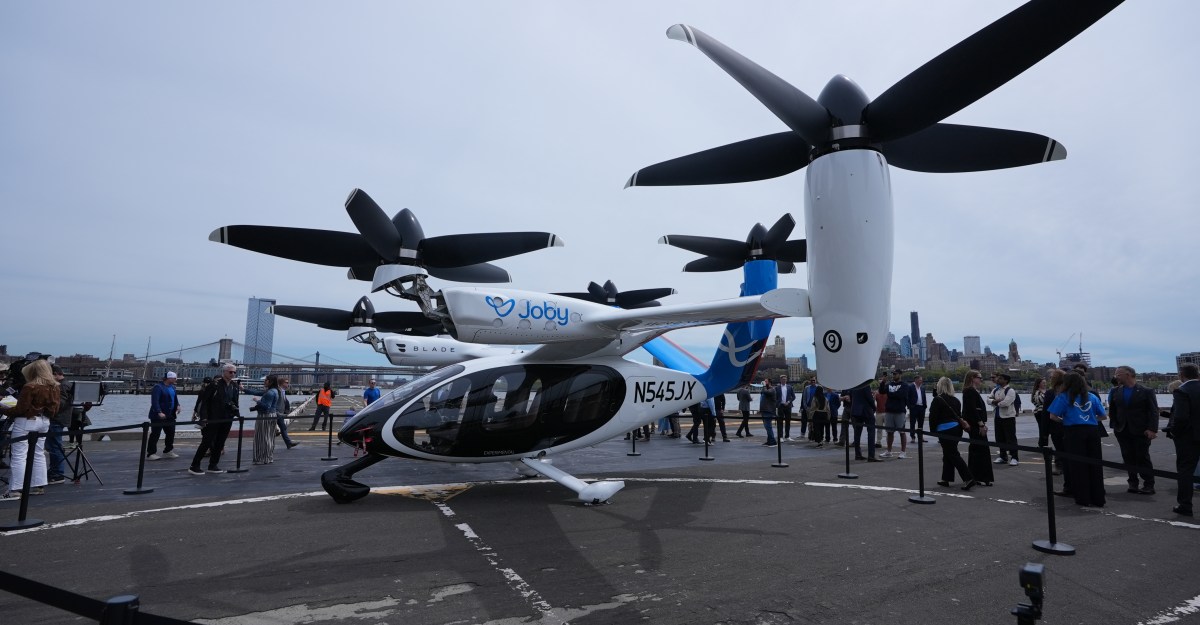
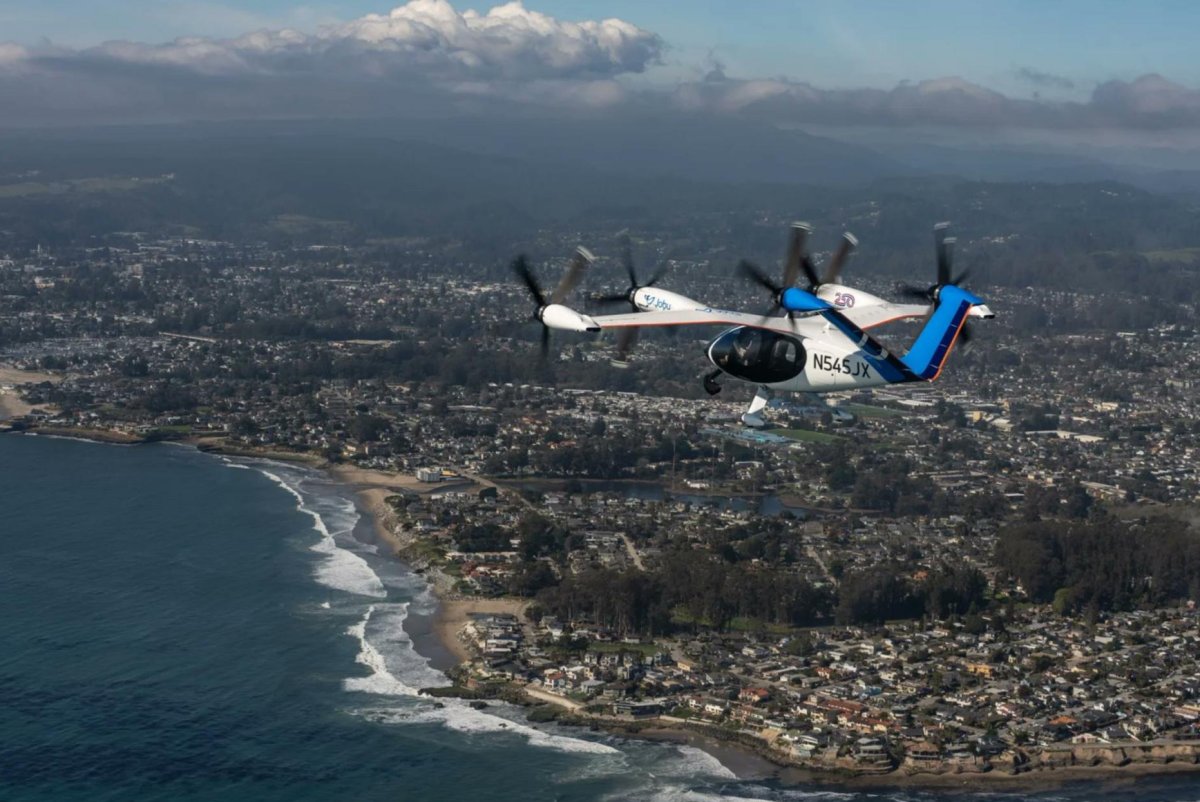
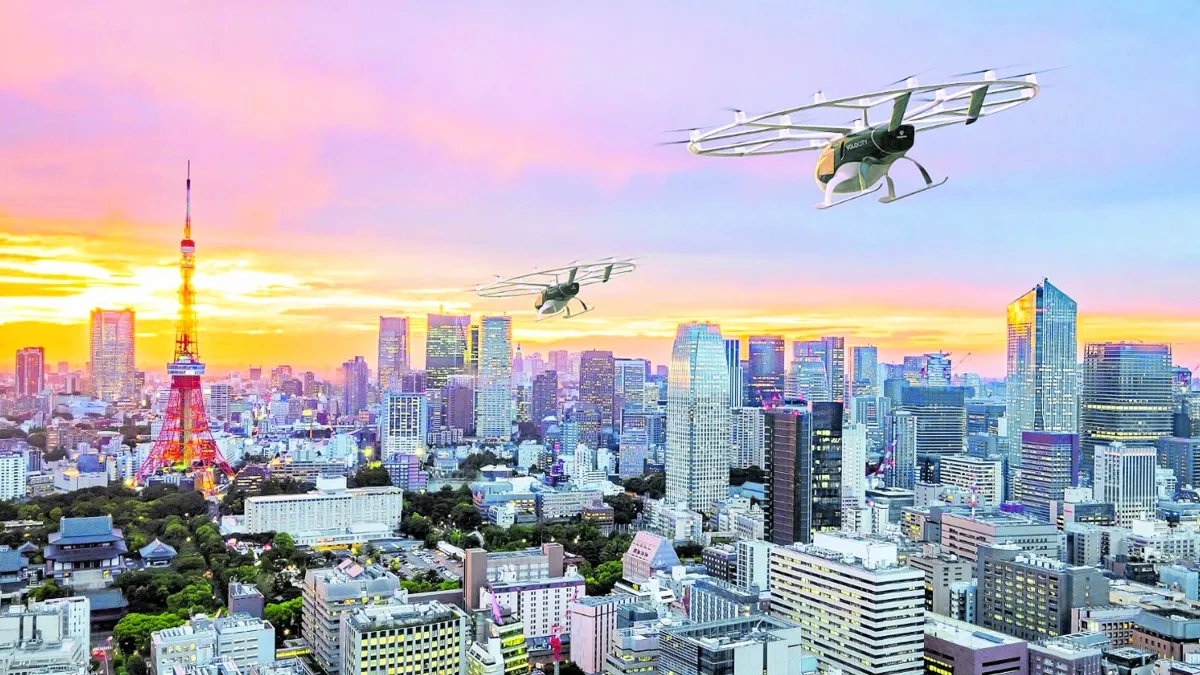
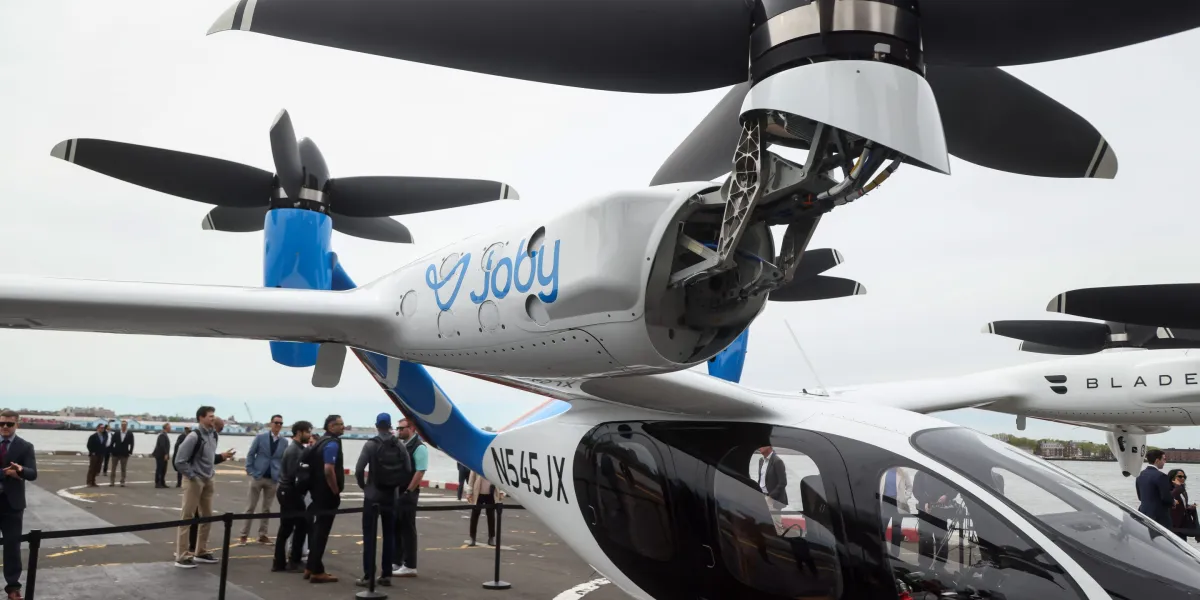
Paul Sciarra, executive chairman of Joby Aviation, thinks it’s time for an upgrade: A traveler will soon be able to make the same journey in less than 10 minutes, he says, all while enjoying views from more than a thousand feet up in the sky. Eventually, it will cost about the same, too.
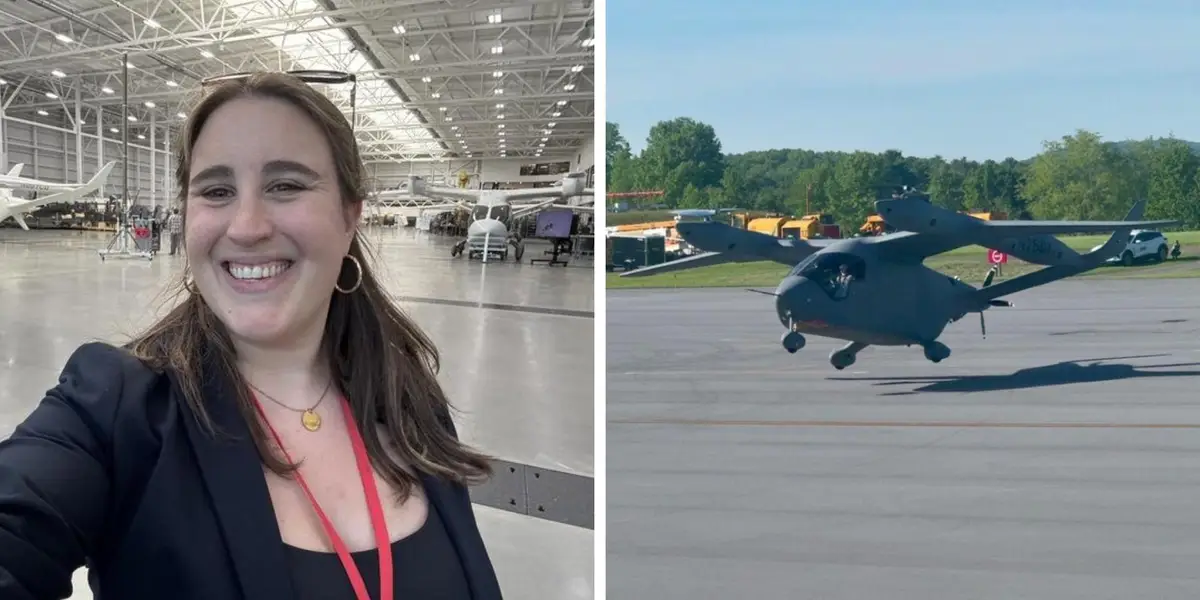
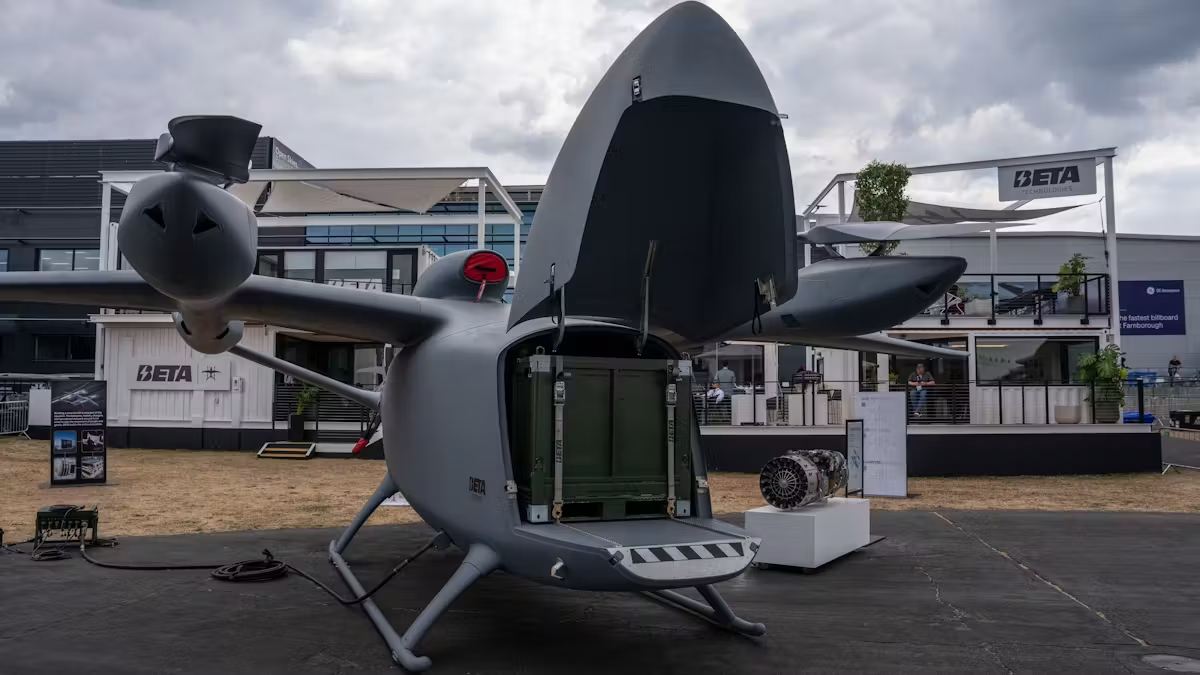
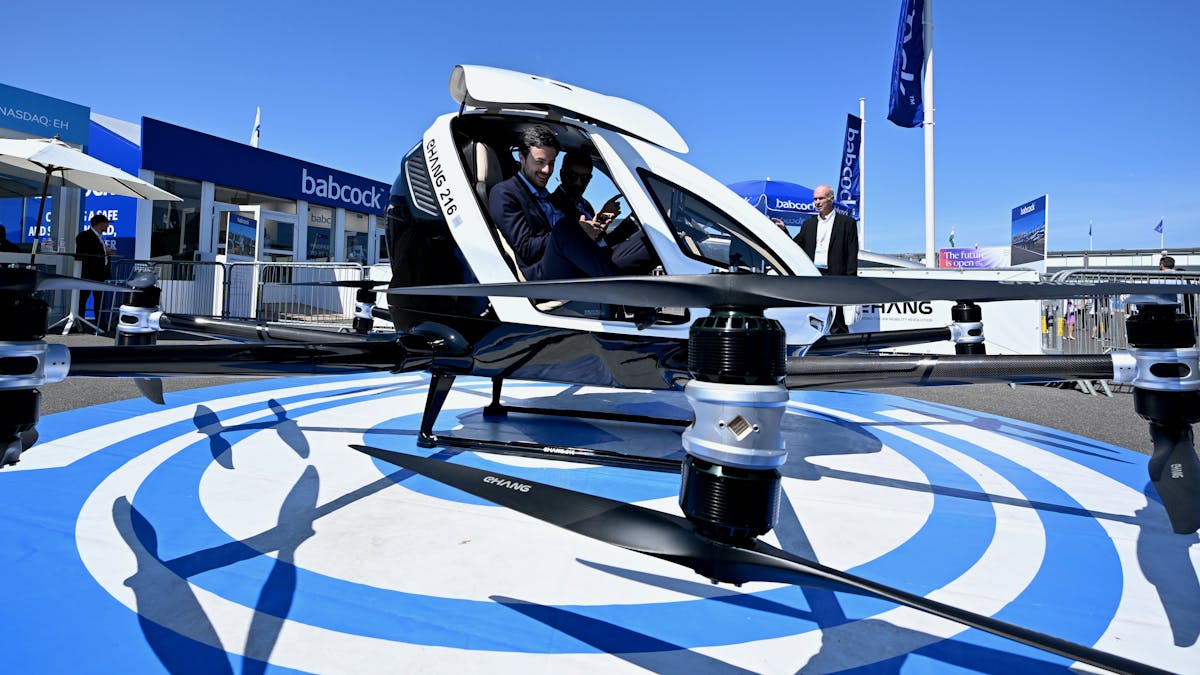
Air taxis are closer than ever to becoming a reality thanks to a confluence of new technology, competition, and regulatory developments. Starting this summer, a series of federally sanctioned pilot projects across the U.S. will let Joby and several other companies developing a new breed of all-electric aircraft start carrying cargo, then passengers, in real-world tests. If successful, the trials could open “another axis of transportation” that can bypass physical geography such as mountains and human-created boundaries like traffic, says Sciarra.
The government’s online announcement of the pilot program included a short video clip from The Jetsons, the 1960s cartoon series that instilled flying cars in the public imagination. Outside of cartoon land, however, the notion of boarding an exotic new flying machine—particularly one not yet certified by the Federal Aviation Administration—might not reassure a wary public.