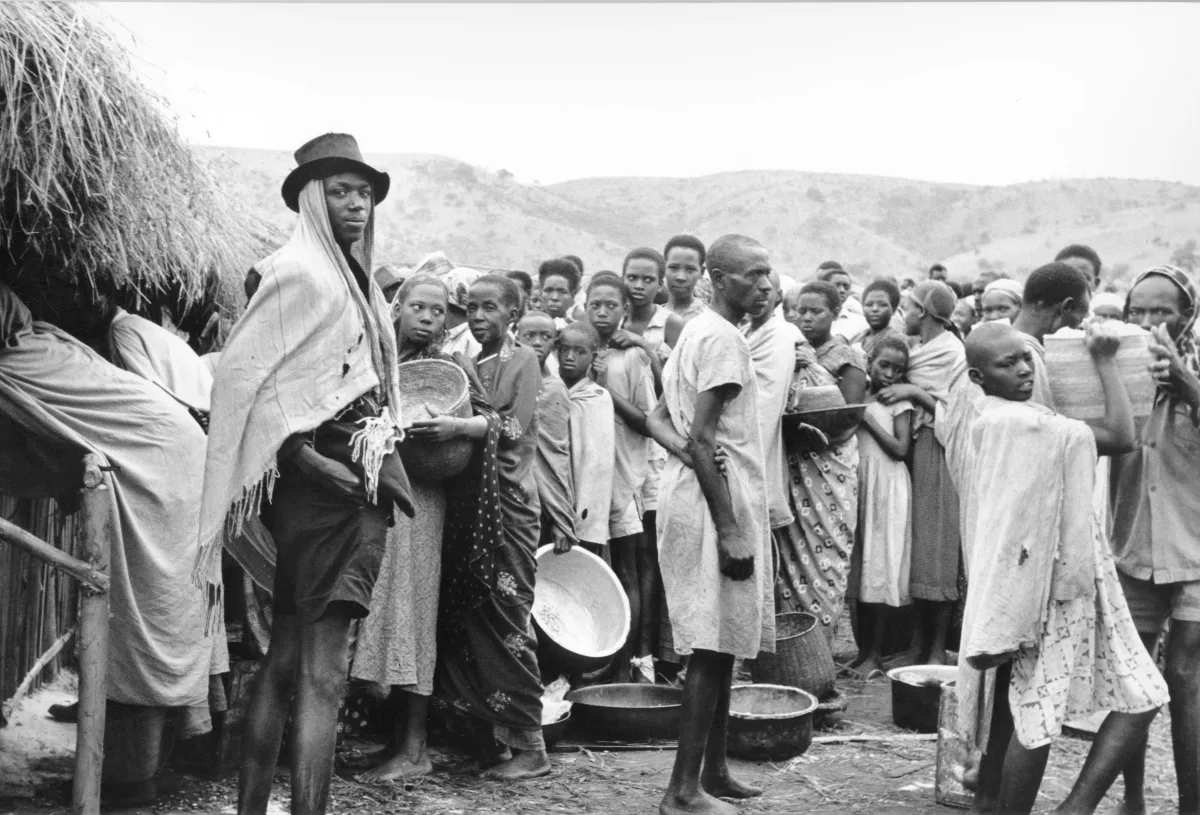
Tuesday 28 July marked 75 years since the 1951 Refugee Convention was adopted at a United Nations conference in Geneva, with Britain among the states that negotiated and shaped it.
The anniversary raises a question for the British government: whether it has ever confronted its role in creating the world's longest-standing refugee crisis.
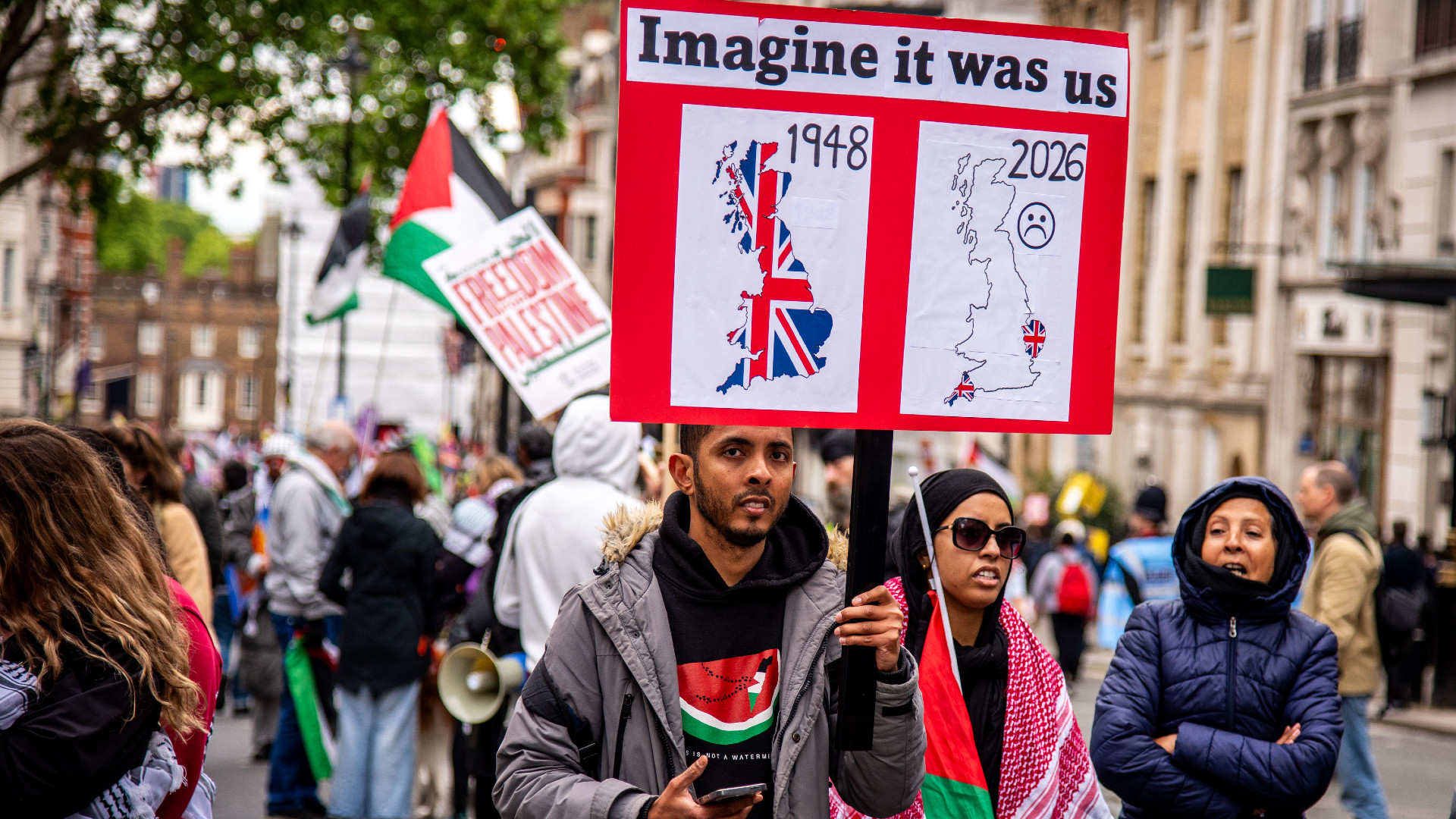
The occasion carries an uncomfortable irony. That same convention ultimately left Palestinian refugees - the population whose displacement was shaped in significant part by British policy - outside its ordinary protection through a separate legal regime.
I have spent a large part of my career studying how international law shaped Palestine, from the origins of the conflict to the rights of its refugees.
One principle runs through all of it: legal obligations do not lapse because they become inconvenient.