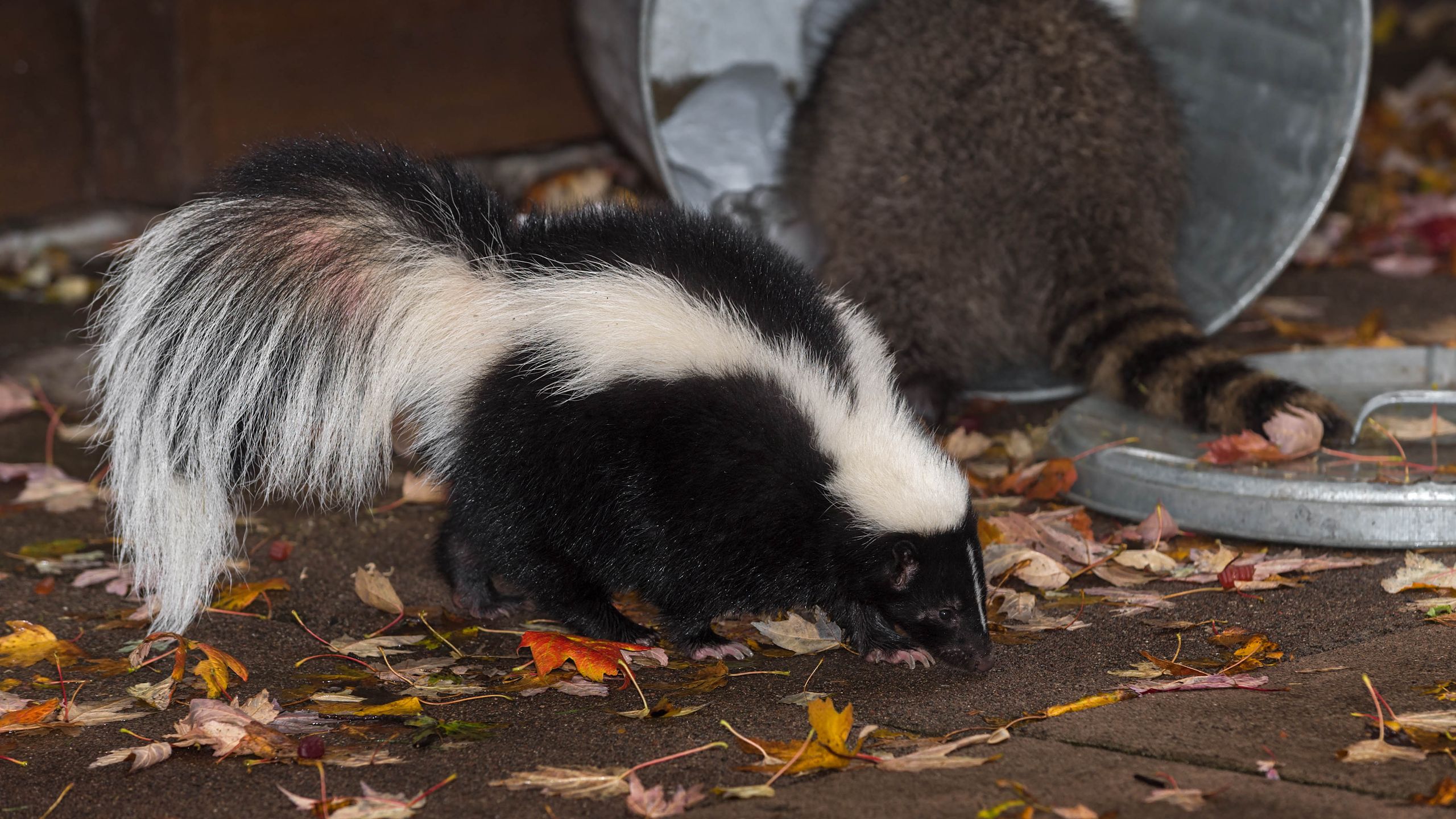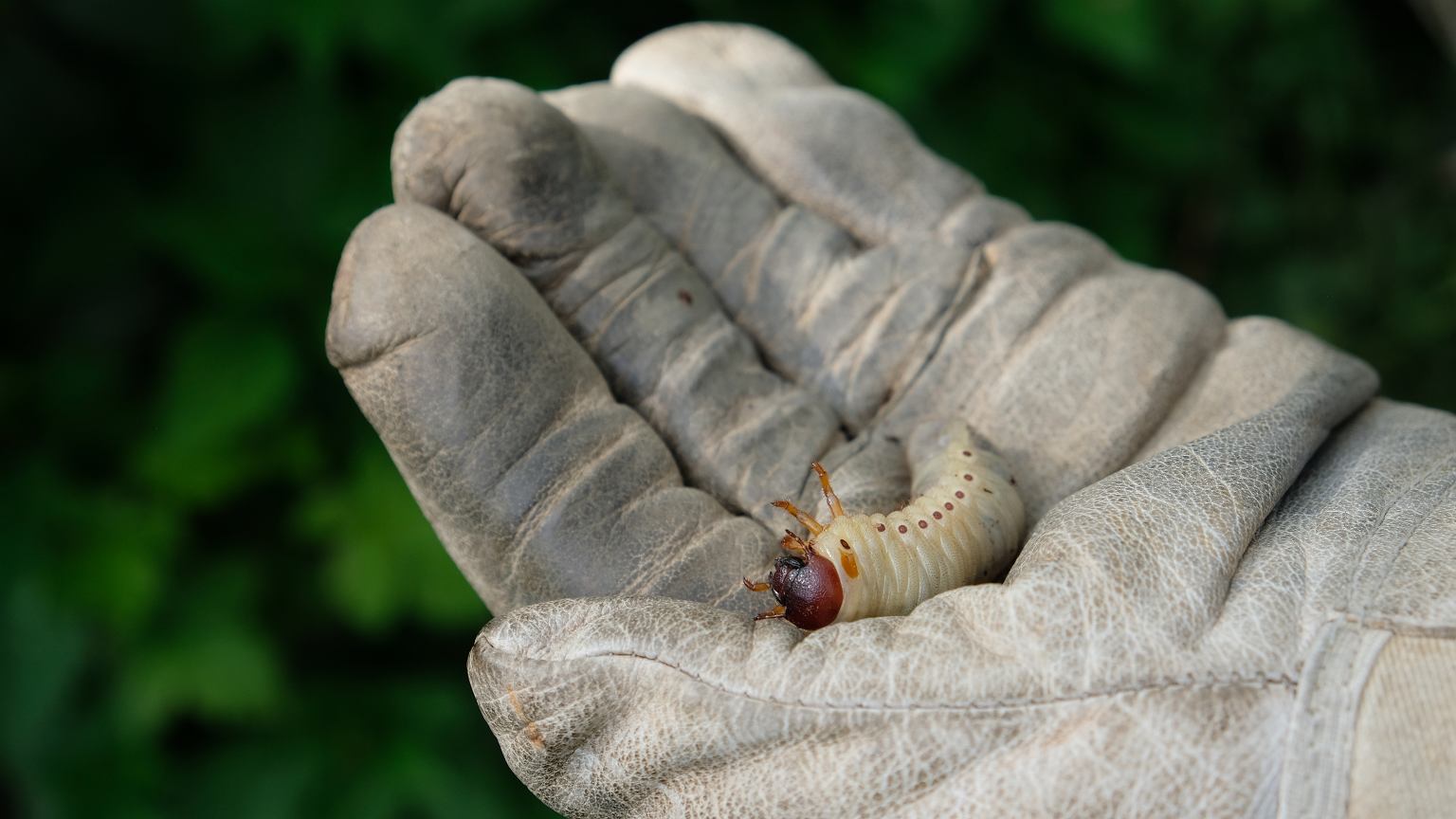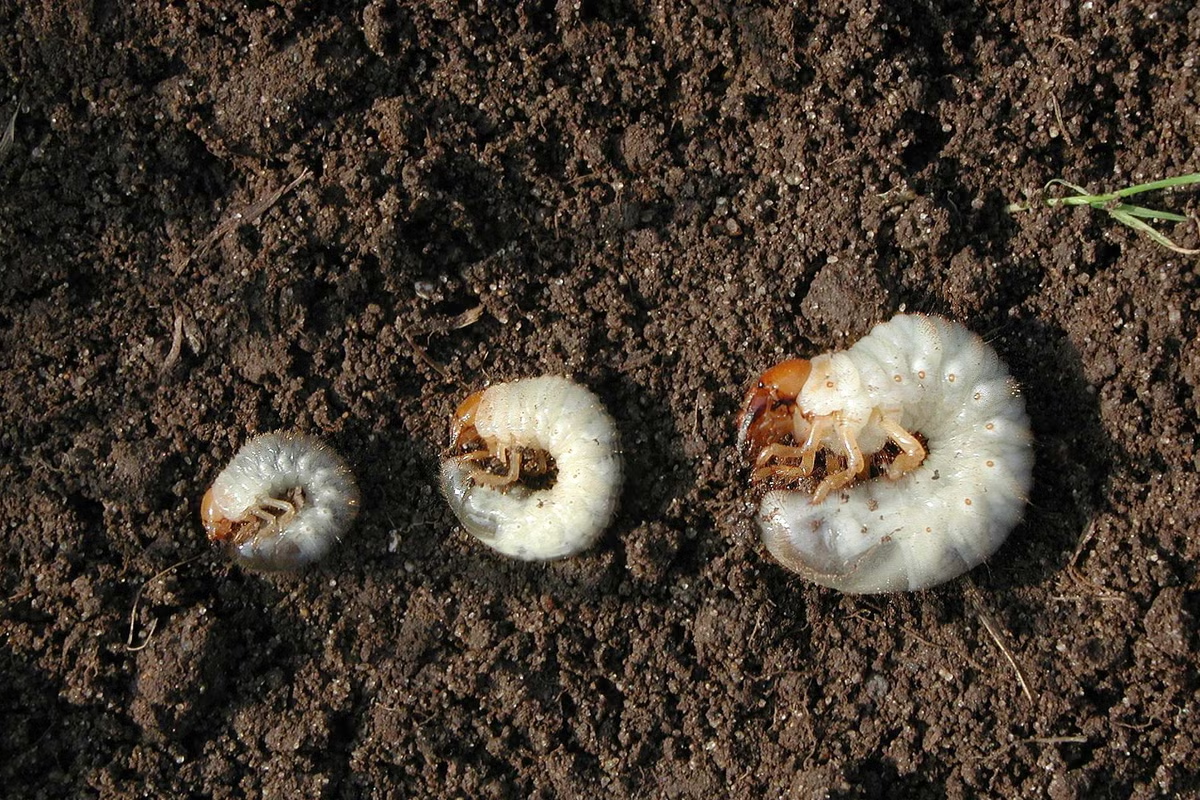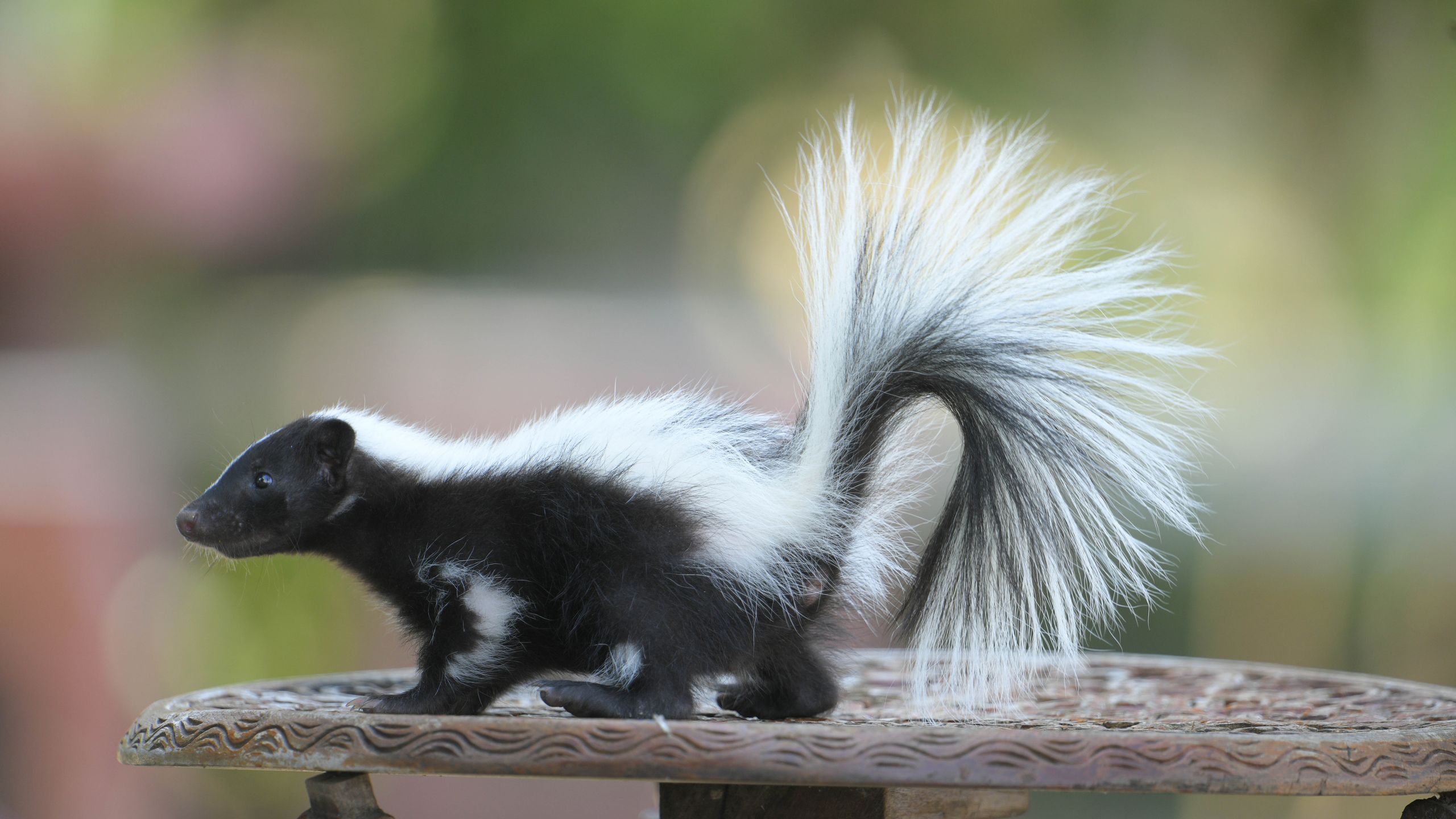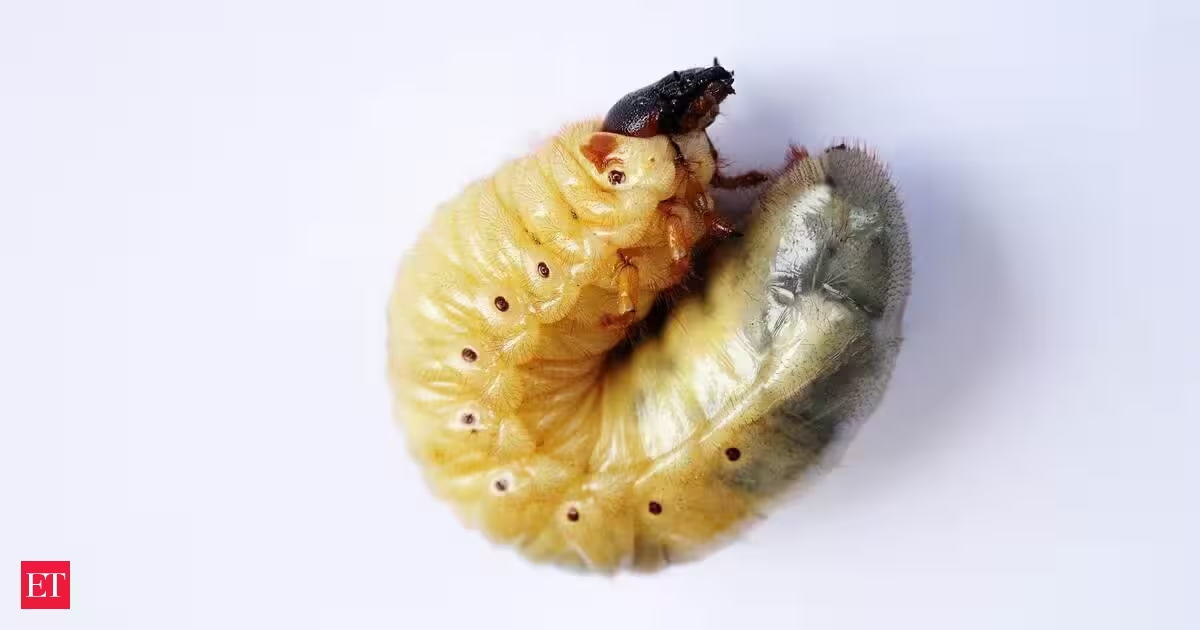
If you wake up to find your perfectly maintained lawn covered with small holes, torn patches of grass or disturbed soil, your first instinct may be to blame the animal that left the damage behind. But experts say the skunk digging in your yard may not be the real problem.In many cases, the animal is simply following a food trail hidden beneath the surface. The holes are often a sign that your lawn has become a feeding ground for underground insects, especially Japanese beetle grubs, the larvae of the destructive Japanese beetle.The skunk is not attacking your lawn. It is searching for dinner. From skunks and raccoons digging shallow holes to moles creating tunnels beneath grass, these animals are often responding to a hidden ecosystem beneath your feet. Understanding what attracts them can help homeowners address the actual cause instead of only treating the visible damage.Why skunks dig holes in lawns: They are hunting, not destroyingSkunks are nocturnal animals with an extremely strong sense of smell. During the night, they often search lawns, gardens and open areas for easy sources of protein. They often dig because they detect food beneath the soil, including beetle grubs, worms, insect larvae and even underground yellowjacket nests. For humans, the holes look like lawn damage; for a skunk, they represent a hidden buffet.The animal's digging behavior is therefore a sign of an ecological interaction: predators are responding to an abundance of prey.Japanese beetle grubs: The underground pests damaging your lawnOne of the biggest culprits behind repeated skunk digging is the Japanese beetle grub, the larval stage of the Japanese beetle (Popillia japonica).Adult Japanese beetles are familiar garden pests that feed on leaves, flowers and fruit plants. But before they become flying insects, they spend months underground as white, C-shaped grubs. These larvae feed primarily on grass roots, weakening the lawn from below.The hidden damage often appears before homeowners realize there is an insect problem.How grubs silently destroy grass from underneathA lawn damaged by grubs may look healthy at first because the insects are invisible below the soil. But as grub populations increase, they begin consuming the roots that anchor grass to the ground.Common warning signs include:Grass turning brown despite adequate wateringLoose patches of turf that lift easily from the soilIncreased activity from birds, skunks and raccoonsSmall holes appearing throughout the yardThe reason animals are attracted to these lawns is simple: grubs are nutrient-rich food. A skunk does not know or care that it is damaging your garden. It only knows that the soil contains a reliable source of insects.Why moles appear when your lawn has a grub problemHomeowners often blame moles for destroying lawns because of the raised tunnels and ridges they create. However, moles are usually attracted by the same thing that attracts other predators: food.Moles primarily feed on insects, earthworms and other soil organisms. They create underground tunnels while searching for prey.The presence of moles does not always mean a lawn has Japanese beetle grubs, because moles eat many types of soil organisms. But a sudden increase in tunneling activity can indicate that something has changed beneath the surface.In other words, removing the mole may only treat the symptom. If the food source remains, another animal may eventually appear.Skunks may also be helping control another hidden problemWhile skunks can create frustrating lawn damage, their behavior can sometimes benefit ecosystems. One surprising target is underground yellowjacket nests.Yellowjackets often build colonies in abandoned rodent burrows, underground cavities or protected areas. By late summer, these colonies can contain large numbers of larvae and pupae. Skunks may locate these nests, dig them open and eat the developing insects.Their thick fur provides some protection from stings, allowing them to raid nests that many other animals avoid.So a skunk digging in your yard may not only be searching for grubs, it could also be reducing an underground insect population.Why killing skunks or trapping moles may not solve the problemMany homeowners immediately look for ways to remove the animal causing visible damage. But it is often recommended to identify the reason animals are visiting in the first place.The long-term approach is addressing the underlying issue:Check whether grubs are present beneath damaged grassImprove lawn health through proper watering and maintenanceUse targeted grub-control methods when appropriateAvoid unnecessary pesticide use that can harm beneficial insectsTiming is especially important. Japanese beetle larvae are most vulnerable when they are near the soil surface, typically in the month of August and September after eggs hatch, according to Mike’s Backyard Nursery.Frequently Asked QuestionsWhy are skunks digging small holes in my lawn?Skunks usually dig small holes while searching for food. Common targets include beetle grubs, worms, insect larvae and underground nests such as yellowjackets.Do skunks eat Japanese beetle grubs?Yes. Japanese beetle grubs are a protein-rich food source and can attract skunks, raccoons and birds looking for underground insects.Will getting rid of grubs stop skunks from digging?Reducing a grub infestation can make a lawn less attractive to insect-eating animals. However, skunks may continue visiting if other food sources are available.What month is best to treat Japanese beetle grubs?For many regions, late summer is considered an effective period because young grubs are closer to the soil surface and actively feeding. Timing depends on local climate conditions, so homeowners should follow regional recommendations and product labels.
Japanese invasive beetle grubs are quietly killing lawns from below: Why skunks and moles may be your best friends to save your yard
Skunks digging in yards are often searching for insect food sources. Japanese beetle grubs are a common culprit weakening grass from below. Moles also tunnel lawns seeking the same underground insect populations. Addressing grub infestations can deter these animals from digging. Proper lawn maintenance and targeted treatments offer effective solutions.
876 words~4 min read