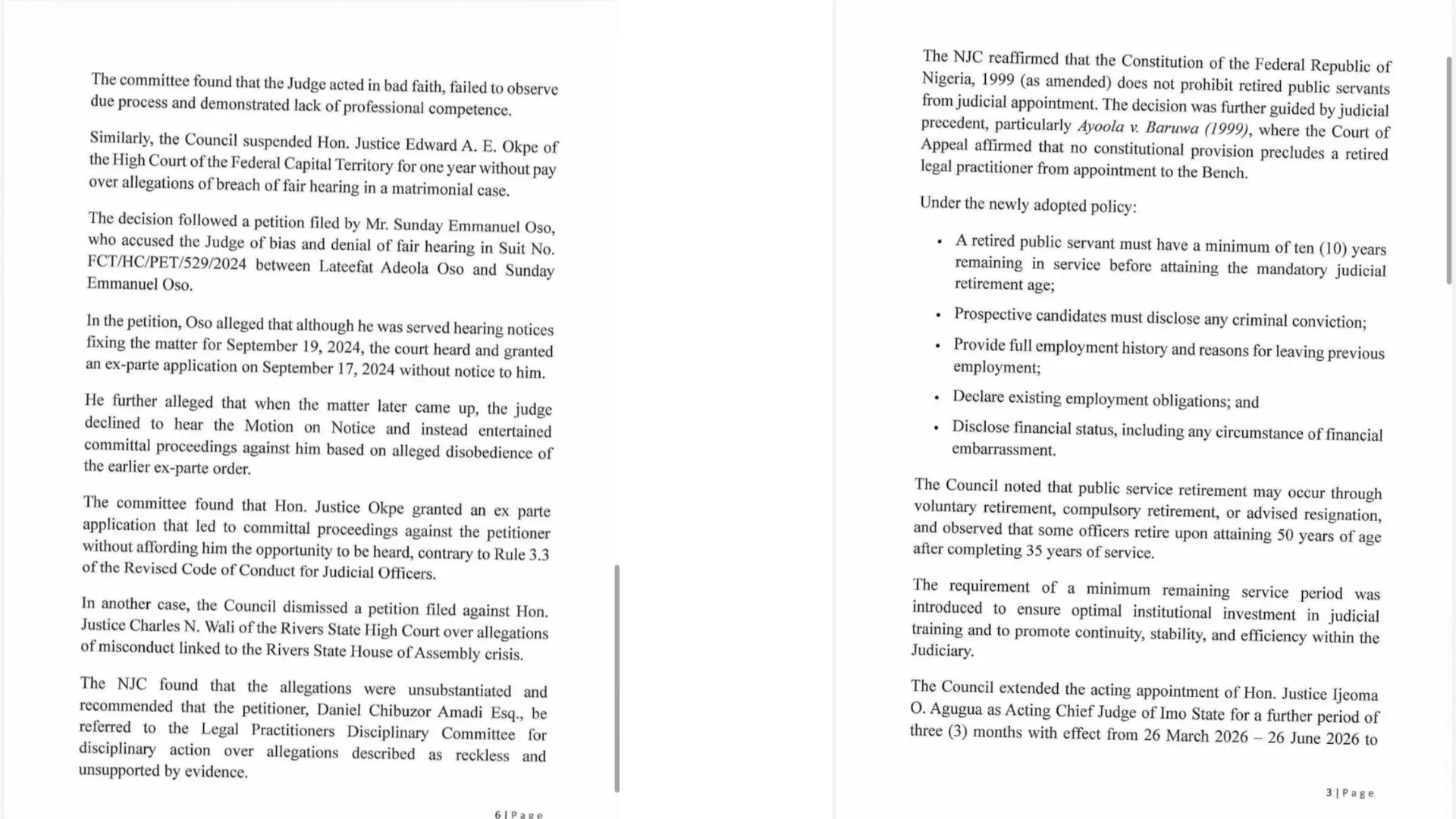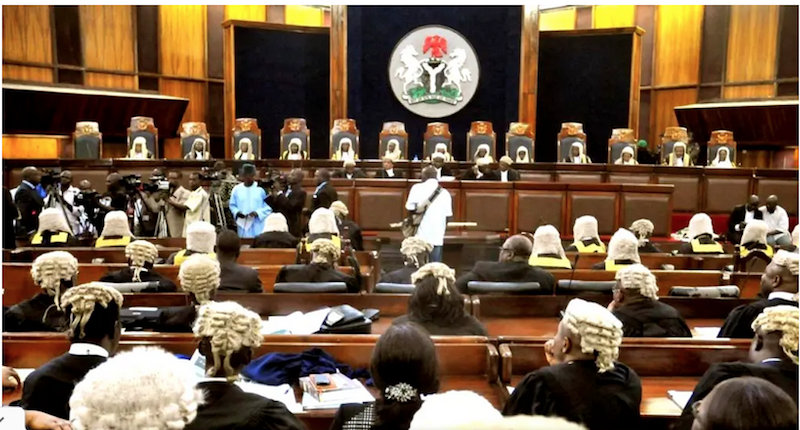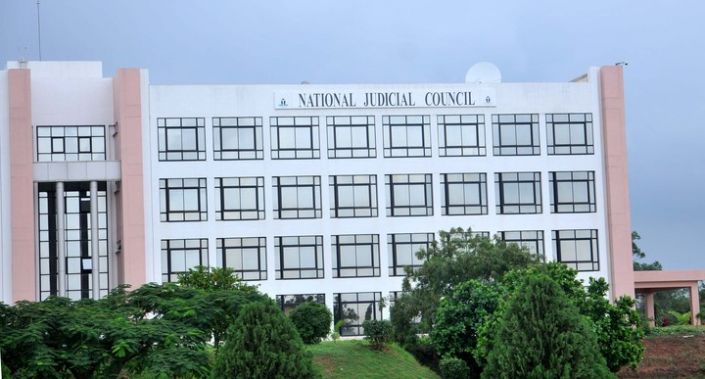
In one fell swoop, the National Judicial Council (NJC) has queried 256 judges for judicial misconduct. This headlined its decisions taken at the 111th Council meeting in Abuja recently, where it also suspended two judges for one year without pay. The processes that led to these steps were painstaking, and included the dismissal of 73 other petitions.
Other decisions taken include the summoning of the Chief Judge of the Federal High Court and the Chief Judge, Kano State High Court, over conflicting orders, issuance of warning letters to three judges and barring their elevation to a higher bench for a period. Two other judges were placed on a “watch list” for two years and thereafter.
The staggering number of suspected reprobates serving as officers in the temple of justice is indicative of the depth of decadence in the judiciary. For many, this is a familiar narrative, in view of what is already in the public domain. It is morally odious, to say the least.
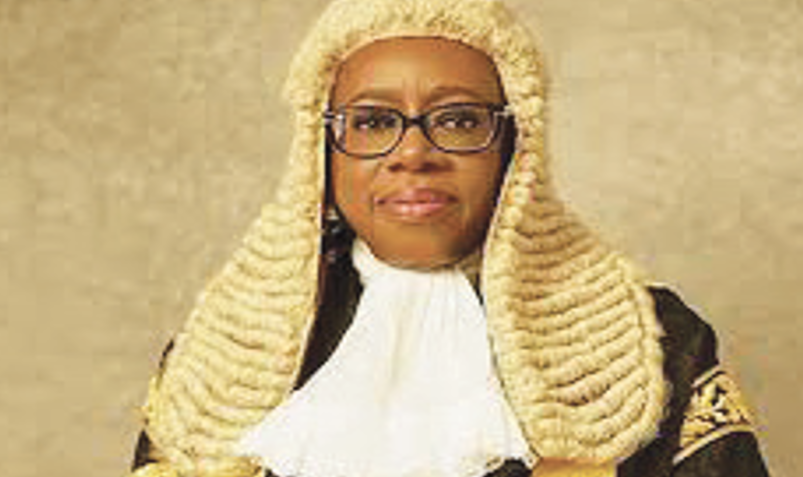
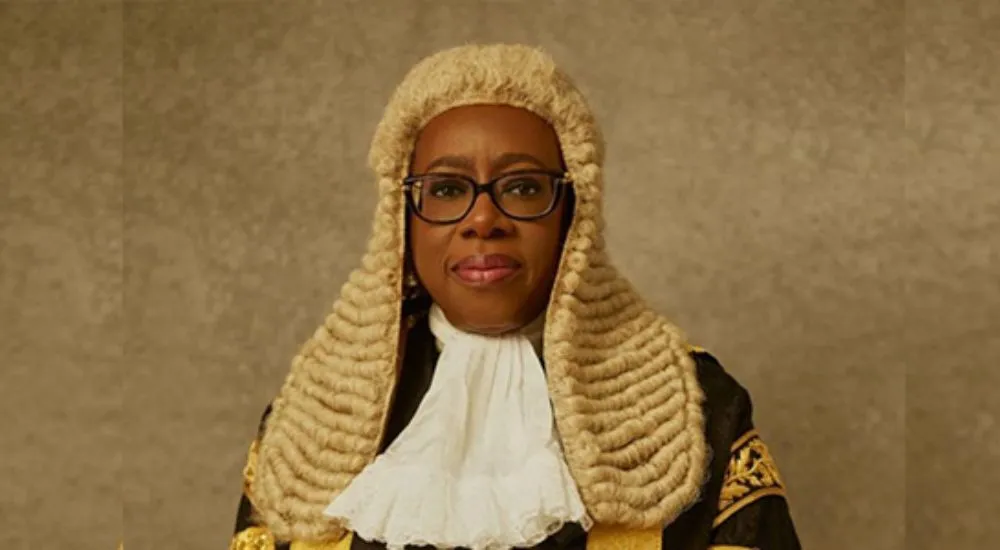
The NJC meeting presided over by the Chief Justice of Nigeria (CJN) Kudirat Kekere-Ekun, did not give details of the nature of the judicial misconducts at issue, thus leaving the public imagination roaming wild. Since the CJN assumed office, she has always harped on the discipline, integrity and professionalism of all judicial officers, which are critical for judicial accountability and restoration of public confidence in the system. But it would appear that she is not being taken seriously.