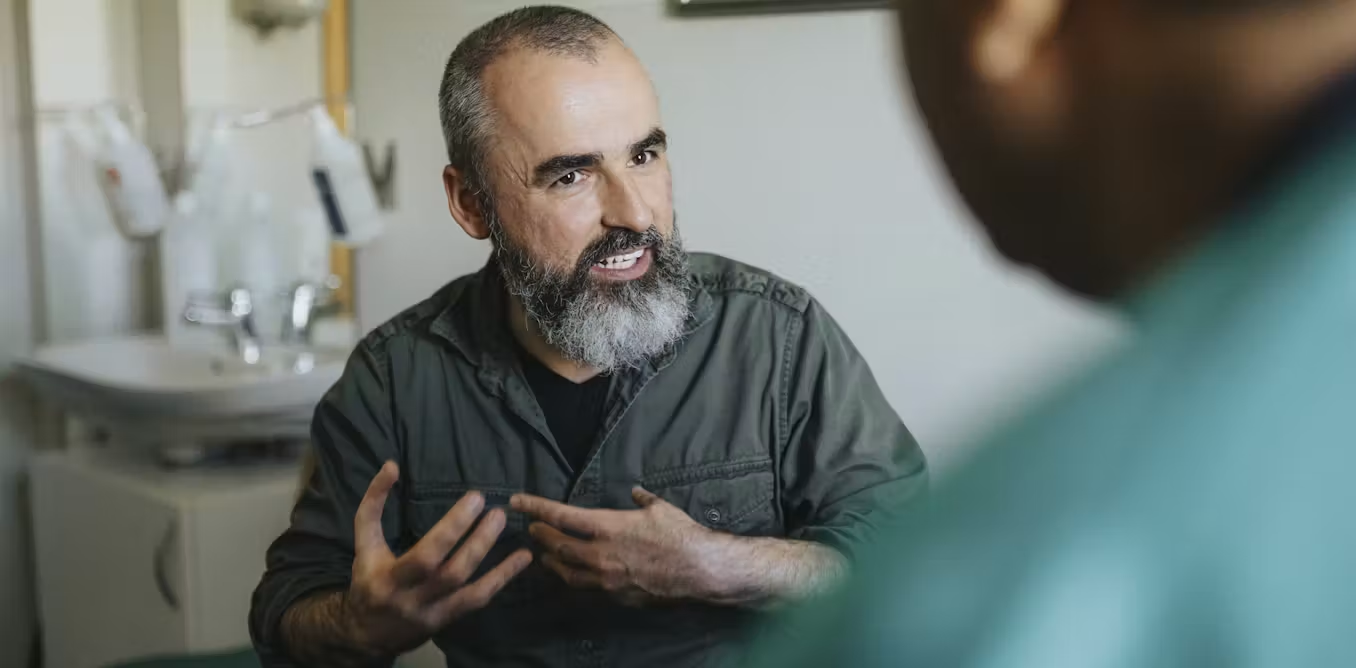
Visits to a new doctor, physio or specialist often begin with: “Do you mind if I use AI?”
According to Off the Record, a new report by Digital Rights Watch, more than 40% of Australian doctors are now using AI scribes. These tools listen to consultations, feeding what they hear into Large Language Models – similar to ChatGPT or Claude – to generate medical notes.
For clinicians, AI scribes are an easy sell. They eliminate hours of paperwork, freeing energy to focus on the patient. This can profoundly change how chronically burned out doctors feel about their work. And with Medicare only compensating doctors for face-to-face time, and not note-taking, the financial and emotional incentives for practitioners are undeniable.
Yet the benefit for patients is less clear, especially when we have little transparency about who has access to deeply personal medical data, or how this data is handled by these lightly regulated AI scribes.
How do AI scribes work? And what can go wrong?