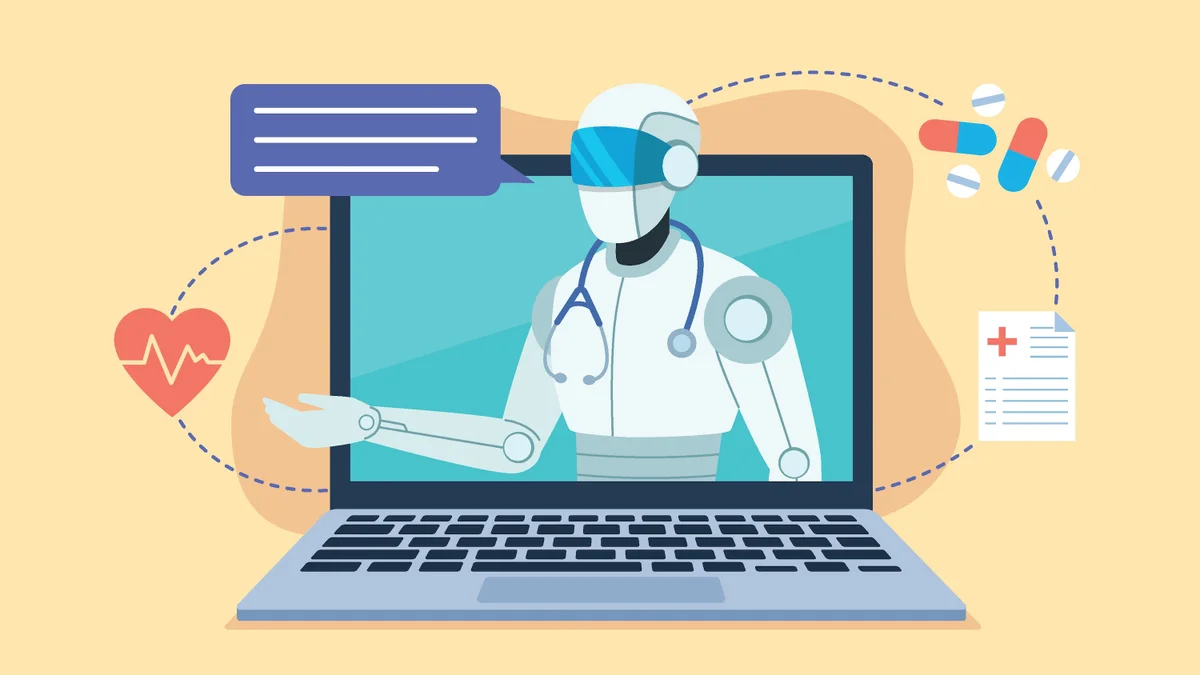
When your side hurts or your child’s big toe is throbbing and you don’t know why – or what to do about it – do you call a doctor, or do you ask your favorite AI for a diagnosis and plan of action?
The technology has been widely available for only a few years, but many Americans are increasingly choosing AI to address their health concerns. A March pol l from health policy organization KFF found that 1 in 3 American adults say they have consulted AI about their health. The most widely used AI in the US, ChatGPT, is used by 44% of US adults, and creator OpenAI says that more than 300 million people around the world turn to it each week to answer health questions.
AI programs can provide general information on nearly any topic, but several companies have also made it easier for Americans to upload medical records and wearable device data so the program can offer health information based on things like doctor’s notes, lab results, the number of steps you take, the food you eat and the amount of sleep you get.
OpenAI announced last week that it was launching more broadly to US users so people could upload their medical records and use ChatGPT to better understand the information, track what’s changed in their health and have more informed conversations about their personal health – even offering things like recipes for people who have specific concerns, such as low iron levels.