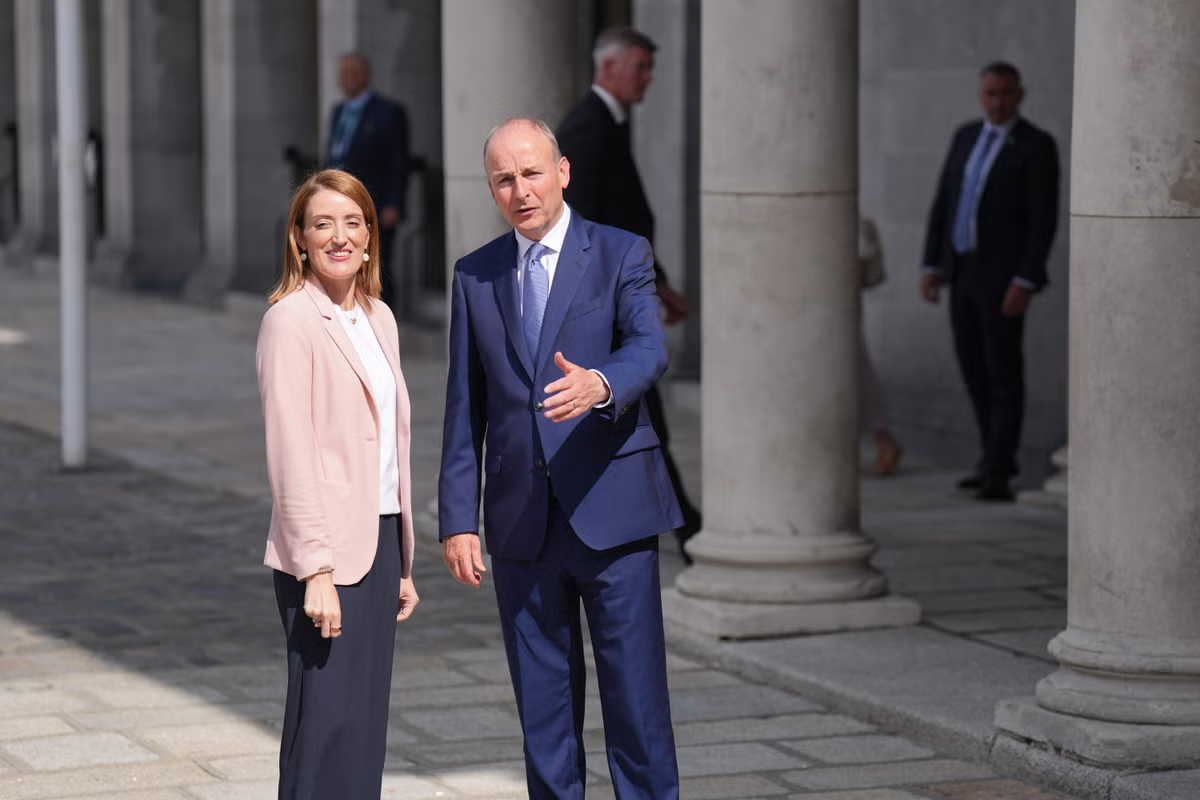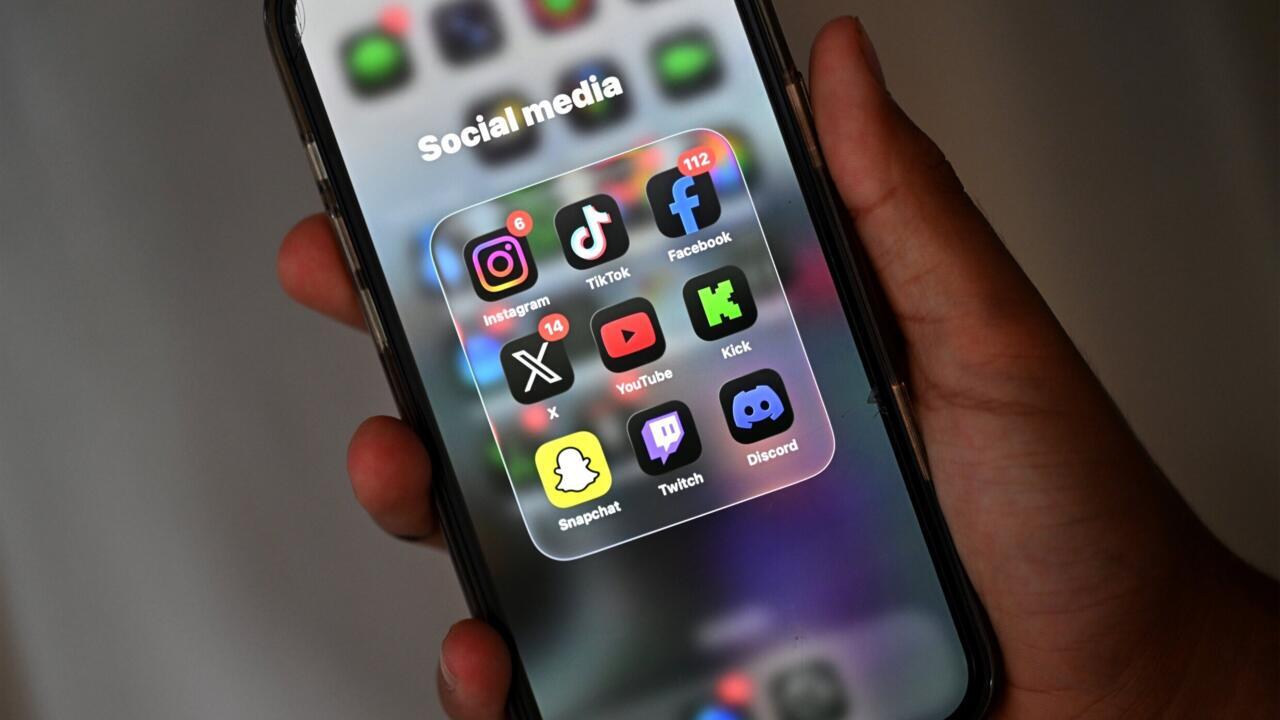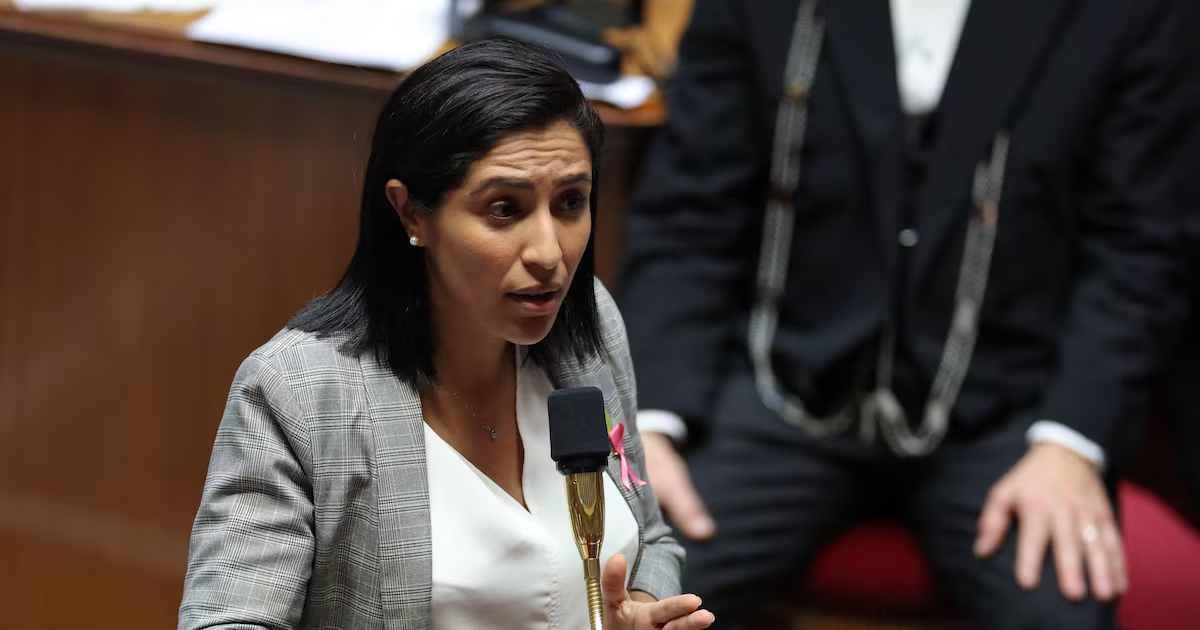
Ireland should use its European presidency to advance reforms to protect children online, a high-ranking French government official has said. Sarah El Haïry, the French high commissioner for children, visited Dublin last week as part of a conference organised during Ireland’s presidency of the Council of the European Union. She also said social media platforms should be given a publicly disclosed safety score to allow parents and users assess their suitability – similar to nutritional information available on food products. “We really must protect children because this revolution is so massive, so important for health, for children, for democracy – so we really have to protect children without excluding them from the digital world.”El Haïry, who was previously a minister for youth in the French government, was speaking after France passed laws introducing a ban on social media platforms for under-15s.She said the momentum behind such steps was important during the Irish presidency. “It’s an opportunity that the Irish presidency happens in terms of advancing child protection where the European headquarters are for tech companies.”She said that countries who are making changes now in advance of wider European moves to restrict access to platforms for children are “the ones who are going to contribute to a larger-scale change on a European level”. Asked whether Ireland could play a role in accelerating reforms EU-wide, she said: “They have the EU presidency. I was a minister during the French presidency of the EU. It’s what speeds things up”.Minister for Communications Patrick O’Donovan has said he wants online protection of children to be a core part of the Irish presidency, and has signalled that if he does not believe Europe is moving quickly enough, Ireland will move to legislate domestically. El Haïry called on social media companies to make design choices when building their products that made them safe for children rather than being forced to do so later by regulators. “If the giants don’t want to give into the pressure of big regulators, then they can start thinking of protection when their products are being made rather than later,” she said.She said an index similar to a nutritional score printed on food products in France should be publicly available to users of social media platforms, which would indicate the level of risk for children and young people. She said the level of fines being levied on companies would have consequences for social media firms and could hamper investment into a given social media platform. “We banned kids working in factories. We protected the right to education in international law. Today we’re not protecting kids from algorithms,” she said. “It’s a catching-up of the law so that laws in the real world have as much consequence in the tech world.”
Ireland should use presidency to advance online child protection, French official says
Social media platforms should be given a safety score to allow parents and users assess their suitability, high commissioner says
457 words~2 min read