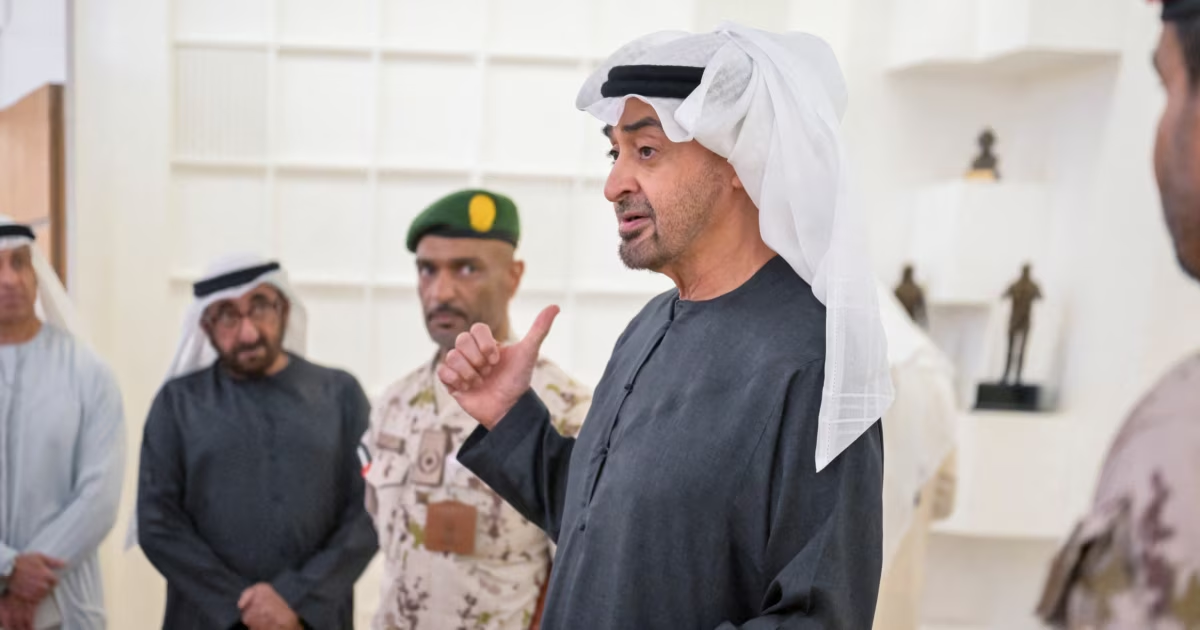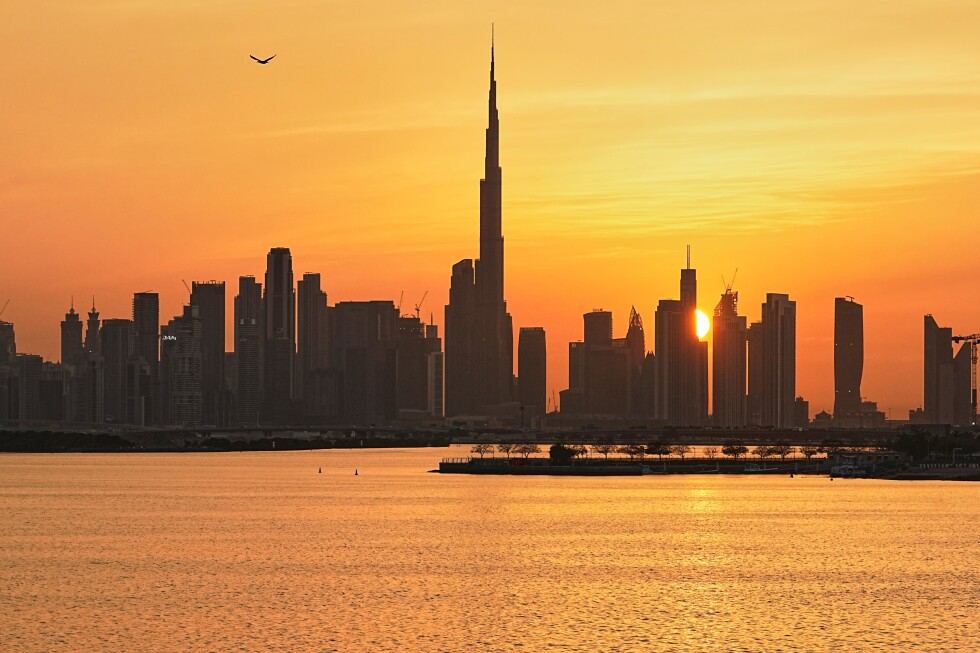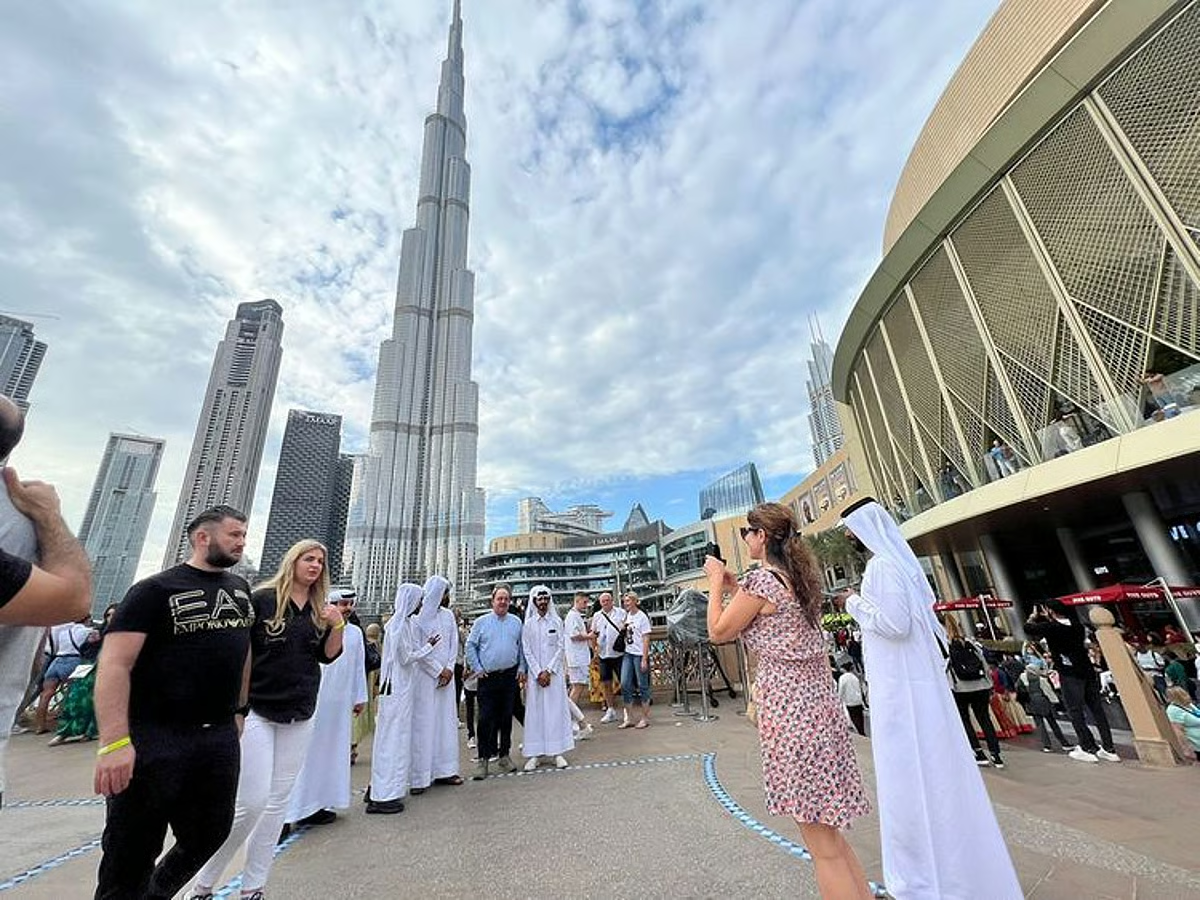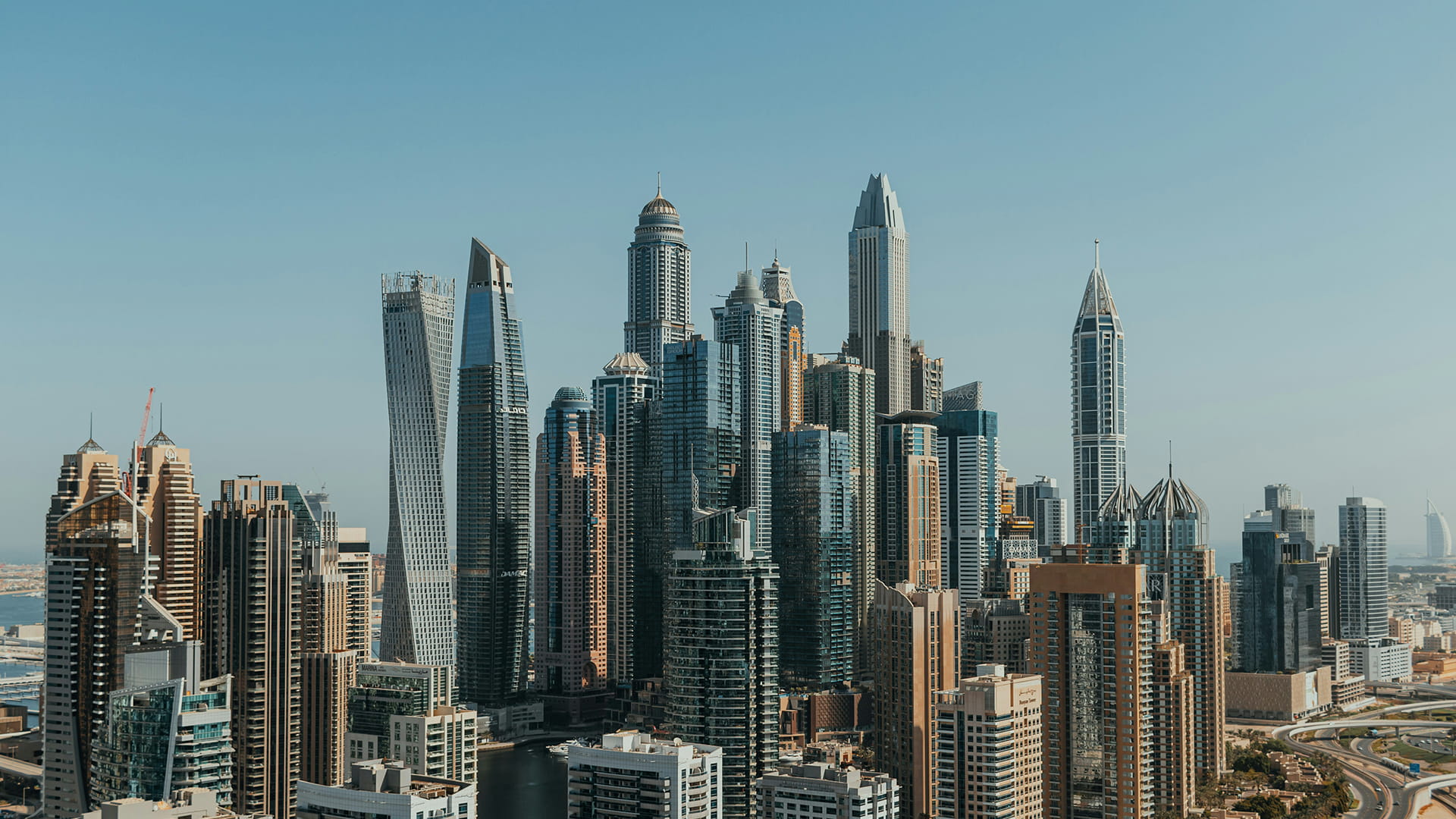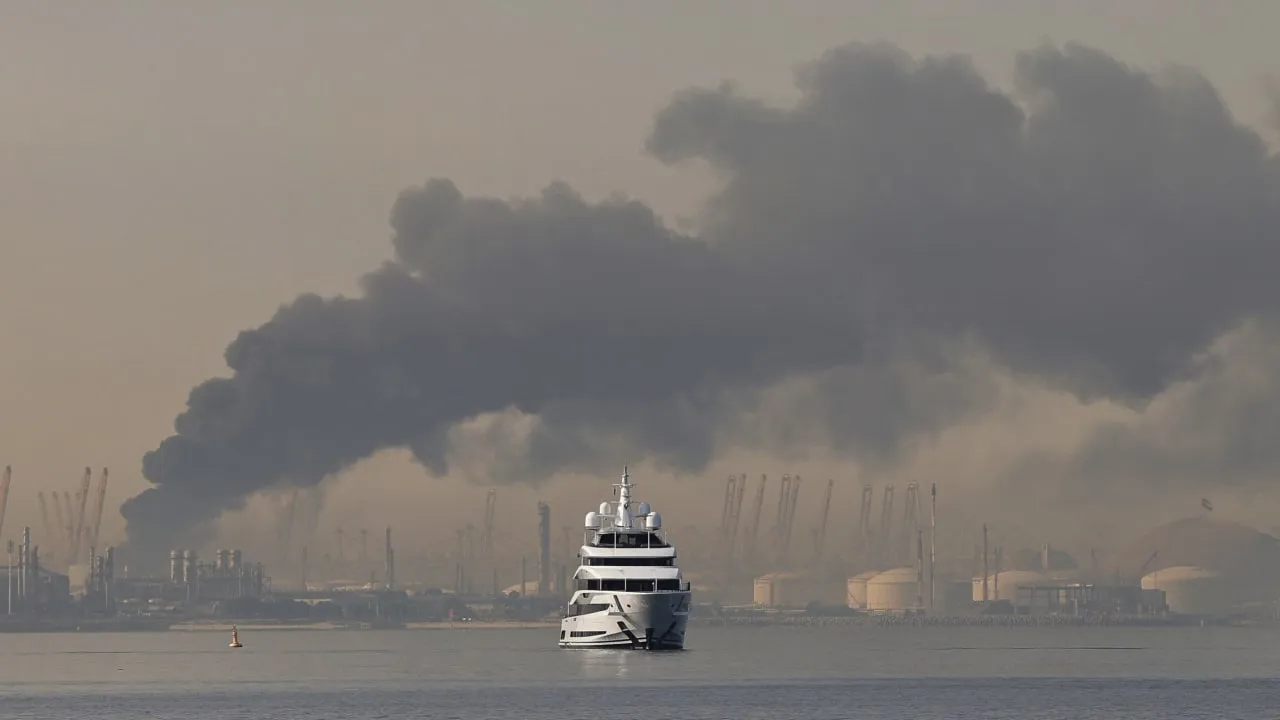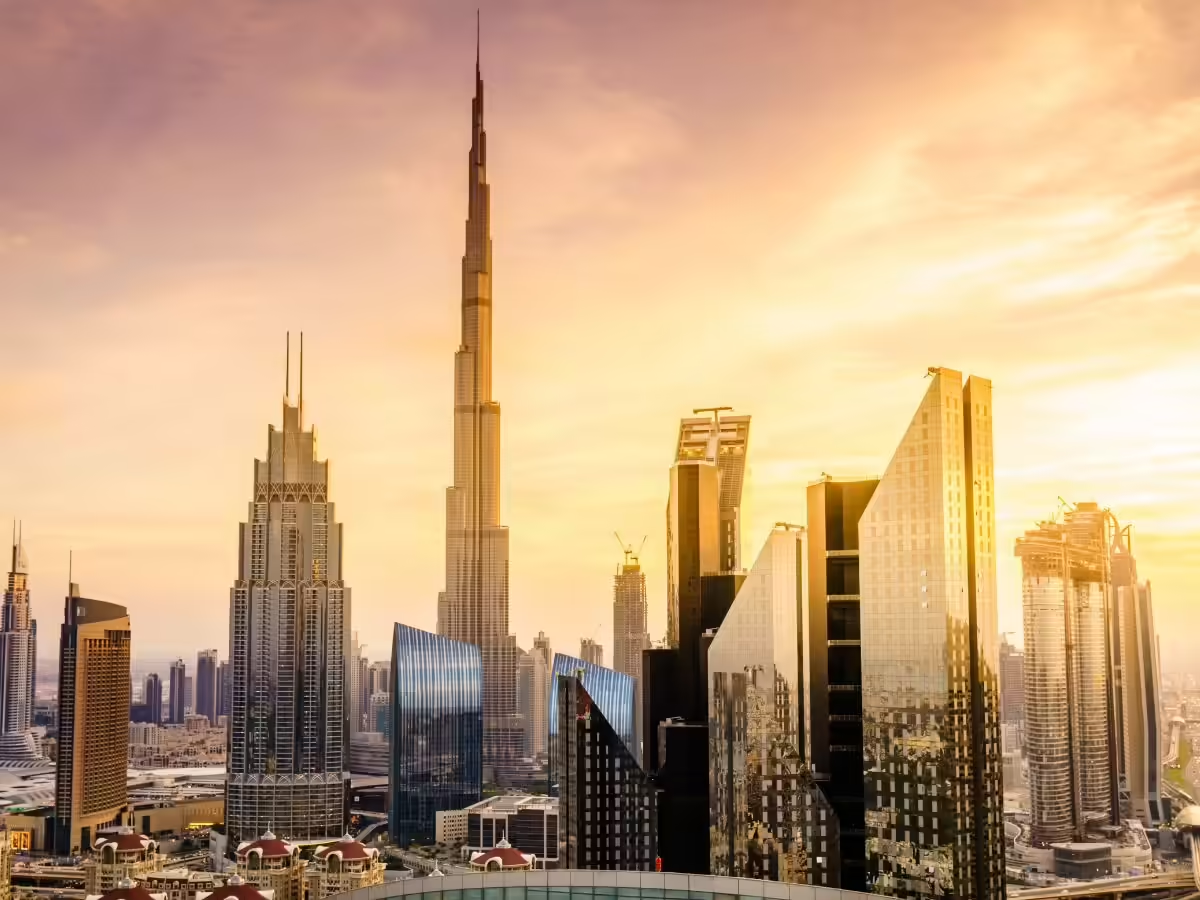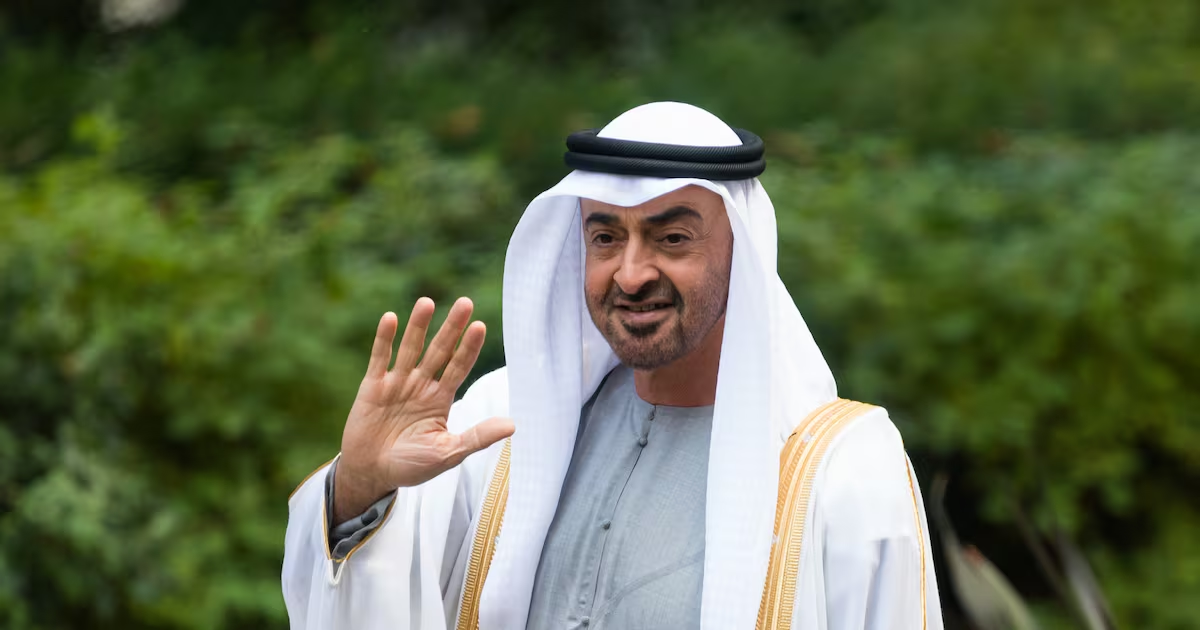
Five months after the threat of Iranian drones emptied Dubai’s financial district, the high-rise offices that are home to thousands of international bankers and asset managers have filled up again.Traditional dhows are once more sailing the Gulf’s turquoise waters to ferry goods to Iran from Dubai ports.At Dubai’s airport, the first Iranian flights since the US-Israeli war against Tehran have quietly resumed, while Emirati authorities have started to allow the return of some 20,000 Iranians with United Arab Emirates (UAE) residency who were outside the country when the war began.All are signs of how the UAE and Iran have sought to ease tensions, even as conflict has raged around them, with the UAE seeking to return to a semblance of normality after its biggest crisis since independence in 1971.As a shaky US-Iran ceasefire has unravelled, the UAE has made a bold gambit: tentatively reactivating diplomatic and economic channels with Iran, while doubling down on military ties with Israel and the US.In the first months of the war, the Gulf state bore the brunt of Tehran’s attacks on the US’s Arab allies with almost 3,000 missile and drone assaults. The UAE responded with scores of its own strikes, taking the most hawkish stance towards Iran among its Gulf neighbours.Officials acknowledge that the attempt to shift from war to a frosty peace is precarious, a danger underlined by flare-ups in US-Iran hostilities over the past two weeks. Photograph: Fadel Senna / AFP via Getty Images However, since the US and Iran agreed their brittle truce in April, the UAE has sought to shift from hostility to detente with Tehran.The move reflects a mix of pragmatism and realpolitik for a small, highly ambitious nation that has long sought to deploy its vast petrodollar wealth to gain oversized influence in the region and beyond.Like other Gulf states, there is a fresh realisation that it is a hostage to geography. It is now determined to protect its status as the region’s pre-eminent tourism, trade and finance hub.“This [war] was a reality check for everyone,” an Emirati executive said.“The hawkishness was the first phase of the war, we [then] demonstrated pragmatism. We don’t stick to decisions; we fine-tune.”The memorandum of understanding US president Donald Trump signed with Tehran last month to extend the ceasefire and reopen the Strait of Hormuz accelerated the economic overtures, with the UAE agreeing to allow some trade with the Islamic republic to resume and Iranian flights to return. UAE oil exports have also rebounded.PrecariousOfficials acknowledge that the attempt to shift from war to a frosty peace is precarious, a danger underlined by flare-ups in US-Iran hostilities over the past two weeks. Iran targeted two UAE tankers in the strait this month after declaring it was re-closing the chokepoint.However, Tehran has not struck the UAE itself during the recent exchanges, during which it has fired drones and missiles at Bahrain, Kuwait, Jordan, Qatar, Oman and Saudi Arabia.Abdulkhaleq Abdulla, an Emirati academic, said he expects the UAE-Iran truce to hold as long as Tehran does not directly target the Gulf state.With the strait’s closure in effect cutting off Jebel Ali — the UAE’s prime trading route with the outside world — goods were flown in or trucked over land to ensure supermarket shelves were kept stocked. Photograph: Fadel Senna / AFP via Getty Images “You never know because it’s a little bit confusing on the Iranian side and there’s no trust. It’s fragile, but it’s reassuring that it’s lasted two months,” he said.A senior UAE official said the detente is part of a suite of strategies to manage relations with the Gulf state’s far-larger adversary, while also preparing for the worst.“We will build our deterrence capability, we will operate diplomatically and we will also use our economic heft,” the official said.“There’s a sense we’ve had a crisis and there’s belief in our ability to overcome this crisis. But there’s also the realisation that we need to work on it, it’s not going to happen automatically.”DelicateUAE president sheikh Mohamed bin Zayed al-Nahyan has delegated the de-escalation with Iran to three of his brothers, according to people familiar with the situation.He has entrusted the delicate mission to sheikh Mansour, one of the UAE’s vice-presidents; foreign minister sheikh Abdullah; and national security adviser sheikh Tahnoun, who is considered among the more pragmatic leaders in Abu Dhabi.The first signs of rapprochement began with a call between sheikh Mansour and Mohammad Bagher Ghalibaf, one of Iran’s top wartime civilian leaders and its lead negotiator with Washington, a week after the US-Iran truce. Last month, sheikh Abdullah held his first call since the war with his Iranian counterpart, Abbas Araghchi.Abdulla, the Emirati academic, said Iran initiated the dialogue.“Iran came and said ‘let’s talk’, and it would be foolish when your adversary comes to turn them down,” he said.“The second reason [for the de-escalation] is there was a realisation that, after all this, war was not going to solve it — it’s not going to end the regime or defeat [Iran’s] Revolutionary Guards.”US president Donald Trump previously met Abdullah bin Zayed bin Sultan Al Nahyan during an arrival outside the West Wing on September 15, 2020. This month, the Trump administration rewarded the UAE for what it said was its “key role advancing US interests” during the war, making it easier for the Gulf state to access American military equipment. Photograph: Alex Wong/Getty Images The UAE has considered Iran a threat since the 1979 Islamic revolution, and its relationship with Tehran since has been a balance between the hawkish stance of Abu Dhabi and commercially oriented Dubai’s long-standing status as a vital hub for Iranian trade.For two decades, sheikh Mohamed, known as MBZ, had warned of and prepared for the threat posed by Iran’s huge arsenal of drones and missiles. However, the UAE was still shocked by the ferocity of the assault.MBZ privately hoped the war would significantly weaken the Islamic regime and its military capability, diplomats and analysts say. However, he and his Gulf counterparts also knew they would have to pick up the pieces if Trump ended the war with the regime weakened but not defeated. The fear was that they would be left to manage a wounded, but more bellicose, adversary on their doorstep.“The UAE finds itself in a difficult position: it has very little control over the dynamics that will profoundly affect its security and prosperity,” said Emile Hokayem at the International Institute for Strategic Studies. “They understand that the long-term impact will be significant and are moving fast to reassure investors, traders, operators and others.”Commercial ties with Iran are important for the economy of Dubai, which is home to several hundred thousand Iranians. Emirati leaders also hope that Tehran’s own reliance on the Gulf state for many of its imports and exports gives it a stake in maintaining a transactional relationship.The UAE has denied that it has made any financial transfers to Iran. However, Emiratis say there is an appetite to invest in the country - particularly in energy, ports and logistics - if the war were permanently ended and US and international sanctions scrapped.“Iran has a big population, a big consumer market, and certainly a huge benefit for Dubai as its trading and re-export hub,” said a Dubai official.“It’s very important for us in terms of going back to a normal relationship.”“We cannot ignore Iran,” said an Emirati businessman, who worries about price rises in the UAE.“If you tell me I should stop trading with Iran because of what is happening and let’s find somebody else to do business with, it’s not impossible but it’s not easy. I can substitute a lot of items, but a box of tomatoes for five dirhams will only come from Iran.”DetenteDespite the detente, the UAE remains deeply distrustful of Iran — and is also planning to deepen defence co-operation with Israel and the US.After normalising ties with Israel five years ago, the UAE has become the country’s closest regional ally.The relationship bore dividends in the first weeks of the war, when Israel rushed its Iron Dome air-defence system and an advanced laser system known as Iron Beam to the UAE’s aid.In the months since, the Israeli embassy in Abu Dhabi has doubled in size, making it one of the Jewish state’s largest diplomatic missions. Israel is now looking to expand bilateral co-operation across multiple areas, from tech and AI to dry ports, storage facilities and defence.“There are Israeli defence companies active in the UAE and based here permanently,” an Israeli official said.“Some were operating here before the war, but now it’s much larger and encompassing all aspects.”Dubai is gradually starting to feel busier, but also faces the double hit of entering the tourism low season as summer temperatures soar. Photograph: Fadel Senna / AFP There have, in recent years, been strains in the relationship with prime minister Binyamin Netanyahu’s far-right government, particularly during Israel’s war in Gaza following Hamas’ October 7th, 2023, attack.Some Emiratis also privately blame Netanyahu for dragging the region into the conflict and worry that his government’s actions embarrass the UAE.However, Abu Dhabi maintains that the normalisation in ties with Israel — the result of the so-called Abraham Accords brokered by Trump — is in the UAE’s strategic interests.The vast majority of the Iranian missiles and drones were intercepted by the UAE’s air defences, which were bolstered by US, Israeli, South Korean and Ukrainian systems, as well as support from UK and French fighter jets.A UAE official adds that the war has made the US’ “role more essential to the region not less”.This month, the Trump administration rewarded the UAE for what it said was its “key role advancing US interests” during the war, making it easier for the Gulf state to access American military equipment and the chips that are crucial to its ambitions to be a global AI leader.From Abu Dhabi’s perspective, the US and Israel top the list of its friends who came to its aid, a western official said. The official added that, while some Emiratis see the war as the result of “a crazy US president and Israel trying to fragment the region ... when they are under pressure, [Abu Dhabi] looks to see who has stood by them”.ConflictAs the conflict has morphed into a grey area of neither full-blown war nor peace, the buzzword in the UAE is “resilience”.Abu Dhabi wants not only to bolster its military hardware but also to address the vulnerabilities of vital infrastructure. Officials are discussing placing underground the pipelines for oil that is the source of much of its current wealth and also the data centres that will support plans to be a global AI hub.“Anything that we do that is critical will be protected. It will be protected by air-defence systems,” said the UAE official. “It’ll be protected because we will not depend on a single source, or it will be protected because we’ll have an alternative.”The country is also looking for new routes to cut its dependency on the Strait of Hormuz, while seeking to strengthen its food security, including by expanding storage facilities.DP World, the logistics group, has announced plans to build two terminals in Fujairah, on the UAE’s east coast, to reduce reliance on its flagship Jebel Ali hub, which has operated at about 10 per cent of its capacity because of Iran’s closure of the Strait of Hormuz.The vast majority of the Iranian missiles and drones were intercepted by the UAE’s air defences, which were bolstered by US, Israeli, South Korean and Ukrainian systems, as well as support from UK and French fighter jets. Photograph: AFP via Getty Images Adnoc, the state oil company, is accelerating the construction of a pipeline to double its oil export capacity to Fujairah, next year.“The UAE has leaned into this; this is a time to pivot the model — make it more resilient, new supply chains, more about defence,” said a Dubai-based consultant.“All these things are being discussed much more.”Another consultant says the message from a senior Emirati official was: “We will build a canal to the Indian Ocean if we have to.”Dubai, which has a history of defying sceptics, is in a stronger position than when the pandemic tested its economic model, bankers and economists said.Oil-rich Abu Dhabi, meanwhile, has financial buffers few can rival, with almost $2 trillion of assets in sovereign investment funds.“There’s no stress and the direction is very clear,” said a senior banker.“Deal flow has not stopped at all, it was constant during the war, probably on purpose.”Last month, Adnoc’s crude production hit a record high of 4.1 million barrels a day, according to the International Energy Agency, as it has sought to ramp up its output after exiting Opec, the Saudi-led oil cartel, in April.Yet, the first consultant highlights the challenge the UAE leaders face.“Dubai and Abu Dhabi can do whatever they want, the problem is, not all these things can be solved,” he said.“Energy facilities will be exposed because they are offshore and, even if you are exporting from Fujairah, it’s still within target range.”SuccessDespite the UAE’s success in intercepting Iran’s missiles and drones, the relentless assaults on its key energy and civilian infrastructure shook its foundations.With the strait’s closure in effect cutting off Jebel Ali — the UAE’s prime trading route with the outside world — goods were flown in or trucked over land to ensure supermarket shelves were kept stocked.Most western airlines are still not flying to what is typically one of the world’s busiest transit hubs. Hotel occupancy has slumped despite large discounts. More than half a dozen high-end Dubai hotels, including some of its best known, such as the Burj Al Arab and the Armani Hotel, have closed for refurbishment. A number of restaurants have shut their doors.Dubai is gradually starting to feel busier, but also faces the double hit of entering the tourism low season as summer temperatures soar.“Every week that passes with nothing happening it feels better, but it doesn’t feel normal — there’s no tourists,” said another international banker. “There’s a risk that, because the outcome was orderly, there’s a misperception there’s no strain, but revenue did fall very steeply and there was capital flight.”[ How Iran has adapted its missile war and given the US a strategic dilemmaOpens in new window ]Natasha Sideris, the founder and CEO of Tashas Group, which has 16 restaurants in the UAE, said she cried when she was forced to ask her staff to take up to 30 per cent salary cuts. Business at the group’s flagship restaurant in Dubai’s financial centre fell by as much as 80 per cent, but started to rebound in June.Menus were slimmed down as there were shortages of some items, including Scottish salmon and lamb cutlets, and costs rose, she said.“It was worse than Covid, because you knew what your plan was,” Sideris said.“During Covid, you had to close during a certain period, which made it easier to negotiate with landlords. Limping along is much worse.”However, she says business is coming back and is betting that trade will be flat year on year by the end of 2026, with a rebound next year.The litmus test is expected to come in September. The reopening of schools will show how many expatriates have returned, while falling temperatures will be a gauge of the UAE’s ability to lure tourists back.A British expatriate said some people he knows have reserved places for their children in UK schools and will only make a decision on whether to return after the summer. Bankers, however, said there is still demand for relocations to Dubai.Yet, the recent escalation between the US and Iran dented the more upbeat mood that was taking hold.“Up to a week ago, there was more optimism, but some developers are becoming nervous again,” said the Emirati executive.“Dubai will leave no stone unturned,” he added, referring to the Emirates’ future plans to find its way through the postwar world. “Many ideas are being assessed, but they only make sense if the conflict has ended.”- Copyright The Financial Times Limited 2026
The United Arab Emirates’ delicate balancing act
It has quietly rebuilt economic and diplomatic ties while also deepening defence links to Israel and the US
2,668 words~12 min read