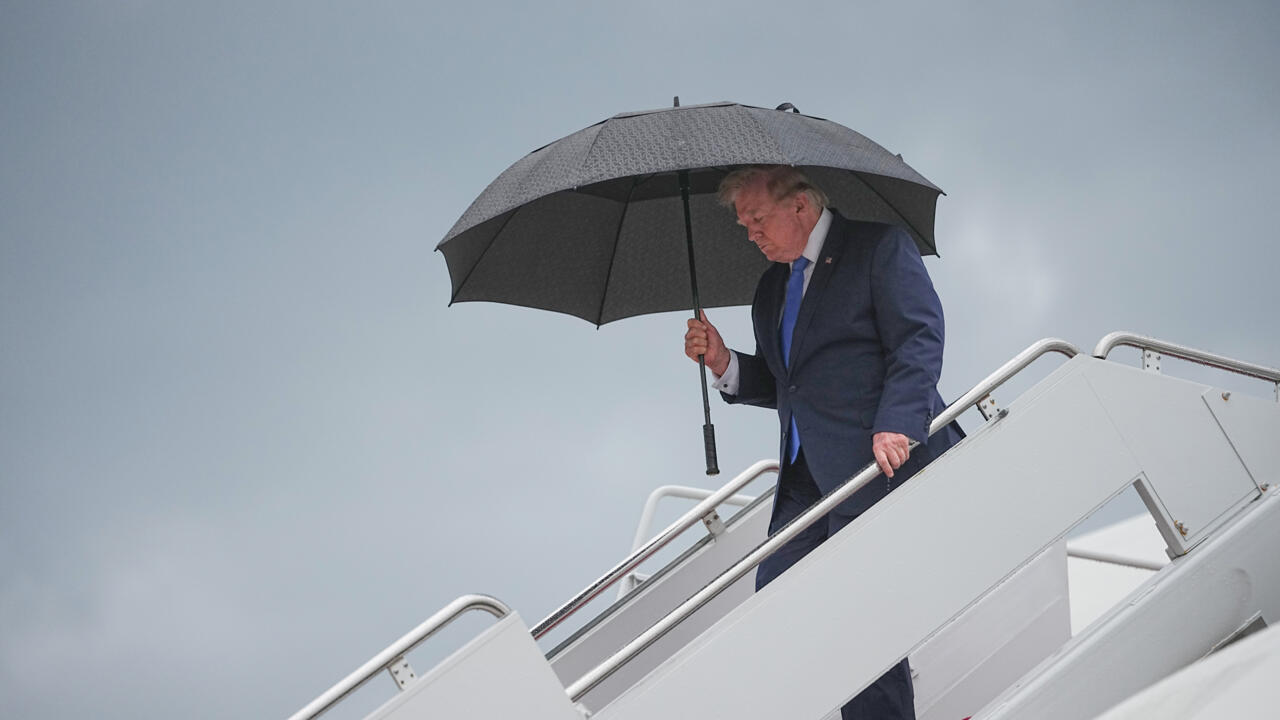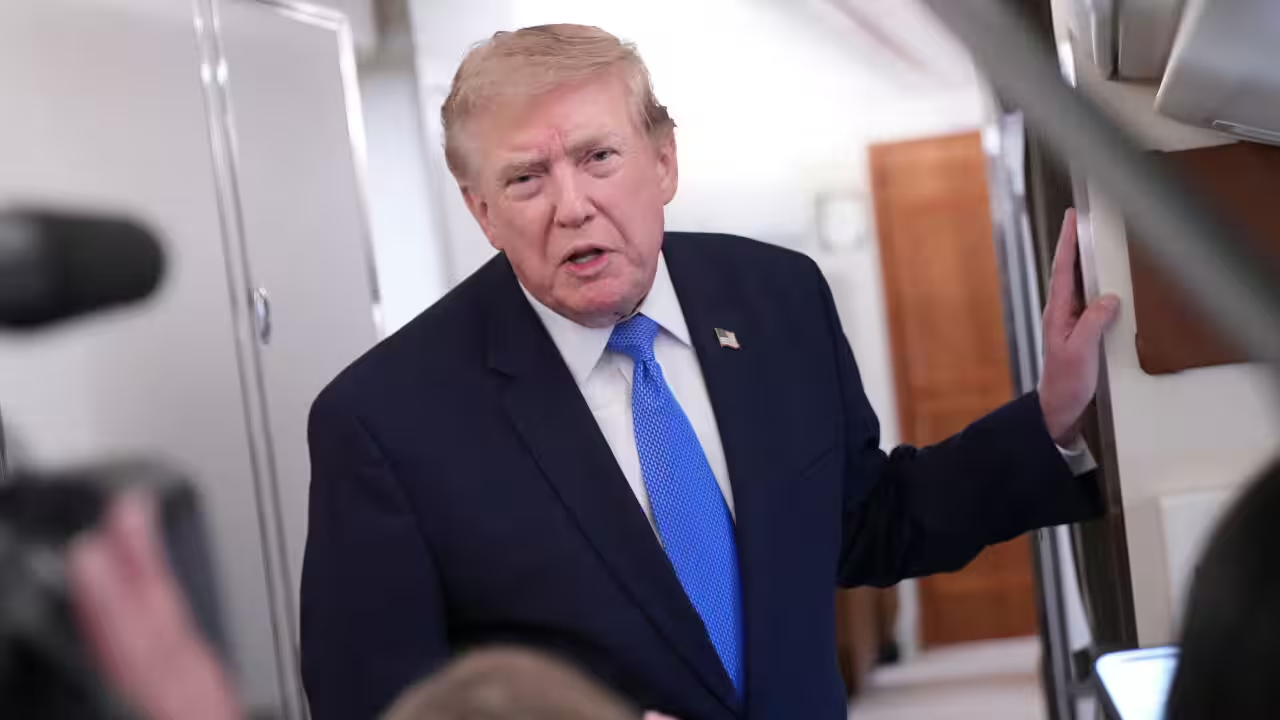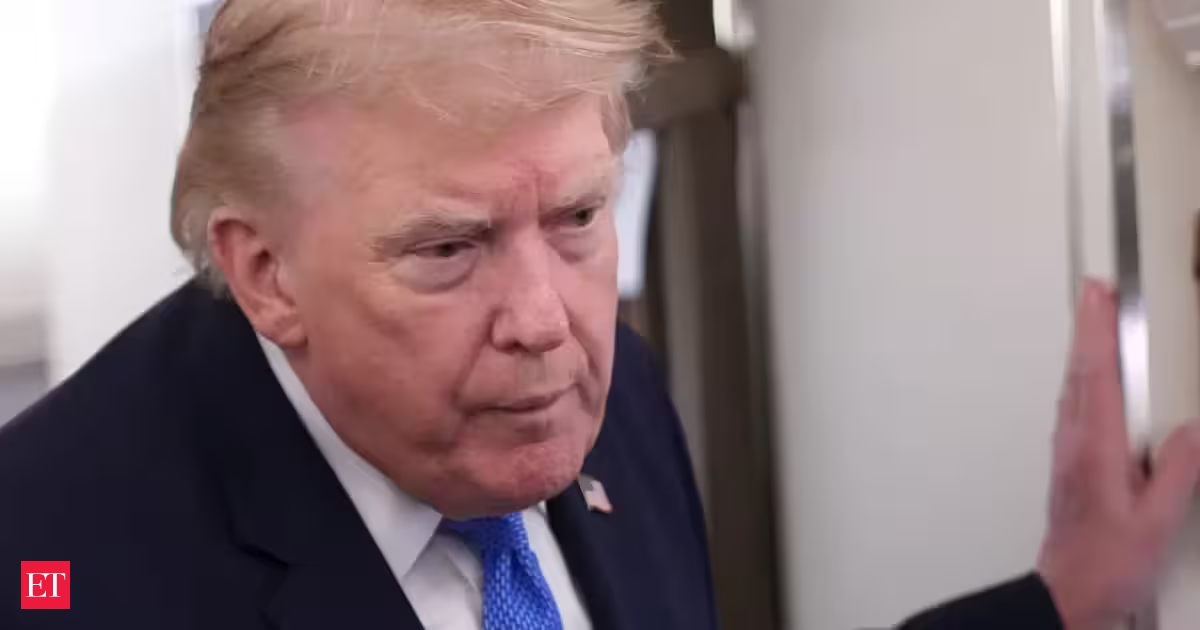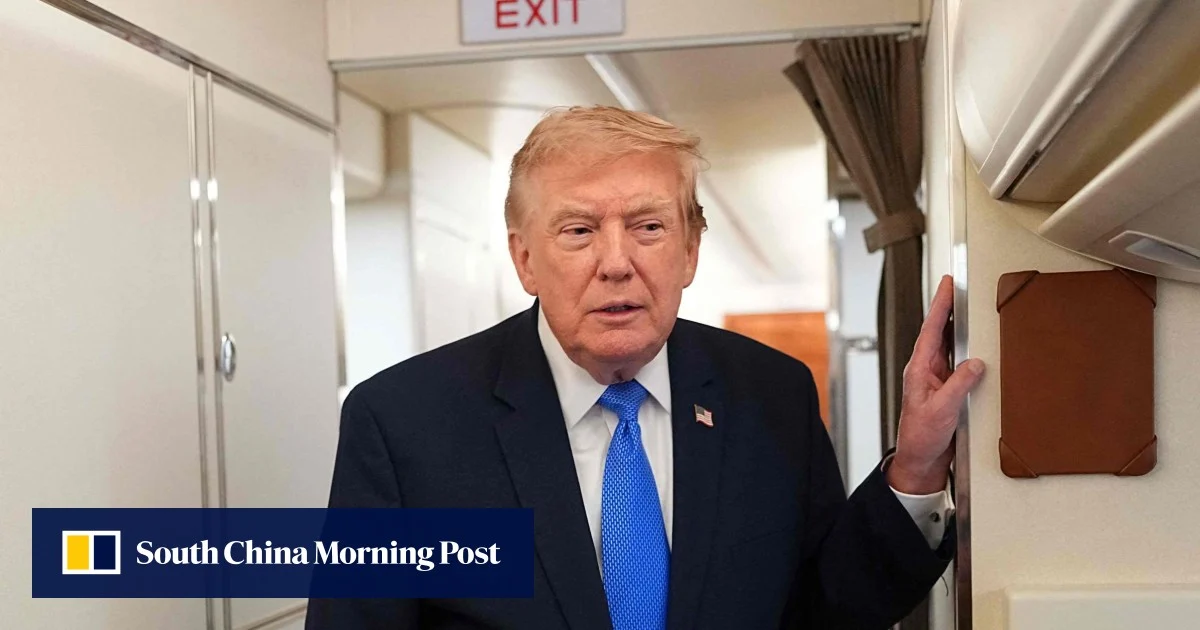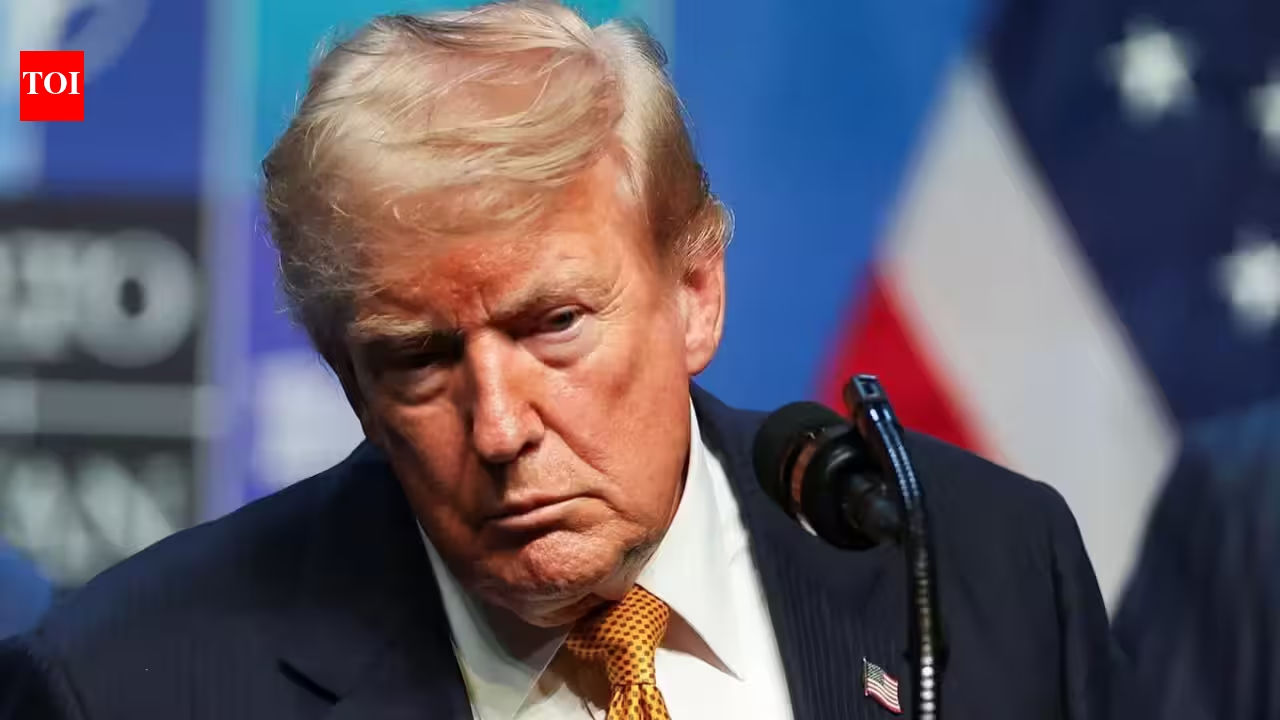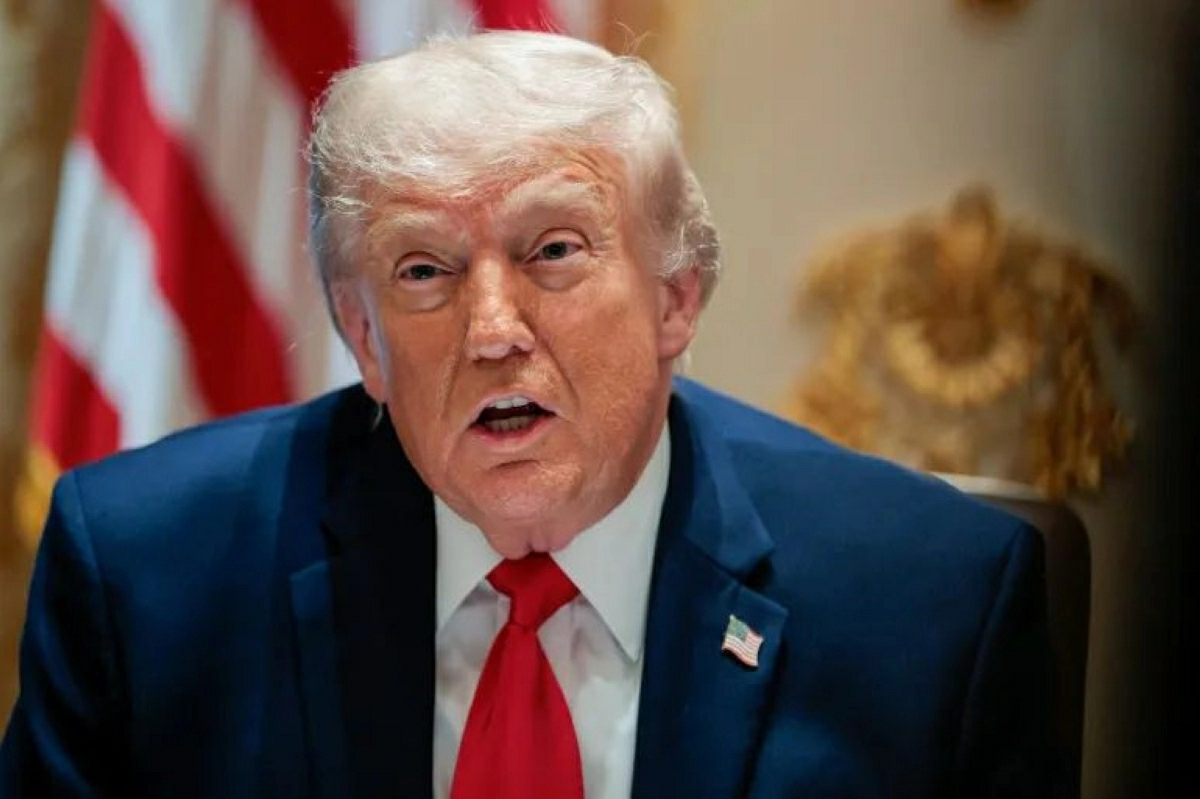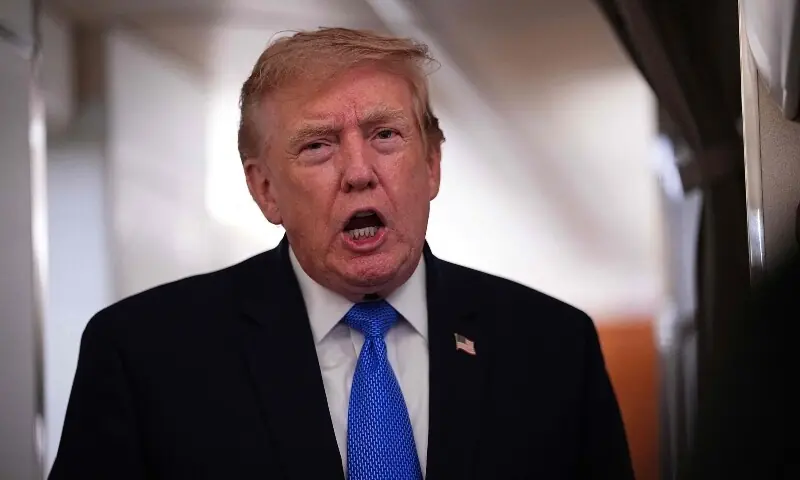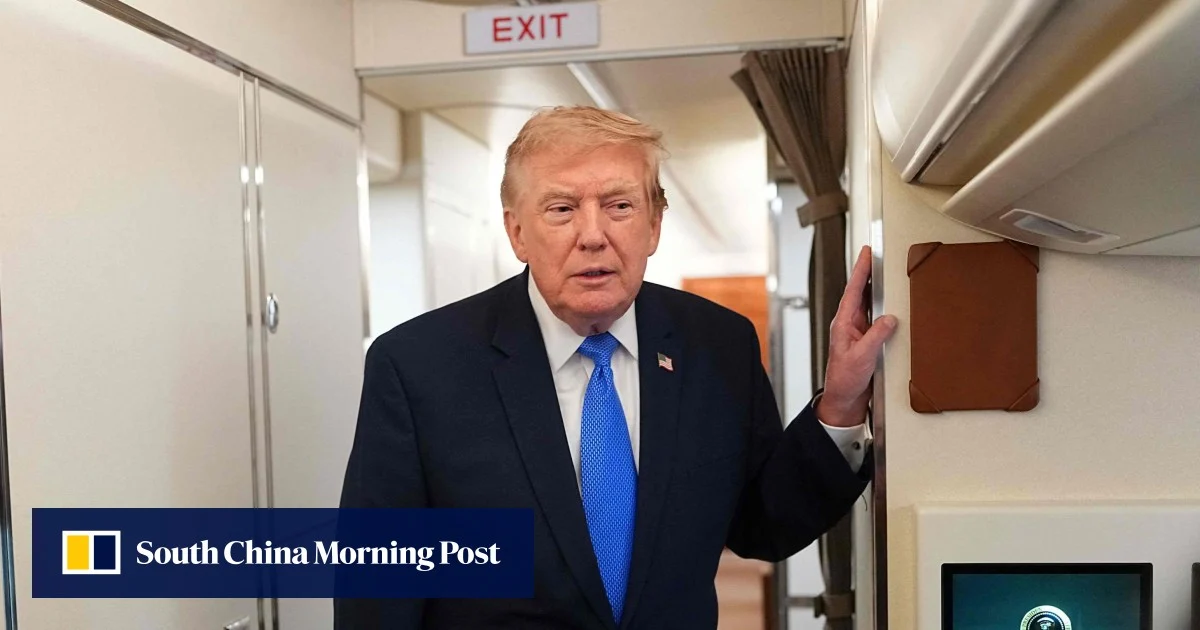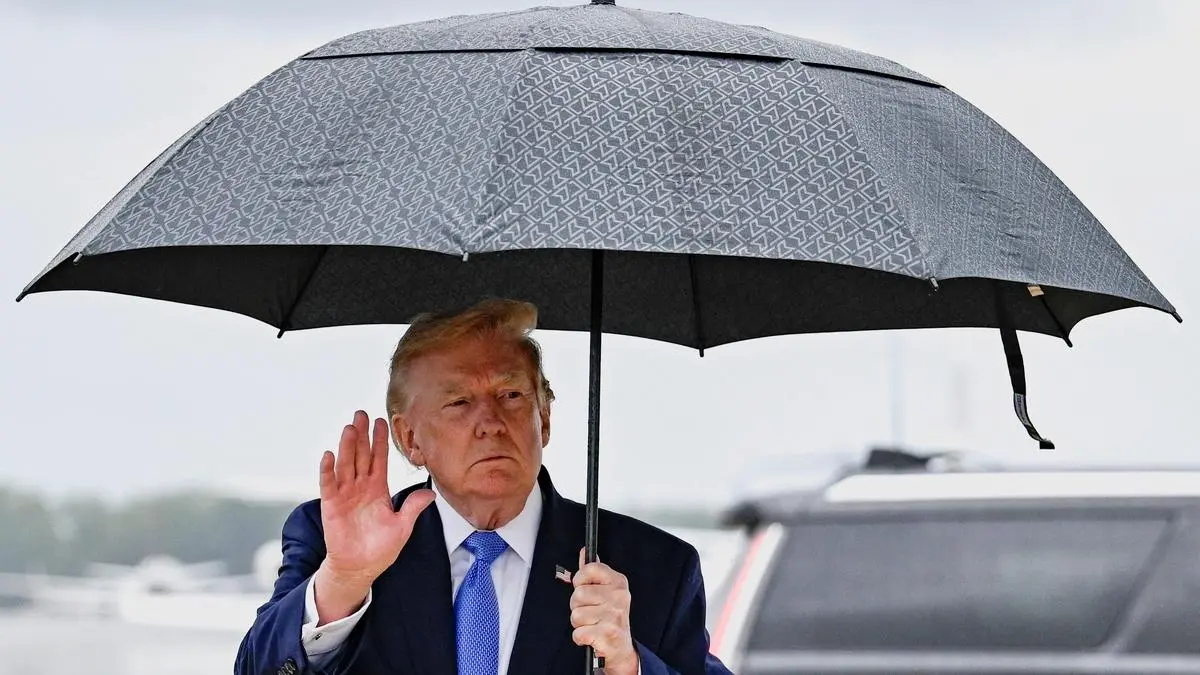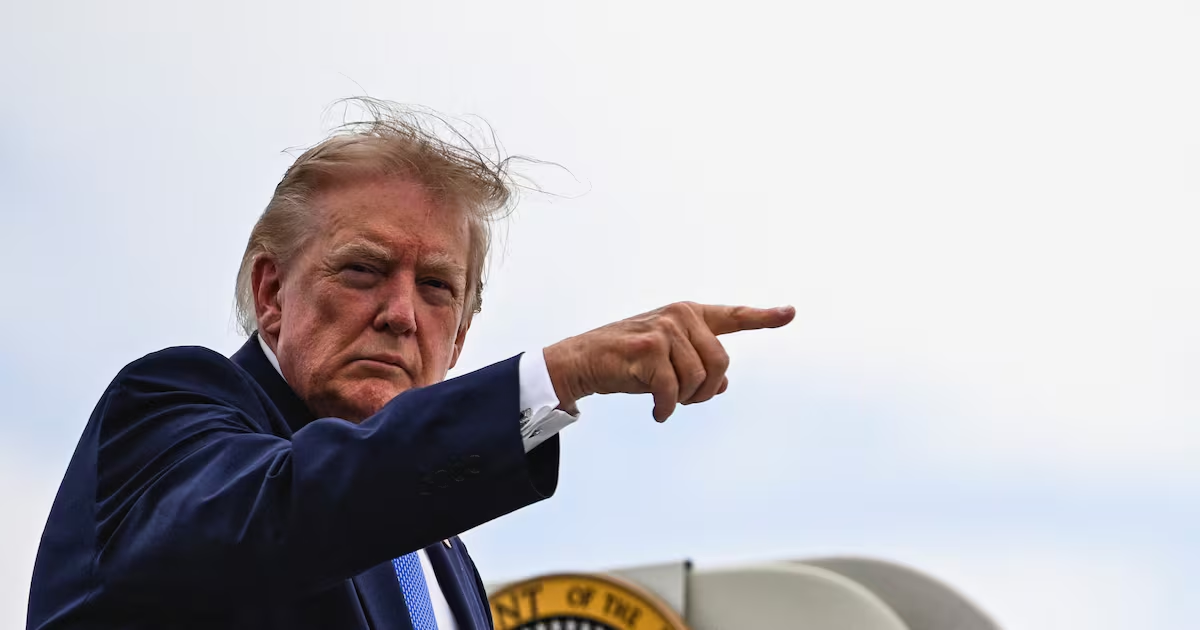
US President Donald Trump said new negotiations with Iran would begin on Monday after he halted what he described as a planned "massive attack" against the country, saying diplomacy had been given another chance.Mr Trump said he paused the operation after requests from Saudi Arabia, the UAE, Qatar and Iran, which, he claimed, believed a diplomatic agreement was within reach.Speaking aboard Air Force One, Mr Trump suggested any deal would first address the Strait of Hormuz before turning to Iran's nuclear programme, saying Washington would "hold it" and see how negotiations develop.He said talks would begin on Monday afternoon, describing the approach as negotiations rather than military action. He gave no details about where the discussions would take place or who would represent either side.Iran-Oman talksAsked whether diplomacy faced a deadline, Mr Trump declined to set one, saying the US was prepared to act whenever necessary, but he preferred a negotiated outcome because he was "not looking to kill people".The comments followed a Truth Social post in which Mr Trump said Iran and several Middle Eastern countries had sought more time to finalise a deal that would deliver the "immediate, complete and total" reopening of the Strait of Hormuz.He said any agreement must also end what he described as "Iran's nuclear threat", while urging Tehran to reach a deal quickly or risk renewed military action.The latest shift marks another turn in a conflict that has swung repeatedly between threats of escalation and diplomatic overtures. Mr Trump has previously warned of broader strikes before extending time for negotiations that have yet to produce a comprehensive agreement.The war, launched by the US alongside Israel in late February, has expanded beyond Iran and Israel, with attacks spreading across the Gulf, the Red Sea and reaching a Mediterranean facility in Egypt.Iran has largely closed the Strait of Hormuz since the conflict began, disrupting a waterway that carries about one-fifth of global oil and liquefied natural gas supplies, fuelling higher energy prices and inflation concerns.Oil prices fell more than four per cent in early Monday trading as investors reacted to the prospect of renewed diplomacy and a possible easing of tensions around the strategic shipping route.During a phone call, Saudi Crown Prince Mohammed bin Salman urged Mr Trump to prioritise dialogue and support efforts to secure a ceasefire in the Middle East, the Saudi Press Agency reported on Sunday.The crown prince stressed the need to de-escalate tension through dialogue and to make every effort to achieve a ceasefire that could pave the way for diplomatic solutions.He warned against the risk of the region being drawn into a broader conflict, saying such a scenario would have consequences for regional and global security and stability.Iranian Foreign Minister Abbas Araqhchi held separate calls with Saudi Foreign Minister Prince Faisal bin Farhan and Pakistan's army chief Asim Munir to discuss diplomatic efforts, according to Iranian state media.Iran's official Irna news agency reported negotiations between Tehran and Muscat over the Strait of Hormuz were nearing completion. However, Iranian Foreign Ministry spokesman Esmaeil Baghaei said the talks with Oman focused on a proposed new shipping route rather than reopening the strait itself.Israel signalled it would continue preparing military options regardless of any diplomatic breakthrough. Energy Minister Eli Cohen said Israel remained closely coordinated with Washington and would strike if Iran resumed its nuclear or ballistic missile programmes.Mr Trump and Israeli Prime Minister Benjamin Netanyahu met in Washington last week to discuss options including diplomacy, economic pressure and military force. Tehran continues to deny it is seeking to develop nuclear weapons.
Trump says Iran talks to begin after halting planned strike | The National
Iran says talks with Oman focused on a proposed new shipping route rather than reopening the strait
589 words~3 min read