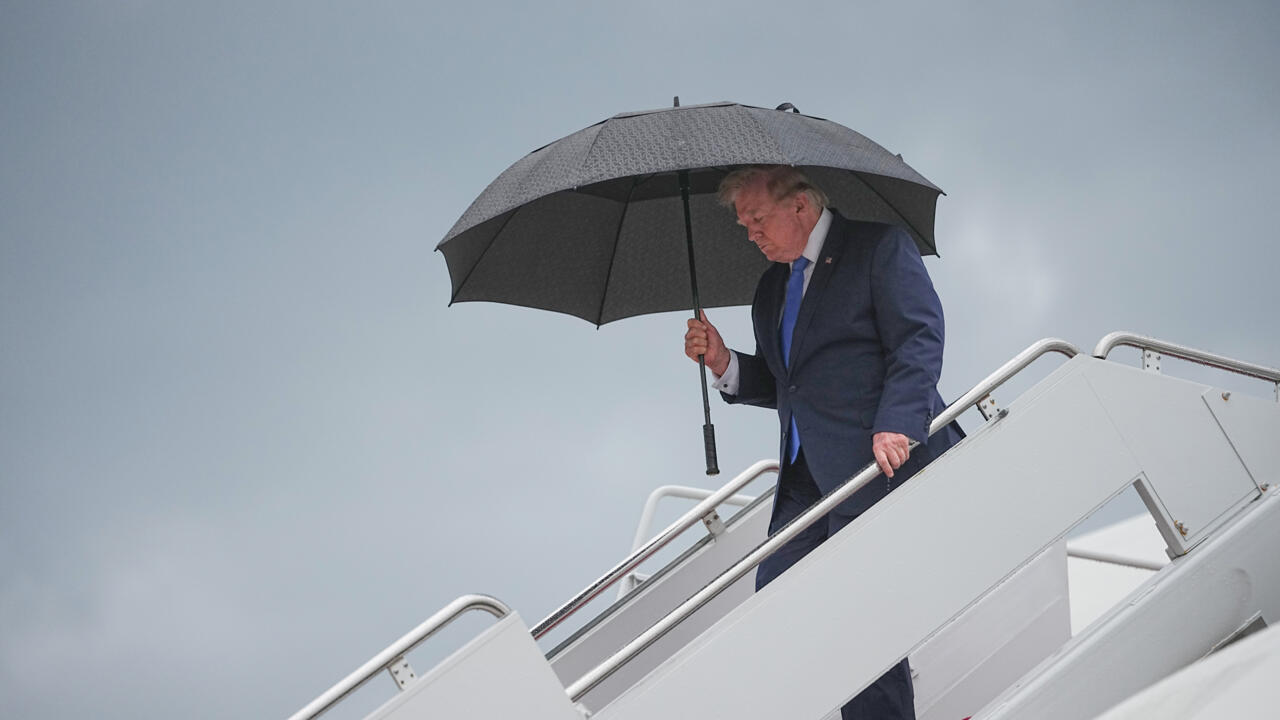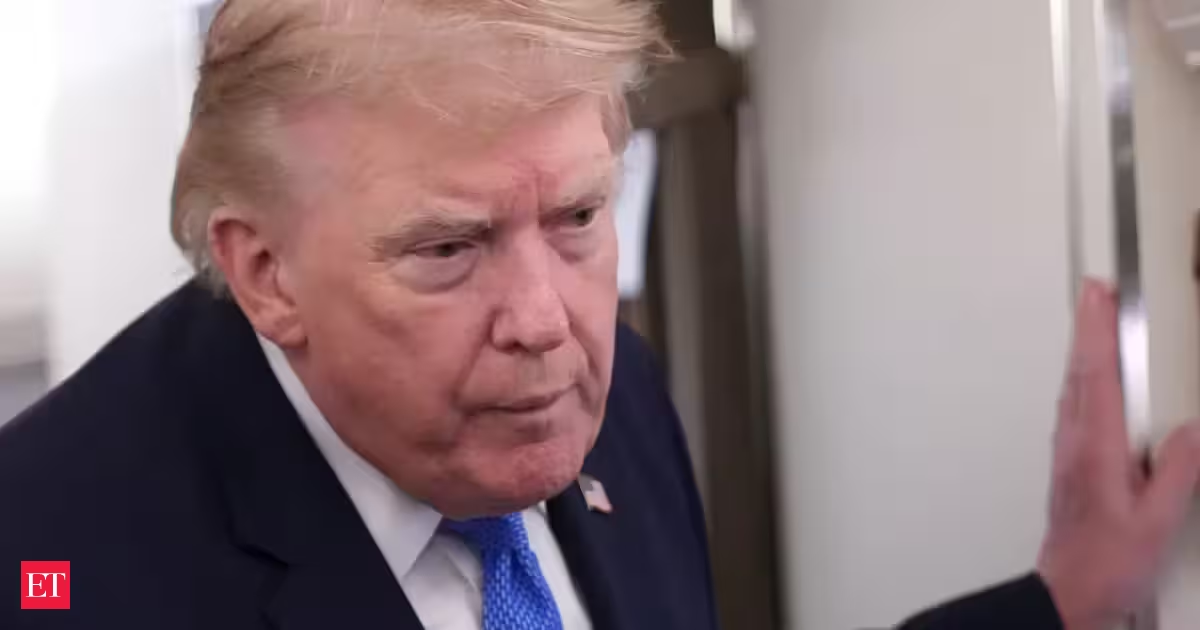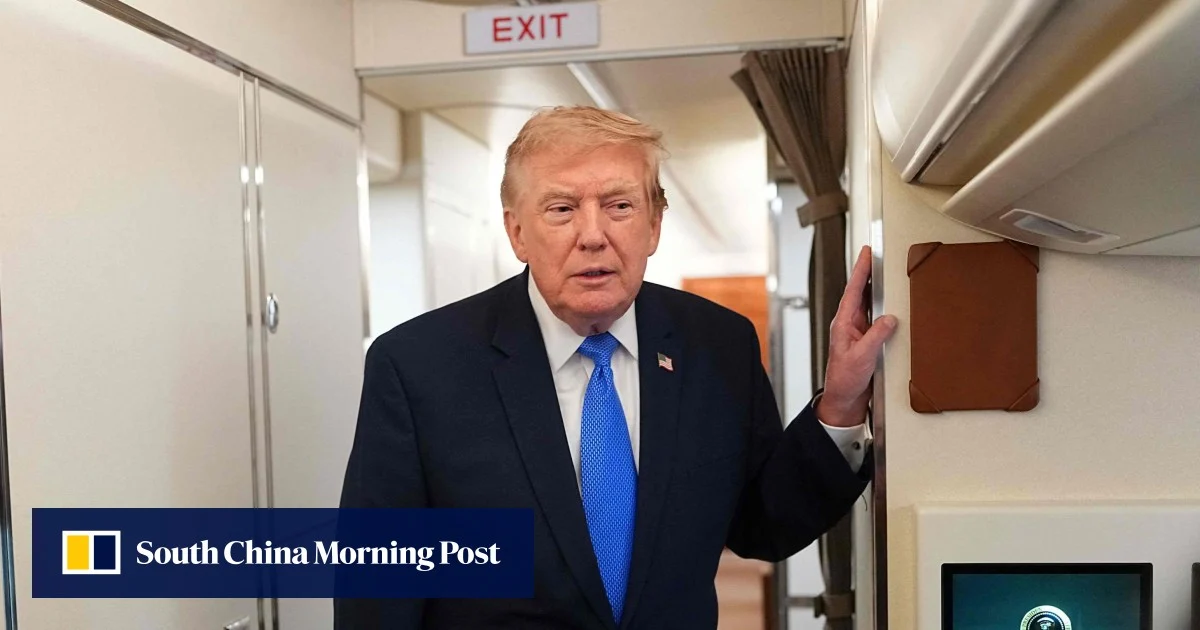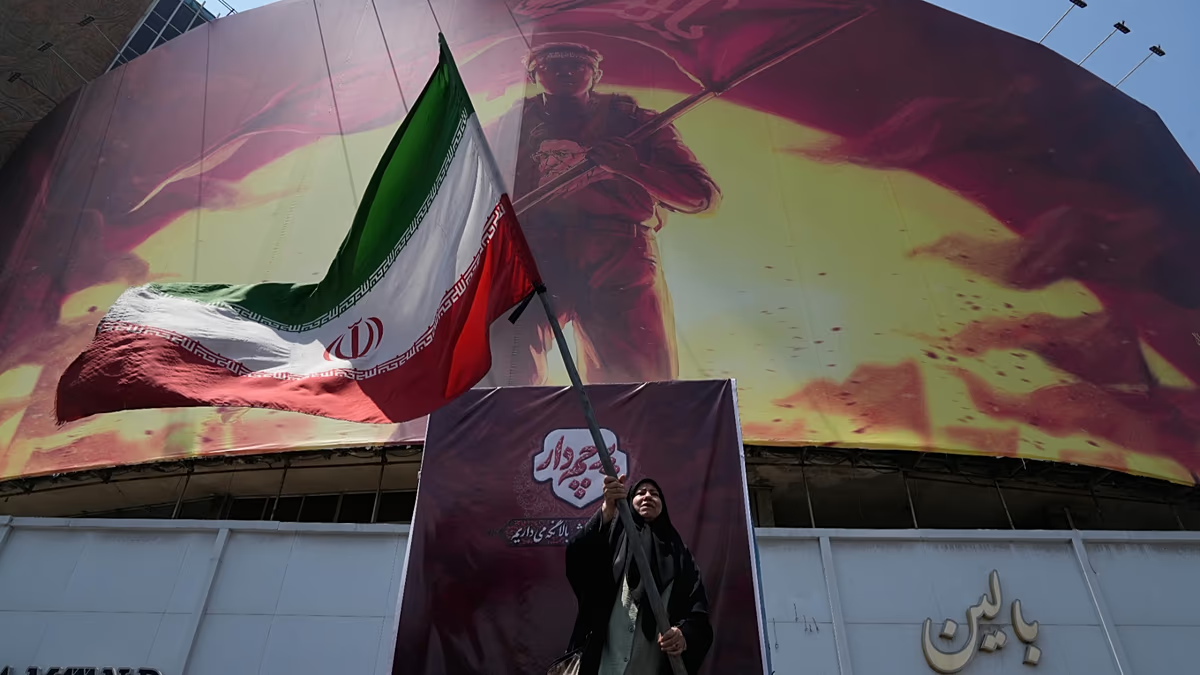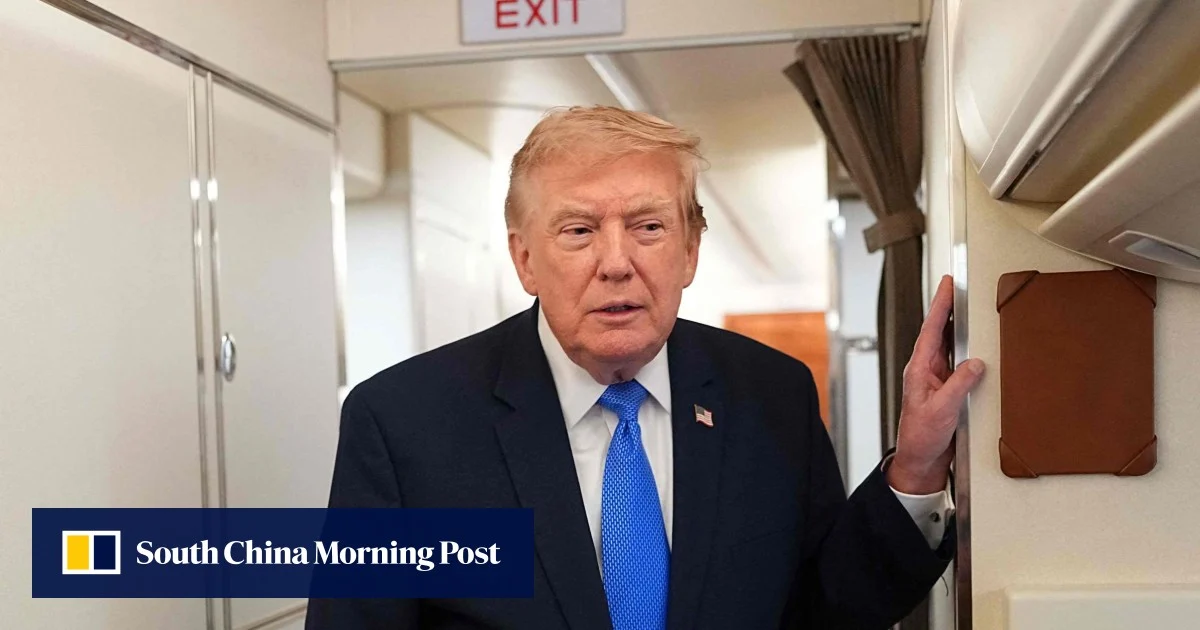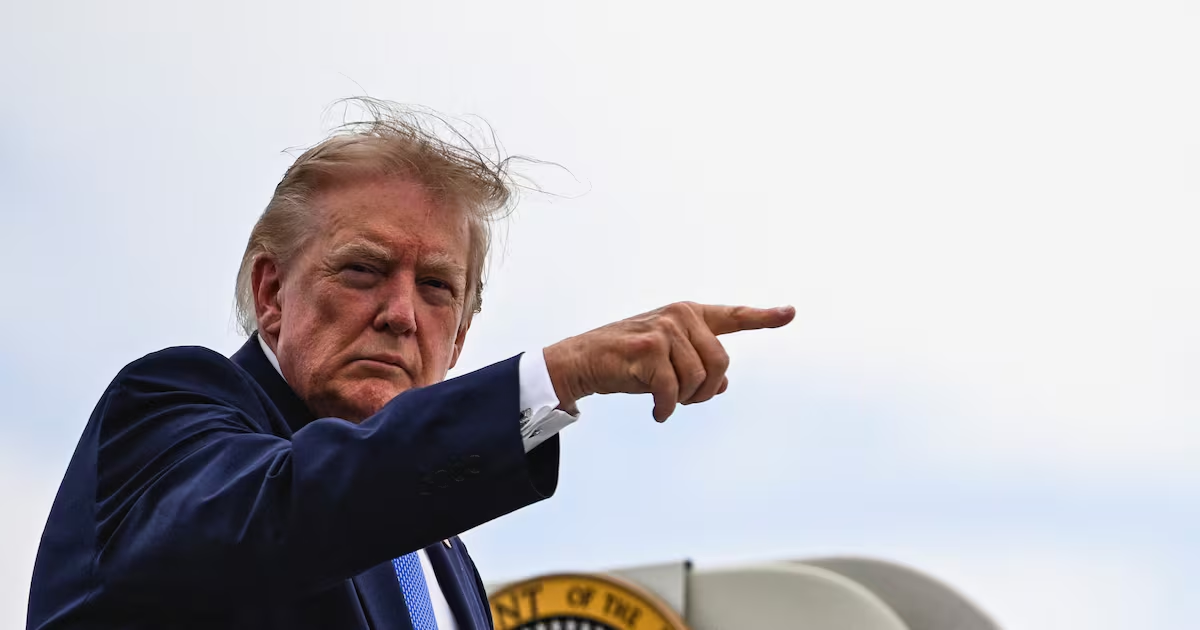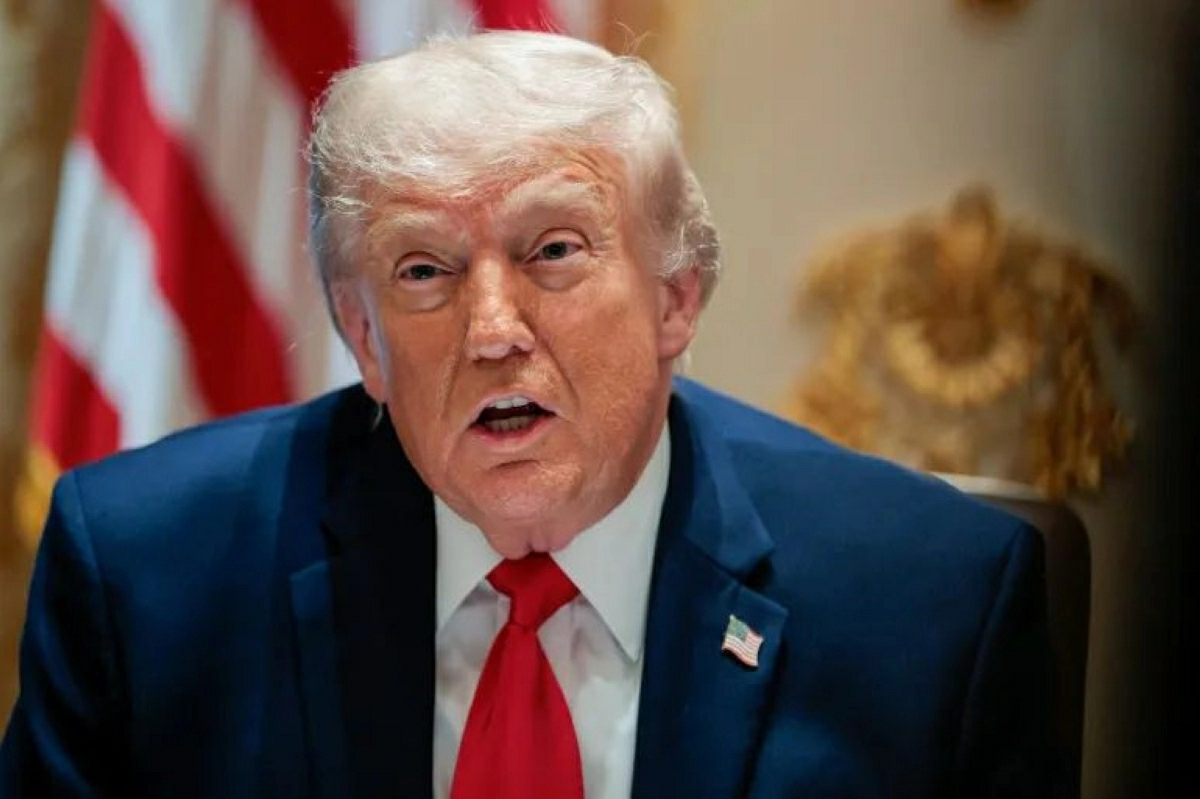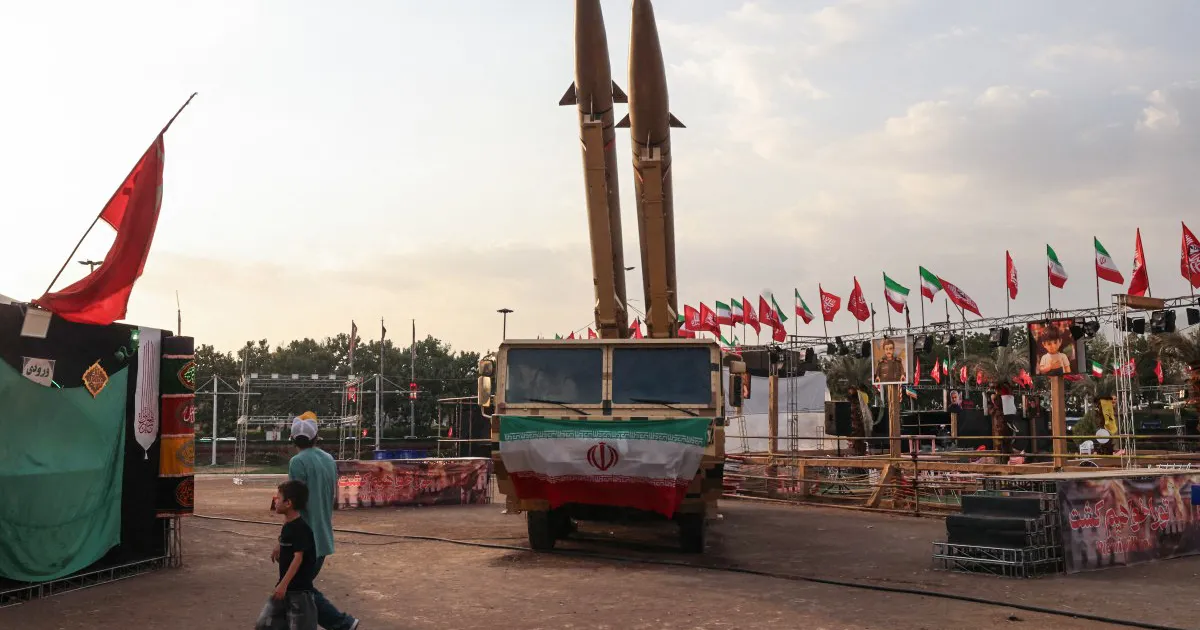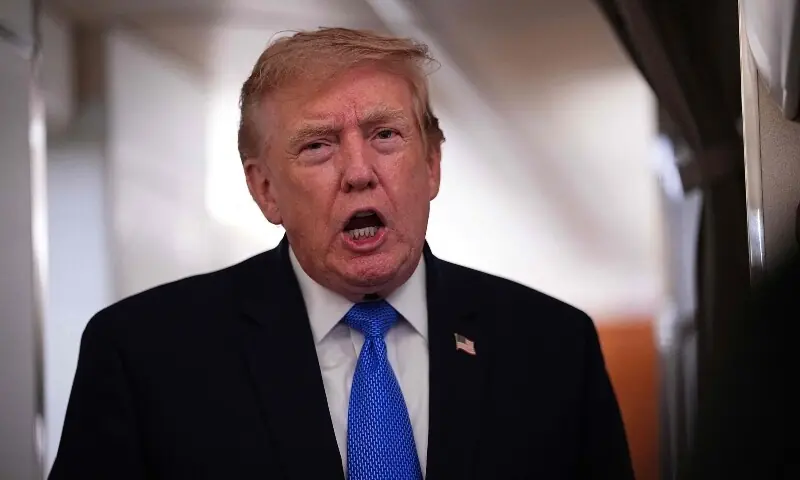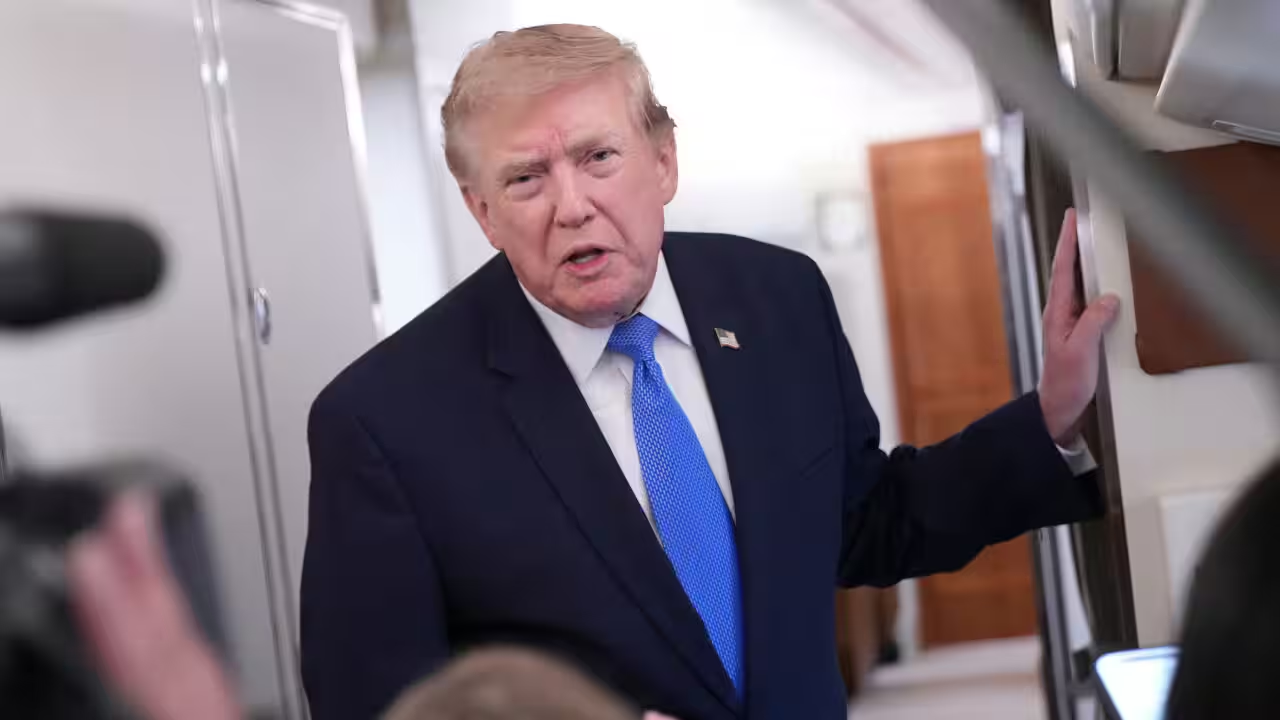
In briefIran said it was close to a deal with Oman on a new route through the Strait of Hormuz.The US has stood down from a major wave of attacks after US partners urged him to hold off.US President Donald Trump says new negotiations with Iran will begin on Monday, after he decided to hold off on striking the Islamic republic to pursue a deal to end the war that's now entering its sixth month.Trump told reporters on Monday that the talks would cover the Strait of Hormuz — a route for global energy supplies that has become a key sticking point in the conflict — and ultimately, the de-nuclearisation of Iran.For its part, Iran said it was nearing a deal with Oman over a new route through the strait, where a tanker reported an explosion nearby on Monday, underscoring the continued volatility of the strategic waterway.The US and Iran have been at war since 28 February, when the US and Israel launched surprise strikes against Iran, though months of on-off diplomacy have led to periods of relative calm.Following a return to strikes last month, fears had mounted that the fighting could escalate once again. Trump had threatened to hit Iran "very hard" and was reportedly considering renewed attacks, including against energy infrastructure, with US embassies across the region on alert.News that makes senseYour trusted source for staying up-to-date with the world around you. Get free daily news updates and analysis, straight to your inbox.Trump pulled back from that threat Saturday, saying the "perimeters" of a deal were there."Now what we're doing is we're talking to them in the form of a negotiation. It begins tomorrow afternoon," Trump told reporters aboard Air Force One on Sunday, without providing details of the venue or participants in the talks.The US president said he had been asked by Iran as well as US partners Saudi Arabia, the United Arab Emirates and Qatar to hold off on the strikes, which he claimed would have been "the biggest attack since World War II".Iranian media denied that Iranian officials had asked Trump not to strike.A previous ceasefire deal that included the reopening of the Strait of Hormuz fell through, and Iran has since tightened its control over the waterway.The US president said at the start of the conflict that the war was necessary to deal with Iran's nuclear program. Western nations accuse Iran of seeking a bomb, though Iran insists the program is entirely civilian in nature.'Exchange of views'Iranian politician Hassan Ghashghavi, spokesman for the parliament's national security commission, said on Sunday that mediators were trying to revive the so-called Islamabad memorandum of understanding, which was agreed in June.That memorandum was not intended as a final peace deal, but as a stepping stone to negotiations on a comprehensive agreement, though it did include provisions on Hormuz."They know that the main issue and, in fact, the key to the matter right now is the issue of the Strait of Hormuz, so yes, there is an exchange of views," Ghashghavi said.Posting on X, Iranian President Masoud Pezeshkian said: "We must strive to compel the enemy to remain committed to what it has signed."Hormuz, a vital route for global oil and gas supplies, has been at the centre of the failed diplomatic efforts so far.Before the war, there was free passage for all vessels, but Iran closed the strait during the war and now insists on retaining control and charging tolls, something the US rejects.Trump said any deal would have to include the "Immediate, Complete and Total OPENING OF THE HORMUZ STRAIT, and an end to Iran's nuclear threat".The dispute over the Strait of Hormuz sparked the return to strikes last month, as Tehran refused to let ships travel any route other than one that hugs the Iranian coast.On Sunday, Iranian foreign ministry spokesman Esmaeil Baqaei told state television that Iran and Oman — which sits on the other side of the strait — were close to an agreement on a new route through the waterway."We are now going to reach an understanding on a route acceptable to both sides — neither the northern route nor the southern route — but one that respects the sovereign rights of both sides and safeguards our national interests and security," he said.He insisted, though, that such an agreement did not mean the reopening of the strait.Maritime trade tracking firm Kpler said Friday that traffic through Hormuz had dropped sharply.For the latest from SBS News, download our app and subscribe to our newsletter.
Trump says fresh Iran talks set to begin after major strikes called off
As Iranian mediators battle to revive June's memorandum of understanding, the path to peace remains fraught.
750 words~3 min read