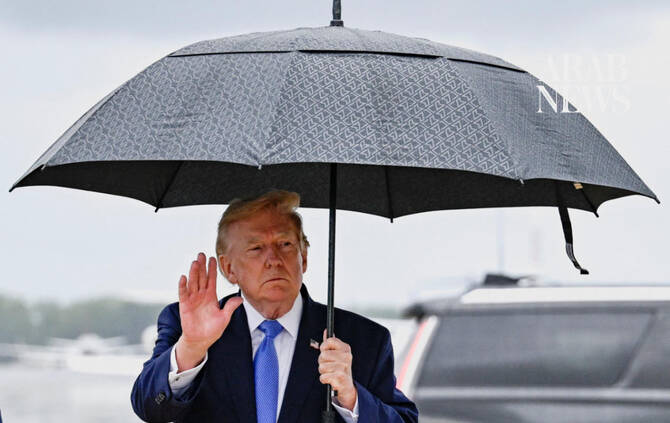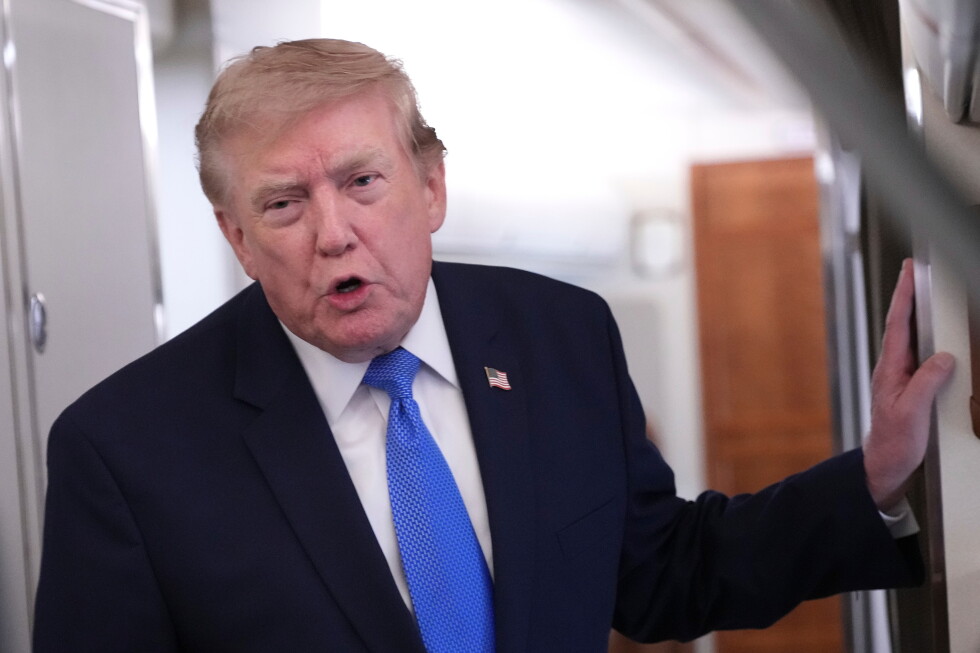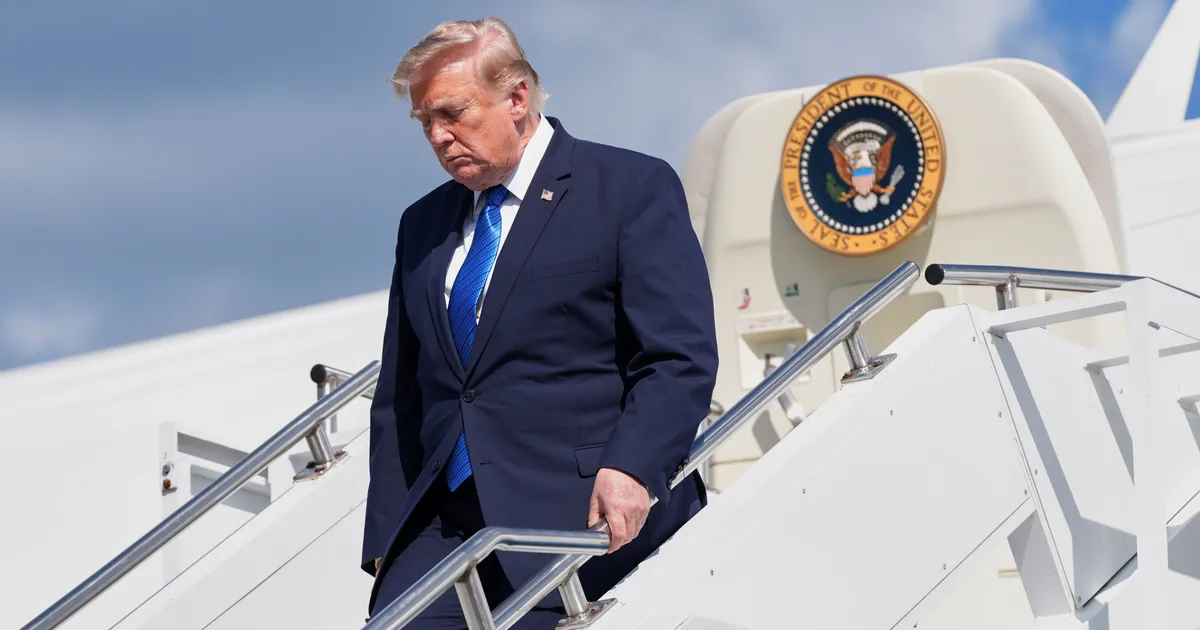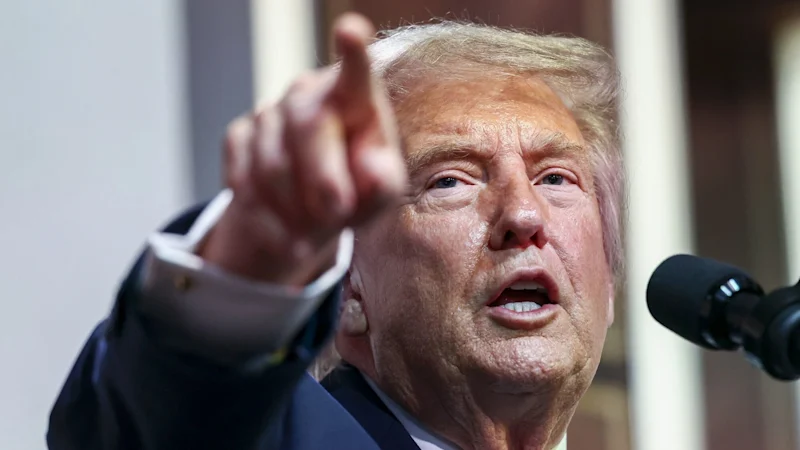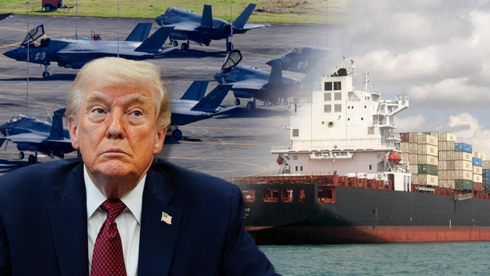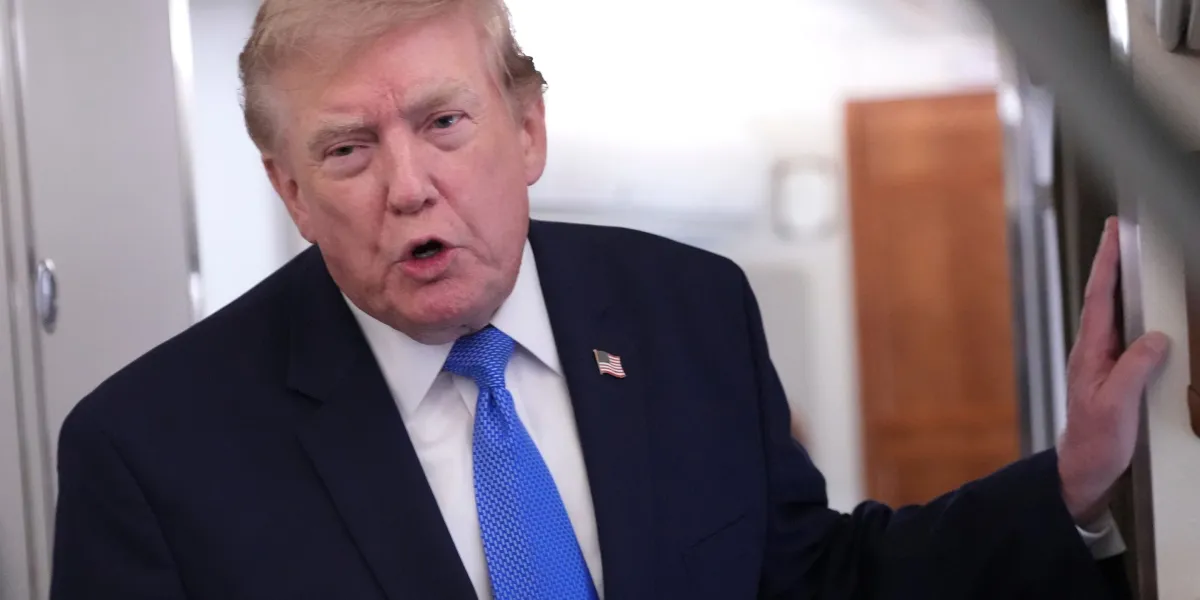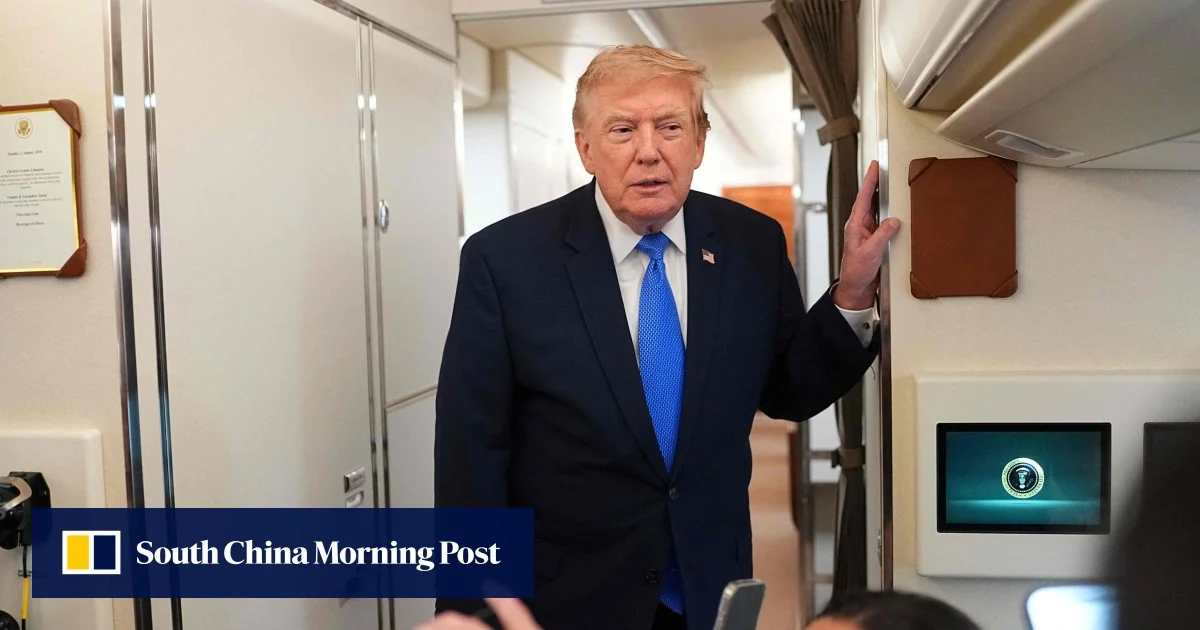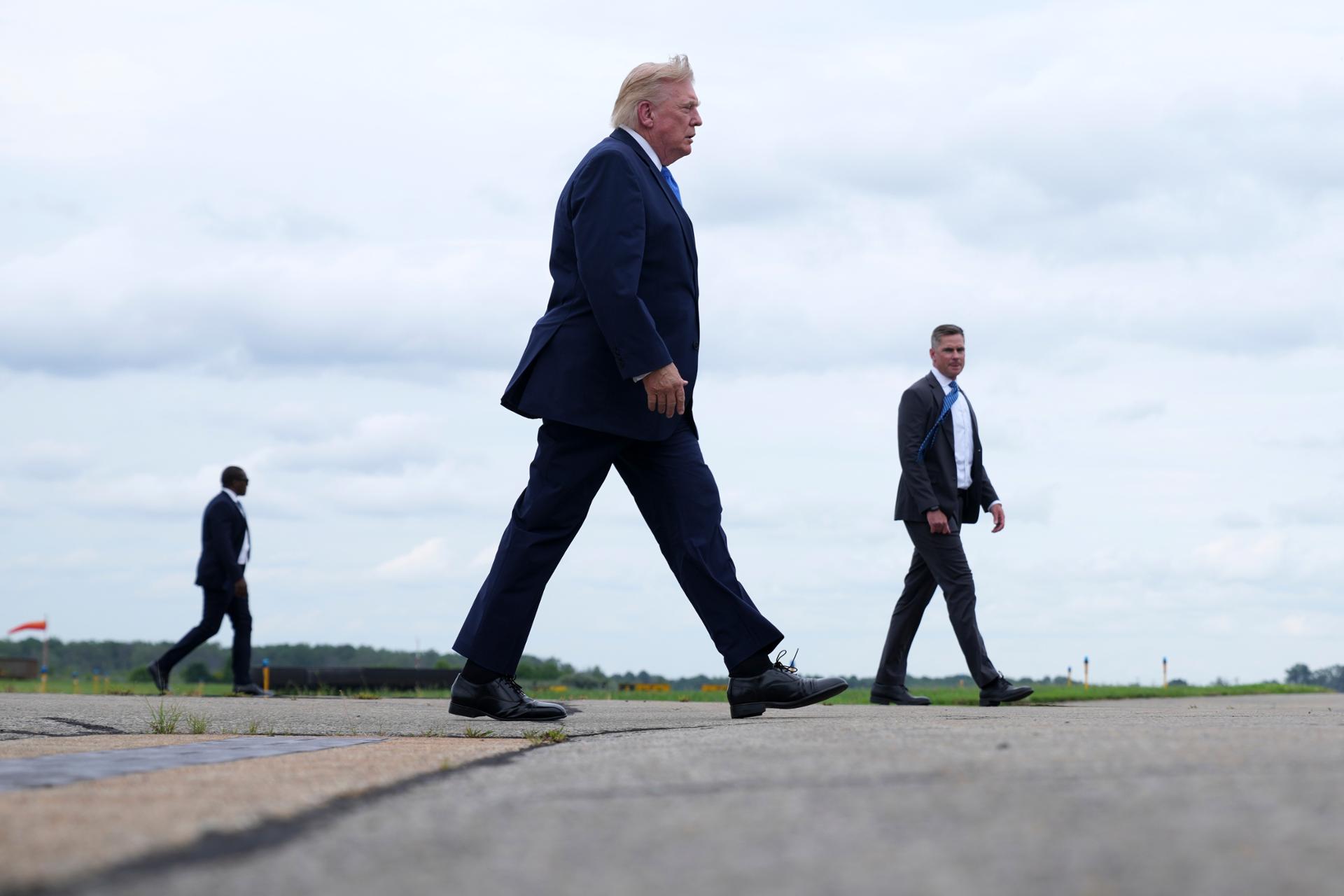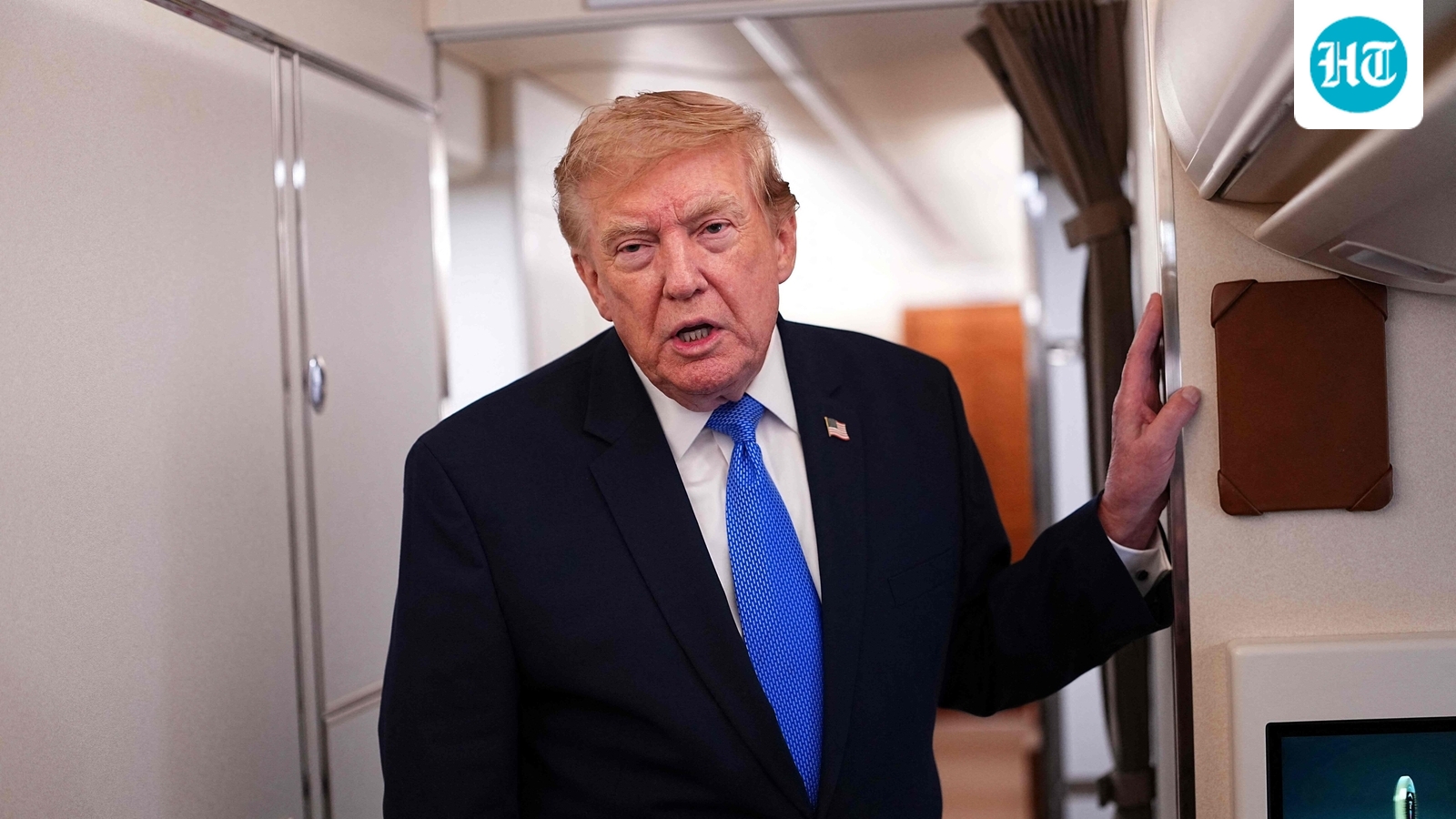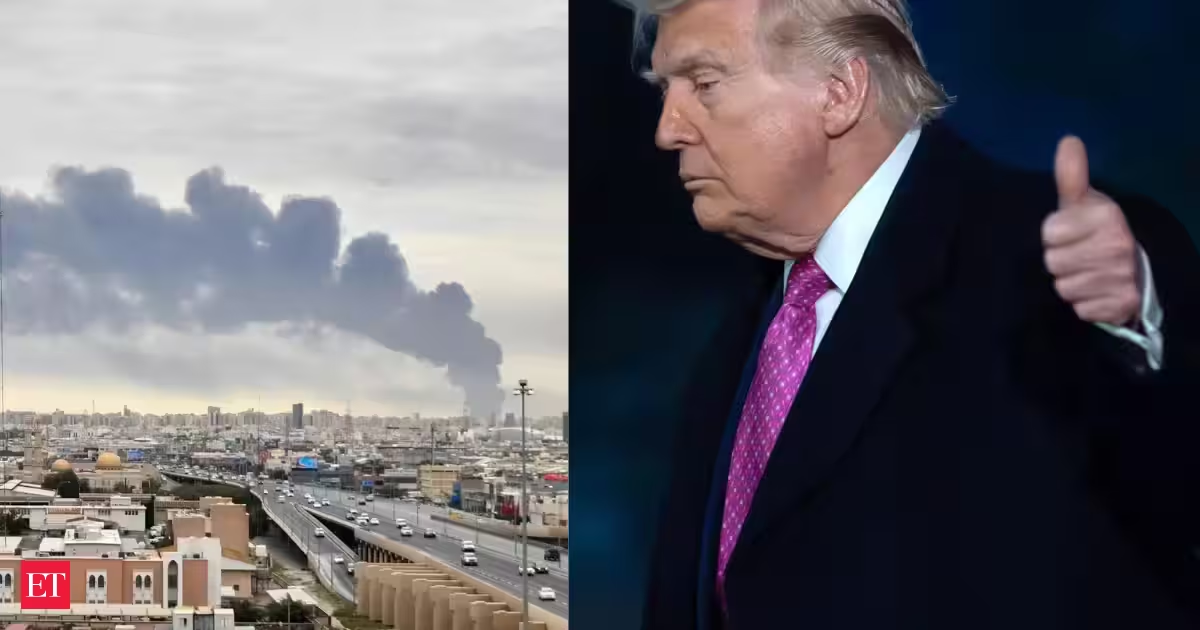
Washington: US President Donald Trump said on Sunday he decided to hold off on ordering American forces to carry out new strikes against Iran at the urging of Gulf allies Qatar, Saudi Arabia and the United Arab Emirates.The president added that a plan was in place for US forces to carry out "the biggest attack since World War II" on Sunday. But he decided to scrap the plan and give diplomacy more time to play out after hearing from key Gulf leaders -- including Saudi Crown Prince Mohammed bin Salman -- as well as at the request of unnamed Iranian officials.Also Read: Trump's closest Gulf allies are frustrated with his Iran war strategy"I said to the crown prince, 'What would you rather do? Would you rather us do this or not?'" Trump told reporters on Air Force One as he flew back to Washington after spending the weekend at his golf club in Bedminster, New Jersey. "They said we would much prefer a deal as opposed to an attack, because you don't know where these attacks lead."Trump and the crown prince spoke on Saturday before the US president announced in a social media post that Mideast allies had reached the "perimeters" of a deal to end the five-month-old war.It was another turnabout for Trump, who a day earlier said he is "losing faith" in negotiations with Iran and offered the ominous warning that the US military "will be hitting them very hard".Trump on Sunday reiterated that the emerging deal would include a reopening of the Strait of Hormuz, the critical waterway where about a fifth of the world's energy flowed before the start of the war, and would resolve US concerns about Iran's nuclear programme.Iran has repeatedly attacked vessels attempting to transit through the Strait of Hormuz without its authorisation as part of its conflict with the US.And Iran's Foreign Ministry spokesperson Esmail Baghaei said on Sunday that the Strait of Hormuz "will in no way return to the status it was before February 28", the day the war started.On a call with Iranian state TV, he added that Iran is discussing shipping through the strait with Oman, on the other side of Hormuz, but that there is no current talk about reopening the crucial waterway.Trump has announced halts to strikes on Iran on several occasions since the US and Israel attacked Iran on February 28, only for things to unravel and fighting to resume again.Iran's defence minister said on X that the country was "neither surprised nor passive" following Trump's announcement and said Iran remains alert in the face of concrete threats from the US.While Iran's leaders appear united in a war strategy signalling strength and endurance, a struggle for control seems to be brewing within the theocracy's leadership between those who oppose all negotiations with the US and others who count on military pressure to win at the negotiating table.The latest proposal would bring sides back to negotiations Trump on Sunday said he expected negotiations to resume "tomorrow afternoon" but did not detail who would be involved in such talks.A regional official said the proposal announced by Trump over the weekend calls for the US and Iran to return to negotiations and continue working out many of the issues that have stymied prior progress on the deal.Also Read: Iran's leaders show united front over war but are divided over what the goal isThe official, who is involved in the mediation efforts, said the proposal calls for reopening of the Strait of Hormuz and halting attacks across the region, including by Iranian-backed militias in Iraq on the Arab Gulf countries and Jordan.The US, in exchange, will end its naval blockade on Iran and allow Tehran to export its oil as stated in the tentative ceasefire deal, he said.No deal has been reached yet, but mediation efforts are underway, said the official, who spoke on condition of anonymity because he was not authorised to talk to the media.Trump said that Israel is joining his commitment to end the war by implementing the ceasefire deal reached in June. Israel did not publicly comment on the announcement.Saudis are concerned about Iran's retaliation Prince Mohammed, the kingdom's de-facto leader, raised concerns about the US potentially escalating the conflict when he spoke with Trump by phone on Saturday.The call was "candid and constructive", according to a person briefed on the call who was not authorised to comment publicly and requested anonymity.The crown prince conveyed that an escalation in fighting could have a severe impact on the global economy if Tehran responded to a new US bombardment by targeting some of the United States' Gulf allies.The call happened before Trump's social media announcement, the person said. The crown prince sought clarity from Trump on what potential new action he was weighing to take against Iran.Saudi officials, the person added, have underscored in their engagements with the Trump administration that the kingdom -- as well as fellow Persian Gulf energy titans the United Arab Emirates and Qatar -- are in a good position to defend against further potential Iranian attacks, but that Kuwait could be more vulnerable to attacks by Iranian-backed militias in Iraq.Trump suggested that his conversation with the Saudi crown prince weighed heavily in his decision to halt his plans to carry out strikes on Iran."It would have been disastrous for them. And they didn't want us to do it," Trump said. "And frankly, Saudi Arabia didn't want it either. They thought that a deal is imminent."
Trump says Gulf leaders' input weighed heavily in decision to hold off new Iran strikes
US President Trump opted against launching new strikes on Iran after receiving counsel from Gulf allies, advocating for diplomatic solutions instead. While plans for a significant operation were prepared for Sunday, Saudi Crown Prince Mohammed bin Salman cautioned against such action, emphasizing the pursuit of a diplomatic deal.
913 words~4 min read