Introduction: Navigating the Ingress to Gateway API Migration in Kubernetes
The Kubernetes ecosystem is undergoing a pivotal transformation, with networking APIs driving this evolution. Central to this shift is the migration from Ingress to the Gateway API, a transition that represents more than a technical upgrade—it signifies a fundamental change in how Kubernetes manages traffic routing, load balancing, and service exposure. For platform engineers, mastering this migration is essential to maintaining relevance and efficacy in an increasingly complex landscape.
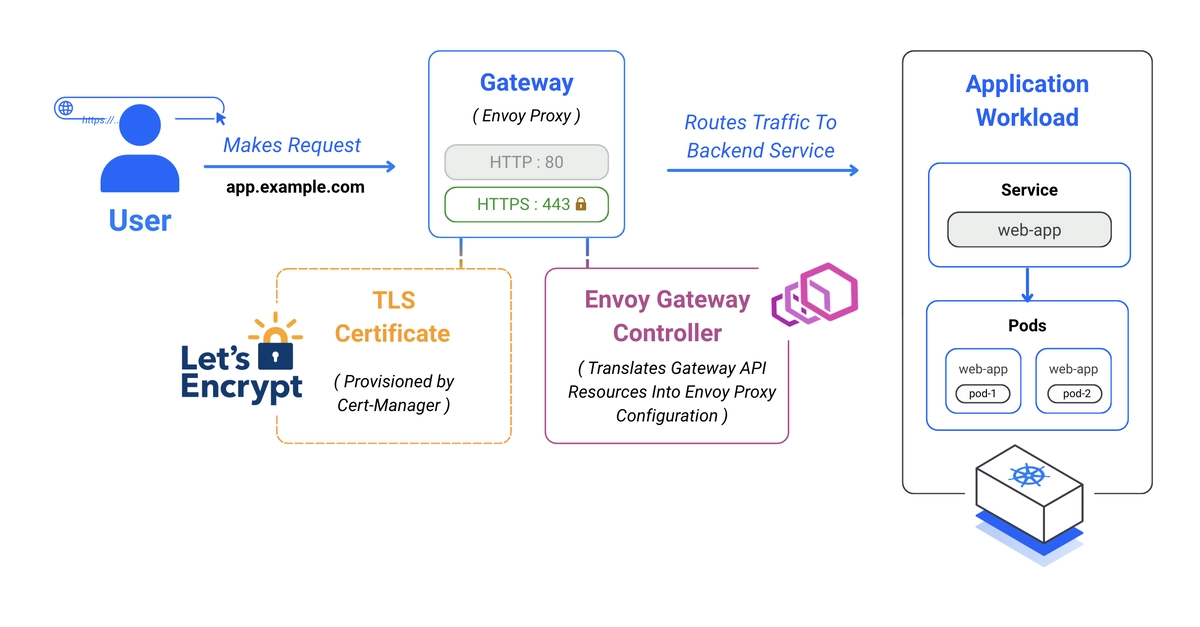
The Ingress API, while foundational to Kubernetes networking, exhibits inherent limitations in flexibility and extensibility. Its monolithic design struggles to support dynamic, multi-cluster, or multi-tenant environments due to tightly coupled routing rules and service definitions. In contrast, the Gateway API introduces a modular architecture that decouples these elements, enabling finer-grained control over traffic flow. This is achieved by decomposing the monolithic Ingress resource into discrete, reusable components such as Gateways, HTTPRoutes, and TCPRoutes. Mechanistically, this decoupling minimizes configuration conflicts and facilitates independent scaling of routing rules, critical for high-traffic, dynamic environments.