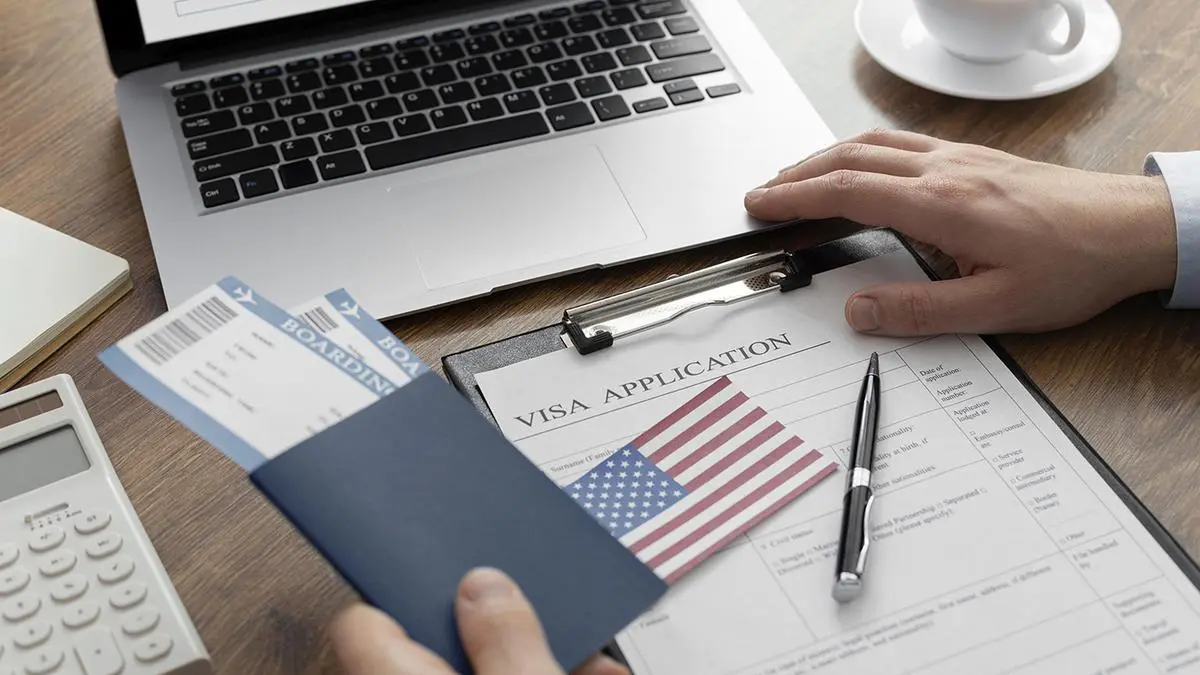
Travellers from 30 African countries are set to face tougher financial requirements when applying for U.S. business and tourist visas after Washington permanently adopted its controversial visa bond program, exactly 12 months after it was introduced on a trial basis.
The policy, first launched on August 20, 2025, was designed to deter visa overstays by requiring selected applicants for B-1 (business) and B-2 (tourist) visas from designated countries to post refundable bonds before travelling to the United States.
Initially rolled out as a one-year pilot with bond amounts ranging from $5,000 to $15,000, the program has now become a permanent feature of the U.S. immigration system.
According to a draft notice published in the Federal Register, the year-long review "provided sufficient data" to conclude that the visa bond program effectively enforced compliance with the conditions of temporary visas, prompting the Trump administration to adopt it permanently.
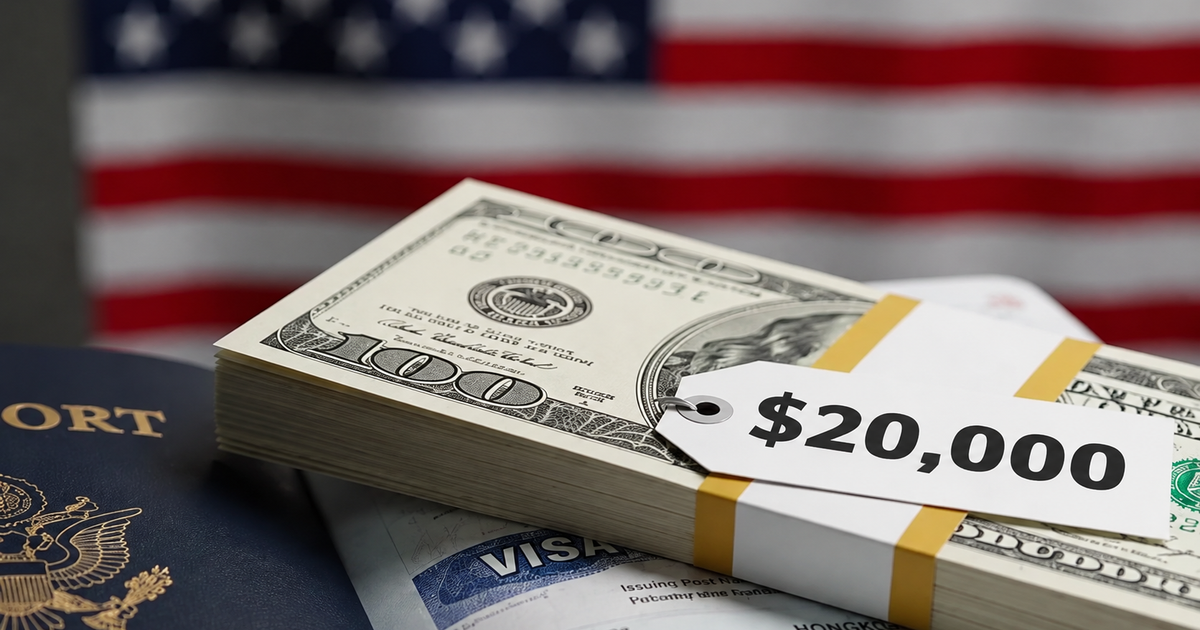
The rule, which takes effect on Monday, August 3, 2026, raises the maximum bond from $15,000 to $20,000 while eliminating the previous $5,000 minimum payment. Under the new framework, eligible applicants may be required to deposit $10,000, $15,000 or $20,000, depending on a U.S. consular officer's assessment.