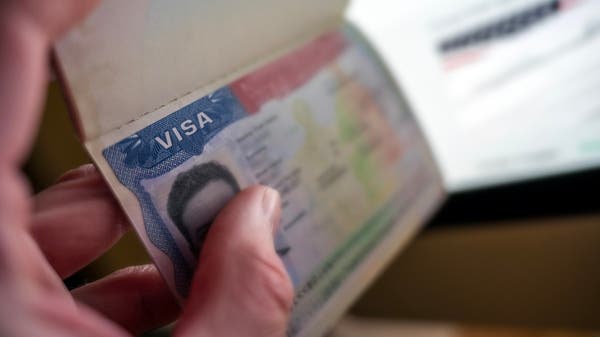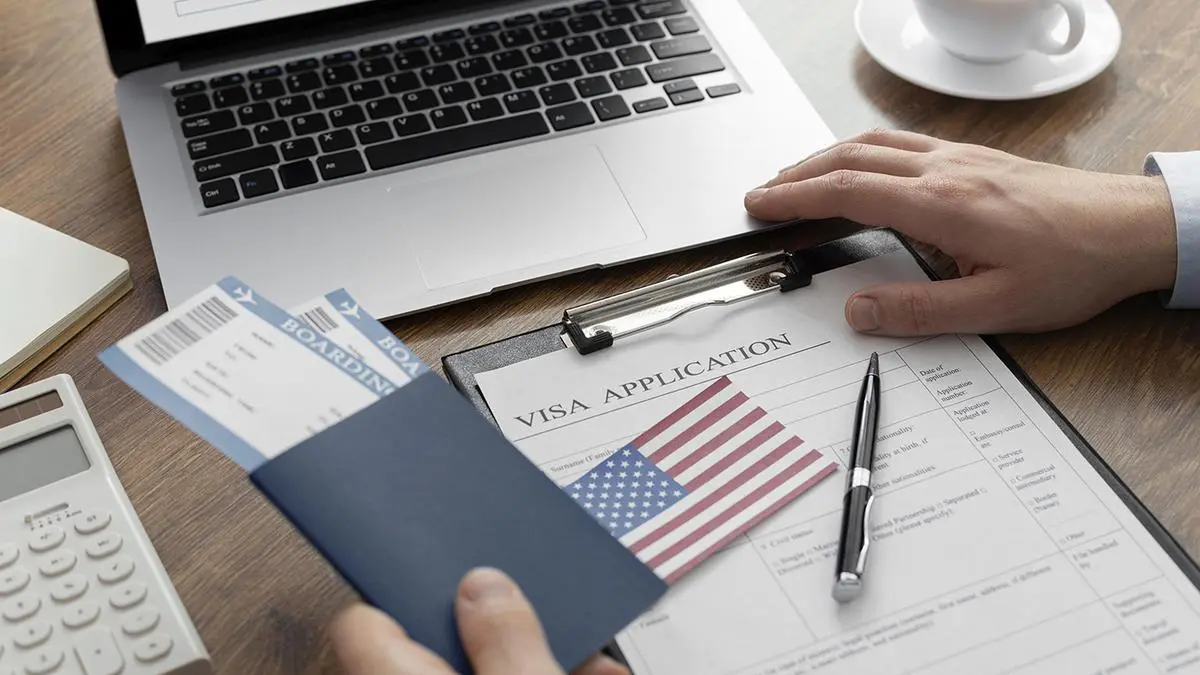
The US government says the permanent visa bond programme helps improve compliance with visa rules and reduces the number of visitors who overstay their visas.
The State Department is making permanent a pilot programme under which citizens from 50 countries, mainly in Africa, are required to post bonds to apply for a US visa, and it’s raising the cost as well, to as much as USD 20,000.A draft notice published Friday in the Federal Register says a nearly year-long review “provided sufficient data” to suggest the bond programme effectively enforces compliance with visa conditions, and would be made permanent.The notice is to be formally released on Monday, the day the programme becomes permanent, and additional countries may be added to the list. The pilot programme set the maximum bond amount at USD 15,000, with lower amounts of USD 5,000 and USD 10,000 based on a consular officer’s discretion. The final regulation raises the maximum to USD 20,000 and removes the USD 5,000 low-end payment.The programme requires holders of passports from the affected countries to pay the bond to be interviewed for business and tourist visas — known as B1 and B2 visas — to travel to the United States. The bond is refunded if the visa application is denied or, if granted, if the person adheres to the visa terms.Programme aimed at reducing visa overstaysThe Trump administration rolled out the programme last August to crack down on visa overstays and as part of its broader efforts to curtail illegal migration. The government estimates that arresting and deporting visitors who have overstayed their visa costs about USD 18,000 per person.State Department officials have hailed the program as a great success. In 2024, nearly 45,500 visitors from the 50 countries in the programme overstayed their visas, according to the notice. In the first 10 months of the pilot visa bond programme, the number of overstays from those countries was fewer than 50, it said.Critics cite impact on travellersCritics have said it imposes an unnecessarily harsh burden on people from impoverished countries to visit family members or to pursue education or business opportunities in the US.According to government projections and statistics from the first year of the programme, the State Department initially expected that about 2,000 visa applicants would be required to post the bond. Instead, the department found that roughly 20,000 applicants were covered by the bond requirement.Nearly half of those applicants chose not to pay the bond and there was an 83 per cent decline in the number of business and tourist visas issued to citizens of countries on the list.“The department expects that this final rule will contribute to the continued reduction of demand for B1/B2 visa applications from nationals of countries subject to the programme,” the notice said.Published on August 1, 2026