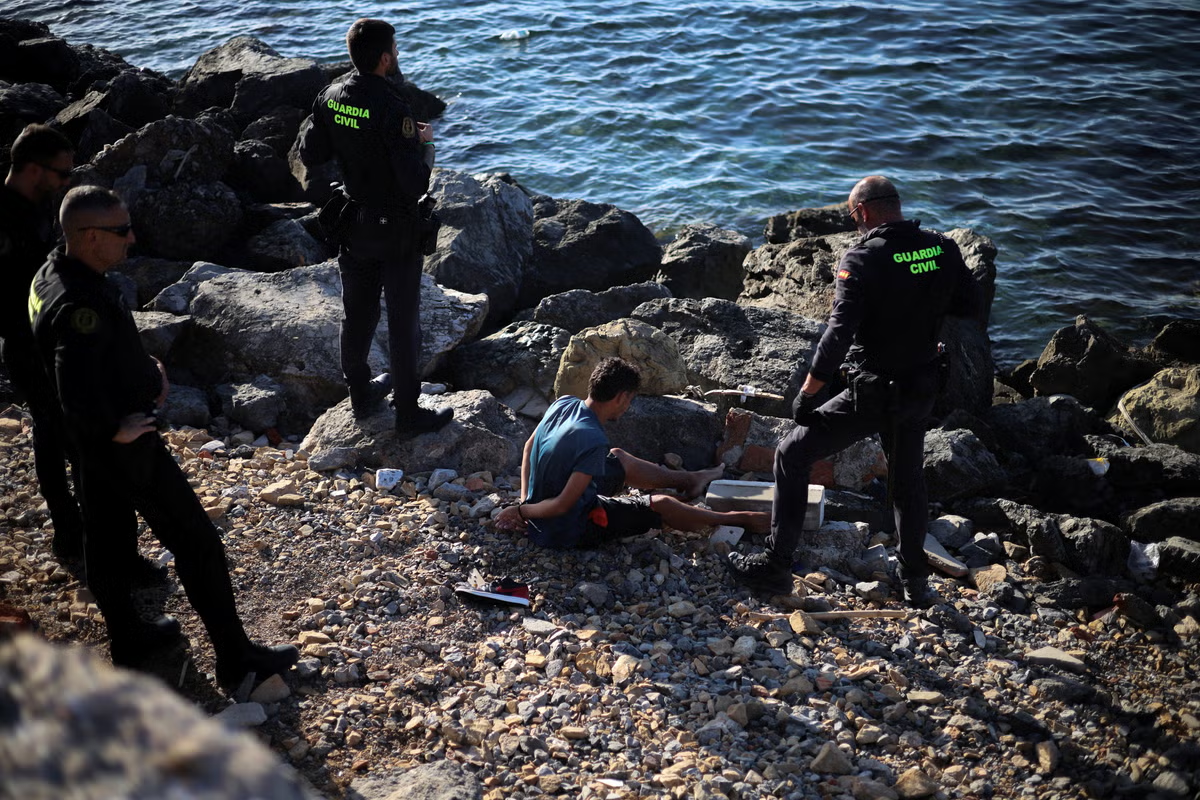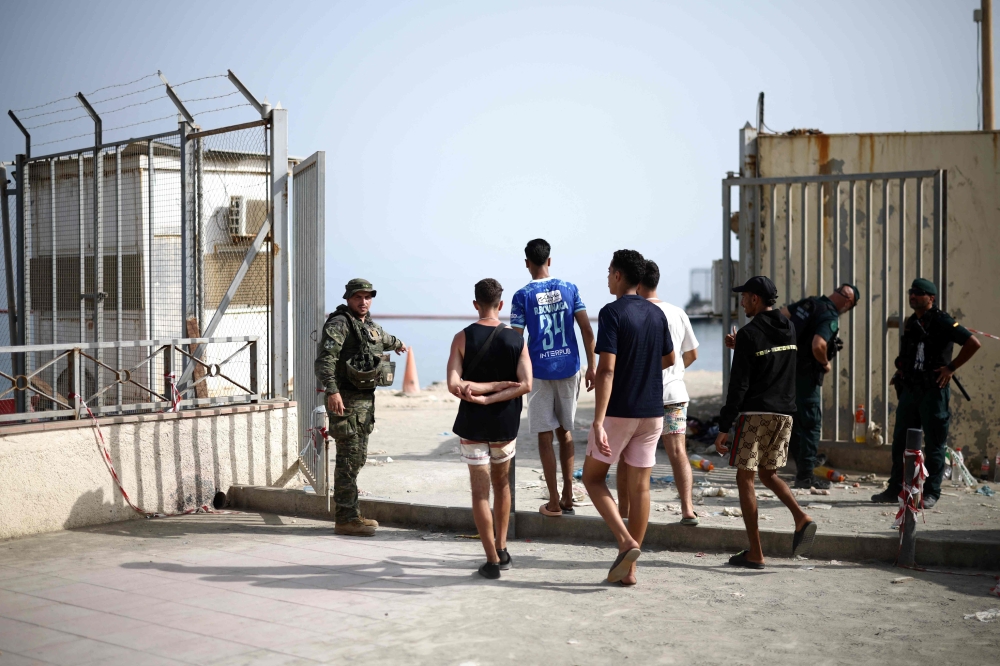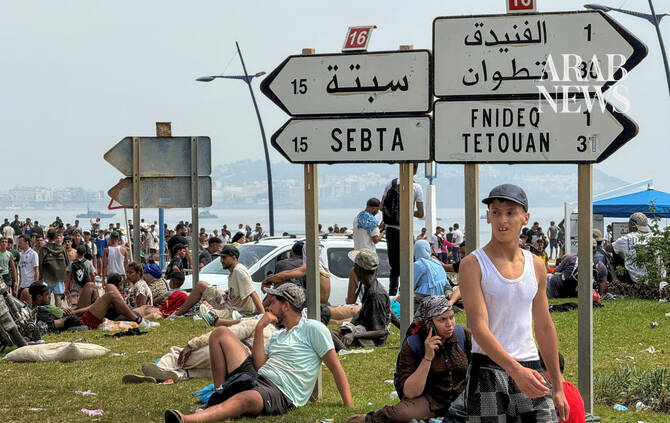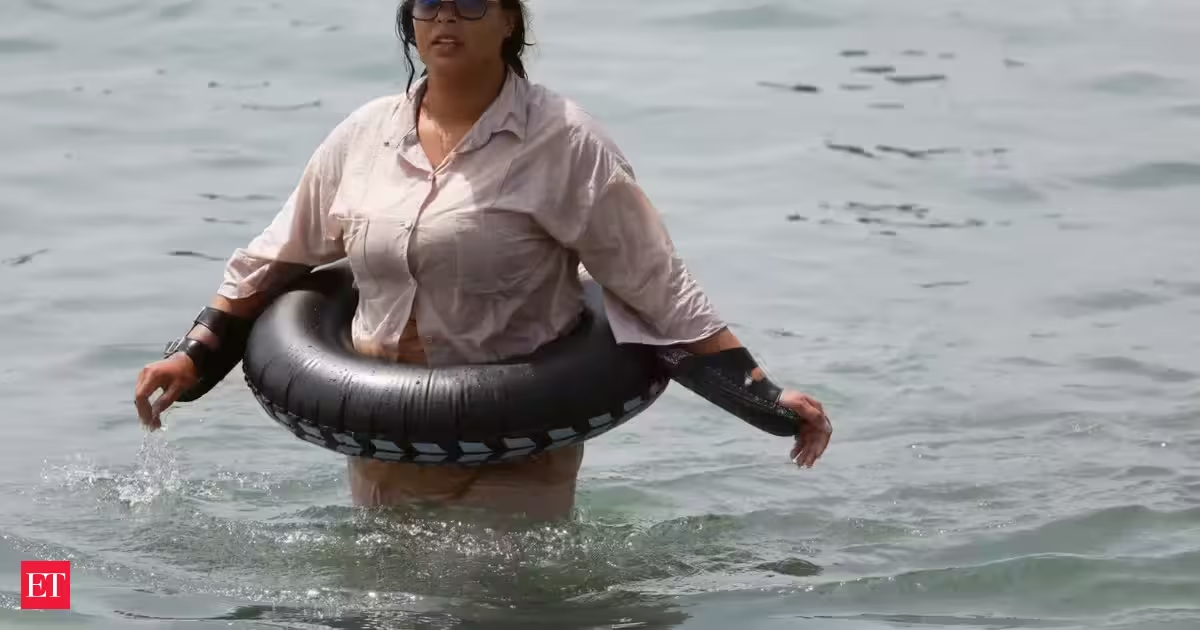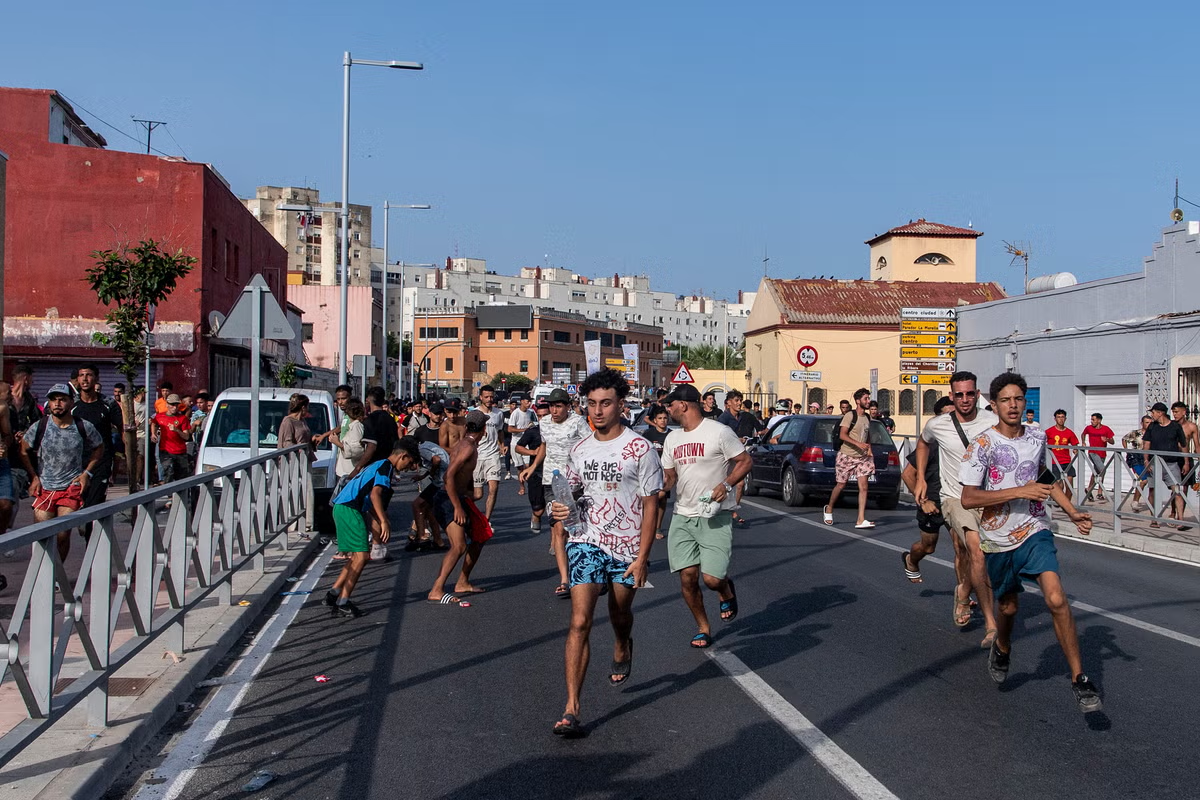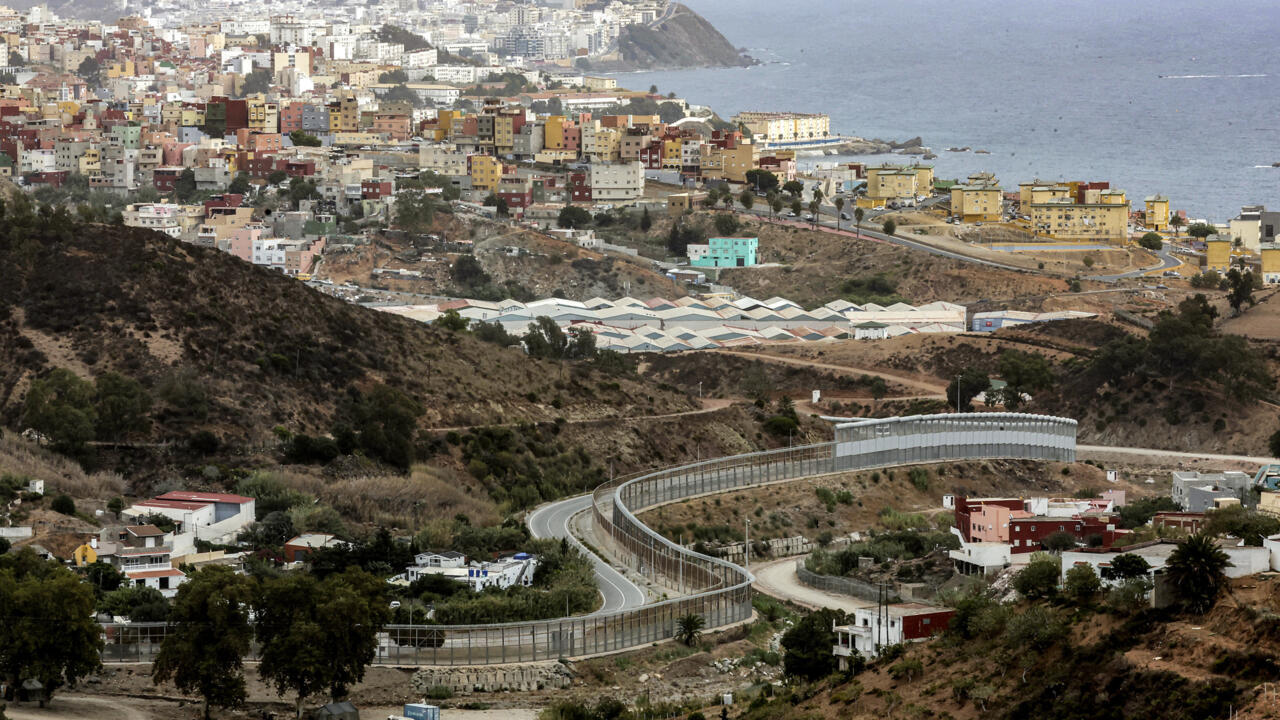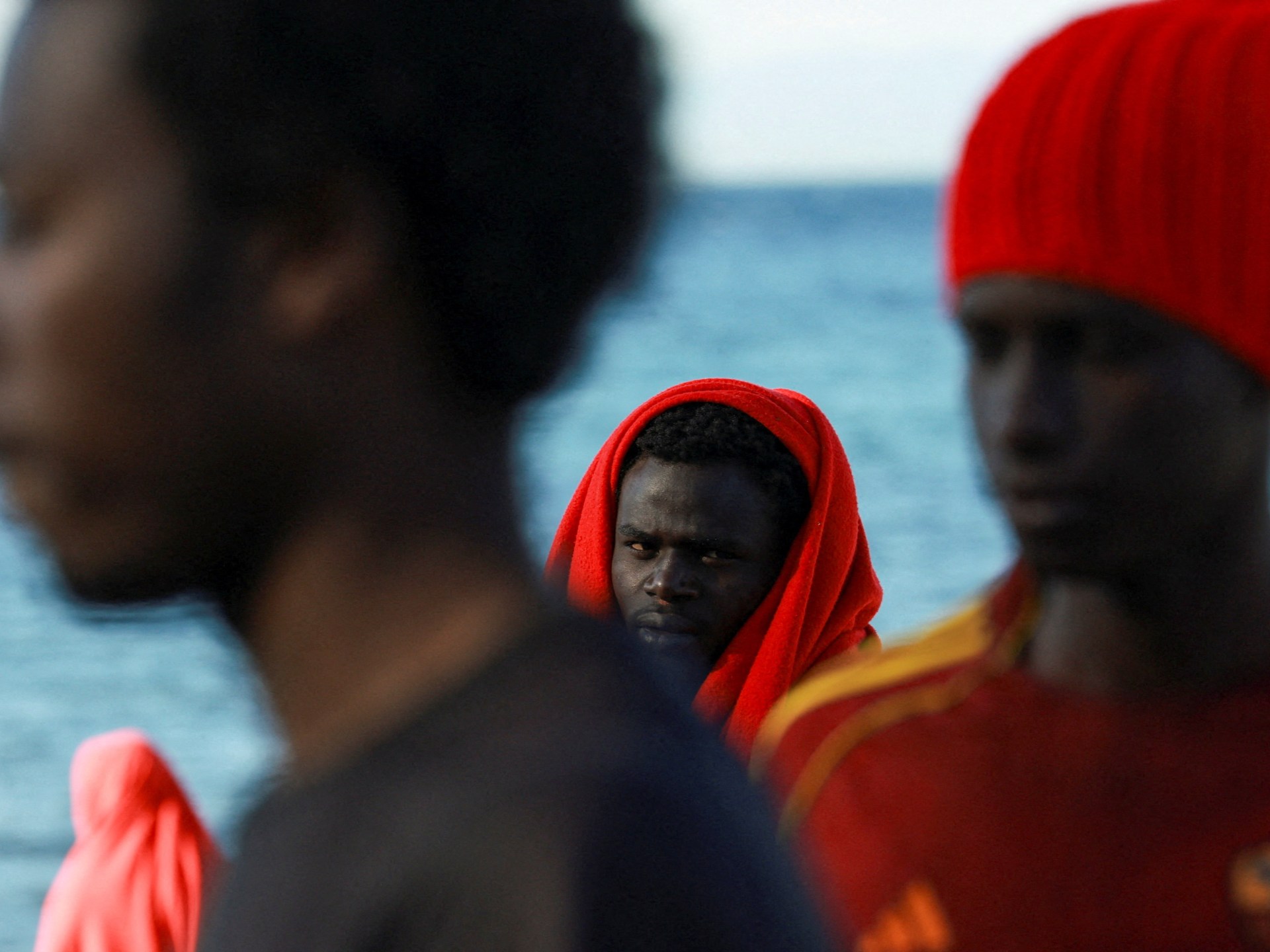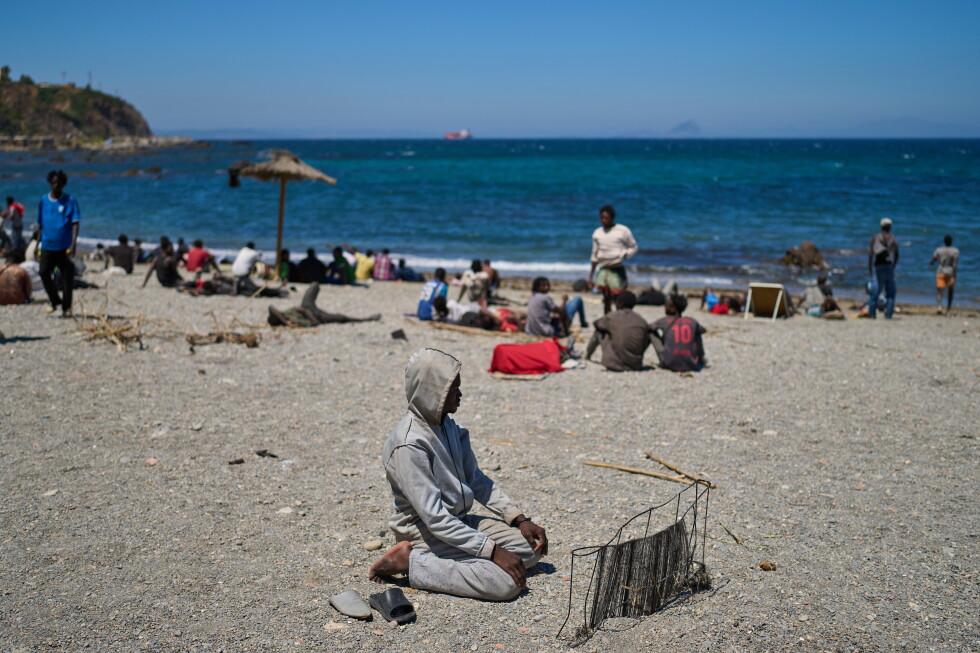
CEUTA, Spain (AP) — Dikra, a 20-year-old migrant from Morocco, had spent five days in Ceuta by Sunday after swimming to the Spanish territory with her younger sister and cousin.Since then, all her meals have come from local residents, and she isn’t sure when her next one will come. Yet Dikra is certain she does not want to go back.“I want to stay. I want to go to Spain,” Dikra said, who asked that her last name be withheld for safety reasons. By Sunday afternoon, Dikra was among the last remaining migrants in the city after tens of thousands of the 60,000 migrants that had breached the border with Morocco on Thursday and Friday walked back to that country. At least 72 people died in the crossing, and the humanitarian crisis the sudden rush of people caused reignited a debate around immigration in Europe and beyond.In Tangier, Dikra said she worked as a cleaner, but decided to leave alongside her sister and cousin, in part to escape her alcoholic father. She hopes to make use of a hairdressing diploma in continental Spain — from which she remains separated by the Strait of Gibraltar and the European Union’s complex asylum system.
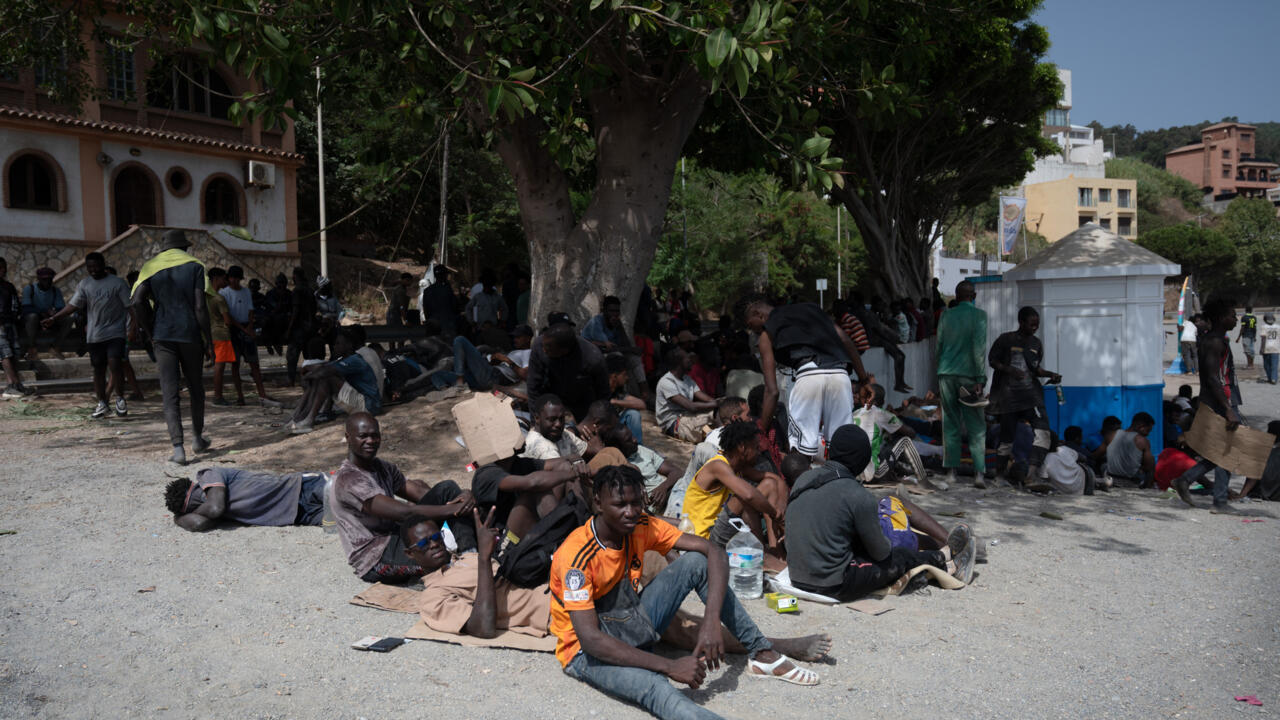
Abdel Karim, 35, also from Morocco, waited outside Ceuta’s official migration reception center on Sunday, asking for updates about what officials were saying they would do with the holdouts still in the city.Karim was unemployed in Morocco, and had lived in continental Spain years ago, before he was expelled from France where he was living on the streets.