Software teams have been fighting the same war for decades: developers ship code, operations breaks it, developers fix it, operations tests it again. That cycle used to take weeks. DevOps exists because that pace became commercially unacceptable — Netflix calculated that a single hour of downtime cost them roughly $200,000.
The Problem That Created the Role
Before DevOps became a standard practice, software development ran in two strictly siloed team structures. Developers wrote code, threw it over a metaphorical wall, and the operations team handled testing and deployment. The operations team would send back bug reports and change requests. Developers, now mid-way through the next project, would have to context-switch back to old code. Weeks or months could pass before a project officially closed.
This wasn't anybody's fault. The structure itself caused the delay. Development teams sat idle waiting for feedback. Operations teams fell behind on documentation. The software development lifecycle stretched far beyond what customers expected.
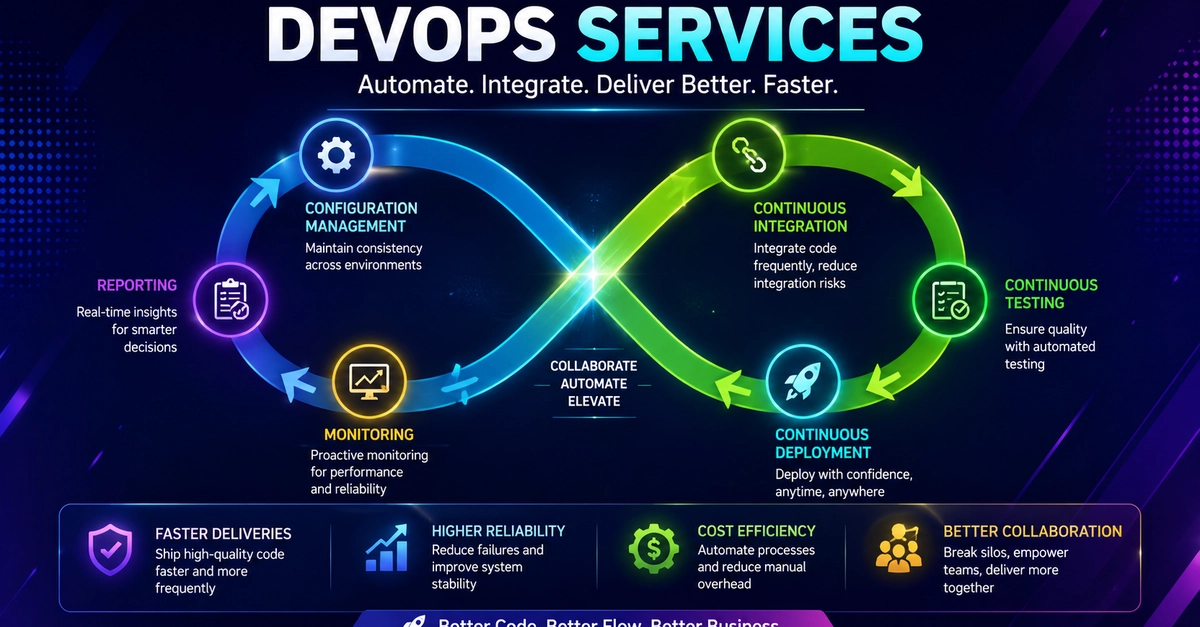
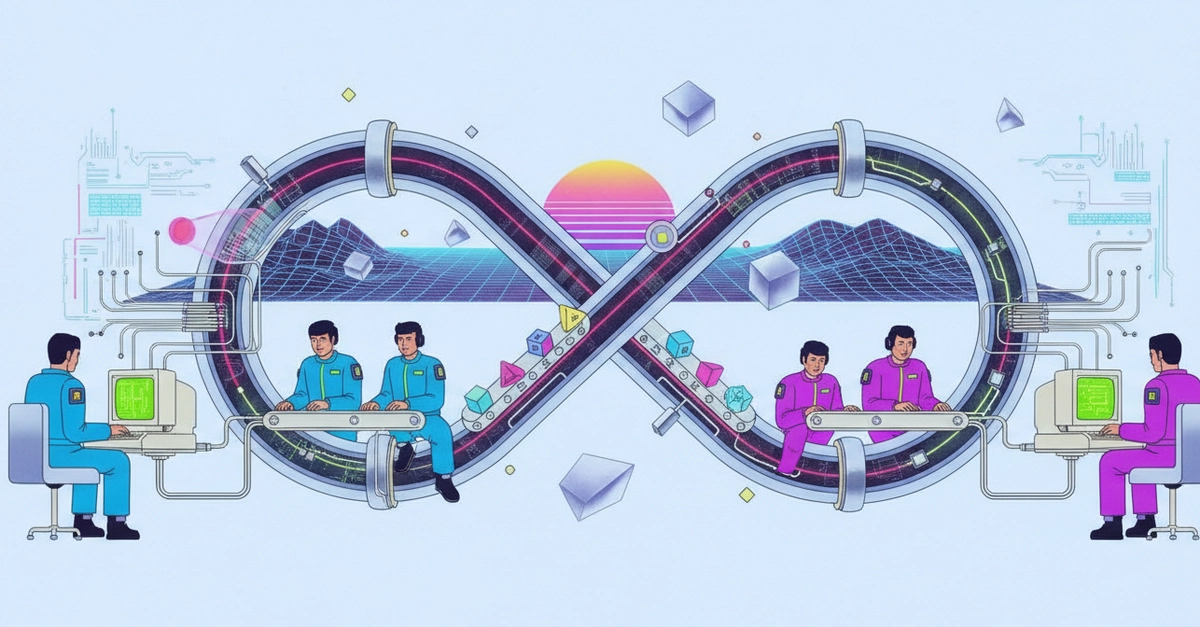
DevOps broke down that wall. The core idea is that development and operations work together across the entire lifecycle of an application, rather than handing off between isolated departments. The DevOps symbol is an infinity loop, which actually captures the intent well: continuous improvement, continuous activity, no hard stops between phases.