Introduction: The DevOps Dilemma
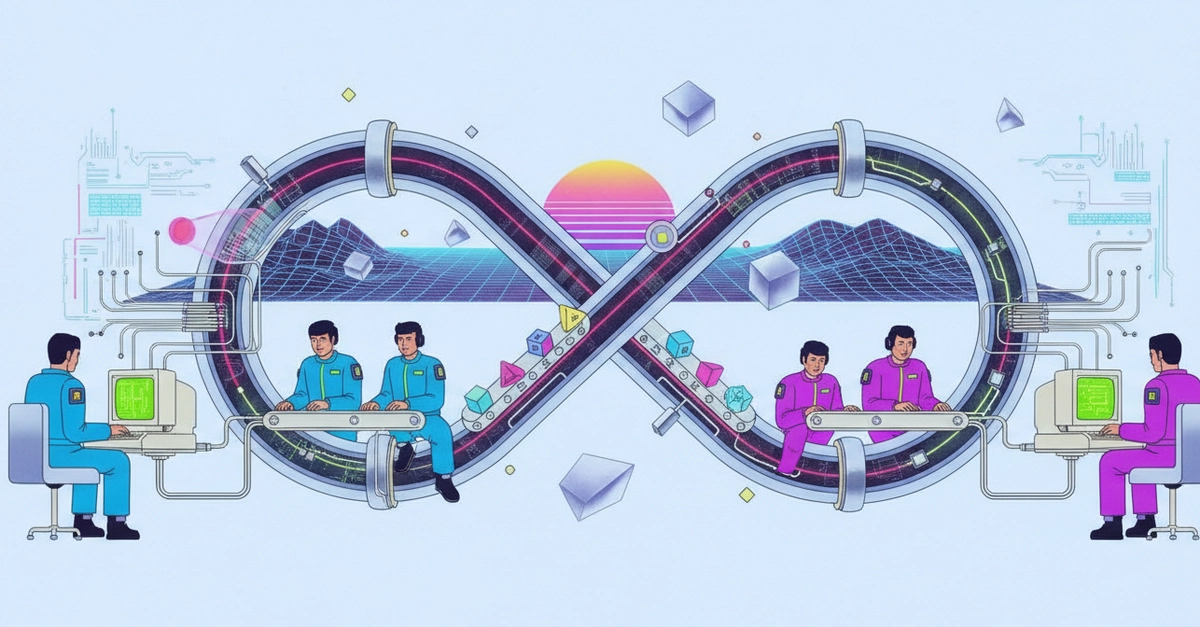
Junior DevOps engineers often find themselves in a paradoxical situation: they’re hired to streamline processes, automate workflows, and ensure system reliability, yet they frequently end up feeling underutilized and uncertain about their role. This disconnect arises from the cyclical nature of DevOps tasks, where periods of intense development (e.g., building CI/CD pipelines) are followed by phases of maintenance and optimization. For instance, once a pipeline is implemented, the immediate need for hands-on work diminishes, leaving engineers with fewer tasks—a lull that can be misinterpreted as inactivity rather than a natural part of the DevOps lifecycle.
Consider the case of a junior engineer who, after automating CI/CD pipelines, finds their workload reduced to minor tweaks and maintenance. This shift occurs because automation inherently reduces manual intervention, a core goal of DevOps. However, without clear communication from management about the next phase of responsibilities, engineers may perceive this as a lack of meaningful work. This misalignment is exacerbated by organizational priorities: management may focus on system stability over continuous feature development, resulting in fewer new tasks assigned to junior staff.