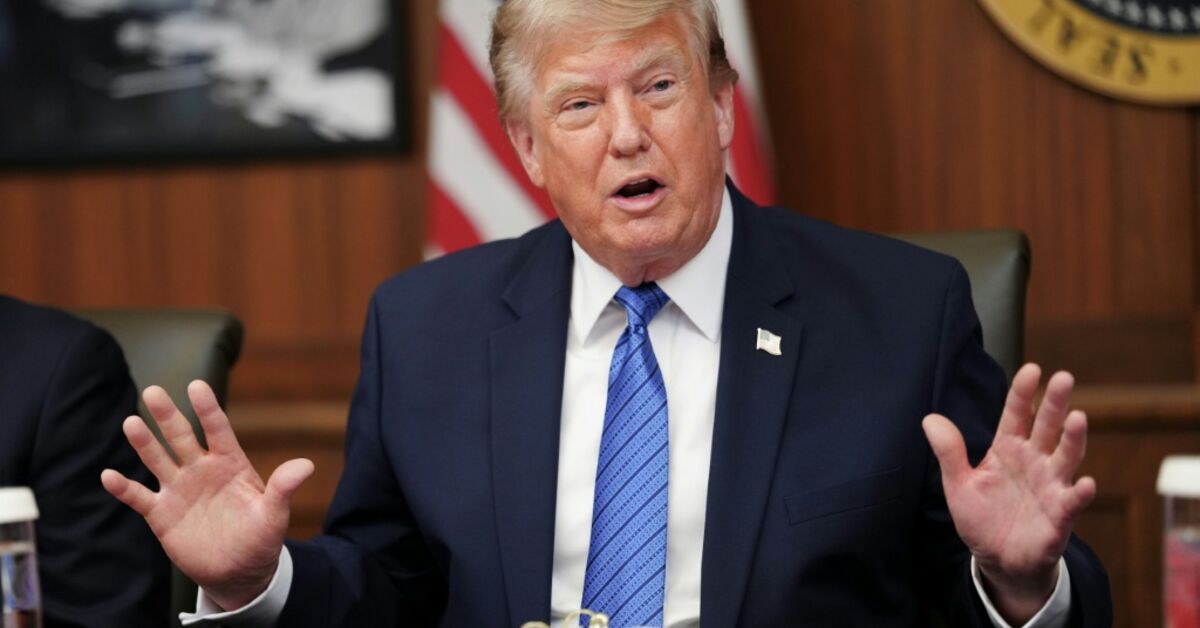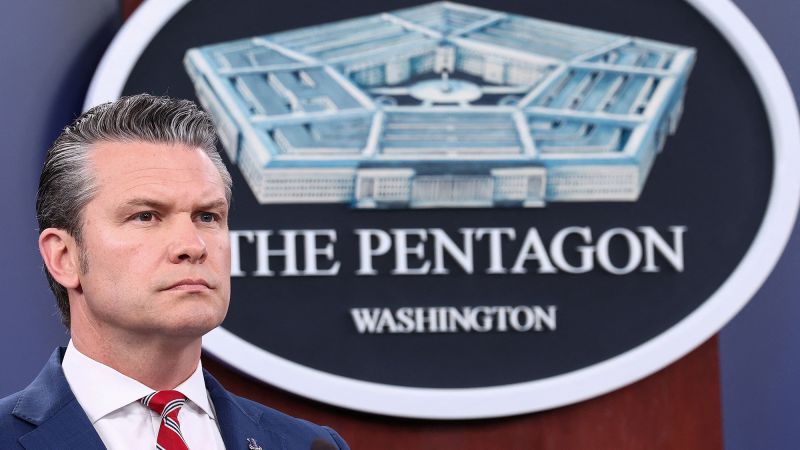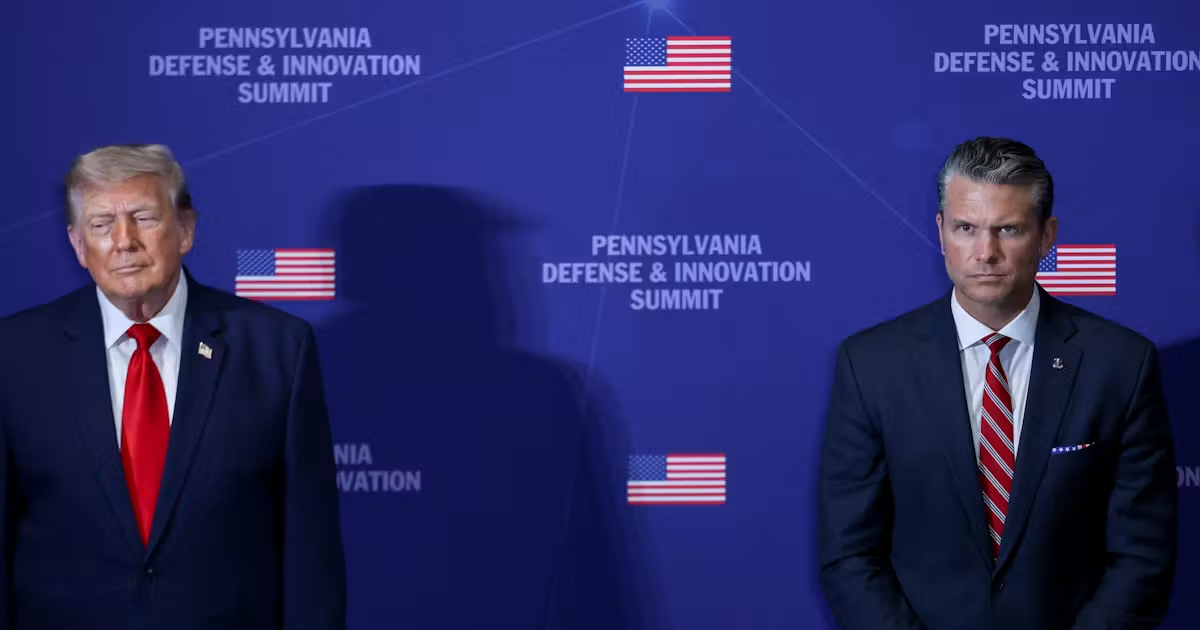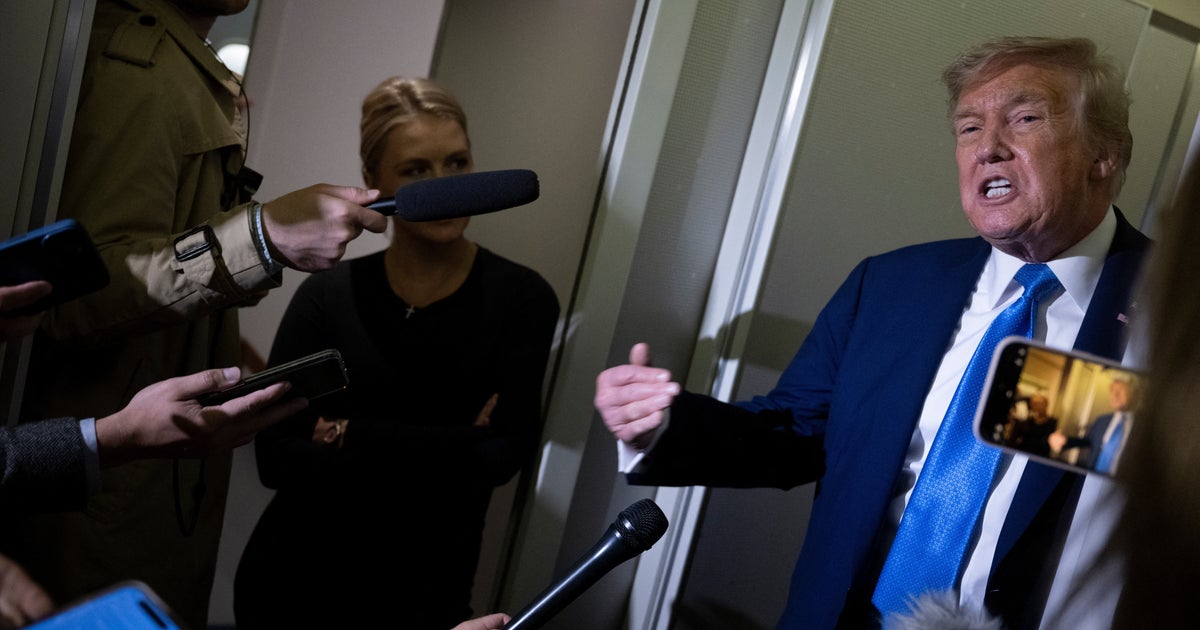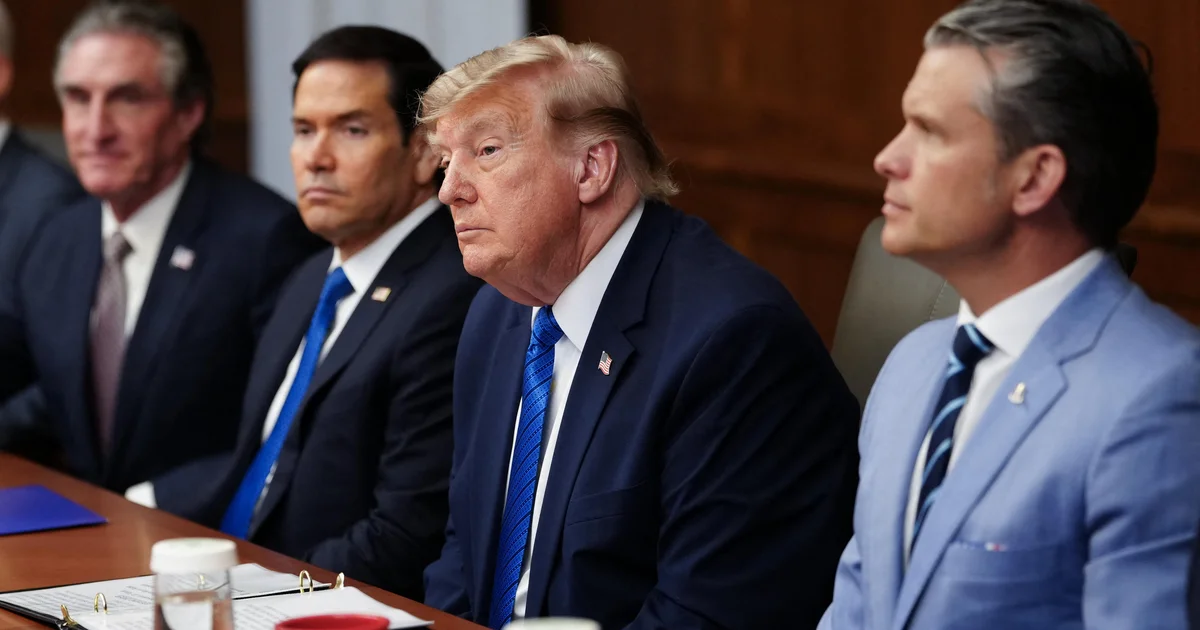
In his first month on the job, Defense Secretary Pete Hegseth promised it "would be the most transparent administration ever," offering a sharp contrast with the previous wars in Iraq and Afghanistan that critics said had been shrouded in secrecy and misleading public statements. Now, as the American-led war against Iran enters its sixth month, the administration is offering the public less information about the conflict and its direction, even as the costs continue to mount. More than 50,000 American troops remain deployed in the Middle East. Some 18 U.S. service members are dead, hundreds more are injured or wounded. Mr. Trump has launched several efforts at diplomacy with Iran, most recently this weekend. And Congress has been asked to approve another $67 billion to cover the costs of the campaign. Yet Pentagon press briefings to reporters and the public have largely disappeared — the last one was in early May. Lawmakers in both parties say even they have struggled to obtain detailed briefings from an administration increasingly relying on statements from President Trump and social media posts to inform the public on the war. Mr. Trump talks almost daily about the war in sweeping and optimistic terms, while granular details about troop movements, casualties and battle damage are rarely conveyed. On Friday at Camp David in Maryland, he said the Iranian Navy has been "obliterated," the Air Force has been "obliterated" and Iran has some missiles left, "but far fewer than they had four or five months ago." That's a version of the same assessment he has given since as far back as March.The Defense Department under Hegseth's tenure has substituted regular press briefings with polished battlefield videos. U.S. Central Command, which oversees U.S. forces in the Middle East, does post videos on X showing U.S. strikes with some information about the types of targets hit, but those videos do not offer comprehensive details on the war. It has left reporters, lawmakers and the public trying to assemble the war from scattered fragments. The status of the war itself has frequently shifted. The war's first month was marked by heavy U.S. bombardments, demands from Mr. Trump for Iran to unconditionally surrender and predictions by the president that the conflict would last four to five weeks. In early April, hours after warning a "whole civilization will die," Mr. Trump struck a temporary ceasefire with Iran.
Trump administration calls itself the most transparent. Yet few details of the Iran war have been shared.
The Trump administration is offering the public less information about the Iran war and its direction, even as the costs continue to mount.
1,891 words~9 min read