Ollama is one of the easiest ways to run a local language model, but convenience can conceal the moment when a local experiment becomes a shared inference service that needs better scheduling and observability.
That is where vLLM becomes relevant. Migrating from Ollama to vLLM is not an automatic upgrade, however. It is a trade: you exchange some of Ollama's simplicity for greater control over batching, memory management, concurrency, distributed inference, and production operations.
This guide covers the practical signals that indicate migration is warranted, the risks of moving too early, and a staged approach that keeps both servers running side by side during validation. The goal is to help you decide based on measurements rather than feature lists. For the wider landscape of local, self-hosted, and cloud options beyond just these two runtimes, see LLM Hosting in 2026: Local, Self-Hosted & Cloud Infrastructure Compared.
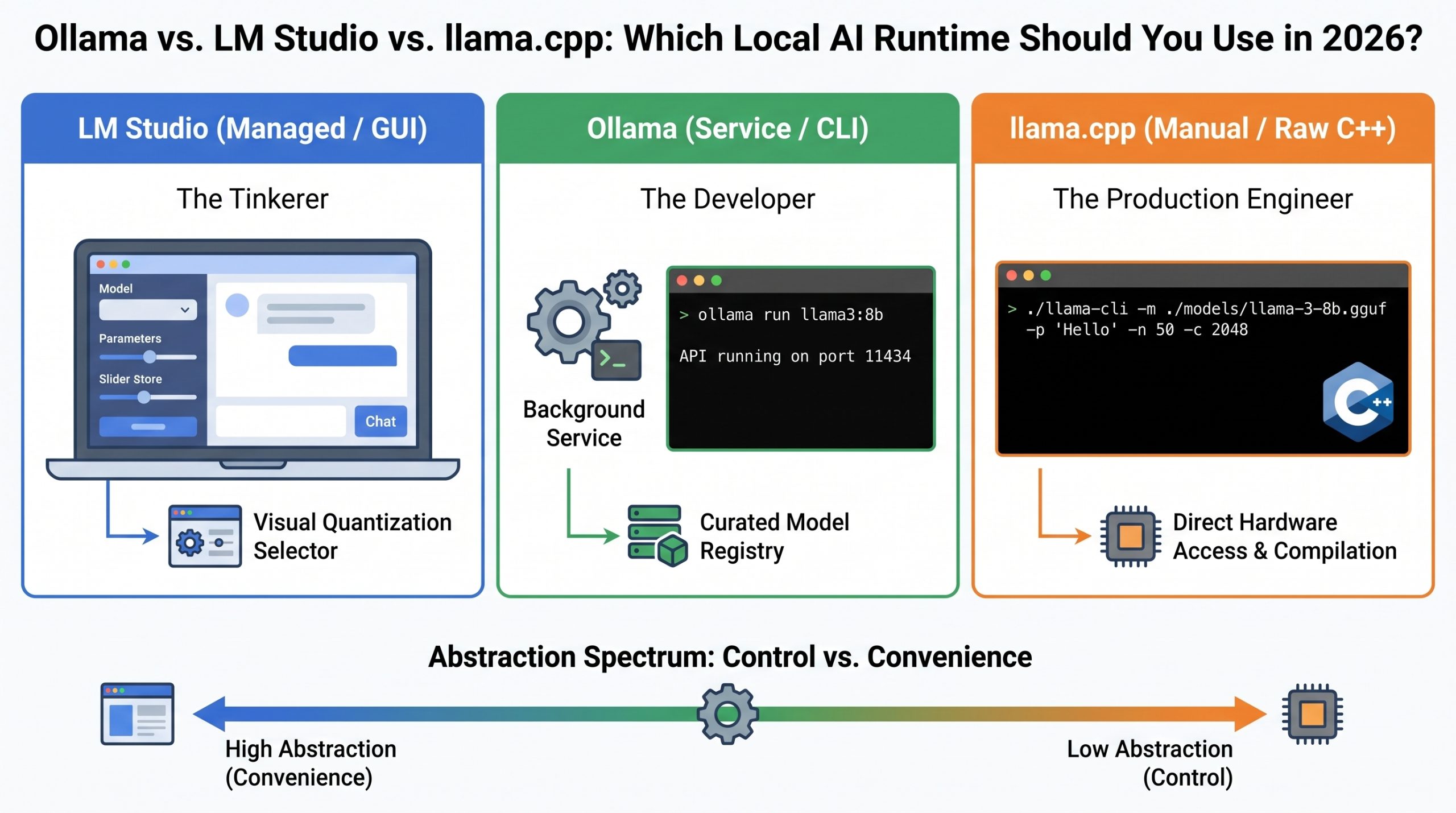
Ollama and vLLM Solve Different Problems
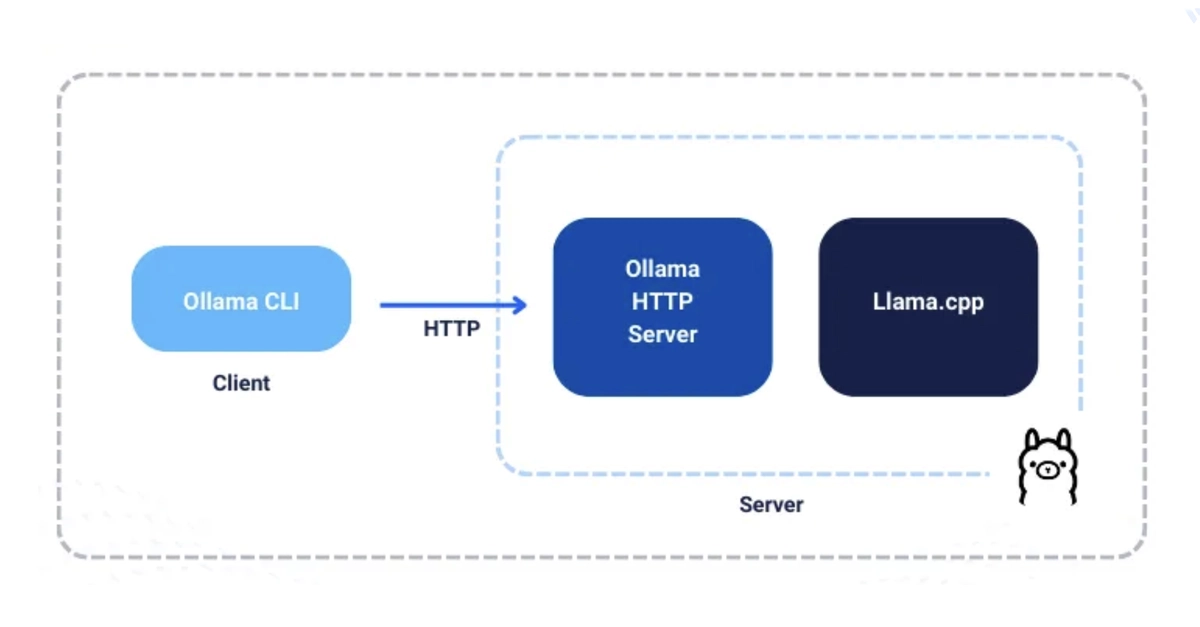
Ollama is primarily optimized for convenient model consumption. It gives developers a concise command-line interface, a local API, a model library, Modelfiles, and straightforward support for common desktop and workstation configurations.