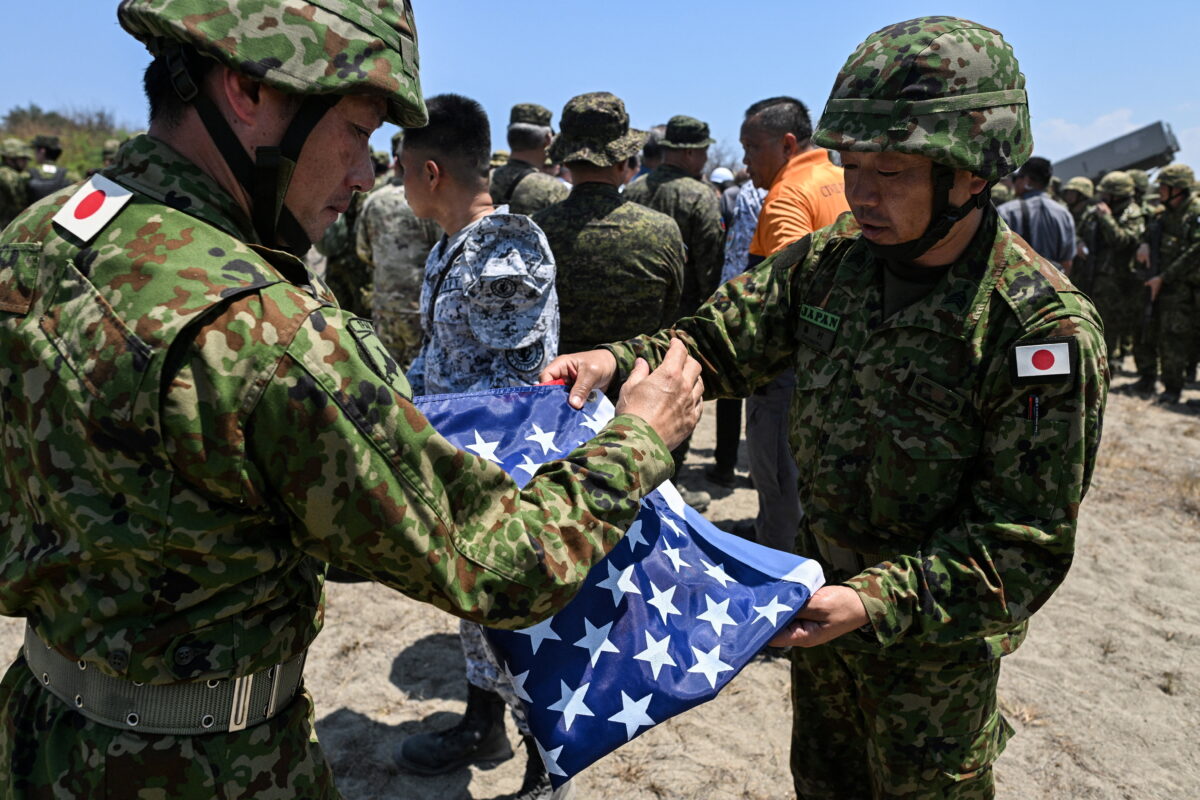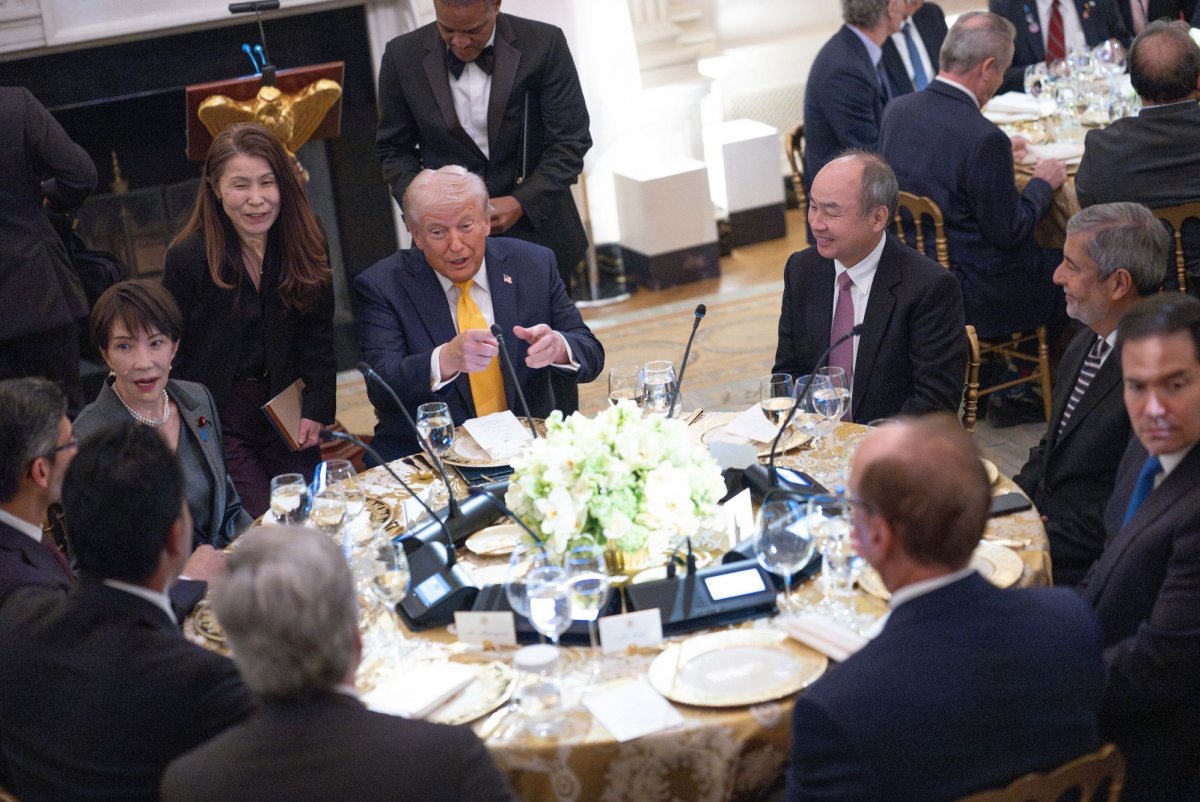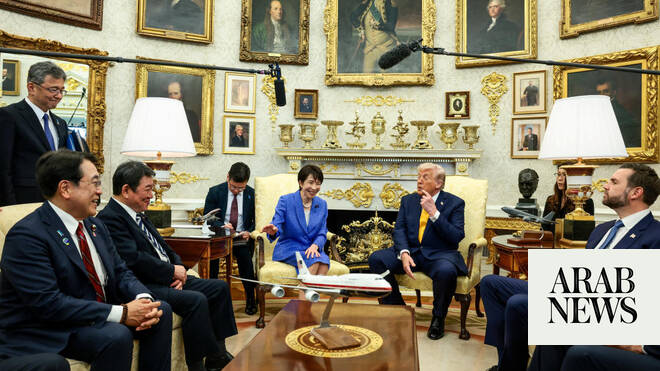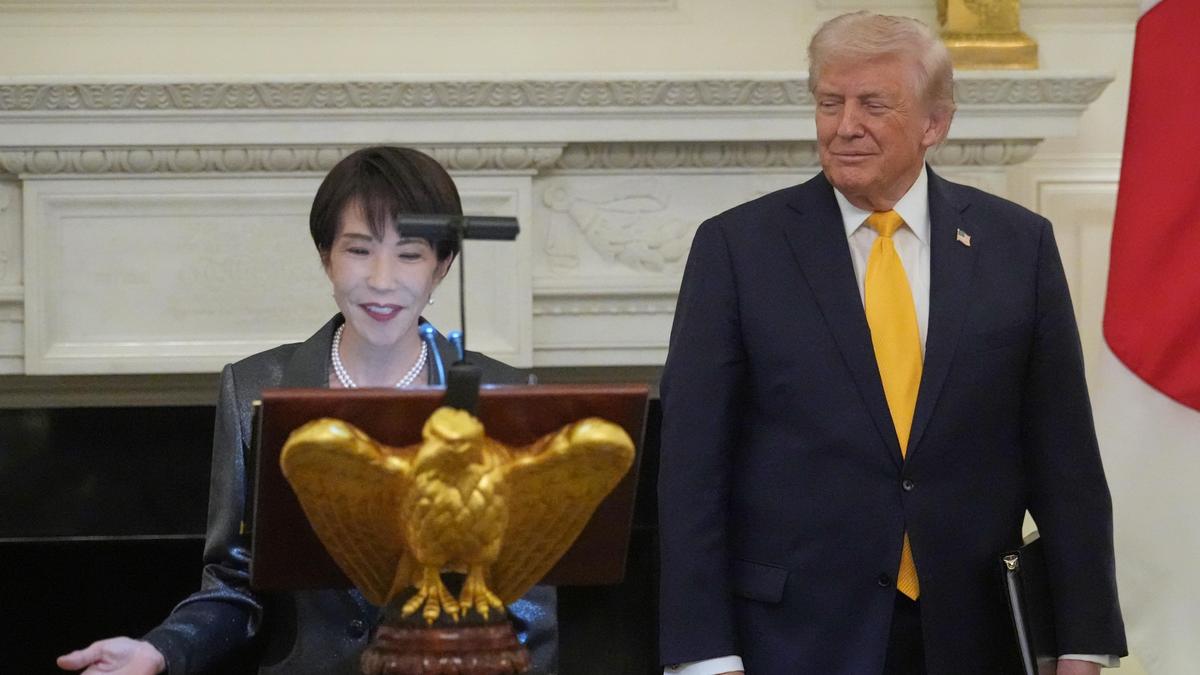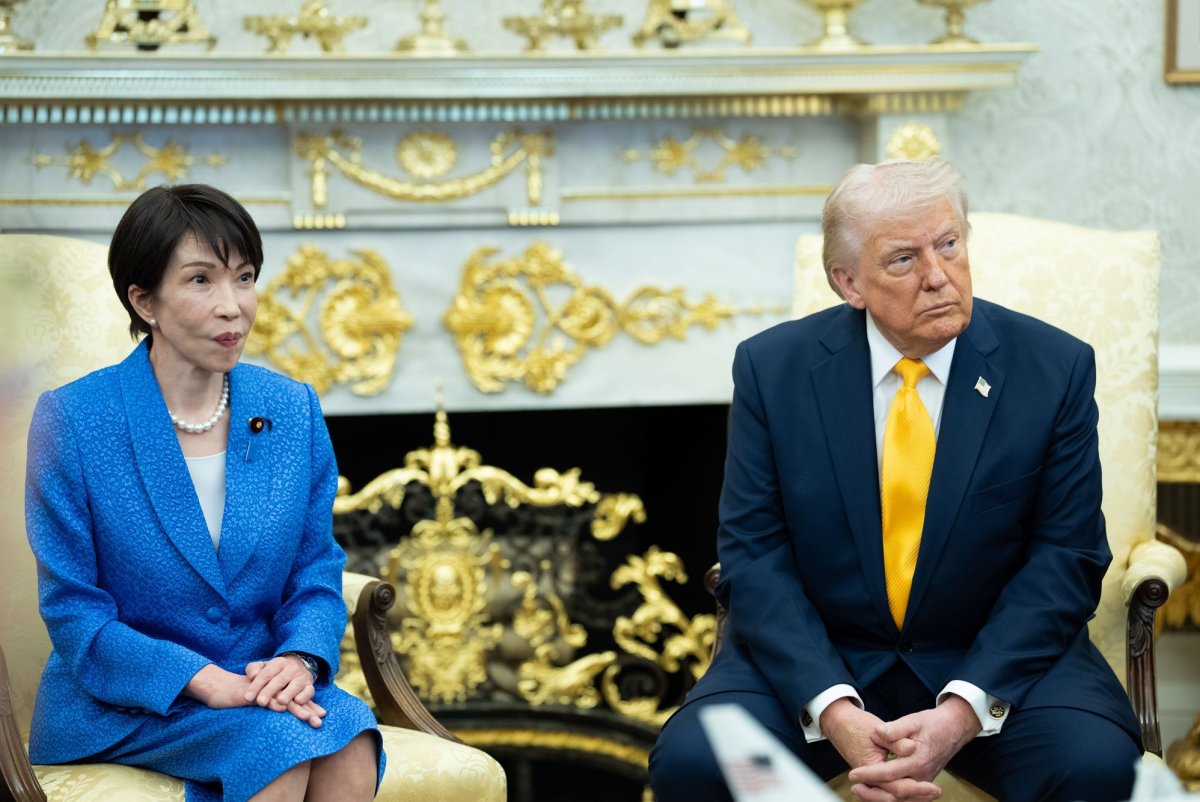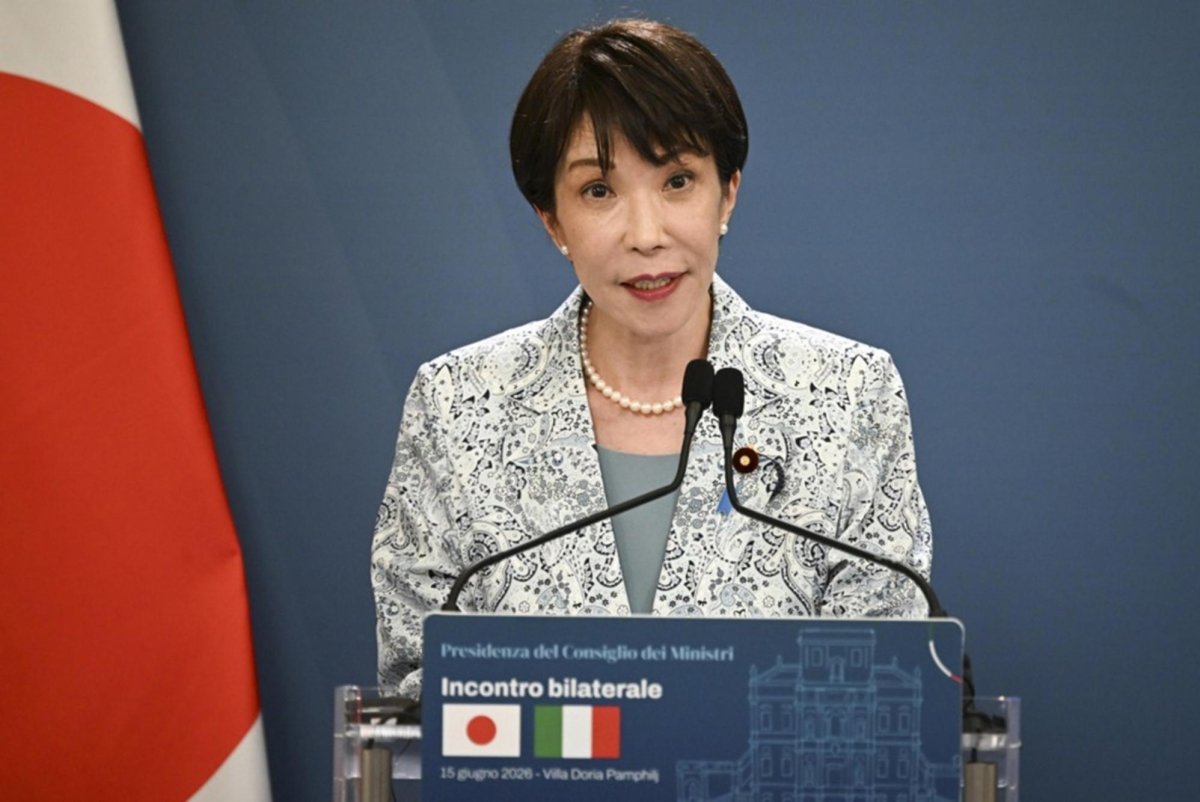
In March 2026, Japanese Foreign Minister Toshimitsu Motegi disclosed that Prime Minister Sanae Takaichi had refused US President Donald Trump’s request to send Japan’s Self-Defense Forces (SDF) to the Strait of Hormuz following the US–Israeli attack on Iran.
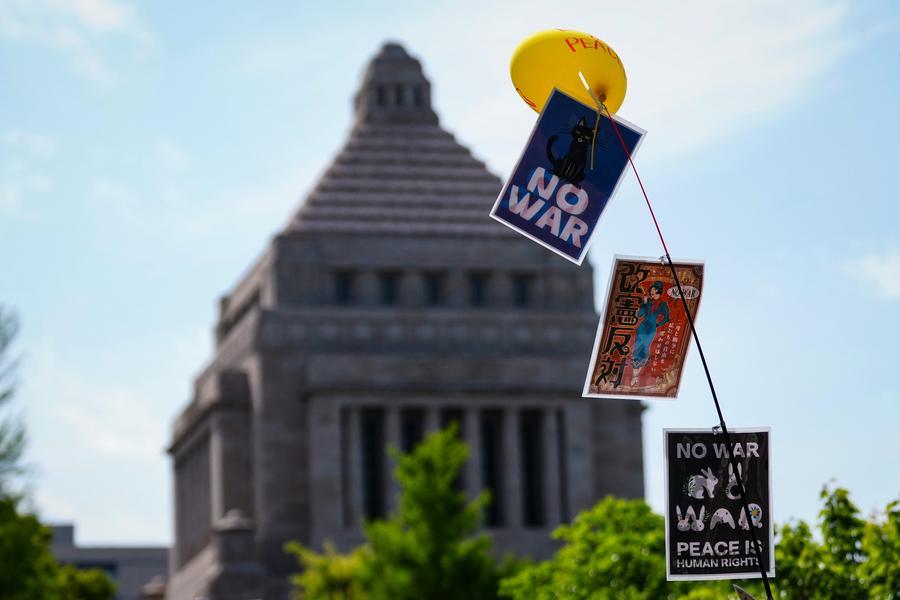
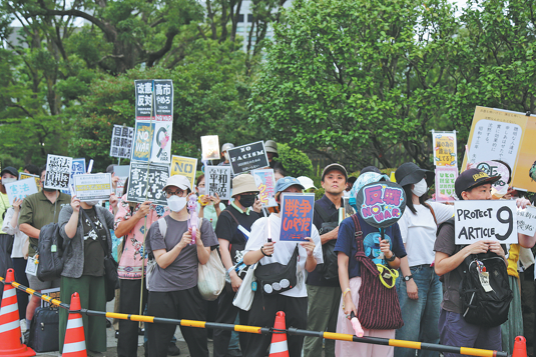
While Takaichi has long pledged to revise the pacifist constitution, the episode reinstated the role of Article 9 as a shield against great-power demands to participate in military action and become entangled in a war that over 80 per cent of the Japanese public opposes.
Takaichi’s response can also be read as a continuation of postwar politics. Under US pressure to remilitarise during the Cold War, Japan’s conservative governments — embedded in a culture of antimilitarism — prioritised economic growth and trade while manoeuvring fears of entrapment in wars.
Born out of Japan’s catastrophic defeat in the Second World War, Article 9 has been invoked as an ideal rather than a foreign policy instrument. It has kept Japan out of direct combat for eight decades and earned the country a measure of international trust as a peaceful state.
Article 9 has also become the major ideological cleavage shaping postwar domestic politics. The Liberal Democratic Party (LDP), who have been in power almost continuously since 1955, regards the constitution as US-imposed and raises constitutional revision as its core pledge. The parties committed to preserving the constitution — the Japan Communist Party, Reiwa Shinsengumi and the Social Democratic Party — have lost parliamentary power to block such conservative efforts.