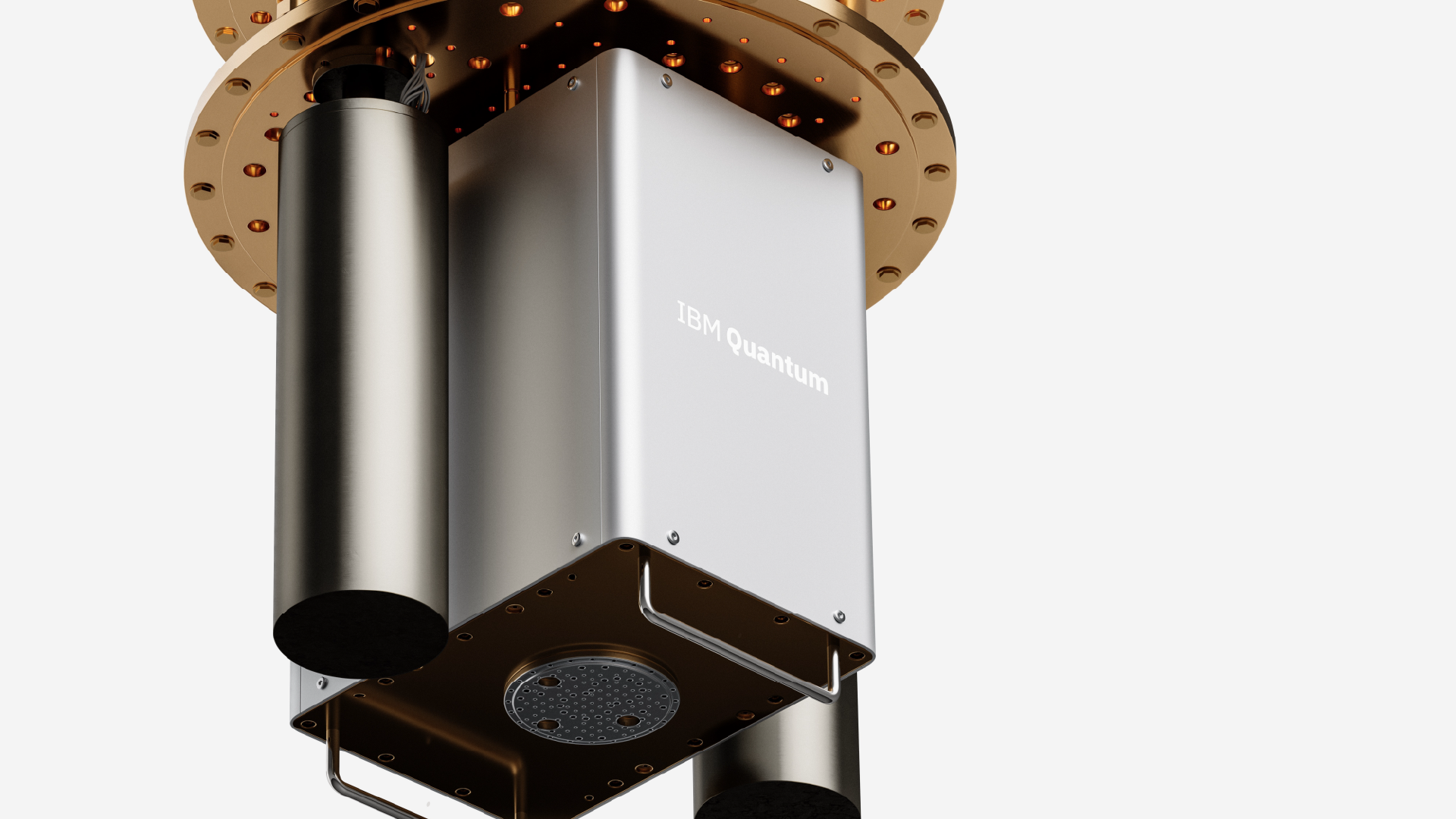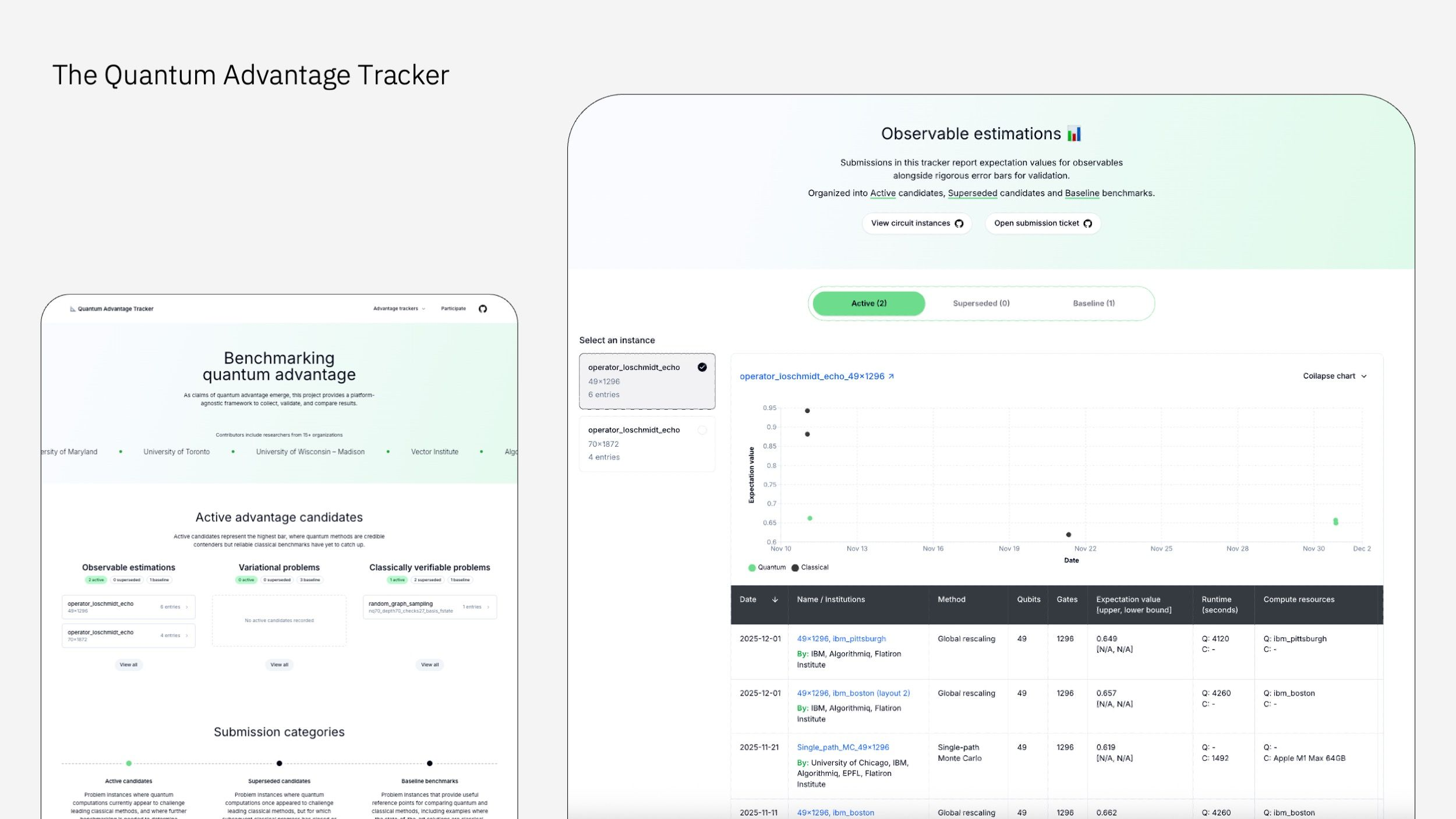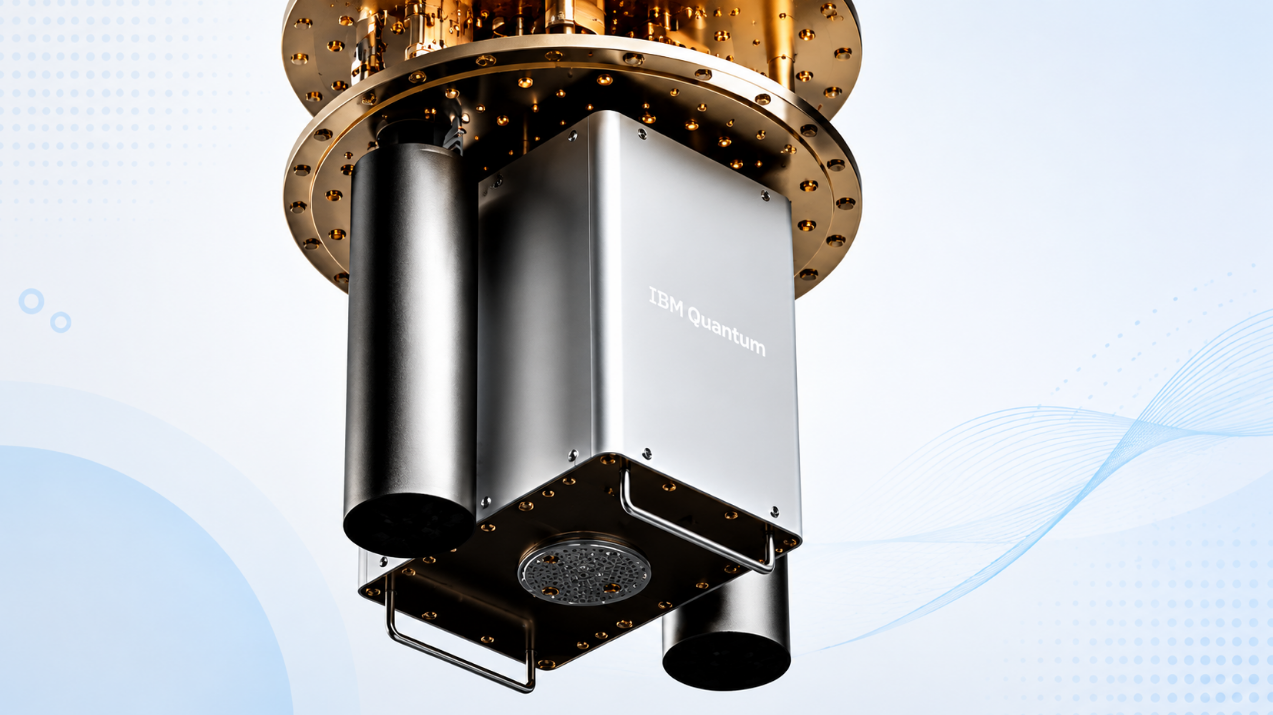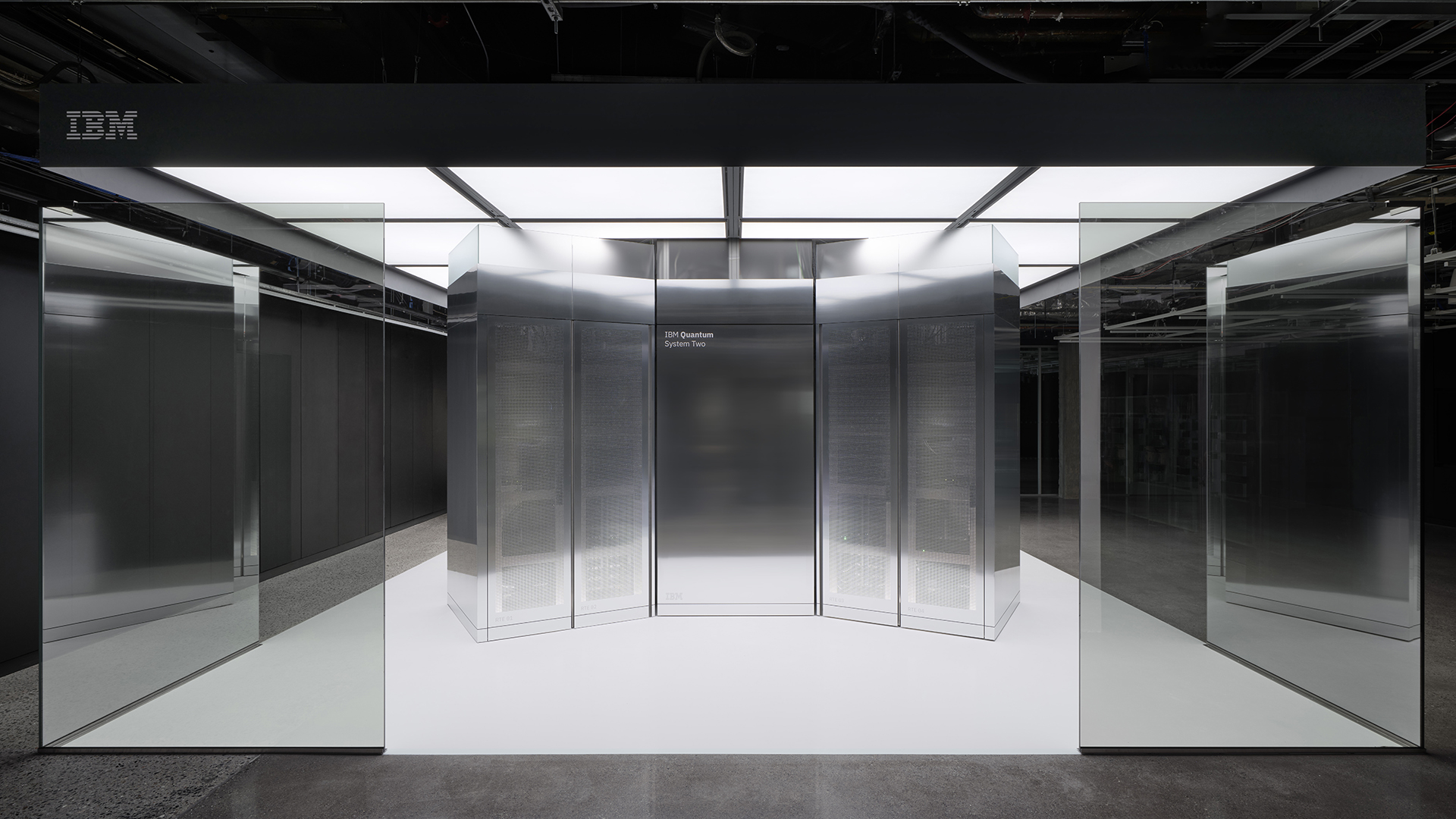
IBM has reported a scientific breakthrough that also has considerable commercial potential: With the help of the software and algorithms of the Israeli company Qedma, IBM surpassed the performance of the world's most powerful supercomputer with 700,000 core processors using its quantum computer to conduct a complex experiment in the field of physics.
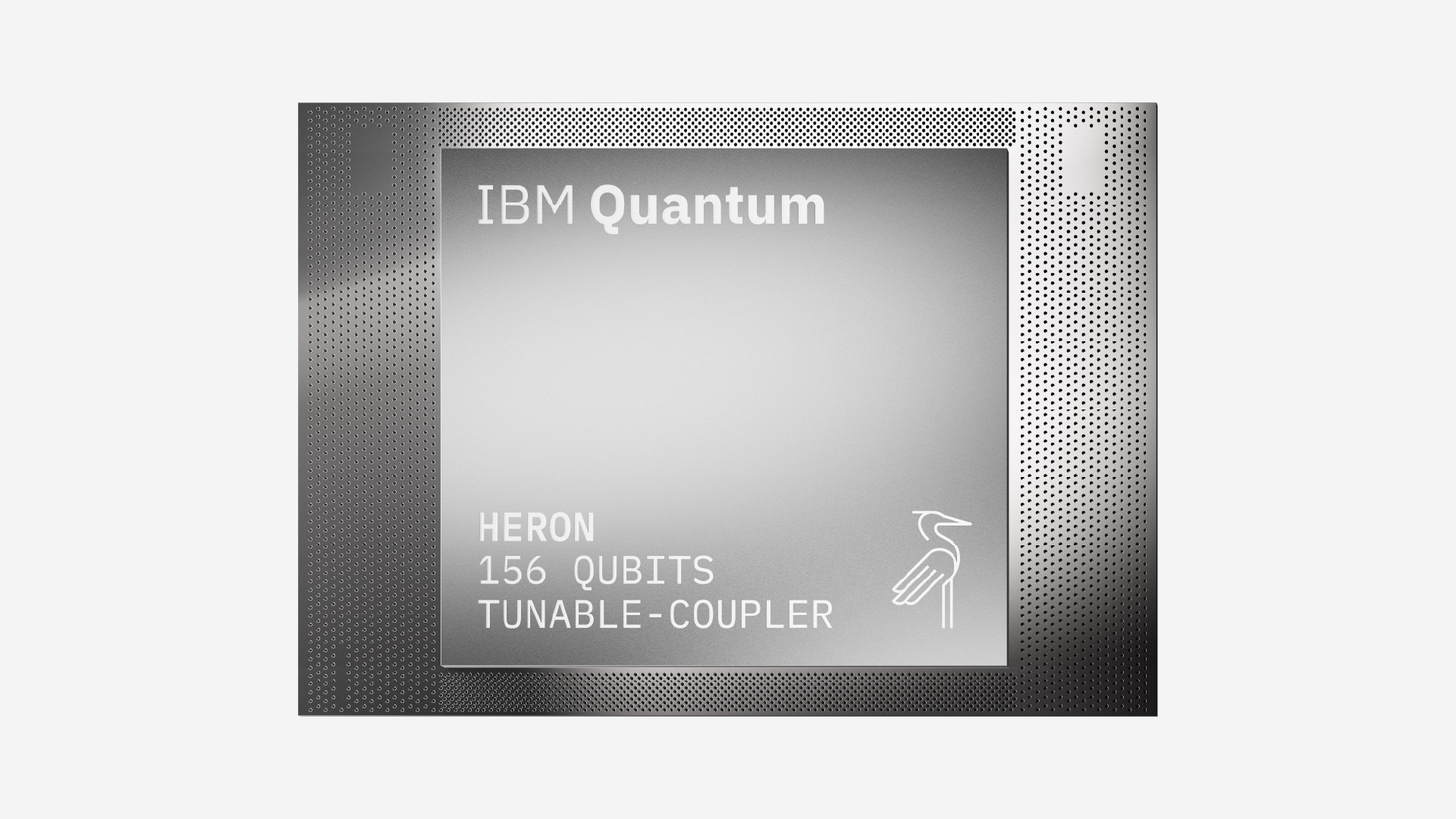
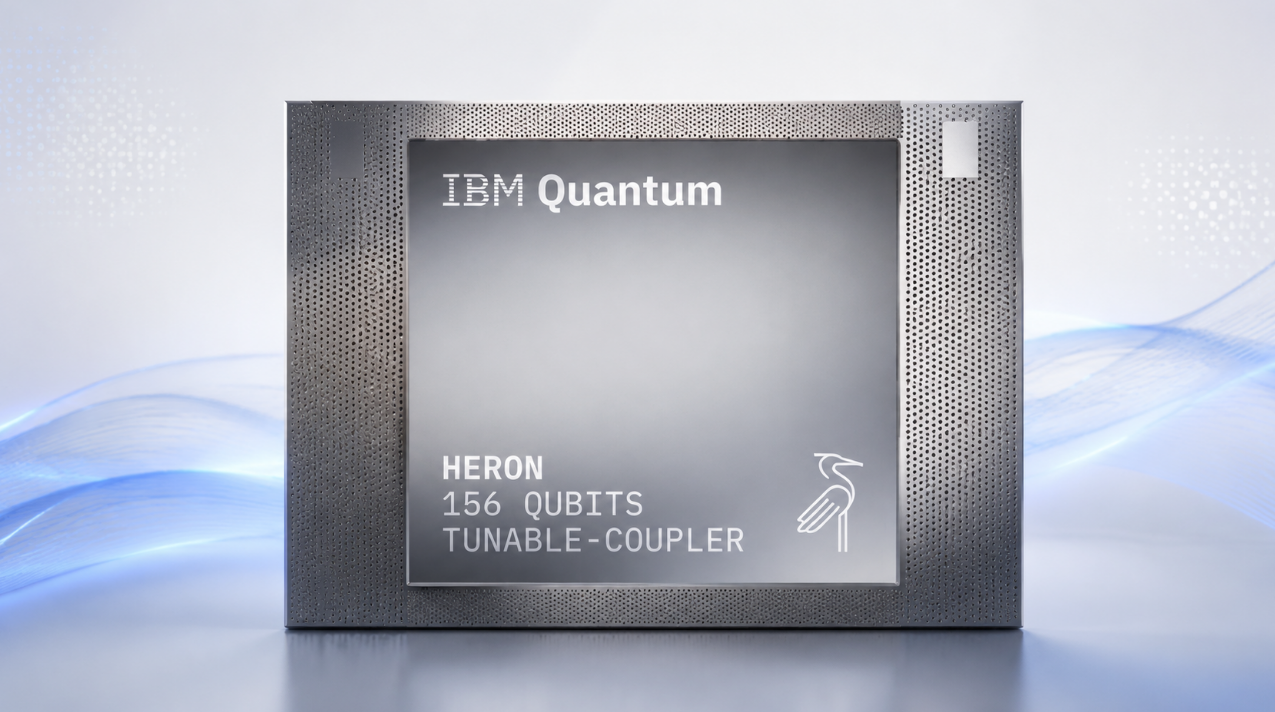
The experiment was conducted by IBM on a quantum chip that it developed using superconducting technology, which contains 72 physical qubits - different units that allow different calculations to be performed simultaneously.
So far, experiments have also been carried out by IBM's rivals Google and Quantum, but these have not been able to surpass standard supercomputers due to the "noise" involved in the instability of particles in quantum computing - such as electrons, ions and photons.
Qedma's software was able to neutralize that noise during the experiment, providing IBM with a scope of calculation never before seen in scientific experiments, equivalent to 74 logical qubits - noise-free processing units.
Being in two places at the same time