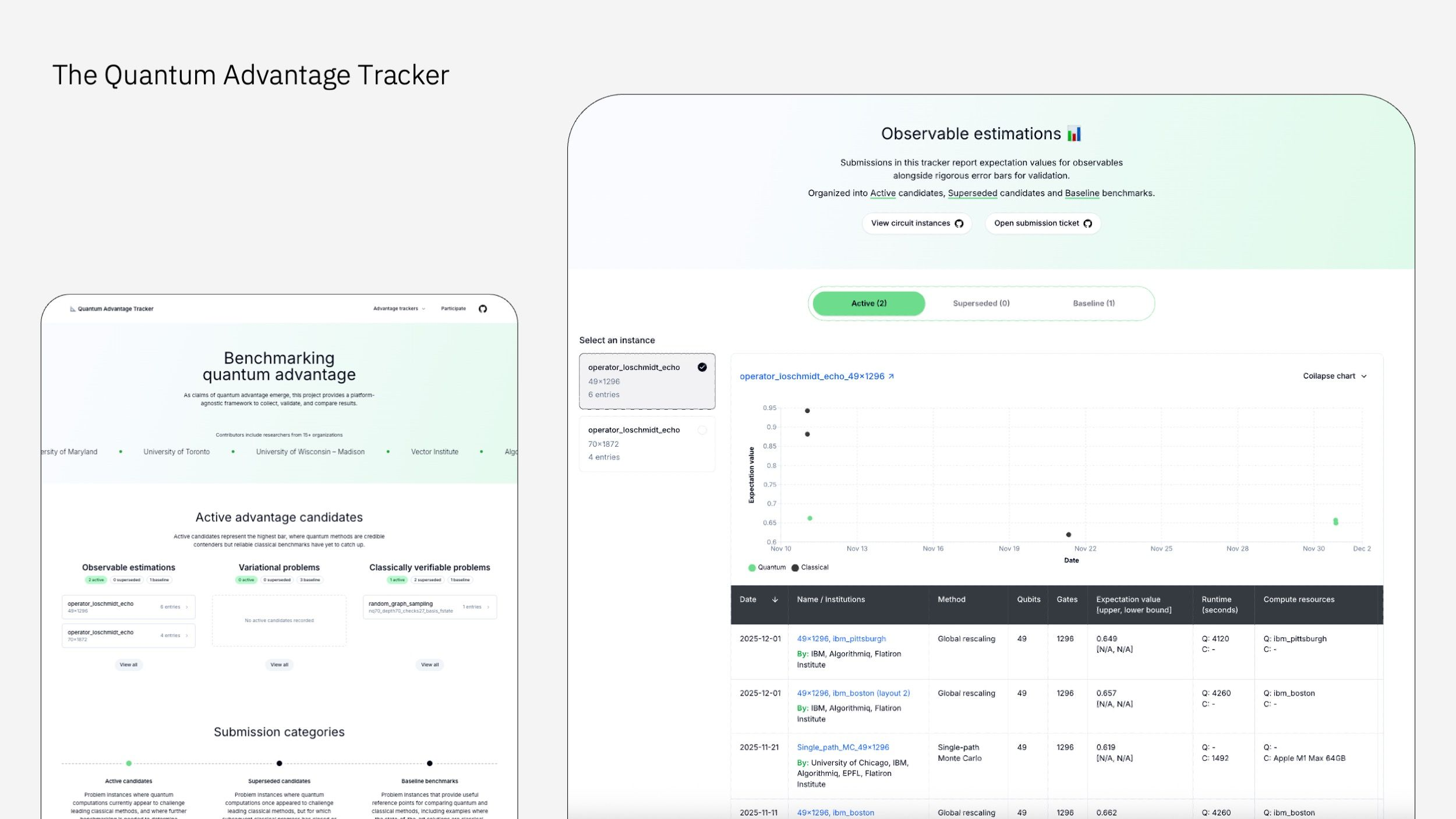
A quantum computer just outperformed classical machines at modeling real physics. IBM and Qedma, an Israeli quantum software startup, have demonstrated what they call “trusted quantum computation” by simulating Hamiltonian dynamics within tilted-field Ising models. They used a quantum computer to model how particles interact under magnetic fields, and they did it with 95-97% accuracy on magnetization observables.
What actually happened
The breakthrough centers on Qedma’s QESEM software, which stands for Quantum Error Suppression and Error Mitigation. Quantum computers are famously noisy. Every computation introduces errors that compound quickly, which is why most quantum results have historically come with giant asterisks. QESEM suppresses and corrects those errors to produce reliable outputs.
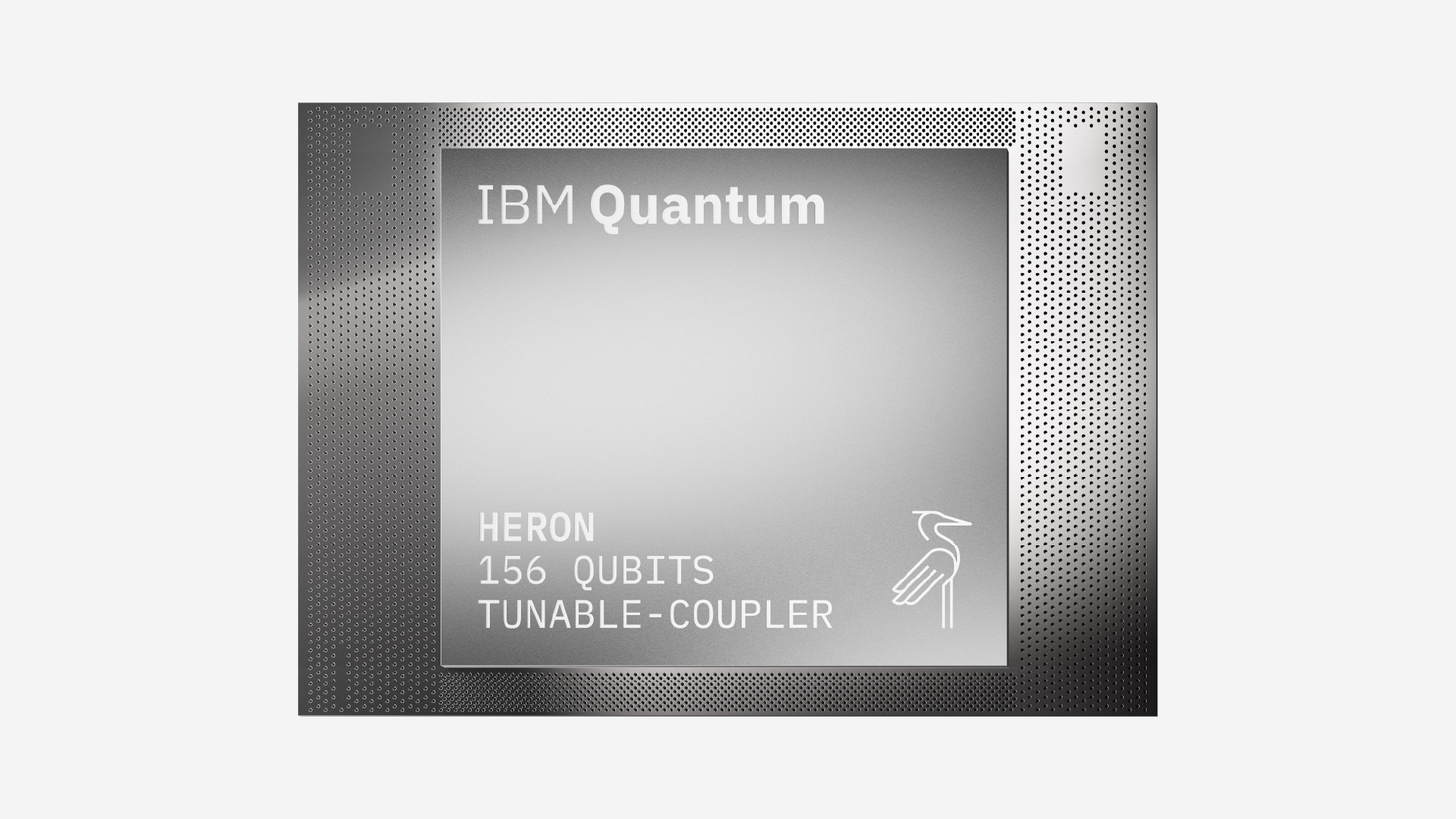
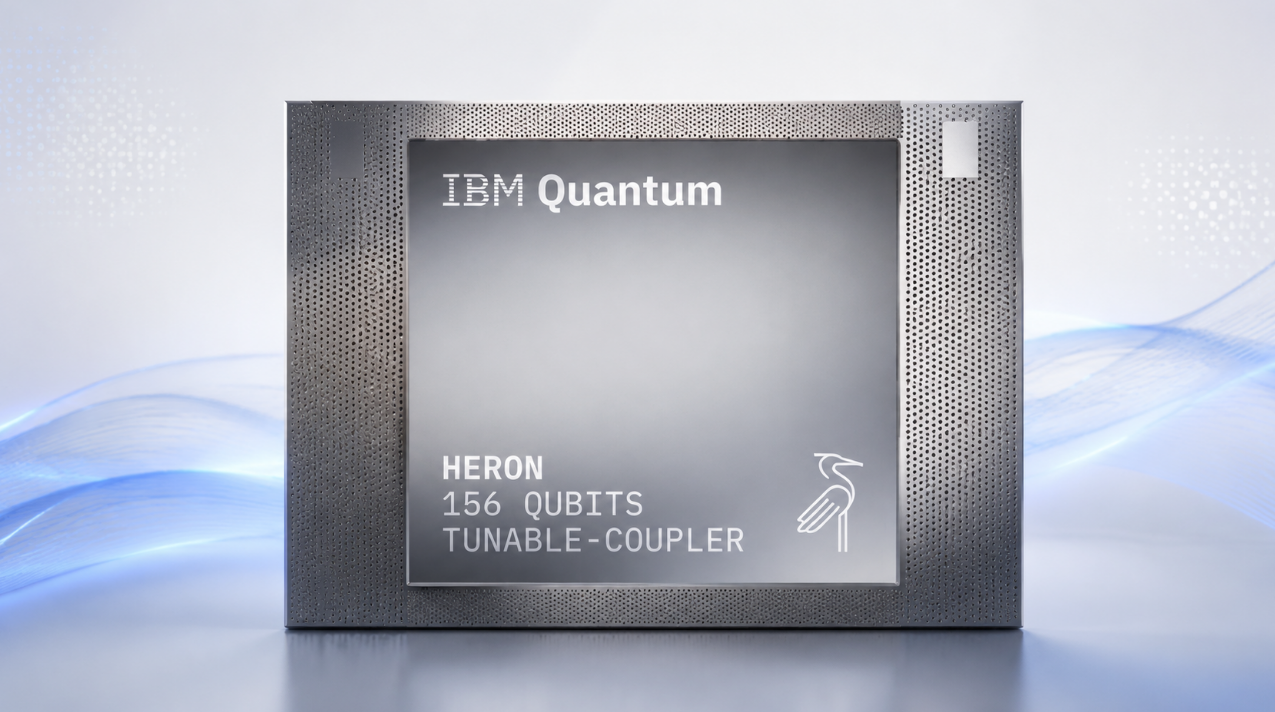
The software has been tested on IBM’s most advanced processors, including the 127-qubit Eagle and the 133-qubit Heron. QESEM became available as an integrated Qiskit Function on IBM’s quantum platform in September 2024. Since then, it has expanded beyond IBM hardware to include integration with Quantinuum’s systems.
Qedma raised $26 million in Series A funding in July 2025, with IBM itself participating as an investor. IBM has committed over $10 billion to quantum computing initiatives and has publicly targeted achieving early quantum advantage by 2026.