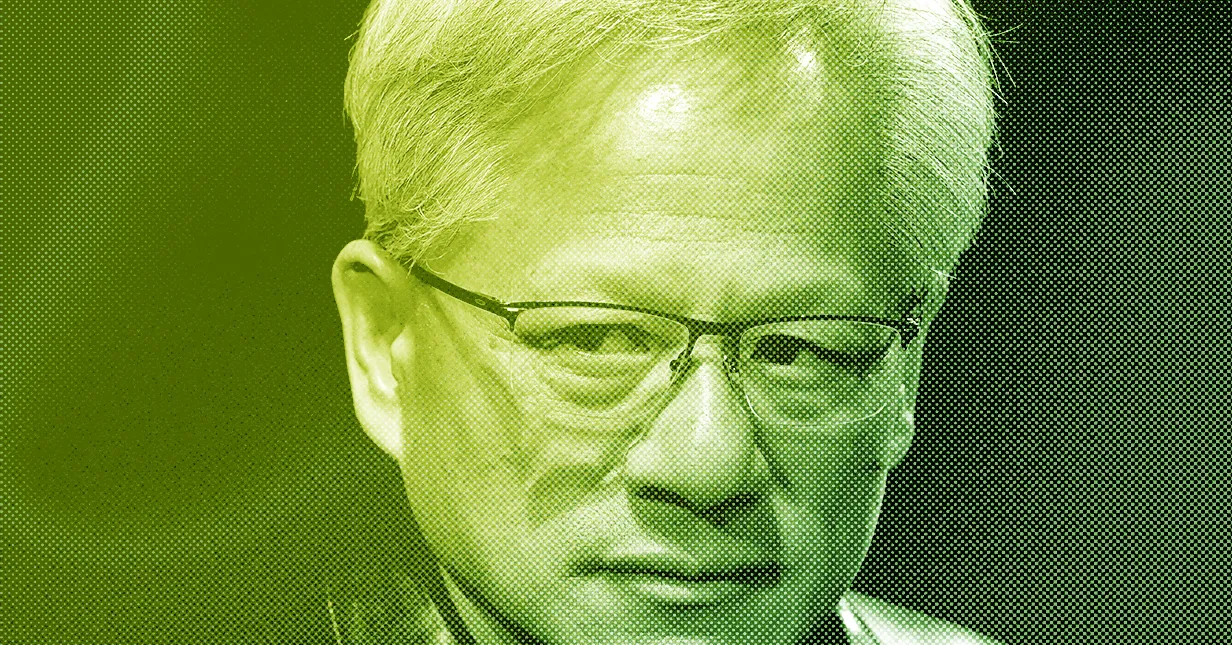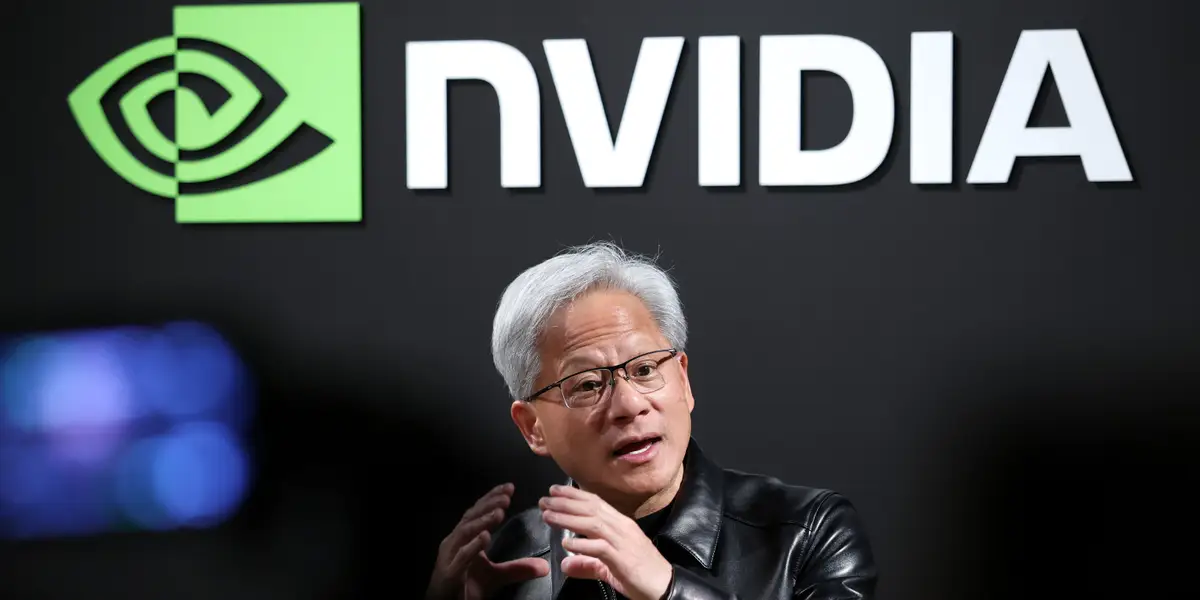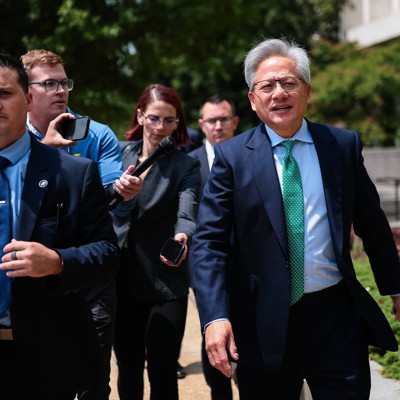
Nvidia CEO Jensen Huang talks to members of the press as he leaves the Hart Senate Office Building on July 28, 2026.
Finn Gomez / Getty Images
The future of AI will be driven in significant part by startups and small players using open-source software to make their own, cheaper, more efficient versions of Claude or ChatGPT, tech leaders finally admitted this week. For companies like AWS, the challenge now is protecting those public tools from increasingly sophisticated attacks from China, Russia, North Korea, or other players.“Open-weight models—AI models that anyone can download, inspect, modify, and run on their own infrastructure—are an important part of that foundation because they make advanced AI more accessible, adaptable, and widely available,” reads a July 24 statement by Nvidia CEO Jensen Huang, and co-signed by Amazon, Meta, Google, Microsoft, and a host of other companies. How open wonThe statement shows a dramatic reversal by companies that made fortunes off of proprietary software and have invested billions in OpenAI, Anthropic, and other frontier AI labs whose primary business is closed AI models. Dramatic, yes. But years in the making.Satya Nadella illustrates how quickly sentiment among leading tech firms has changed. In 2024, the Microsoft CEO described proprietary models as critical to safety. Closed-source AI, he said, “allow[s] us to do deep end-to-end red-teaming, alignment, and safety evaluations before exposing them to the world.” Microsoft had invested $13 billion in OpenAI by that point.AWS, another signatory of Huang’s statement, this week completed a $50 billion investment in OpenAI; the Amazon spinoff has also put money into rival lab Anthropic. Both of those investments were bets that the intellectual property of a small number of labs was going to be better and easier to safeguard than code made, often, by volunteers.