(Image credit: Getty Images)
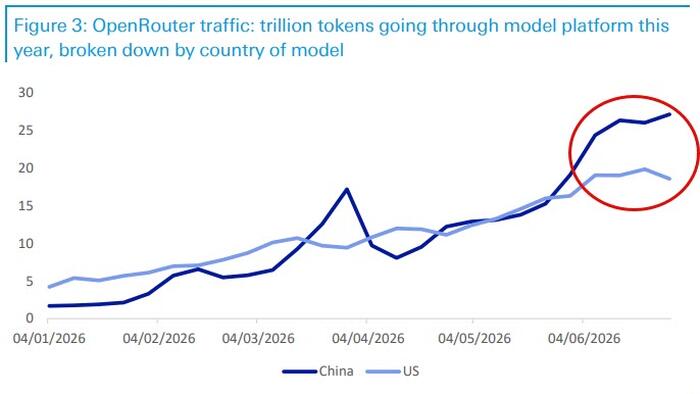
If you've been following AI news lately, you've probably heard the words "open source" far more than usual.Nearly every week, another company announces an "open" AI model. Meta has Llama, Mistral has built its reputation on open-weight models, Chinese company Moonshot AI recently released Kimi K3 and even companies that once kept everything behind closed doors are becoming more willing to share parts of their technology.If you're wondering what "open source" means, you're not alone. Although it may seem like a buzzword or phrase, there's more to it than big tech giving away their precious models for free.If training an AI model costs hundreds of millions of dollars — or even billions when you factor in the enormous data centers and specialized chips needed to power them, why would companies spend that kind of money only to give their work away?The answer is that they're not really giving everything away. And in many cases, making models more open is actually good business.What exactly is open source AI?
(Image credit: Future)First, let's clear up one common misconception. The phrase "open source AI" gets thrown around a lot, but it doesn't always mean what people think it does. A truly open-source project typically makes its code, training methods and licensing available for anyone to inspect, modify and redistribute.Many of today's AI models are actually open weight rather than fully open source. That means developers can download the trained model and run it themselves, but the company may not release the training data, the code used to build it or every detail of how it was created.Get instant access to breaking news, the hottest reviews, great deals and helpful tips.It's a subtle distinction, but an important one. For everyday users, though, the experience is often the same. In other words, more people can build with these models, improve them and create new AI tools without starting from scratch.The AI arms race has changed