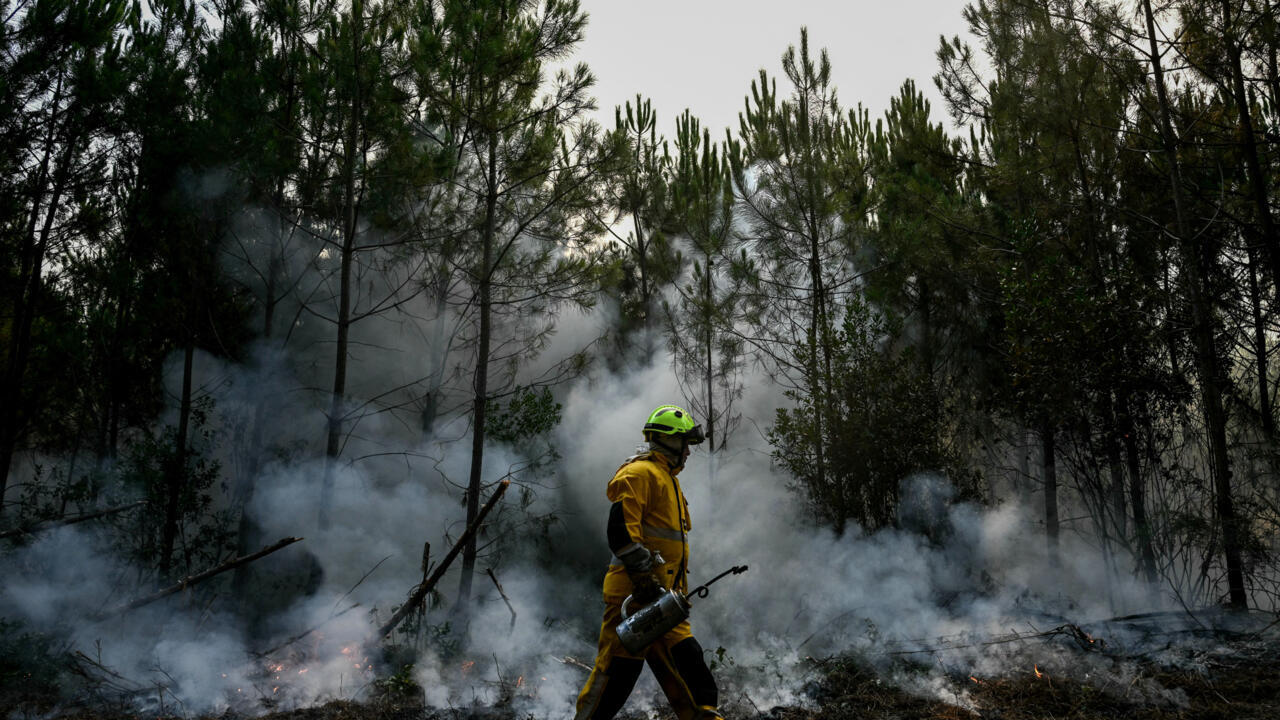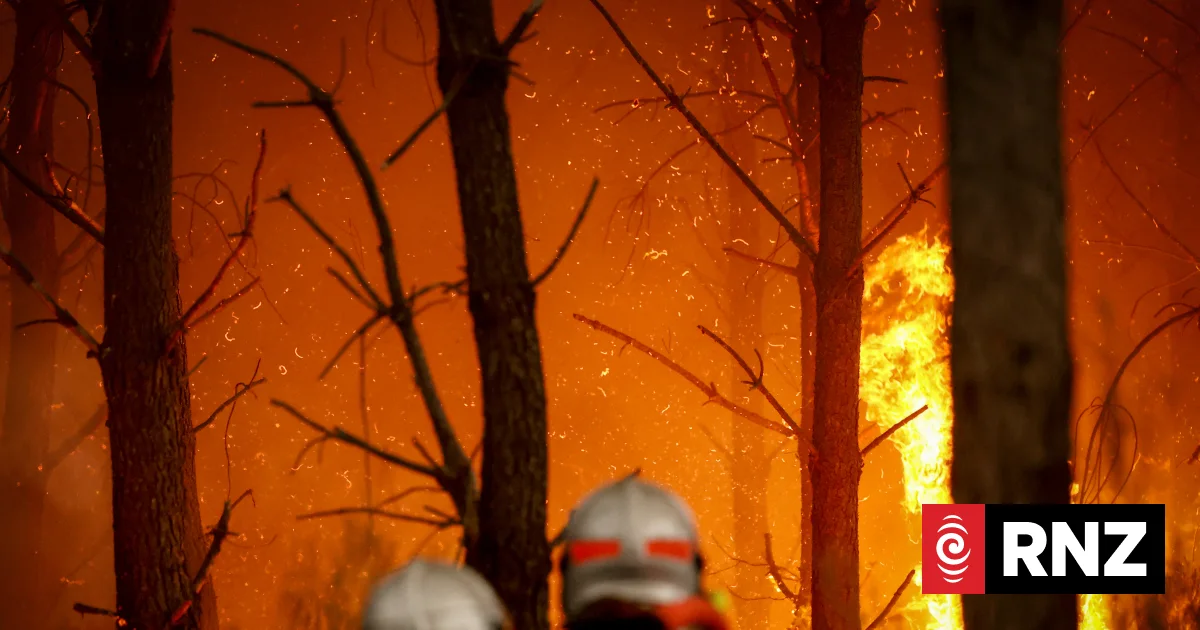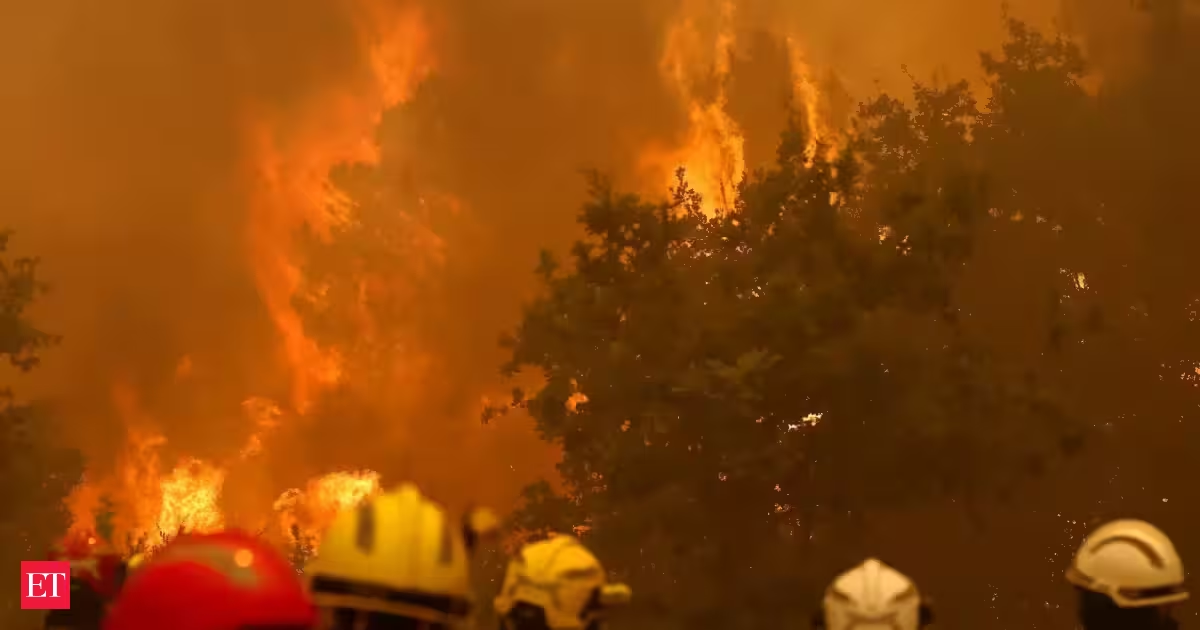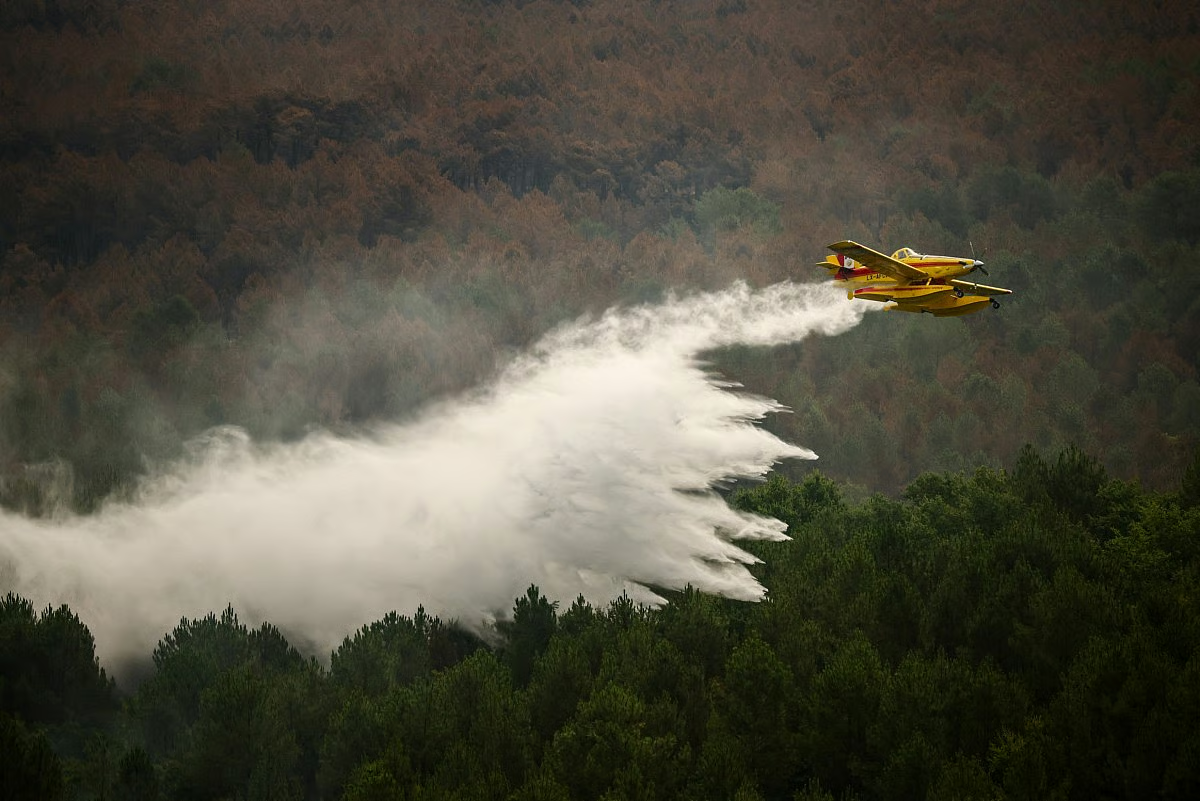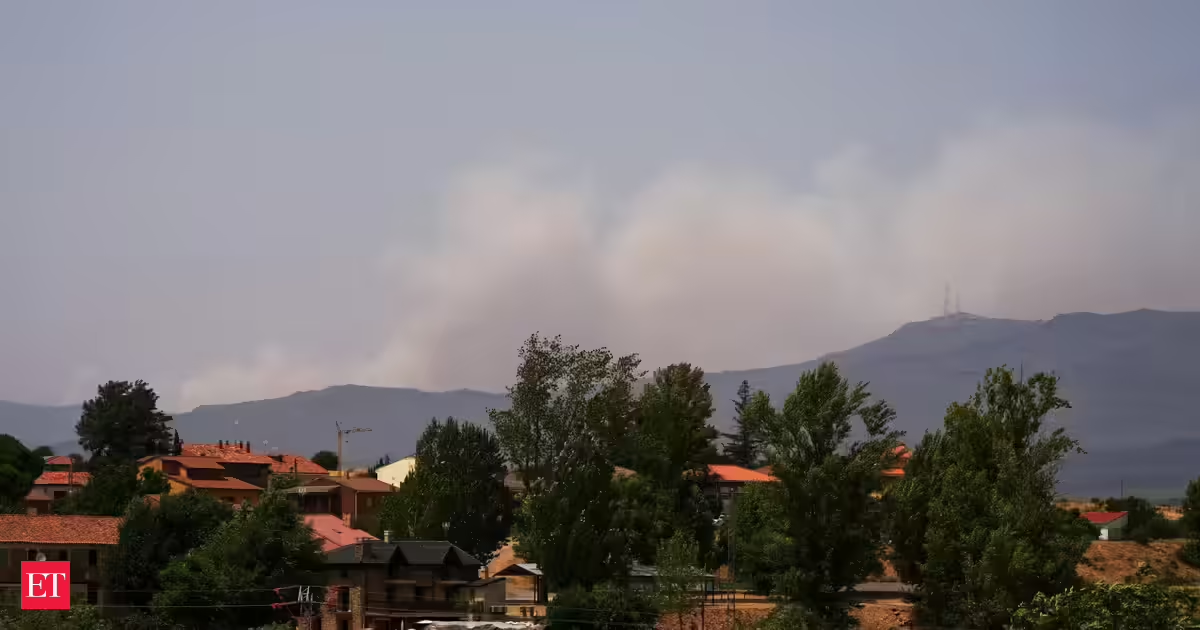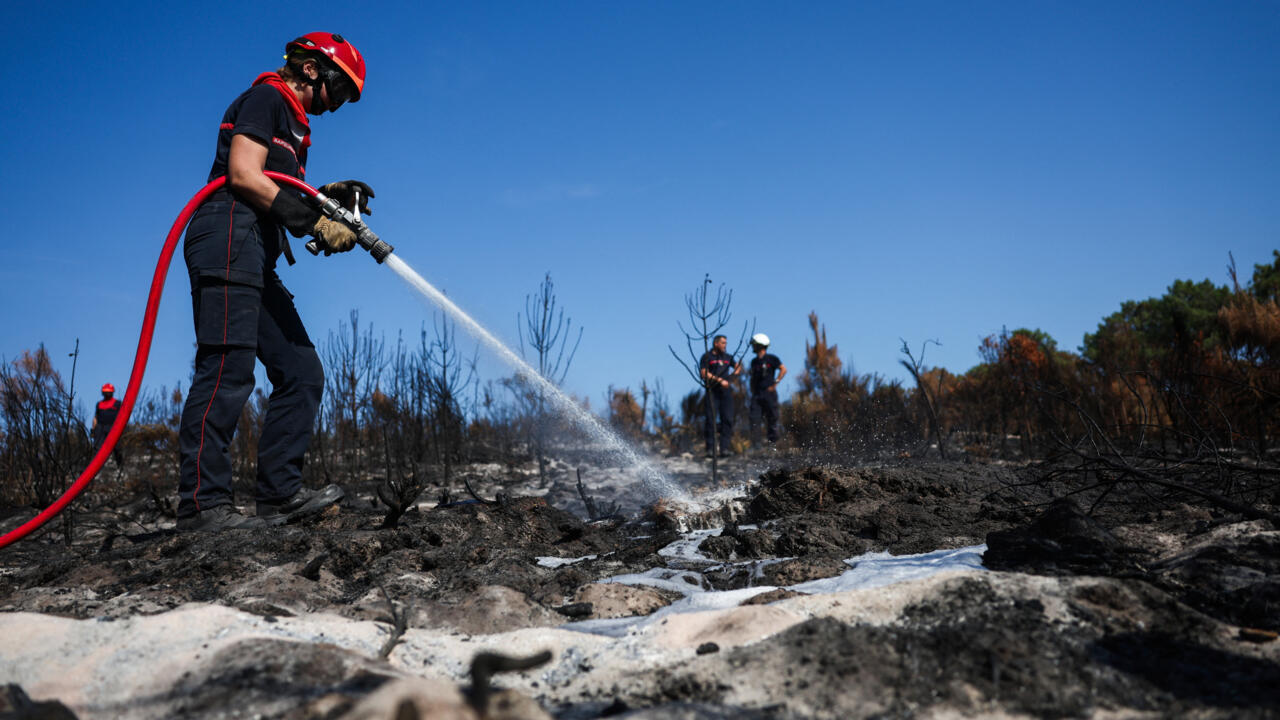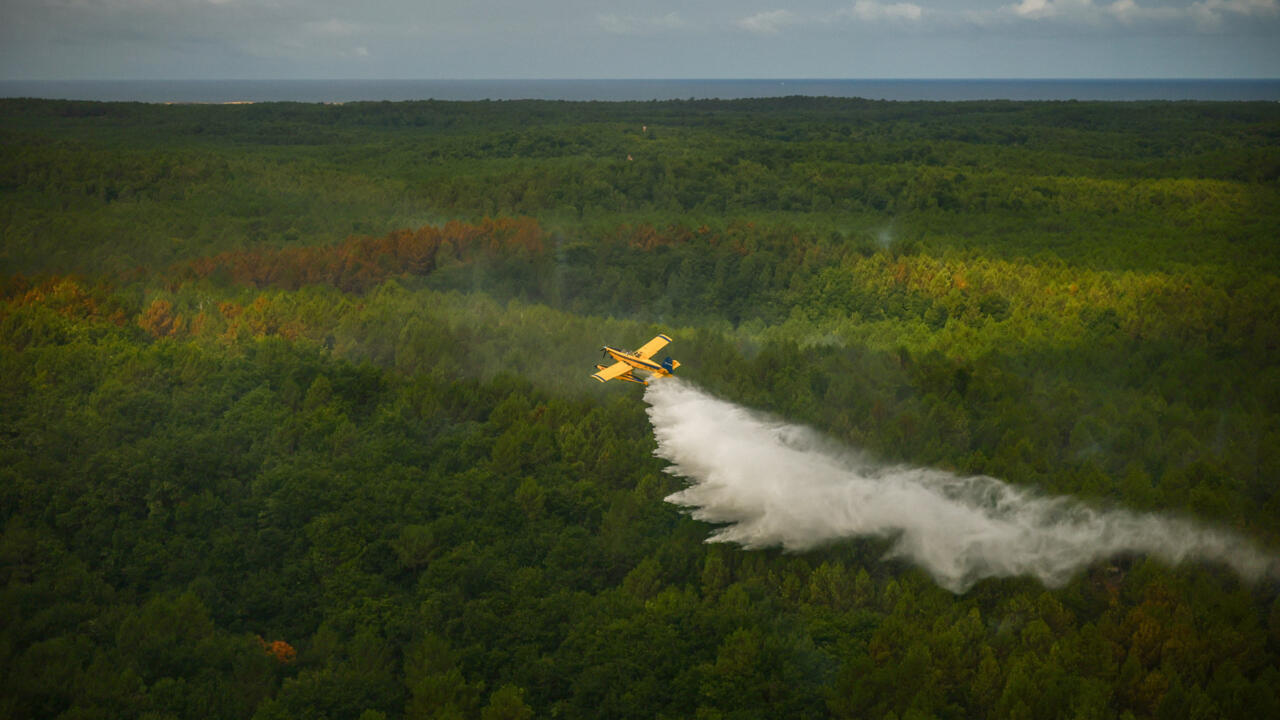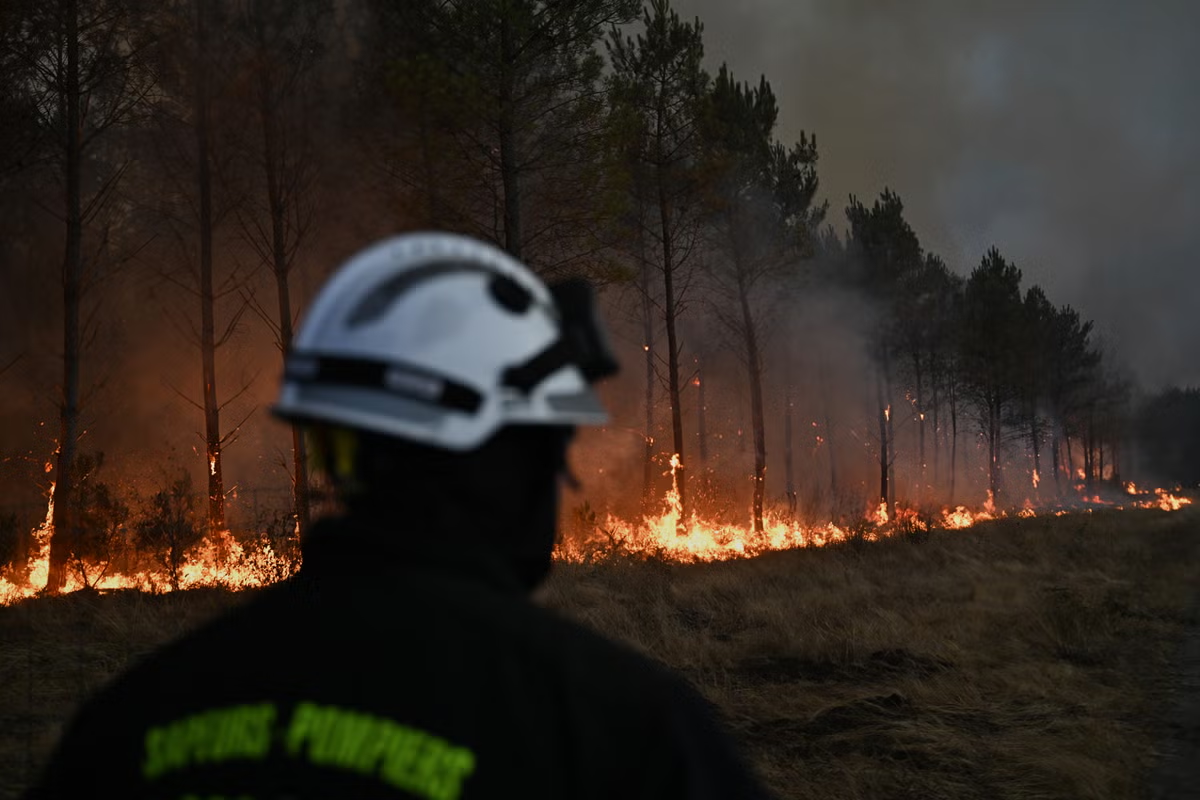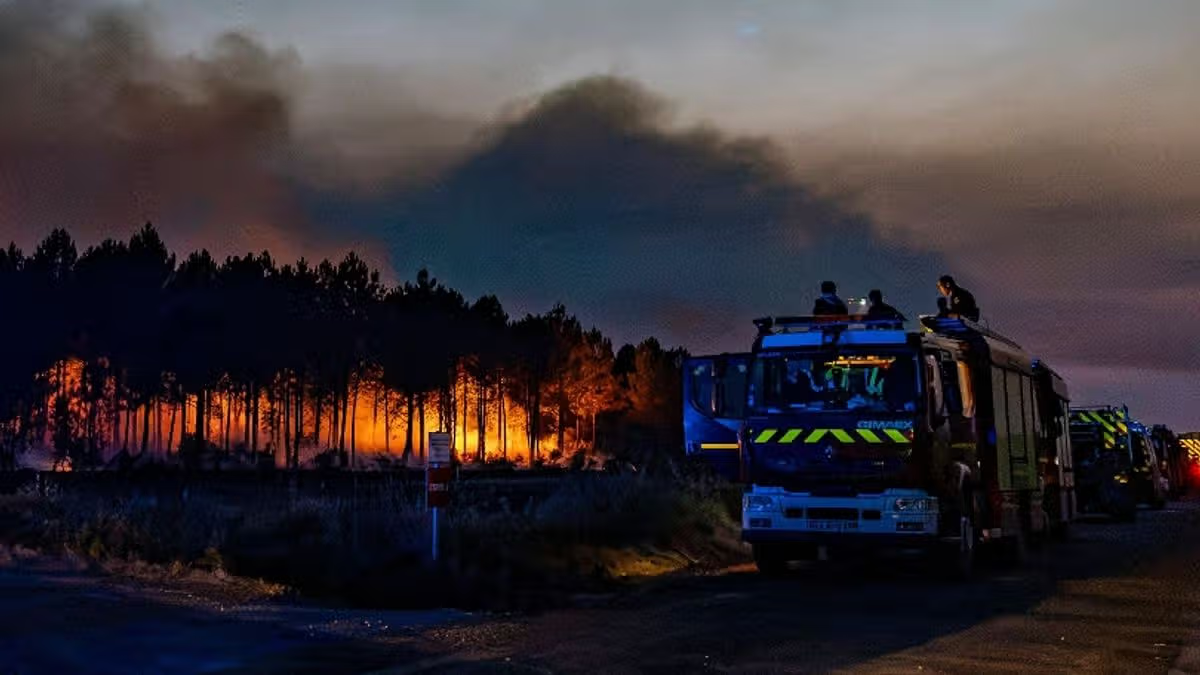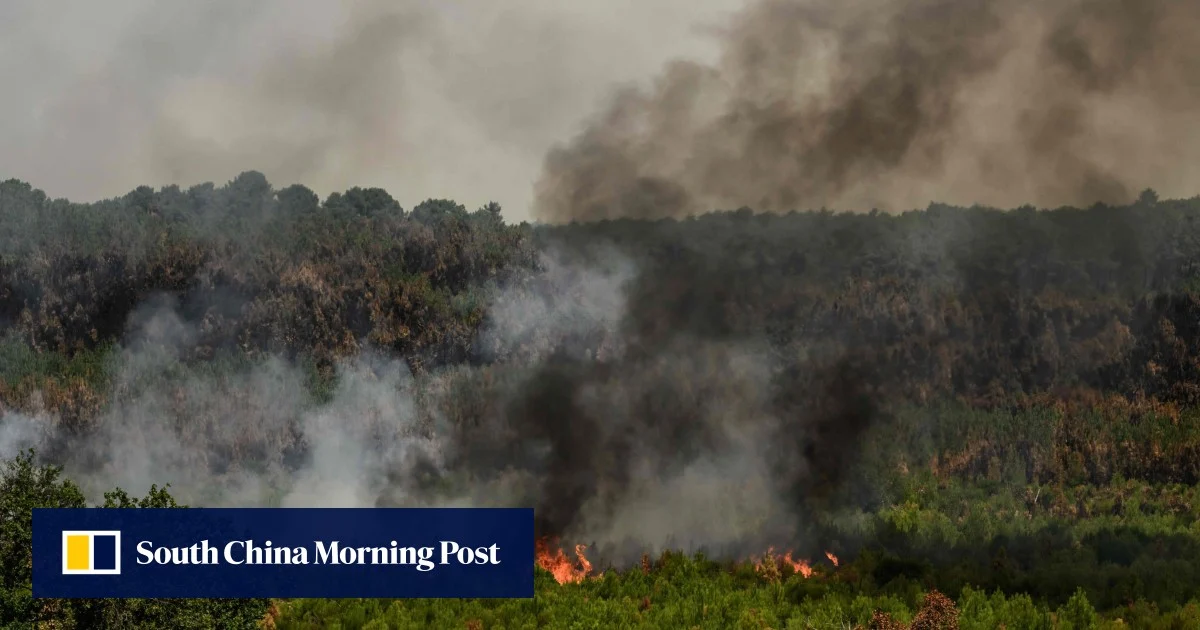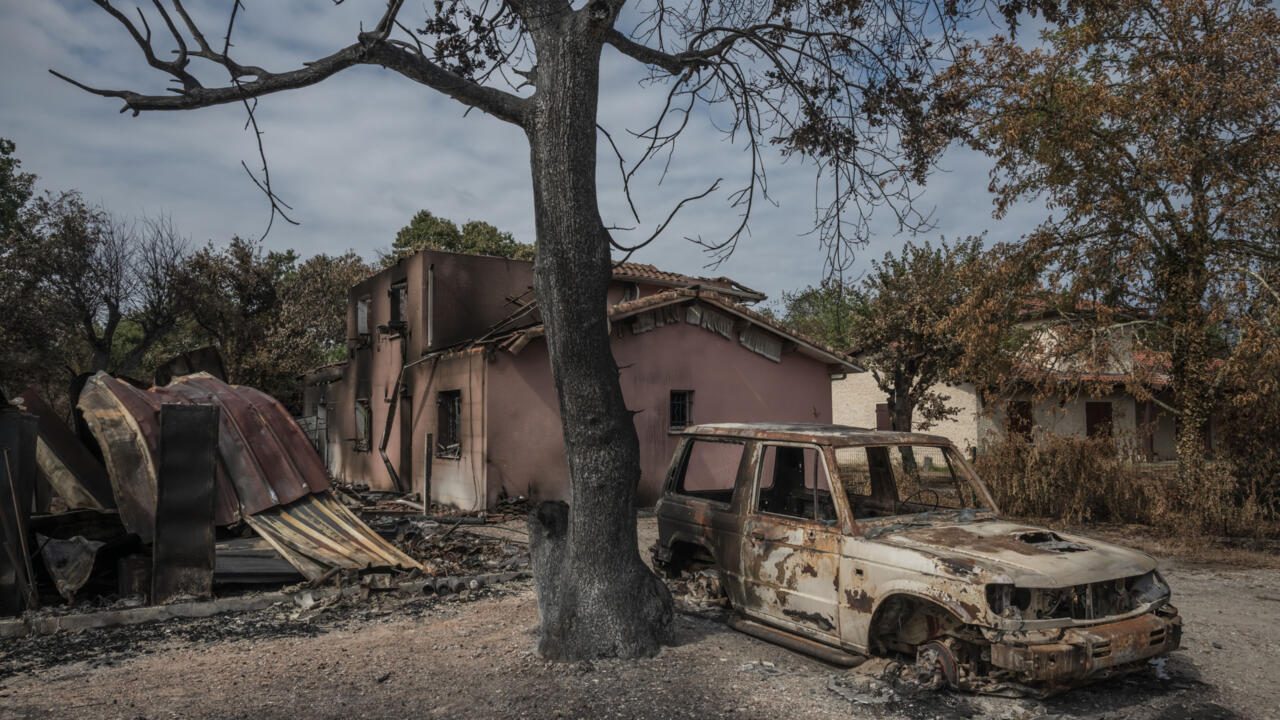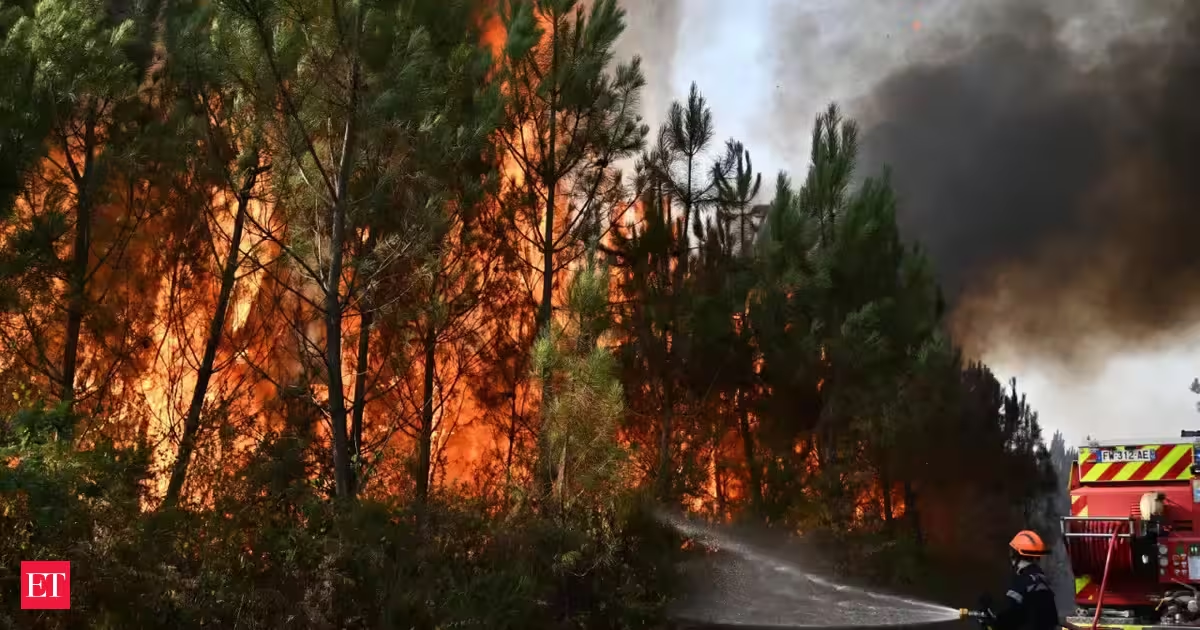
France's largest wildfire of the summer has been brought under control after tearing through forests near Bordeaux for 10 days, but authorities warned on Sunday that the danger is far from over as extreme heat, dry weather and gusty winds continue to threaten fresh flare-ups.Even as firefighters gained the upper hand in the southwest, another wildfire in southeastern France remained active, keeping thousands of emergency personnel on high alert across the country.Bordeaux wildfire held within perimeter after days of devastationThe wildfire in the Gironde region has burned roughly 420 square kilometres (162 square miles)—an area nearly four times the size of Paris—making it one of the country's most destructive blazes in recent years.Officials said the fire has now been contained within its established perimeter, a milestone that prevents further spread. However, they stressed that containment does not mean the flames have been extinguished.Thousands of firefighters continued to patrol the scarred landscape, dousing hidden hot spots, strengthening firebreaks and monitoring areas where lingering embers could reignite under changing weather conditions.The Gironde prefecture maintained its highest-level red forest fire alert, citing soaring temperatures around Bordeaux and forecast afternoon winds that could rapidly reverse recent progress.International crews reinforce firefighting effortAround 3,000 firefighters remain deployed between the Gironde and Provence fire zones.France is also receiving reinforcements from Ukraine, Lithuania and French Polynesia, with additional crews expected to join operations over the next two days as authorities prepare for another spell of difficult firefighting conditions.The Bordeaux wildfire triggered one of the largest civilian evacuations seen in France outside wartime, forcing around 224,000 residents and visitors to leave their homes. Many evacuees are still unable to return as emergency teams secure the affected areas.Provence fire remains active despite slower spreadIn the southeastern Var department, firefighters spent the night preventing another major blaze from advancing through the Gros Bessillon hills.Authorities said the fire's perimeter remained stable overnight, but it has not yet been officially contained.The blaze has already destroyed nearly 18 square kilometres (seven square miles) of vegetation in just over a day, prompting the evacuation of about 2,500 people from nearby communities.Water-bombing aircraft continued to assist ground crews as they worked to shield villages surrounded by vineyards, olive groves and dense woodland in the Green Provence region.The latest emergency marks the fourth significant wildfire to hit central Var since July 19.George Clooney among recent evacueesThe region has faced repeated wildfire emergencies over the past two weeks. Earlier this week, a separate fire near Brignoles forced actor George Clooney, his family and hundreds of other residents to evacuate before firefighters managed to bring that blaze under control.Climate change increasing wildfire risk, scientists sayResearchers at World Weather Attribution said a rapid scientific assessment found that human-driven climate change doubled the likelihood of the extreme fire weather conditions that fuelled the French wildfires.Their findings come as Europe continues to experience record-breaking heat. According to the Copernicus Climate Change Service, Europe has been warming at twice the global average rate since the 1980s, making the continent increasingly vulnerable to prolonged droughts and large-scale wildfires.France prepares for recovery even as fire season continuesPrime Minister Sébastien Lecornu said the country's major wildfires were broadly under control but cautioned that weather conditions remain unpredictable and could quickly worsen.He also announced the appointment of a national reconstruction coordinator to oversee recovery efforts in fire-hit regions.France has already lost more than 1,170 square kilometres (452 square miles) of land to wildfires this year, underscoring the growing challenge posed by increasingly intense fire seasons driven by hotter and drier conditions.(With AP inputs)
France wildfire contained after 10 days, but firefighters stay on high alert
France's largest wildfire near Bordeaux has been controlled after ten days of devastation. Another wildfire in southeastern France remains active, keeping emergency personnel on high alert. Thousands of residents and visitors were evacuated from their homes due to the extensive blazes. Climate change is increasing the likelihood of extreme fire weather conditions across Europe. The nation is preparing for recovery while the fire season continues with unpredictable conditions.
586 words~3 min read