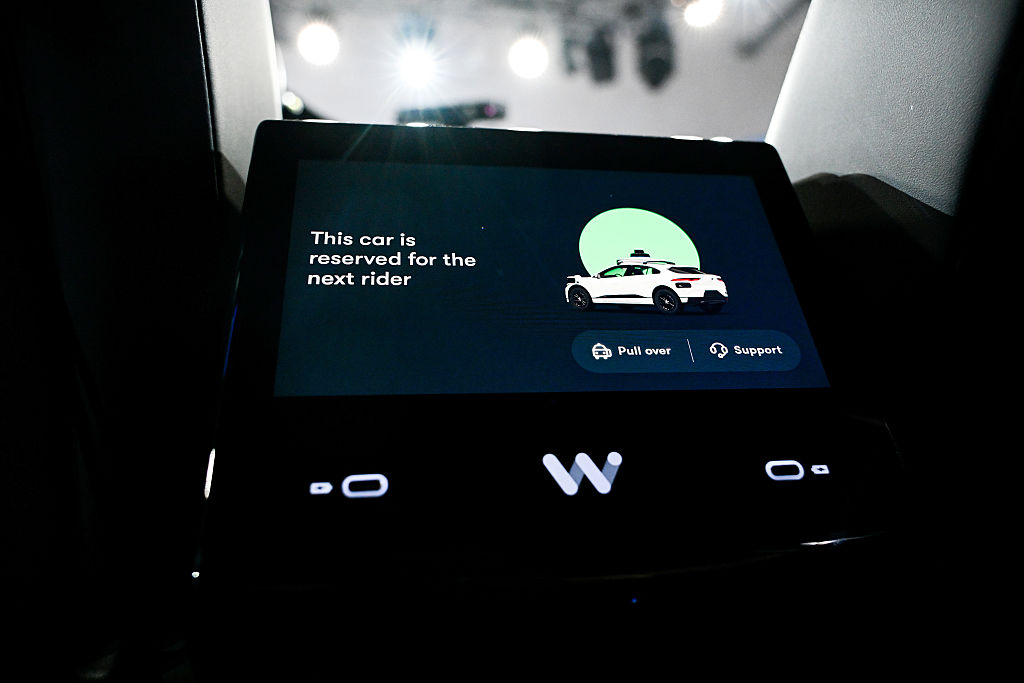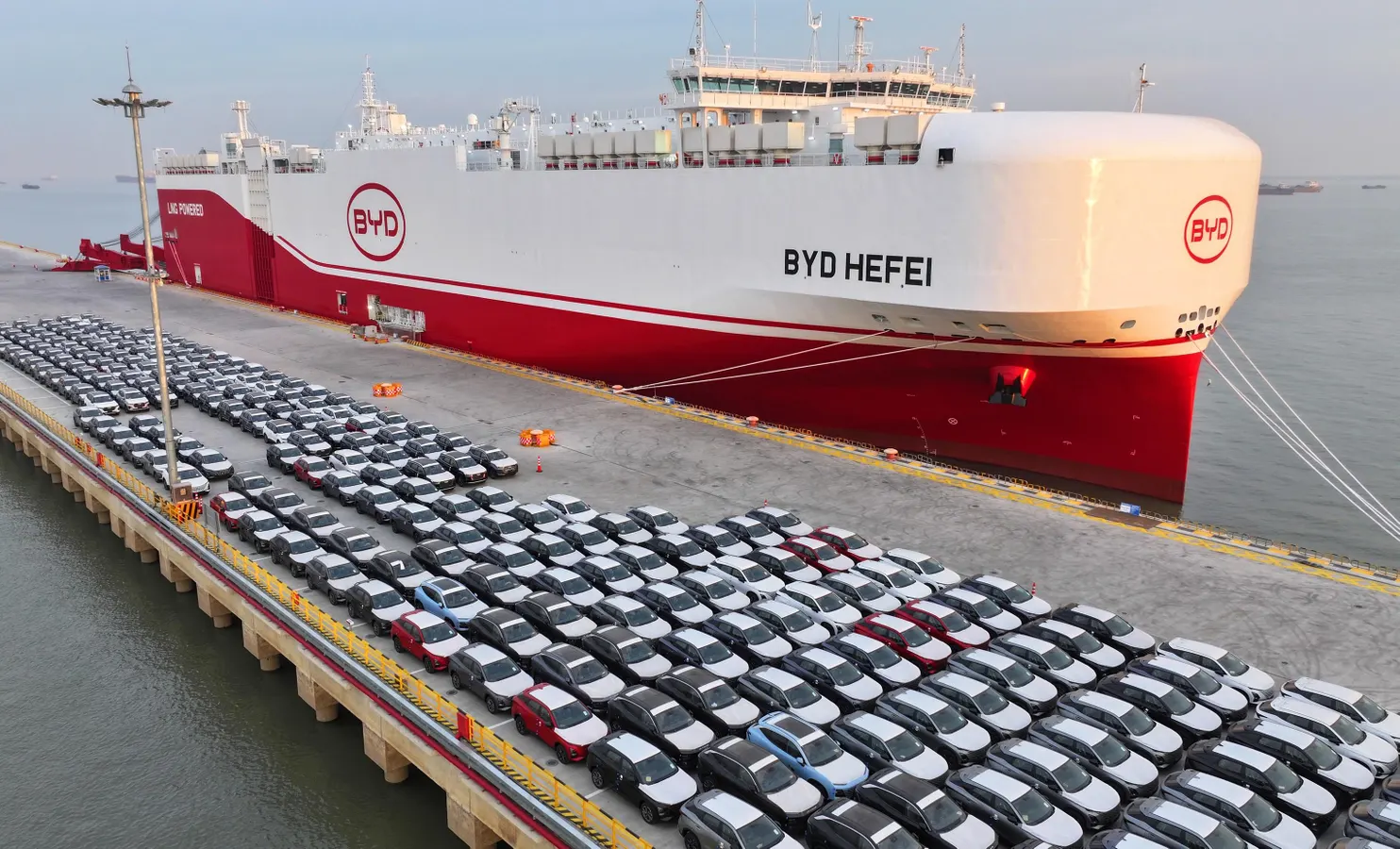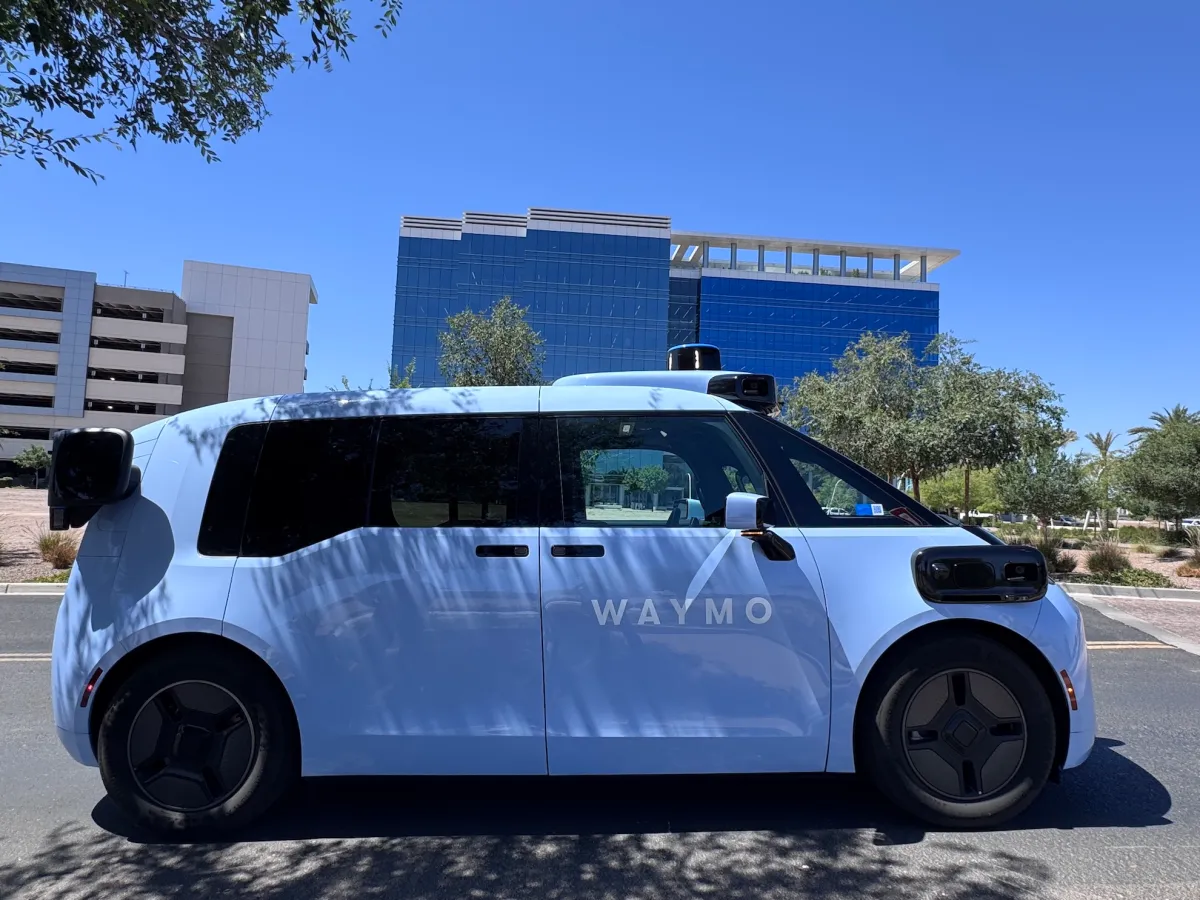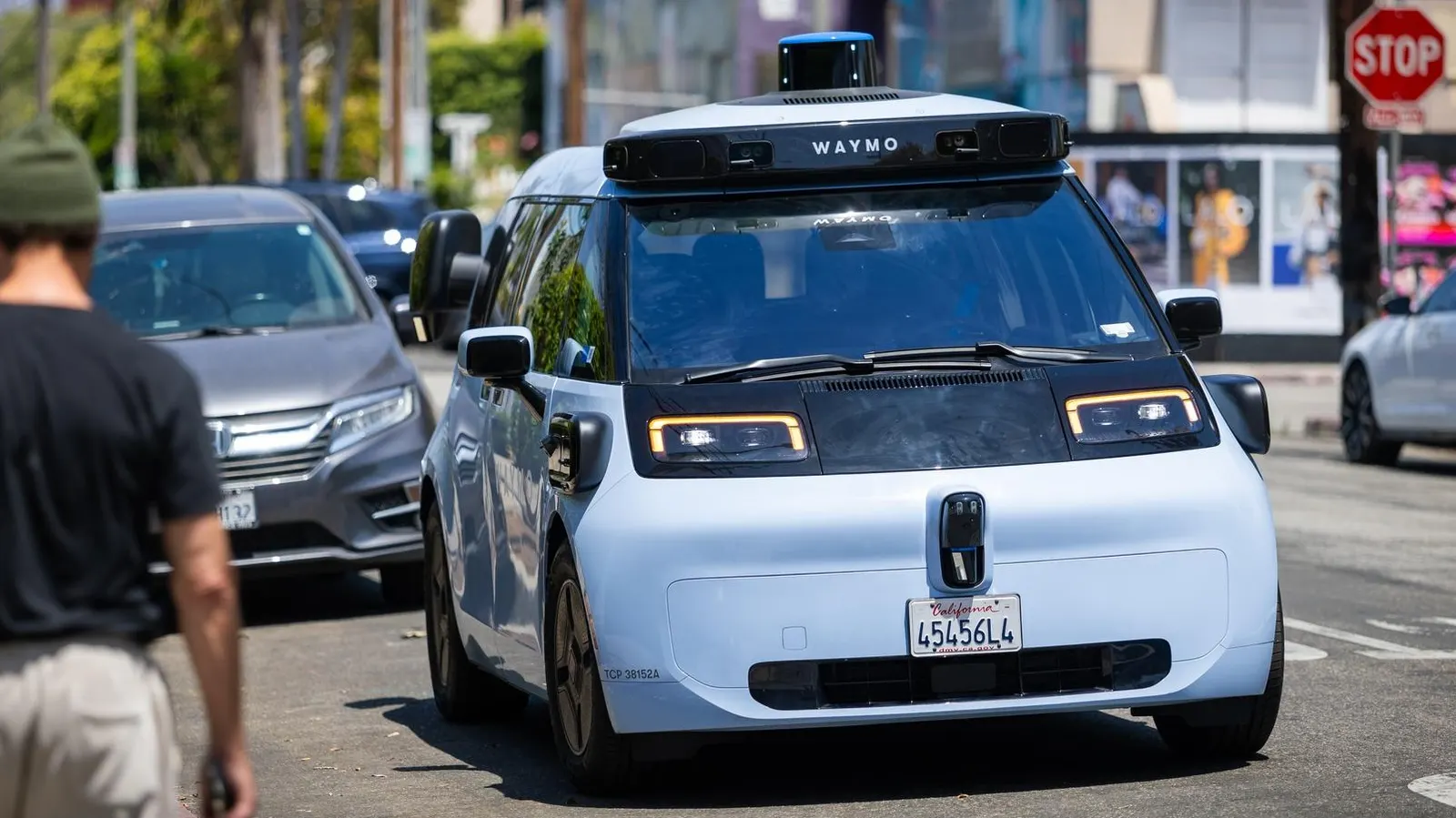
The new Waymo Ojai robotoxi drives in Venice Beach, Los Angeles.Los Angeles Times via Getty ImagesChinese automakers are now the de facto global standard for electric vehicles. BYD is outselling Tesla with highly affordable models. Consumer electronics giant Xiaomi is rolling out stylish sedans and SUVs outfitted with dizzying in-cabin infotainment tech. But staggeringly high tariffs, hovering at 127.5% for Chinese-built EVs, have kept those cars largely out of American driveways.But they have not kept them out of Waymo’s fast-growing U.S. robotaxi fleet. In late May, Alphabet’s self-driving vehicle company began deploying small electric vans, built by China’s Zeekr brand–which it calls the Waymo Ojai–in cities including Los Angeles and San Francisco. At the time, Waymo would only say it had “more than 100” of the friendly-faced, periwinkle-colored minivans on the road. Most industry watchers assumed the Mountain View, California-based company would ultimately operate fewer than 1,000 owing to the excessive import fees. That’s not the case. Since 2024, Zeekr has shipped more than 3,200 units of its CM1e, its Chinese market name, through the Port of Los Angeles, including over 2,600 so far this year, based on Bills of Lading data compiled by research firm ImportGenius. While Waymo isn’t identified as the recipient, Zeekr doesn’t have any other U.S. partner. If they were imported at the CM1e’s Chinese market price of $39,000, tariffs would drive the cost up to nearly $89,000, excluding the cost of Waymo’s autonomous driving hardware that likely exceeds $10,000. “The market assumes Waymo’s future with the Ojai is a dead-end due to tariffs on Chinese auto imports; so did we.”
Americans Can’t Buy Chinese EVs. Waymo Is Importing Thousands
The U.S. has used tariffs and security rules to keep Chinese cars off dealer lots. Alphabet’s robotaxi company appears to be buying them by the boatload.
1,320 words~6 min read