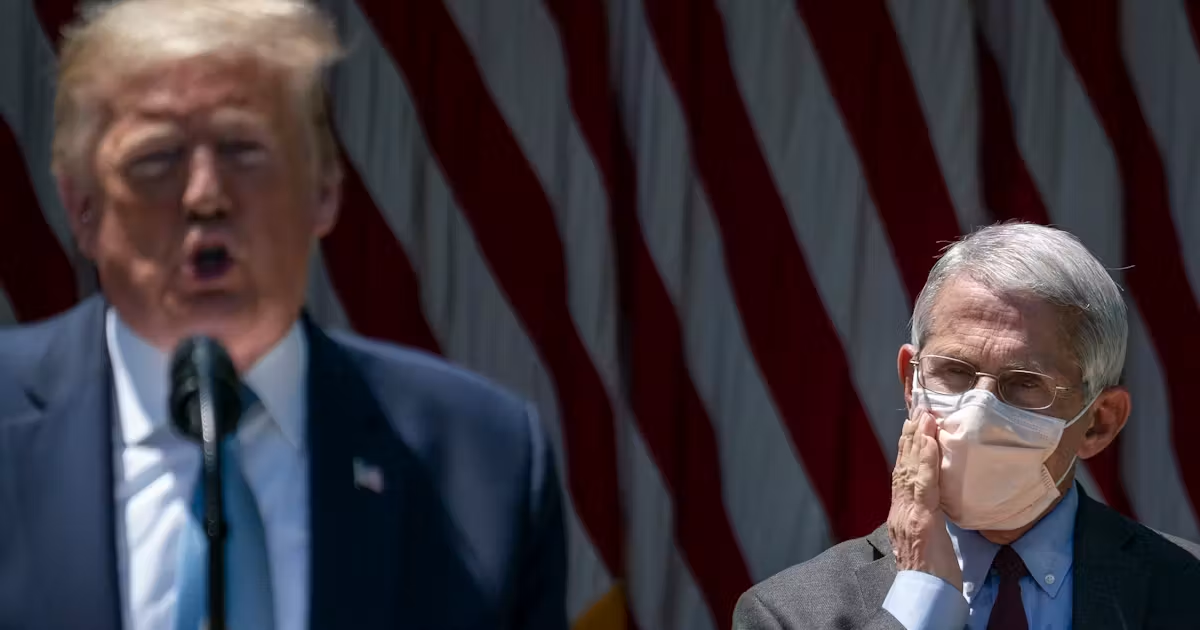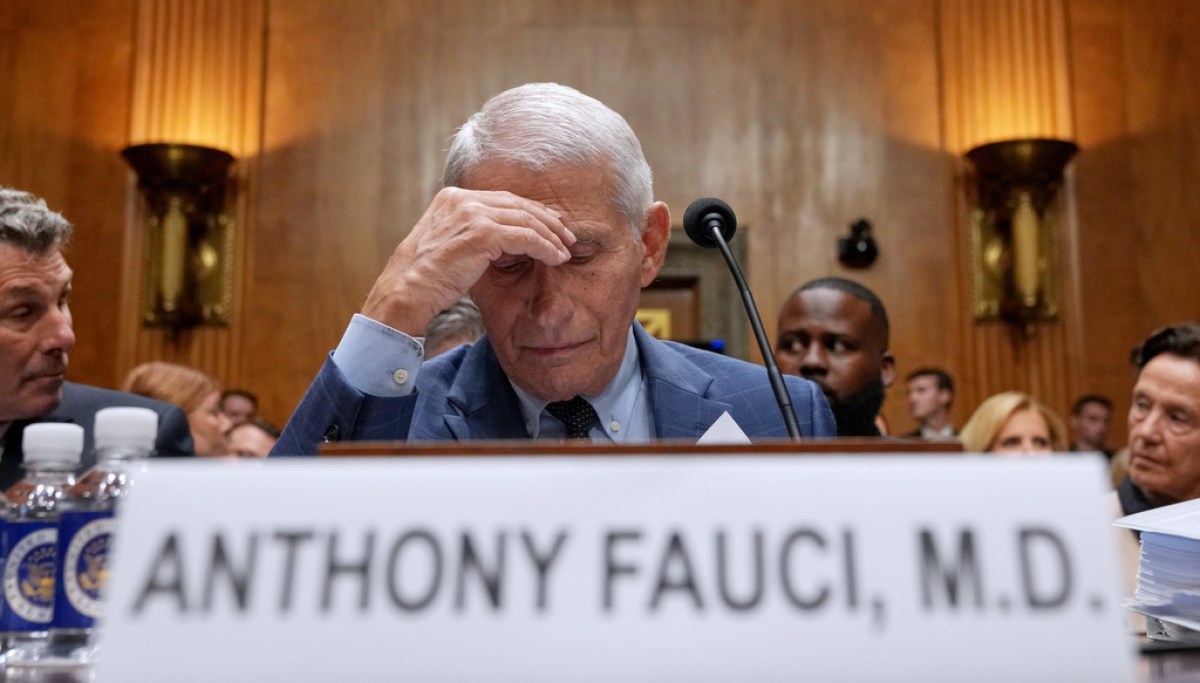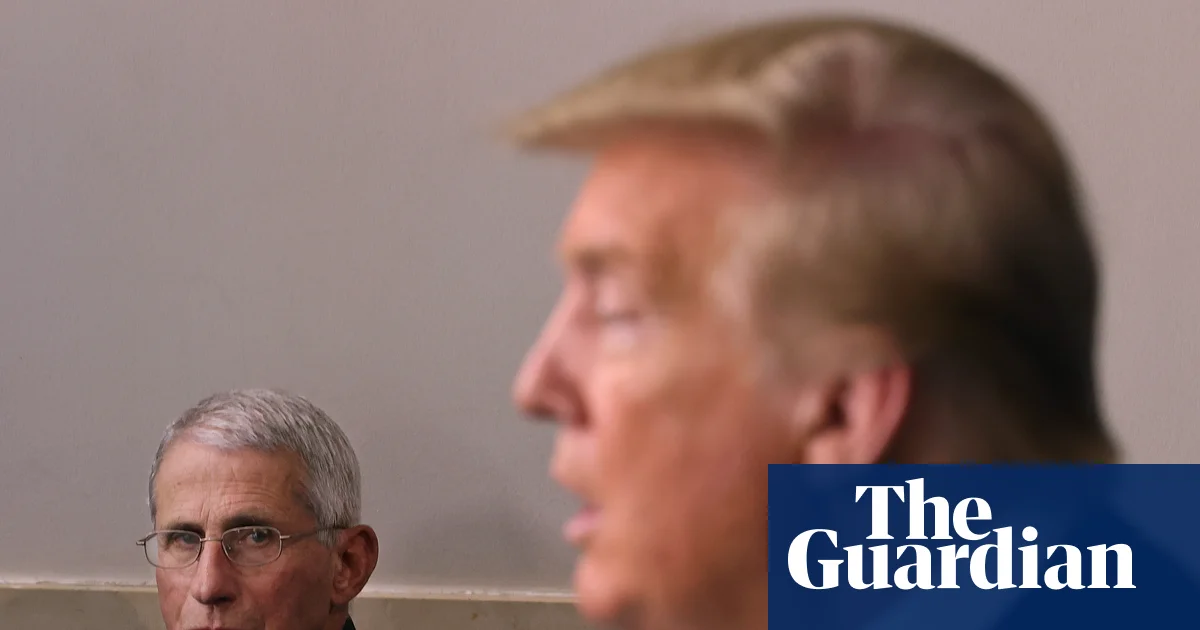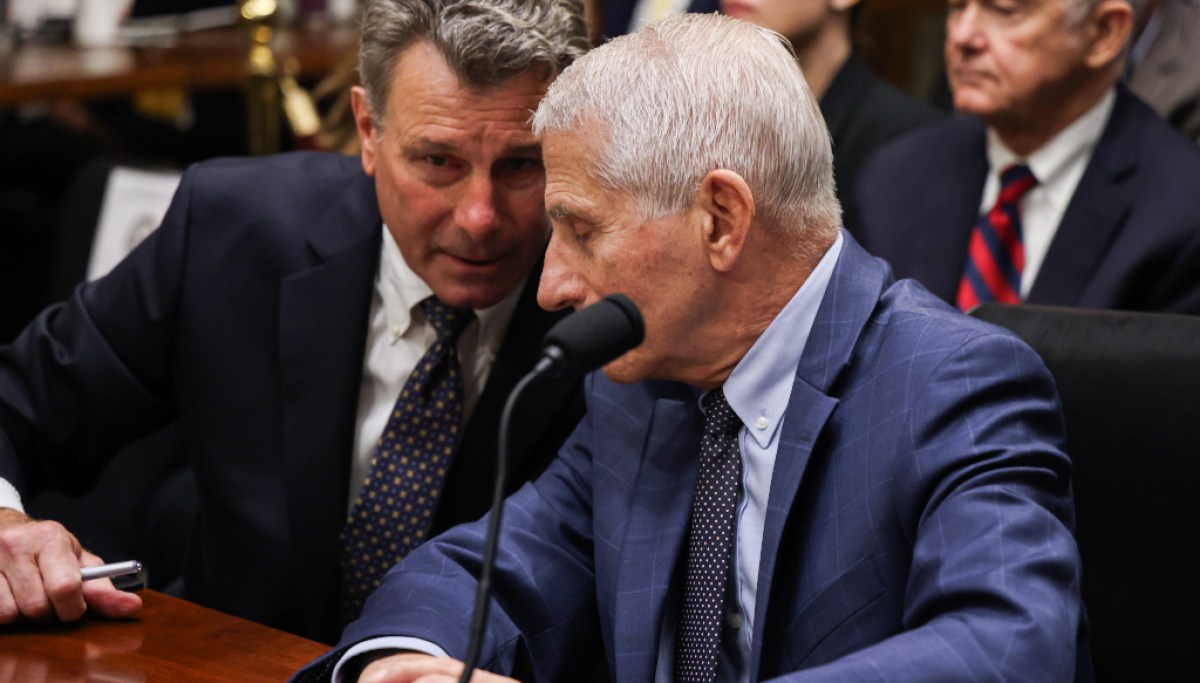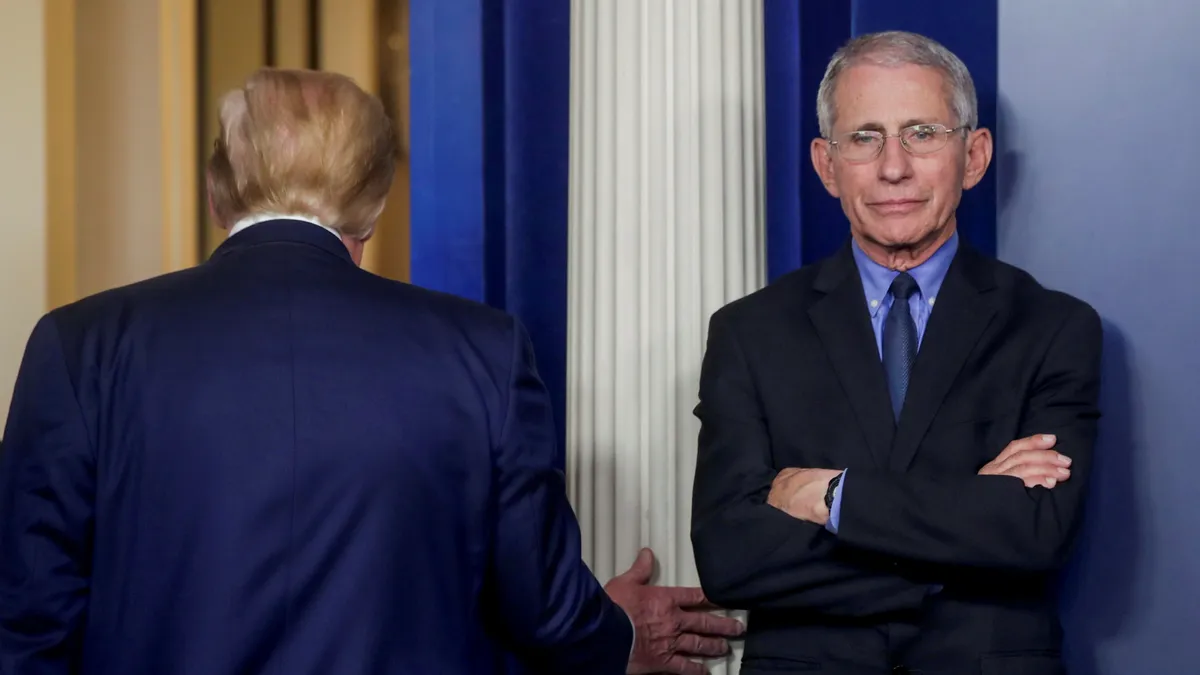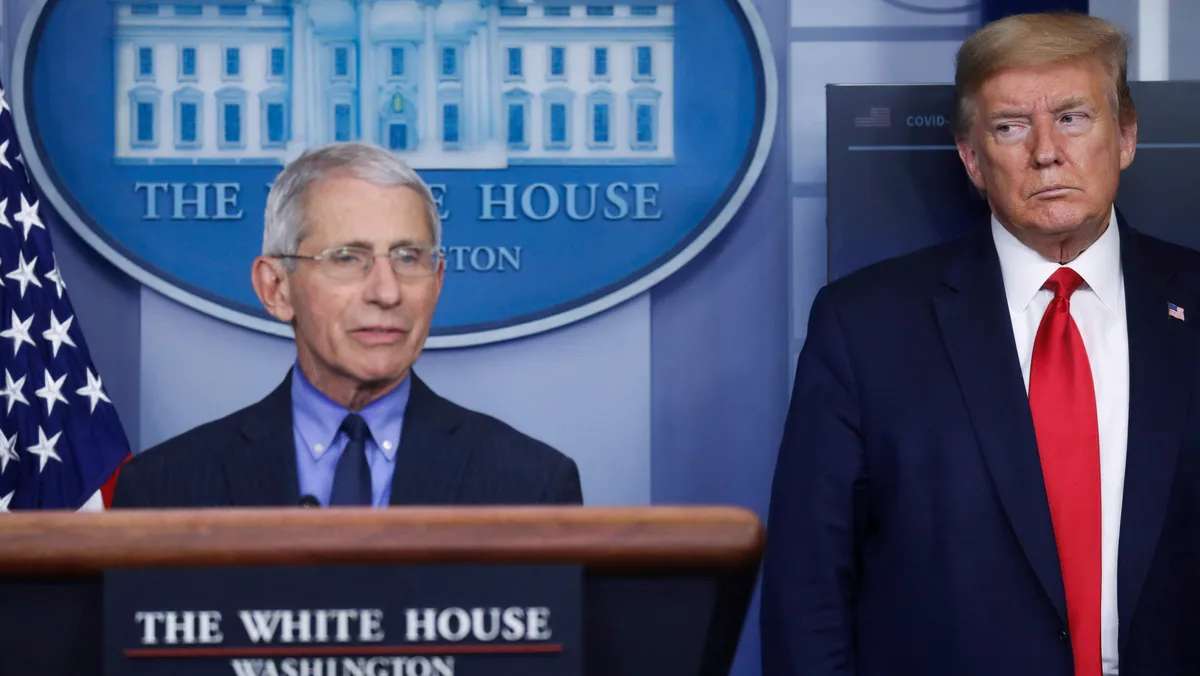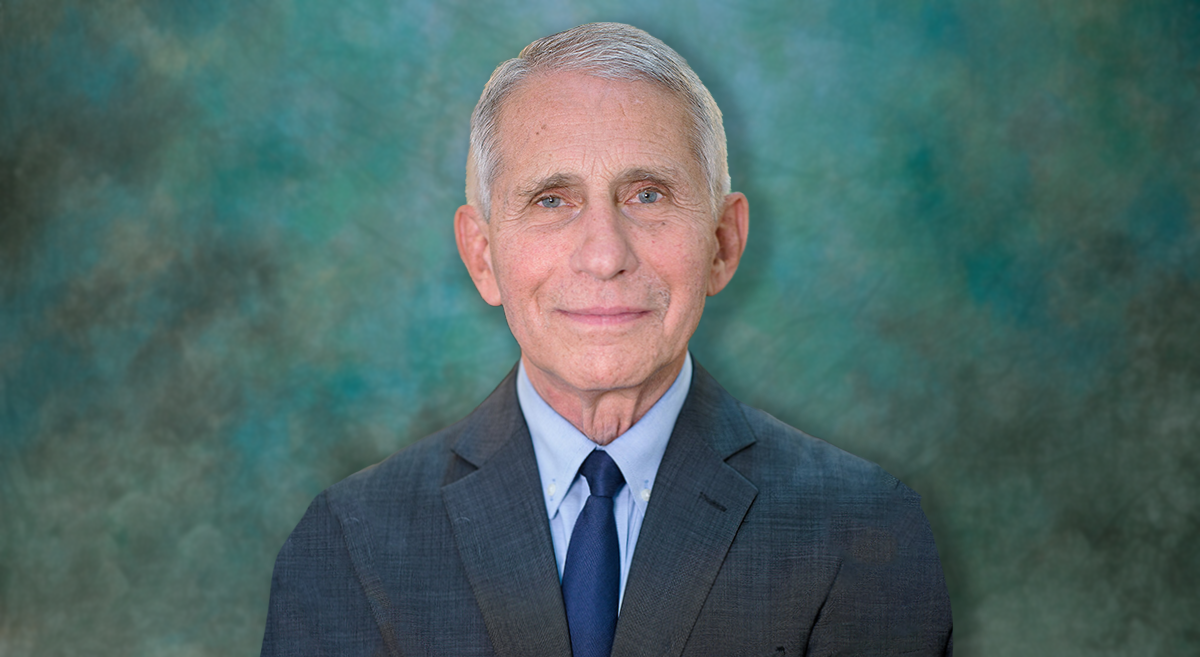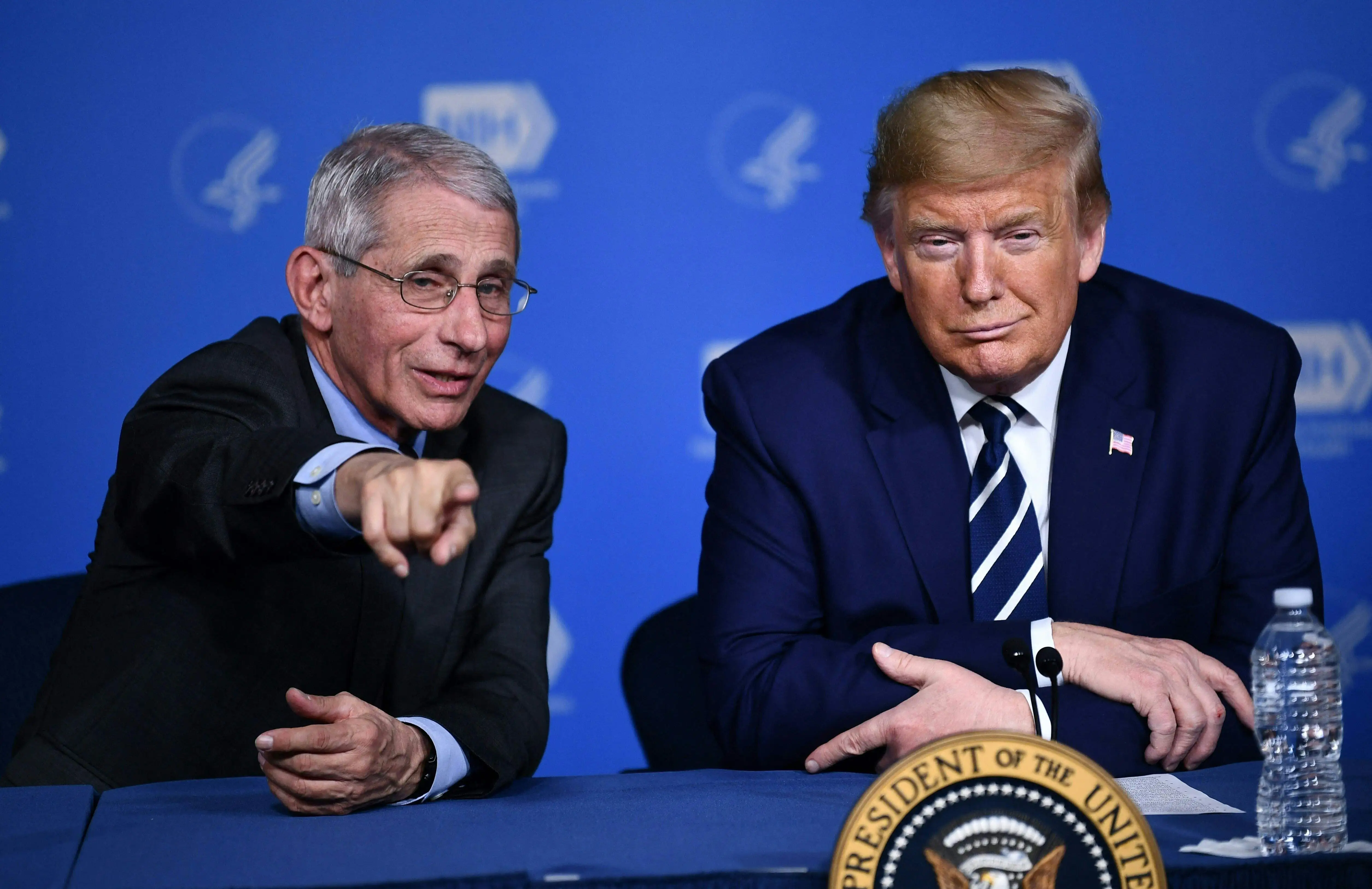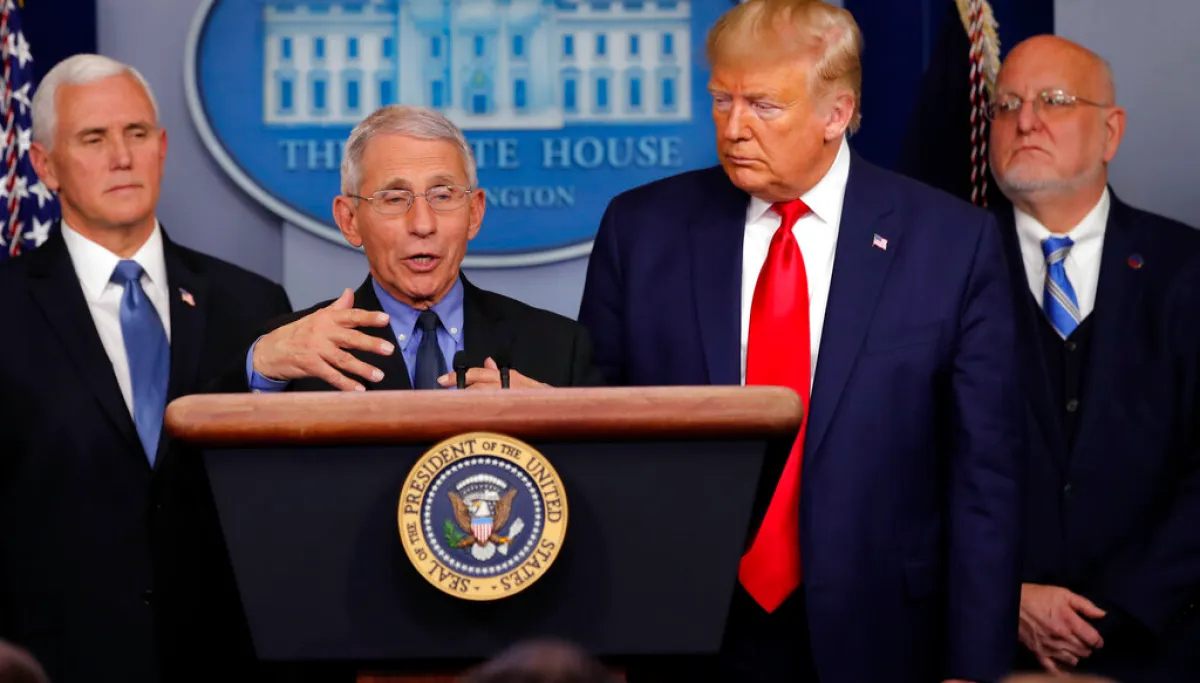
Dr. Anthony Fauci and President Donald Trump went from close collaborators during the early days of the COVID-19 pandemic response to political adversaries in one of the most consequential and public breakdowns of Trump’s first term.At the outset, Trump regularly praised Fauci, the nation’s top infectious disease expert, calling him “a terrific guy” and “a wonderful man.” Fauci became a fixture at White House Coronavirus Task Force briefings, often standing beside the president as the administration sought to project a united front.The admiration initially appeared to run both ways.
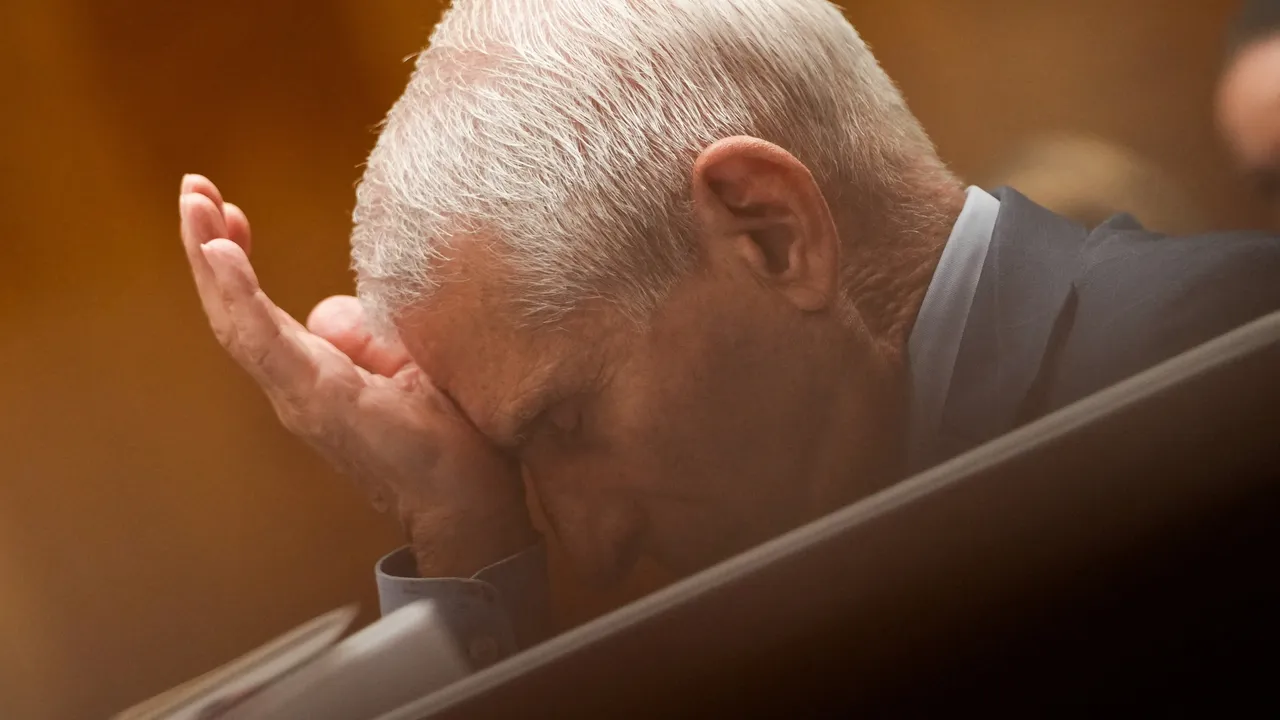
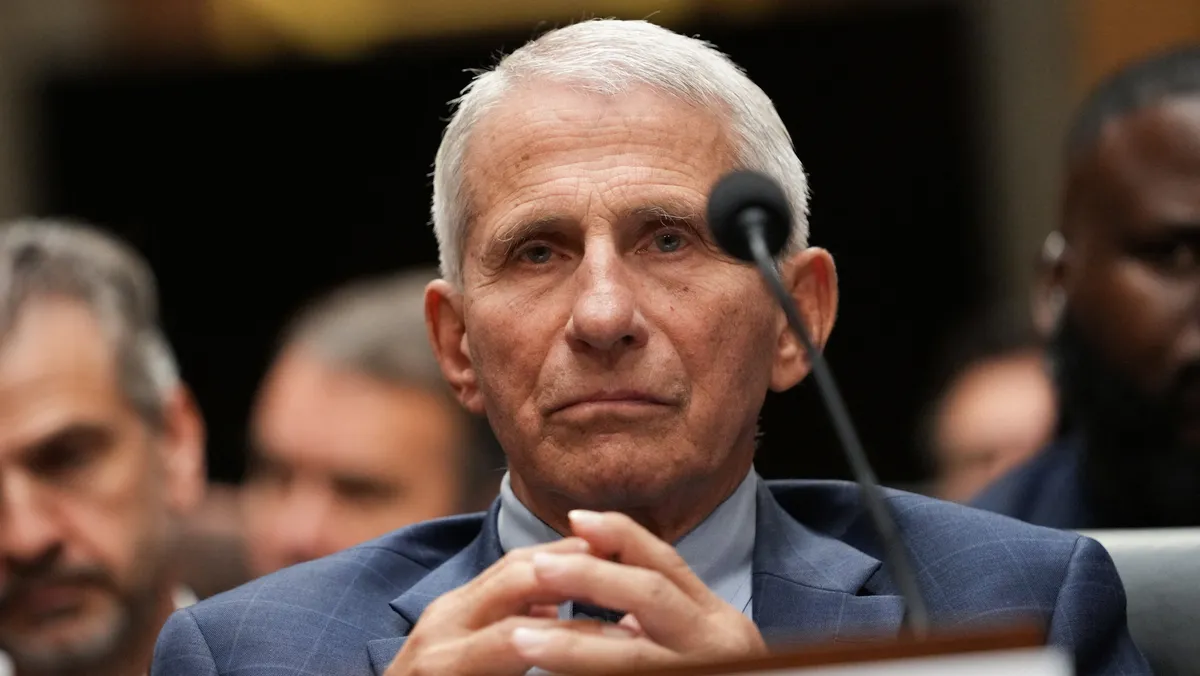
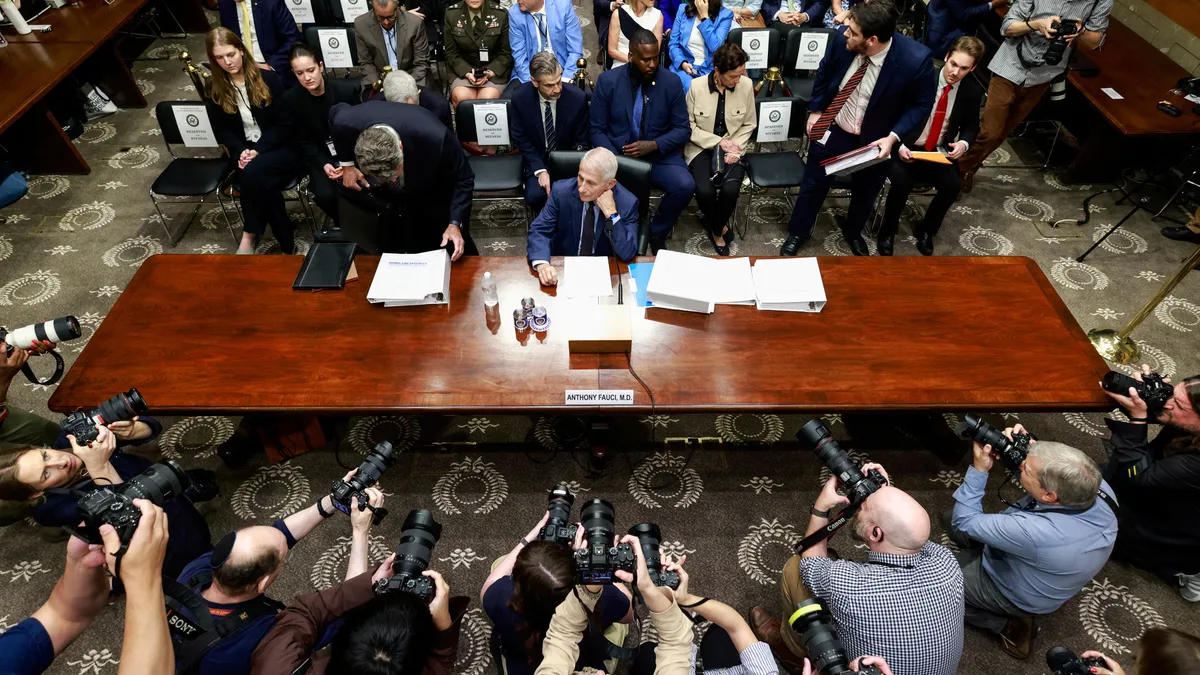
Trump recalled that the late Fox News host Lou Dobbs had told him Fauci was “the smartest person” around and that Trump should speak with him. After a January 2020 meeting with Trump, Fauci wrote in his diary, “Amazing day today!” He noted that the president had told him he was “really a famous guy.”Fauci also used his diary to push back against early reports that suggested friction between him and the White House.The honeymoon did not last.By late spring 2020, the relationship began to fray as the two men increasingly diverged over how to manage the pandemic. Fauci advocated social distancing, masking, and a guarded approach to reopening the economy. Trump, increasingly focused on restarting businesses and projecting optimism as he sought reelection against then-former Vice President Joe Biden, grew frustrated with what he viewed as overly pessimistic messaging.Their increasingly divergent public statements exposed a widening disagreement over both the science and politics of the pandemic.Fauci’s private diary reflected his growing frustration. He described some of Trump’s coronavirus briefings as “painfully rambling” and “stream of consciousness.” As the 2020 campaign entered its final stretch, Fauci wrote that Trump was “spewing nonsense” on the campaign trail and called him “a true embarrassment.” He also complained that the president appeared more focused on pardoning allies such as former national security adviser Michael Flynn, challenging the election results, and golfing than confronting the pandemic.The depth of the deterioration came into sharper focus this week after Sen. Rand Paul (R-KY) released more than 1,000 pages of Fauci’s personal diary as part of his investigation into whether Fauci lied to Congress about the origins of COVID-19.Taken together, the records chronicle the collapse of a partnership that began with public displays of mutual respect and gradually gave way to mistrust, sharp disagreements, and open political conflict as the administration’s response to the pandemic evolved.“Public health emergencies require scientific consistency and political leadership to work together,” said Dr. Anahita Dua, founder and chair of Healthcare for Action, a PAC that recruits, trains, and supports frontline healthcare workers running for public office.Dua said that while “it’s easy to armchair quarterback decisions years later,” elections “naturally increase pressure on every major decision, and COVID became both a medical crisis and a political issue.”She told the Washington Examiner that “the broader lesson is not about assigning blame to any one individual.”“It is about recognizing that future public health emergencies require scientific experts and political leaders to work together while communicating openly, acknowledging uncertainty, and balancing disease control with the social, economic, and emotional consequences of their decisions,” she added.The first meeting