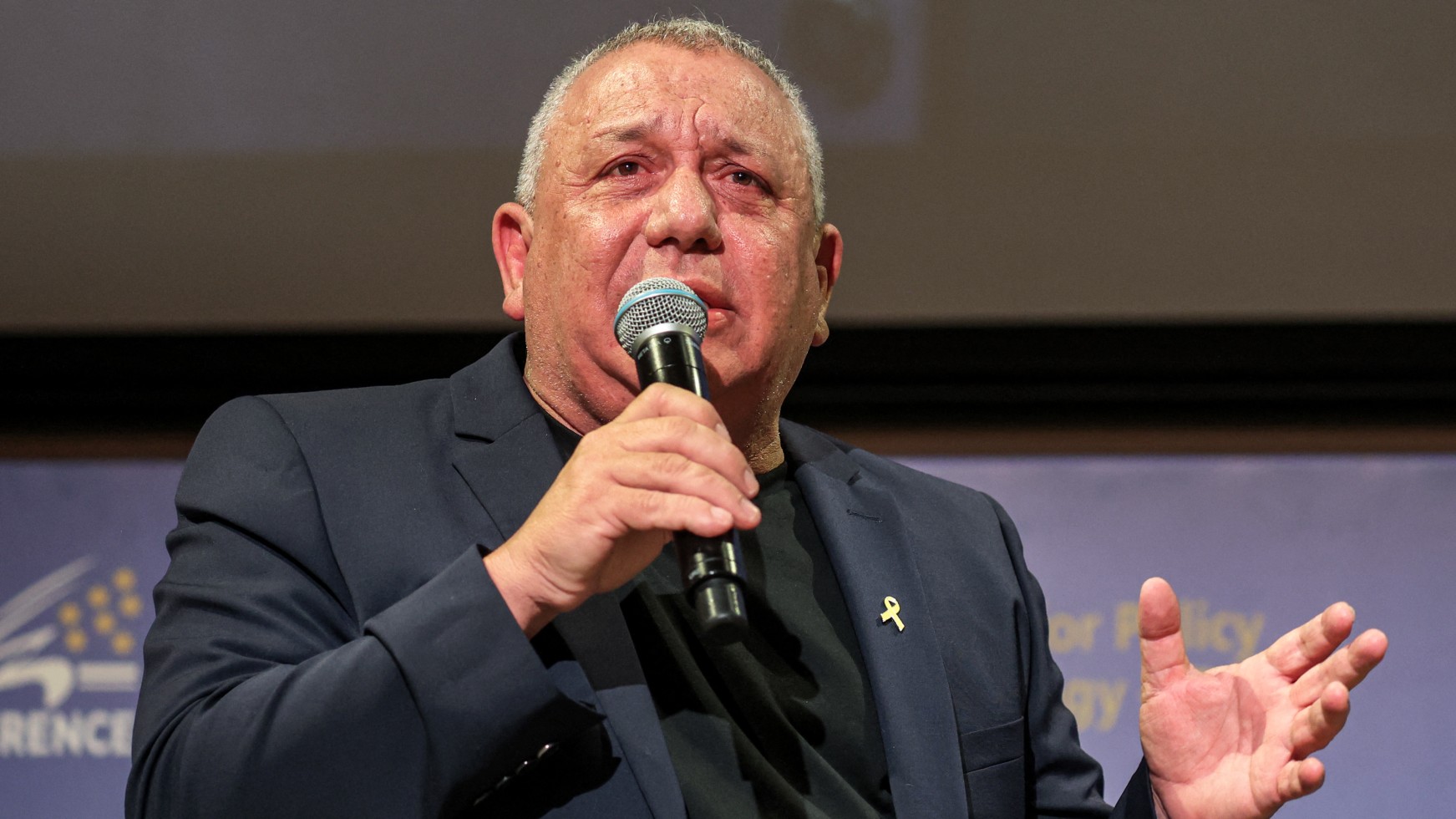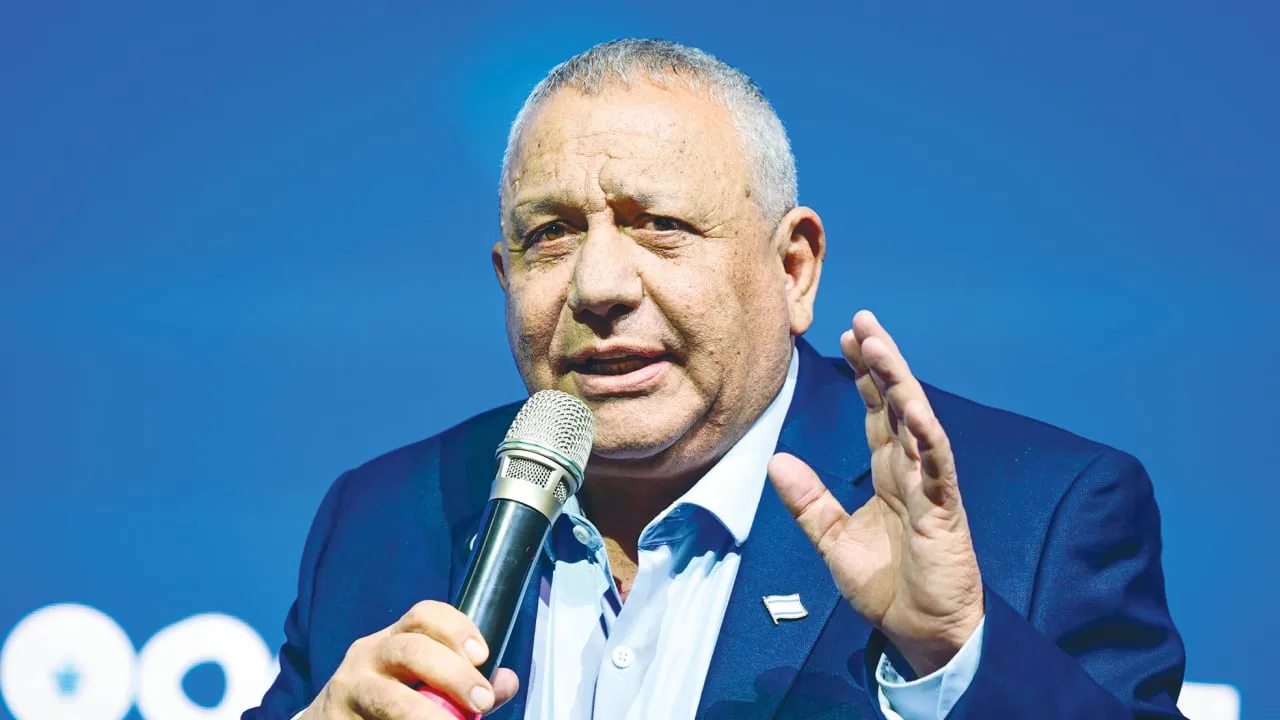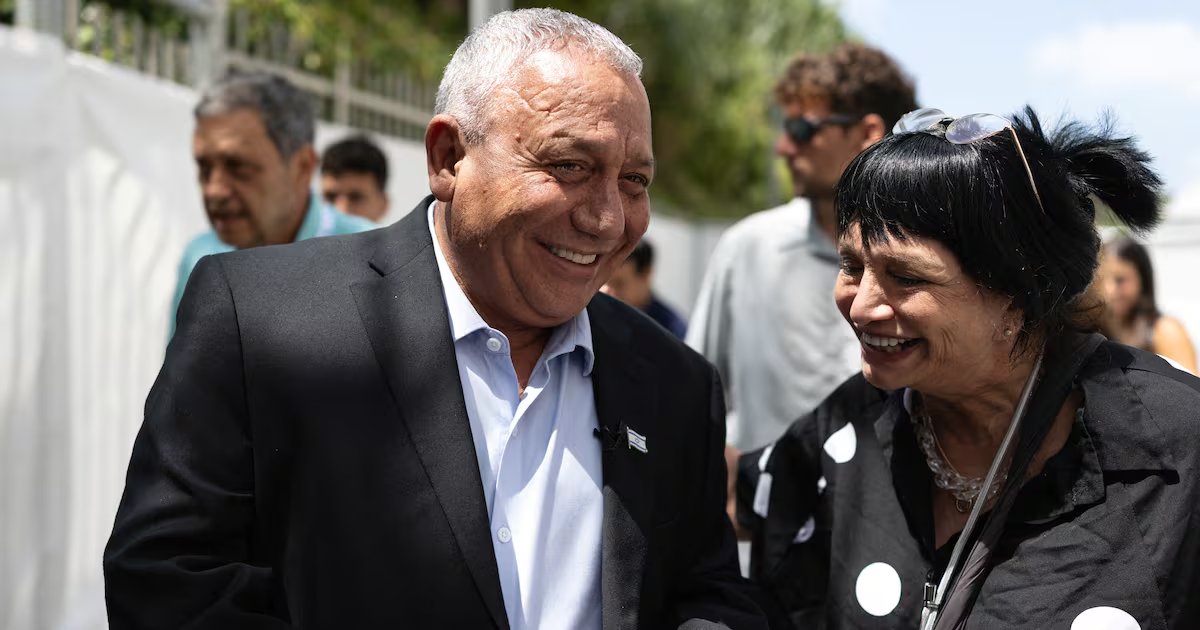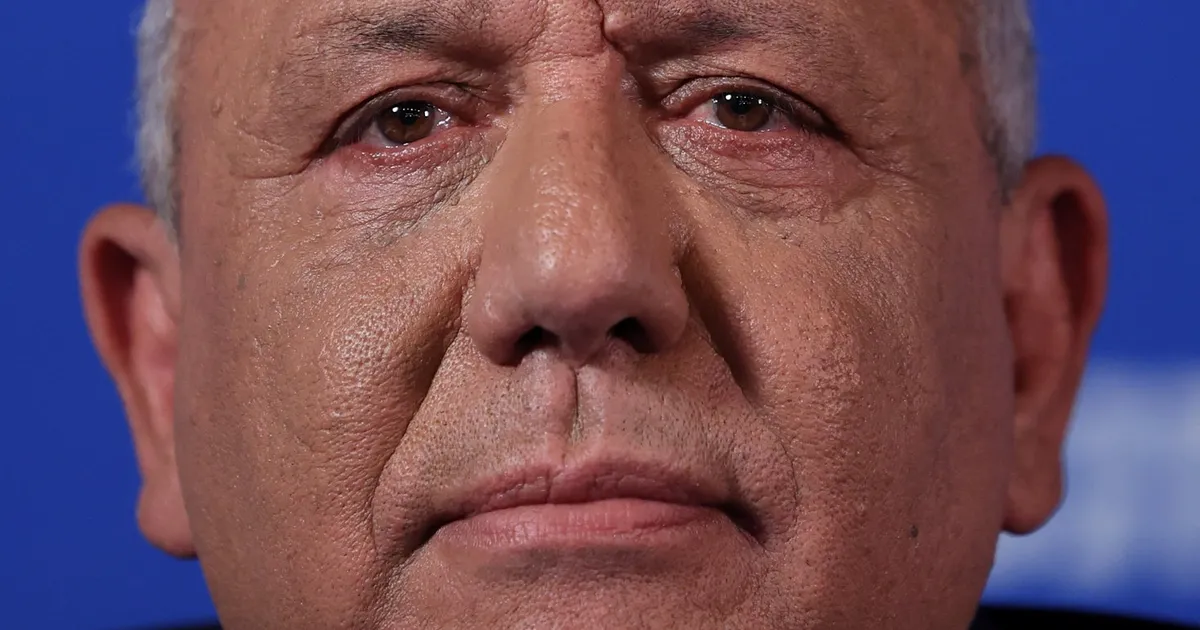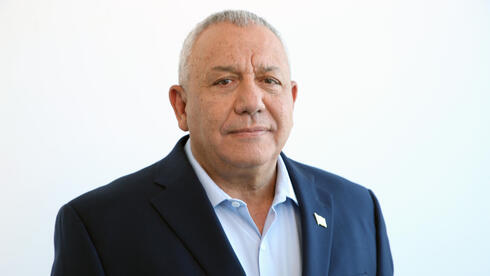
Opinion: David Remnick sees the former IDF chief as Netanyahu’s opposite, while a possible Jewish-Arab alliance could acknowledge the reality of shared citizenship; meanwhile, Netanyahu and Trump continue to expose Israelis to growing regional dangerShimon Shiffer|David Remnick, editor of The New Yorker, recently published a detailed profile of Gadi Eisenkot.“If he wins the election,” Remnick wrote, “it will be because in character and manner he is the opposite of Bibi. He reflects something of themselves back to many Israelis. He is a politician whose deep connection with Israelis is tied, among other things, to his personal grief.”I agree with Remnick completely.Gadi Eisenkot (Photo: Ryan Preuss)I first met him decades ago. In 1996, he also understood the forces that would carry Benjamin Netanyahu into the Prime Minister’s Office. I believe he is right again.Israelis should begin preparing themselves for the possibility that Eisenkot will be the country’s next prime minister.His appeal lies not merely in his military record or political positioning, but in the contrast he presents. His public character, personal restraint and connection to the public stand in sharp opposition to the politics that have dominated Israel for years.At the same time, Netanyahu continues to deepen the dangers facing the country.He flew secretly to his seventh White House visit and returned in the same manner. Yet there is a basic rule of our regional neighborhood that the prime minister appears not to have internalized: once you eliminate the leader of another country and members of his ruling circle, you immediately become a target yourself.The deeper problem is that Netanyahu has not made only himself a target. He has made all of us targets.Over the weekend, Israelis were again told that Trump and Netanyahu might launch another round of strikes against Iran’s energy infrastructure. The Iranian regime responded by threatening missile attacks against Israel’s offshore gas platforms.“In the end, something will happen,” said the commander in chief of the U.S. military, Donald Trump.Israelis may once again conclude that they are trapped between Benjamin and Donald, two leaders whose decisions carry consequences for everyone else.There may also be a significant political development closer to home.My colleague Nahum Barnea reported in Yedioth Ahronoth that former police official and lawmaker Yoav Segalovich may soon join Ra’am’s electoral slate alongside Mansour Abbas.Such a partnership could represent a meaningful recognition of the reality in which Israelis already live: more than 20% of Israel’s citizens are Arabs, and they are an inseparable part of the state.The possibility brought me back to Calling the Future by Your Name, a book by Mohammed Aghwani, a Jaffa-born poet and educator.In his poem “Names,” he writes of a window, a dream and an invisible line between reality and a world in which loved ones and absent voices have been left behind. The poem ends with the image of people remaining here without names.I hope the partnership between Segalovich and Abbas becomes a reality.Such a move would give the blue Israeli identity card renewed meaning, one that places obligations on every side. Shared citizenship cannot remain an administrative fact alone. It must become a political and civic commitment.There are other, smaller examples of the arguments shaping Israeli identity.Gaby Lasky, a Meretz candidate on the Democrats’ slate, reportedly asked Yair Golan to use the term “the Bank” rather than “Judea and Samaria.” He refused, and rightly so. History should not be rewritten for political convenience.During a visit to the United States, Sara Netanyahu was reportedly introduced as Israel’s “first lady,” and her entourage did not correct the hosts.I will continue to reserve that title for Michal Herzog, the wife of Israel’s president. Sara Netanyahu may be the leading woman in the prime minister’s residences, but she is not Israel’s first lady.Then there are the habits that reveal something quieter about modern life.On Thursday, I sat at the Dolphinarium and noticed couples absorbed in their phones. I wanted to tell them to lift their eyes from the screen. They might discover something new in the person sitting beside them.Barbara Köhler, one of Germany’s most influential poets, once wrote: “I practice being alone, and I think I have come quite far. I speak with language; sometimes it answers. Sometimes someone else answers too.”The same advice applies.Look up from the device.There is almost always someone nearby willing to listen.
Why Gadi Eisenkot may be Israel’s next prime minister
Opinion: David Remnick sees the former IDF chief as Netanyahu’s opposite, while a possible Jewish-Arab alliance could acknowledge the reality of shared citizenship; meanwhile, Netanyahu and Trump continue to expose Israelis to growing regional danger
713 words~3 min read