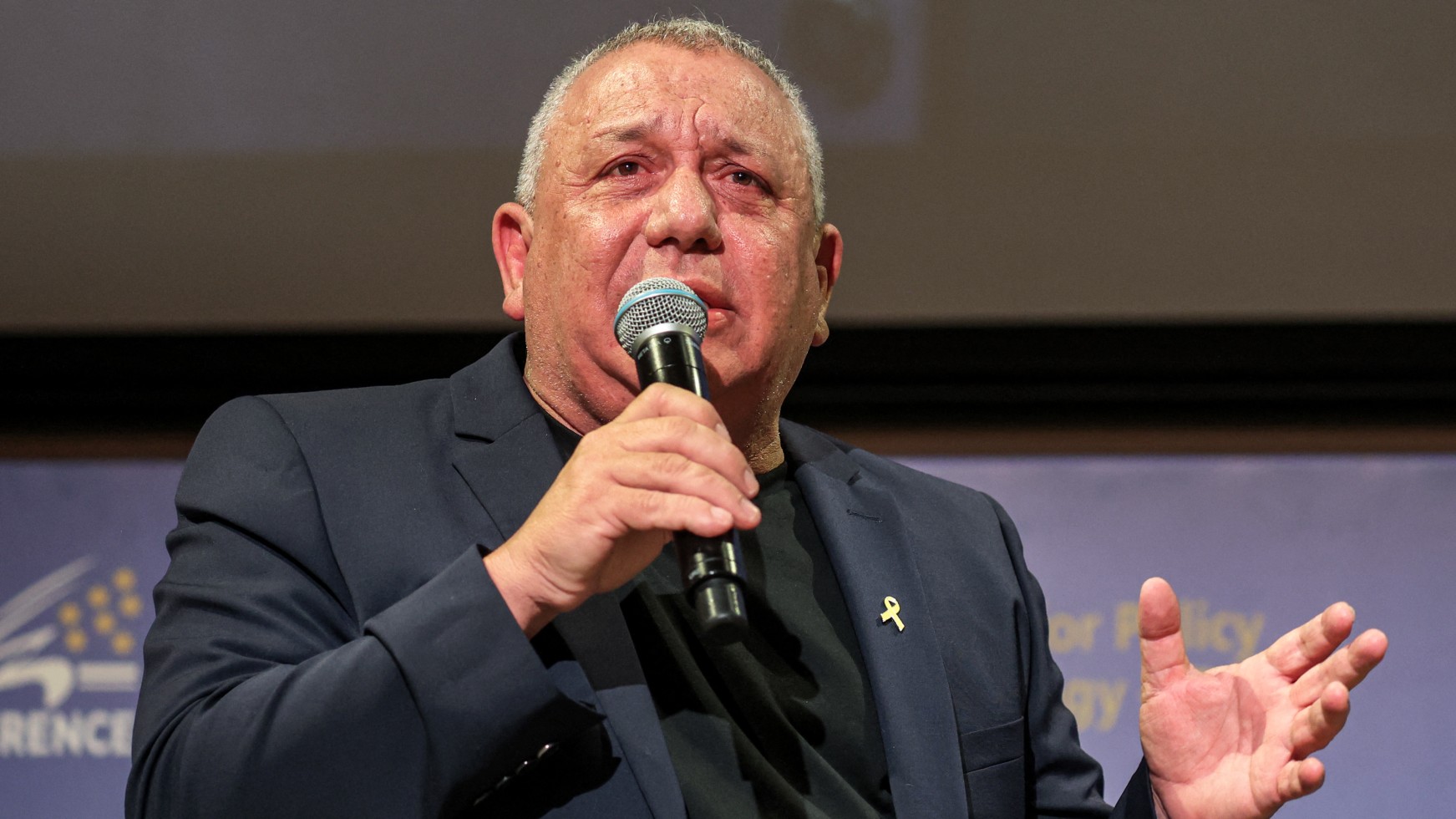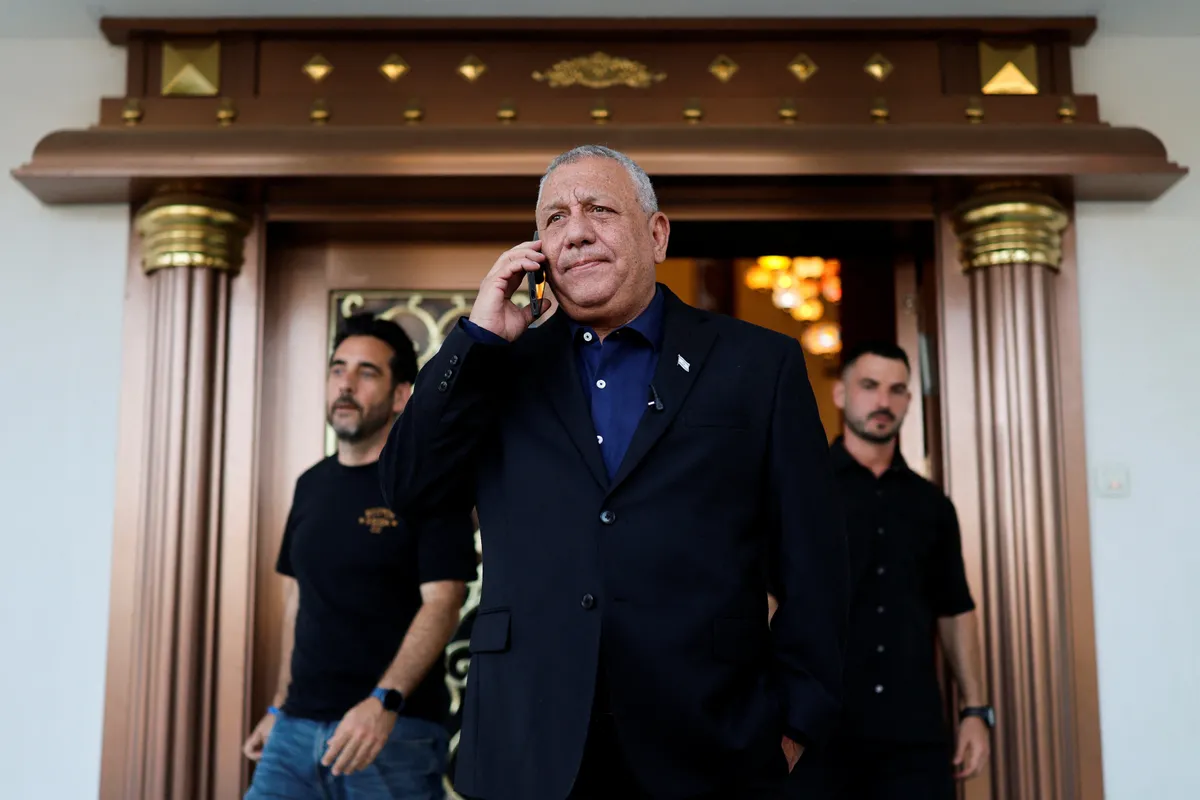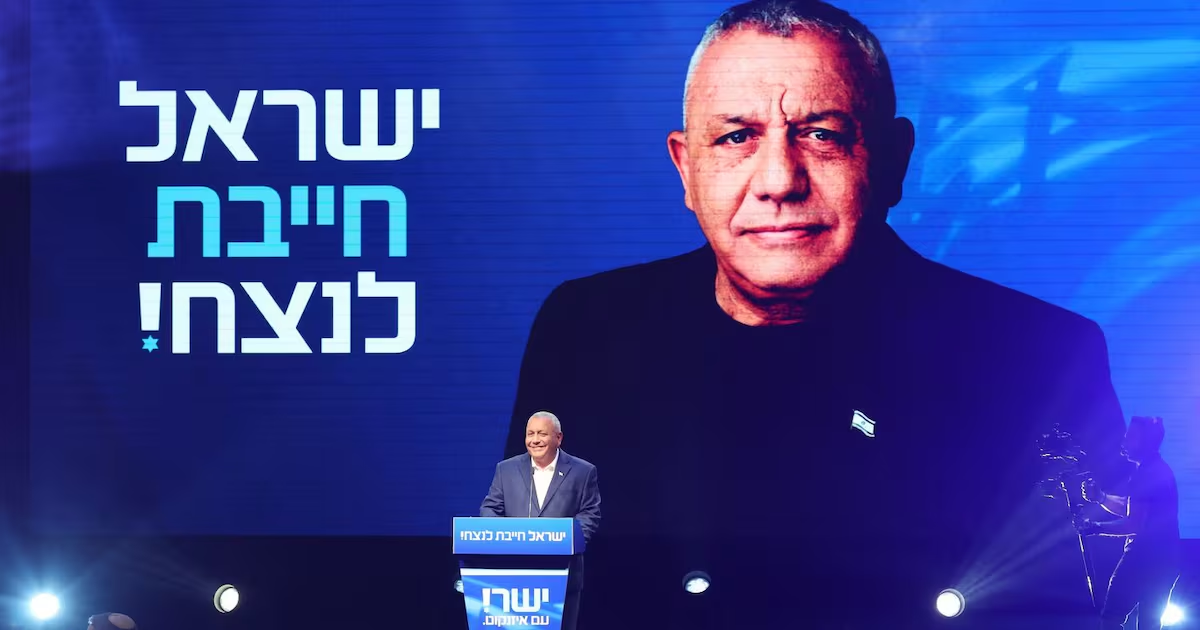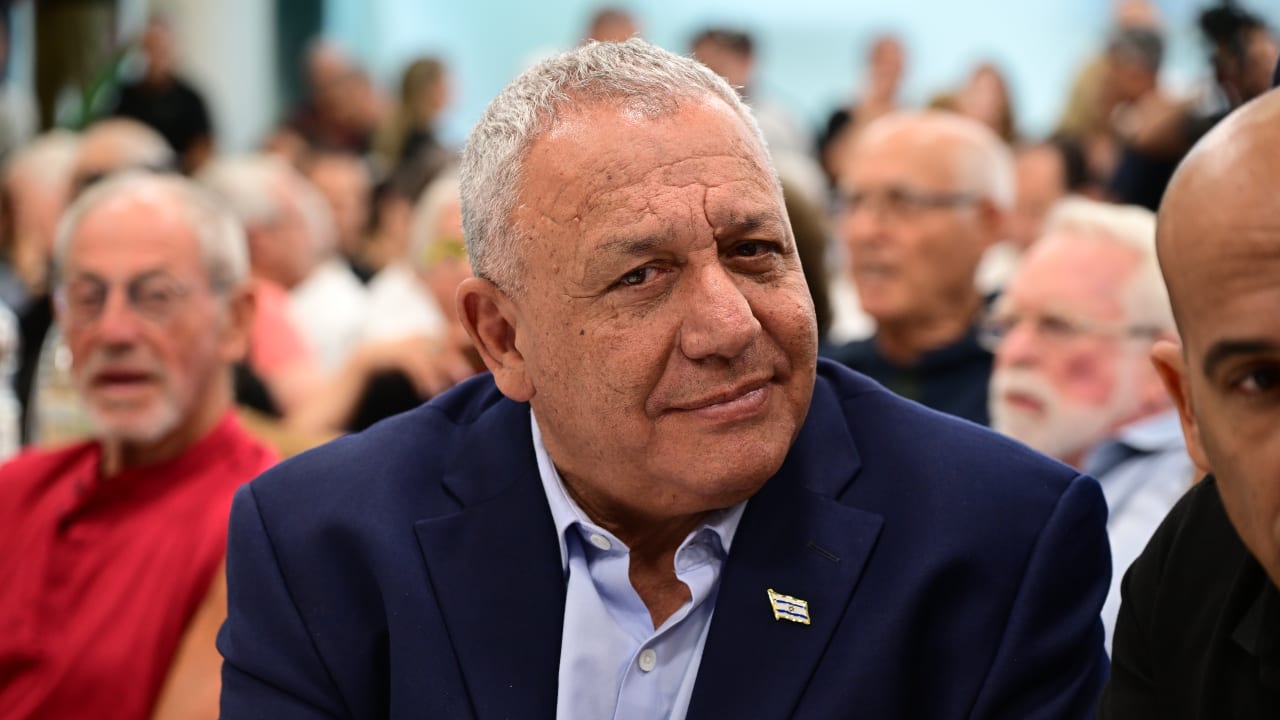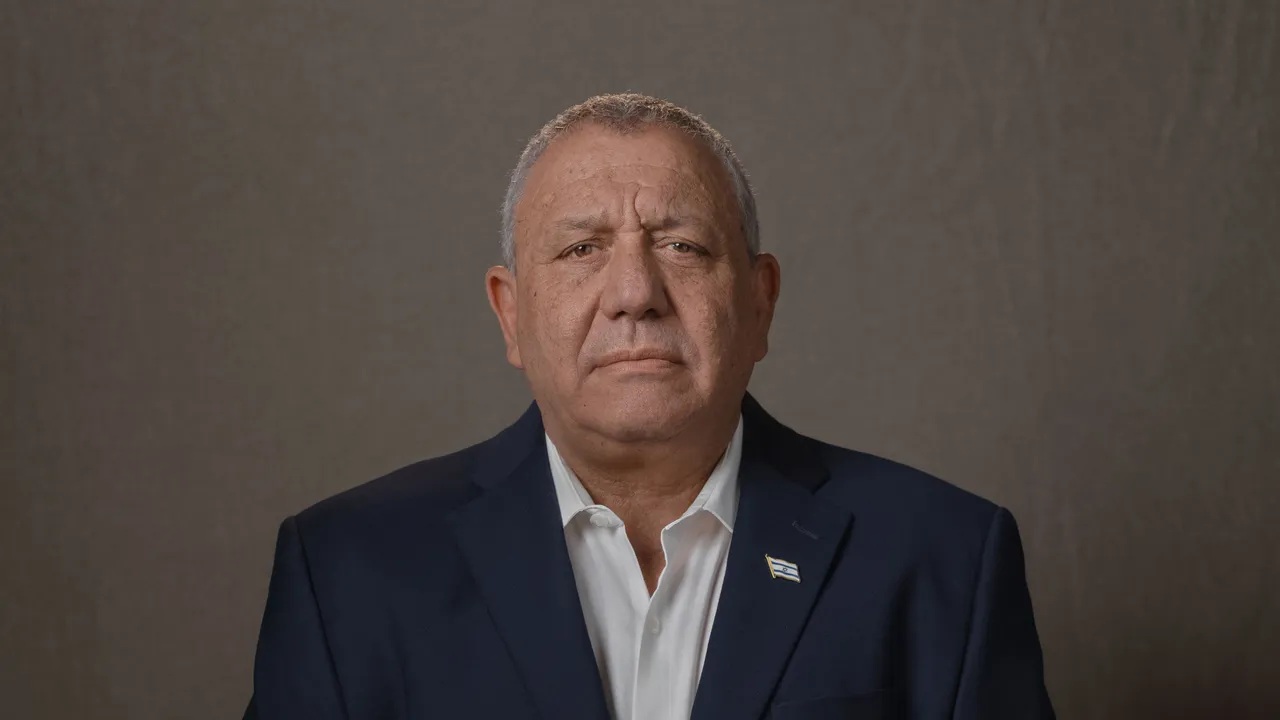
Gadi Eisenkot. Photograph by Amit Elkayam for The New Yorker
I recently made my fifth reporting trip to Israel since the Hamas terror attacks on October 7, 2023, and Israel’s brutal war in Gaza. The last time I was there, just over a year ago, Israeli Prime Minister Benjamin Netanyahu and his allies were proclaiming that the country had deployed its military to reshape the region; some even spoke euphorically of a “new Middle East,” with Hamas being soundly defeated, Hezbollah shattered, Iran’s nuclear capabilities “obliterated,” and more Sunni regional powers joining the Abraham Accords. None of this rhetoric acknowledged reality, much less the deaths of at least seventy thousand Palestinians, around twenty thousand of them being children.This time, the delusions were even more apparent. Donald Trump and Netanyahu have seen all their ambitions for regime change in Iran result in abject failure—and they’ve been left with a conflict with no end in sight. The catastrophe in Gaza, as well as the increased settler violence against Palestinians in the West Bank, have badly damaged Israel’s international standing and eroded political support within the United States on both the left and the right.I went to Israel this time around in large measure to get a sense of the imminent elections, which are scheduled for October 27th. In recent weeks it has become clear that Netanyahu, who has been in power longer than any other Israeli Prime Minister, faces a formidable, if humble challenger. Gadi Eisenkot, a retired Army general and the child of Moroccan immigrants, has pledged to restore Israel as a “Jewish, democratic, progressive, and liberal state.” He has tacked to the ideological center, seldom criticizing the Gaza war and avoiding the language of the two-state solution, in an attempt to peel off “soft right” voters from Netanyahu. Eisenkot’s political story is in many ways defined by family tragedy. His son Gal, a combat medic, was killed in Gaza by an I.E.D. while on a mission to retrieve the remains of two hostages. The more time I spent talking with Eisenkot, and watching him on the campaign trail, the clearer it became to me that he reflects something back to many Israelis that they see in themselves, and that his deepest connection to voters comes from his own grief.While Eisenkot’s fortunes appear on the rise, Netanyahu is hardly out of range. Since coming to power for the first time in the nineteen-nineties, he has fought off political extinction many times. He has already begun a ruthless campaign to paint Eisenkot as a left-winger at a moment when the country has moved, in the main, to the right. Just last week, Netanyahu’s campaign put out an A.I.-generated video that most voters saw as an attempt to both belittle the loss of Eisenkot’s son and smear Eisenkot as an ally of the Arab parties, which represent a sizable portion of the Israeli population. A personal attack and an act of race-baiting all in one fleeting video. A neat trick. And there are still more than three months to go in the campaign.In interviews with Israeli politicians, including three former Prime Ministers, as well as Israelis and Palestinians from Tel Aviv to Jerusalem to Hebron, in the West Bank, it was clear to me that the stakes of the election could not be greater. Many well-educated and innovative young people have threatened to leave the country if Netanyahu wins. “For the first time in my life, I am no longer confident that the country will survive,” Assaf Sharon, a professor of philosophy at Tel Aviv University, told me. “I always hated this alarmism. But Israel has cornered itself into a position in which there is a tangible threat to the survival of the state.”Read or listen to the story »More Top StoriesJohn Leguizamo steals the show in Christopher Nolan’s “The Odyssey.” Back in New York, he bought the director a two-thousand-year-old thank-you gift. For more on Benjamin Netanyahu’s shifting relationship with the U.S. government, read David D. Kirkpatrick’s reporting on the Biden Administration officials who regret their failure to rein in the Israeli Prime Minister. “There is little evidence to support the idea that bringing supermarkets to neighborhoods that lack them has a measurable effect on what residents eat,” Kelefa Sanneh writes. Was the idea of a food desert just a myth? During the 2016 election, much of the country was introduced to the concept of internet bots. Now it feels as if they’ve taken over our lives. The most-clicked item from this weekend’s newsletters was about whether the Democrats have reached their Tea Party moment.