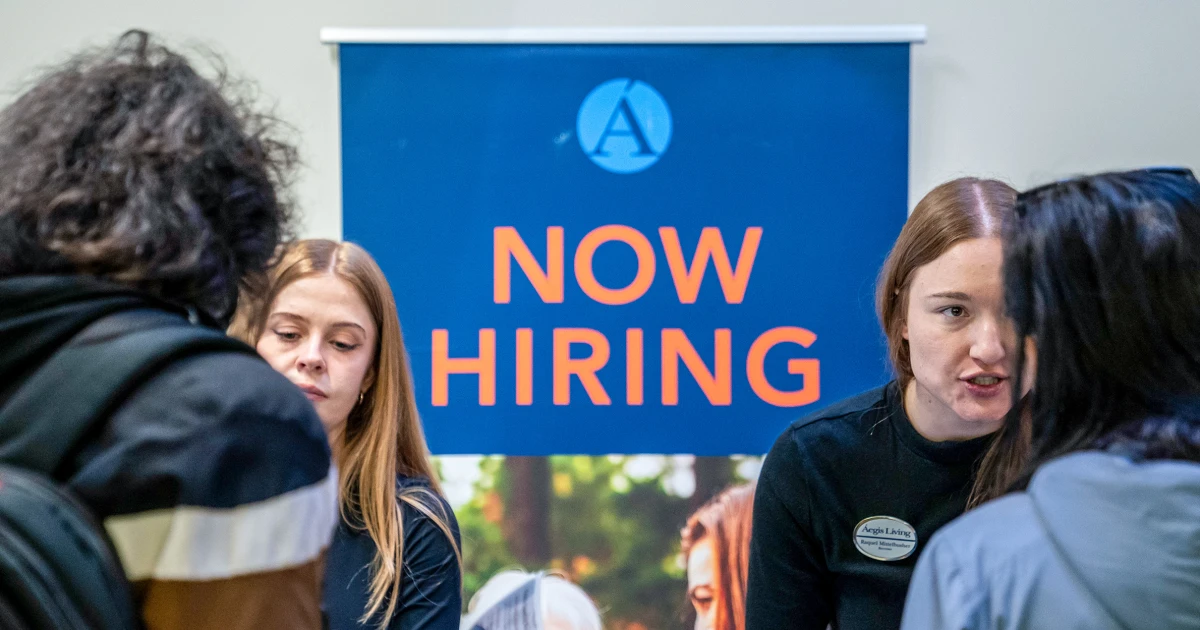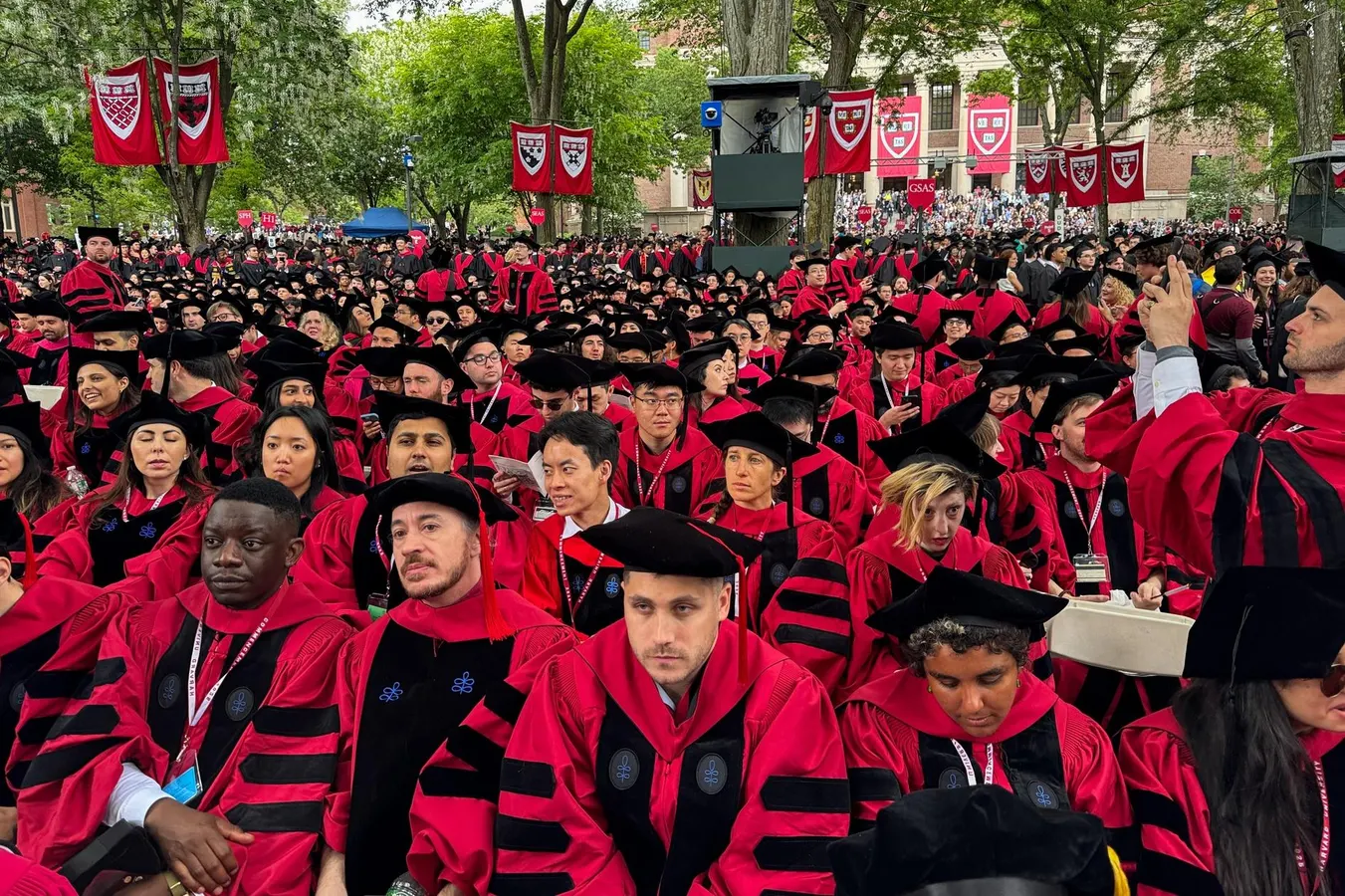
Recent college graduates are caught in a dilemma: they can't gain experience without a job, but jobs demand experience, often filtered by applicant tracking systems.gettyRecent college graduates are facing a tough job market, and one of the new hurdles they’re encountering is that employers are offering far fewer entry-level jobs that require no prior experience. That may be one of the factors that’s contributing to an unemployment rate of 5.6% among recent college graduates (age 22-27), higher than the 4.2% rate for workers overall.New data from Cadient, the AI-powered hiring platform, documents that employers spanning healthcare, government, utilities, and transit have become increasingly reluctant to hire individuals who have no prior work experience. Based on an analysis of 7,984 salaried job openings across a stable panel of employers from 2022 to 2026, the findings point to a door that’s closing fast on the inexperienced worker, and the problem is not limited to the tech-based sector. It’s happening in everyday-economy sectors where AI has been assumed to not have yet exerted a large impact. The share of salaried jobs open to candidates with no experience has fallen 73% in four years. Inexperienced candidates are now welcomed in just one in 50 openings, down from one in 15 in 2022.This group of employers posted 27% fewer salaried openings overall. More than three times as many applicants now apply for every salaried position compared with 2022, and that increased competition is occuring for seasoned and entry-level candidates alike.Meanwhile, roles requiring senior-level experience have doubled. Employers increasingly are looking to hire veterans, not rookies.So what does this mean for new college graduates? They face a seeming no-win dilemma. If employers stop hiring job applicants who lack experience, those same individuals will be shut out from obtaining it. I asked Bill Mastin, CEO of Cadient, about the implications of these data for college grads. In an email response, he told me that the degree requirements for jobs are shifting. While about 27% of U.S. employment is in occupations that typically require a two- or four-year degree, the number of organizations offering jobs that don’t need degrees but require relevant experience is increasing. Could college internships satisfy a prior experience requirement, affording graduates a way to get their foot in the hiring door? Maybe, maybe not. Mastin said that whether an internship would be considered to be sufficient prior experience is a company-by-company decision, but he suggested that the bigger problem is the way the hiring process now typically works. Organizations often use digital applicant tracking systems that filter job candidates by keywords, skills, education and years of experience. The result? Software will screen out some candidates before a hiring manager ever has chance to give them a closer look.MORE FOR YOUThese findings spell trouble for college as well. At the same time this hiring dilemma is playing out, the U.S. government is drawing a harder accountability line that universities and colleges will have to meet concerning their students’ future earning power. Under the Education Department’s new Student Tuition and Transparency System (STATS) and Earnings Accountability rule, undergraduate programs must demonstrate that their graduates earn more than the typical high school graduate, and graduate programs will be required to demonstrate that their graduates earn more than the typical bachelor’s degree holder. Programs that fail to show the minimum required financial return on investment for their graduates in two out of three consecutive years, will lose eligibility to participate in the federal direct loan program by 2028. And after three years of consistently failing the earnings premium measure, the Department could terminate Pell Grant eligibility for an institution's low-earning outcome programs. So, it’s not just students that face a perfect storm. It’s coming for institutions as well. They’ll need to show that their programs are helping graduates land reasonably compensated employment at the very time that getting hired with no experience is getting much more difficult. As Mastin noted, "the real issue isn't that entry-level jobs are disappearing. It's that employers increasingly expect candidates to arrive with experience before they're given the opportunity to gain it. When hiring systems filter out internships or other early-career experience, many qualified candidates never even reach a hiring manager. That's a structural problem, not a talent problem."
What The Changes In Entry-Level Jobs Mean For New College Graduates
Recent college graduates face a tough job market, and one of the new barriers they’re finding is that entry-level jobs that require no prior experience are disappearing.
706 words~3 min read