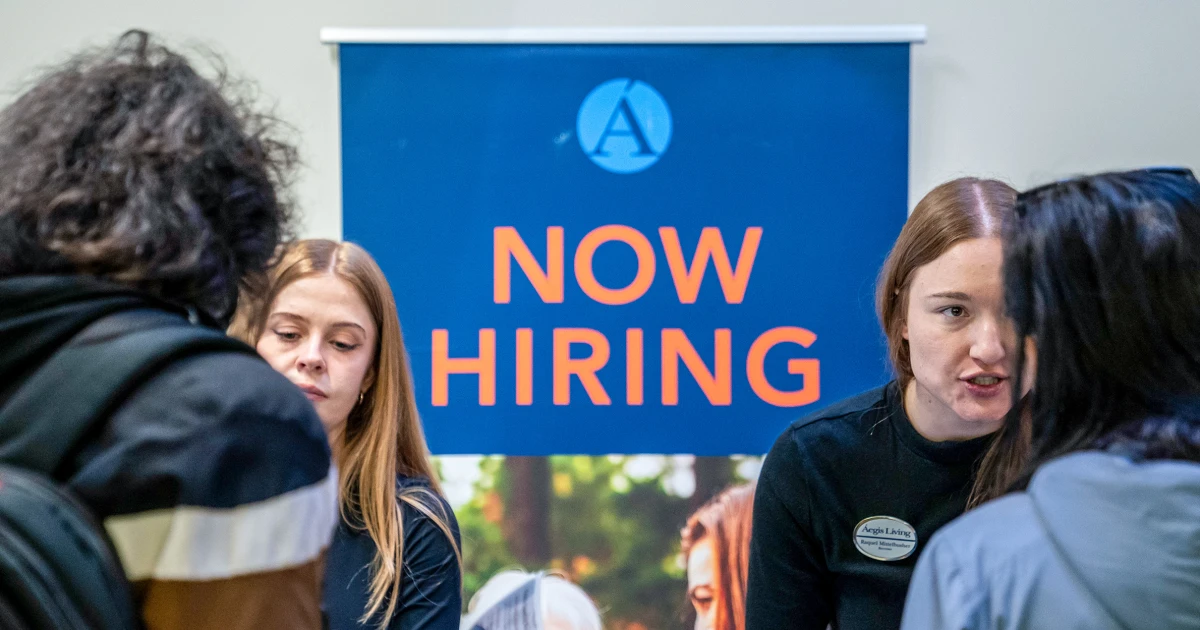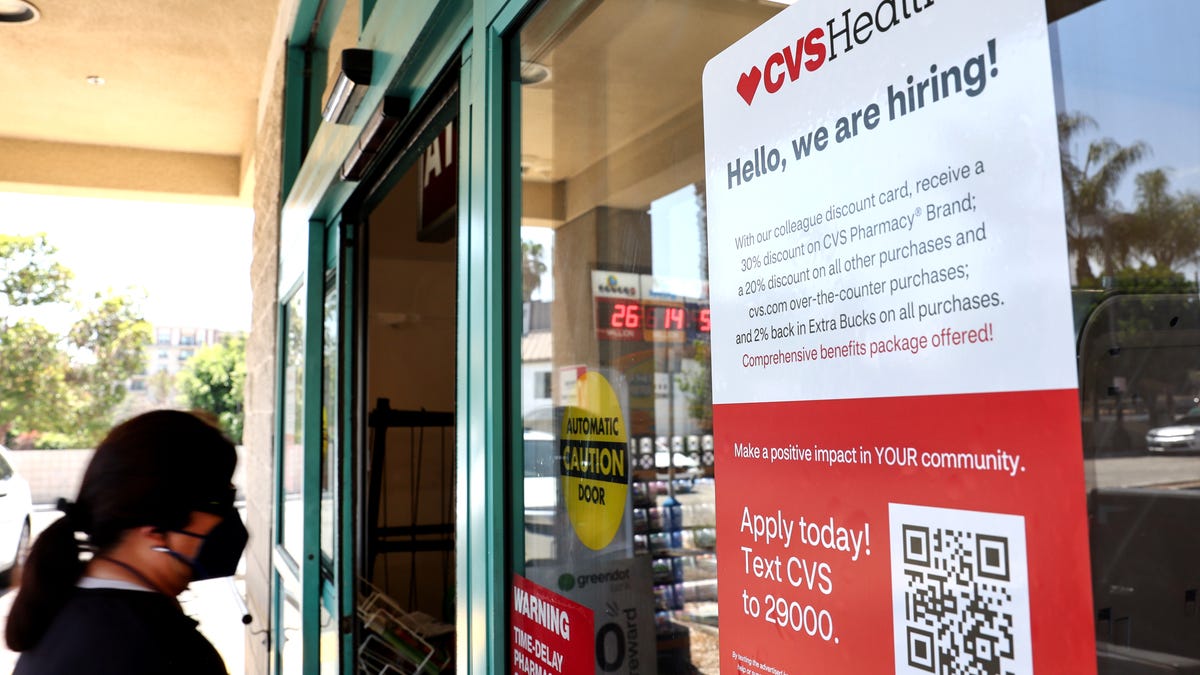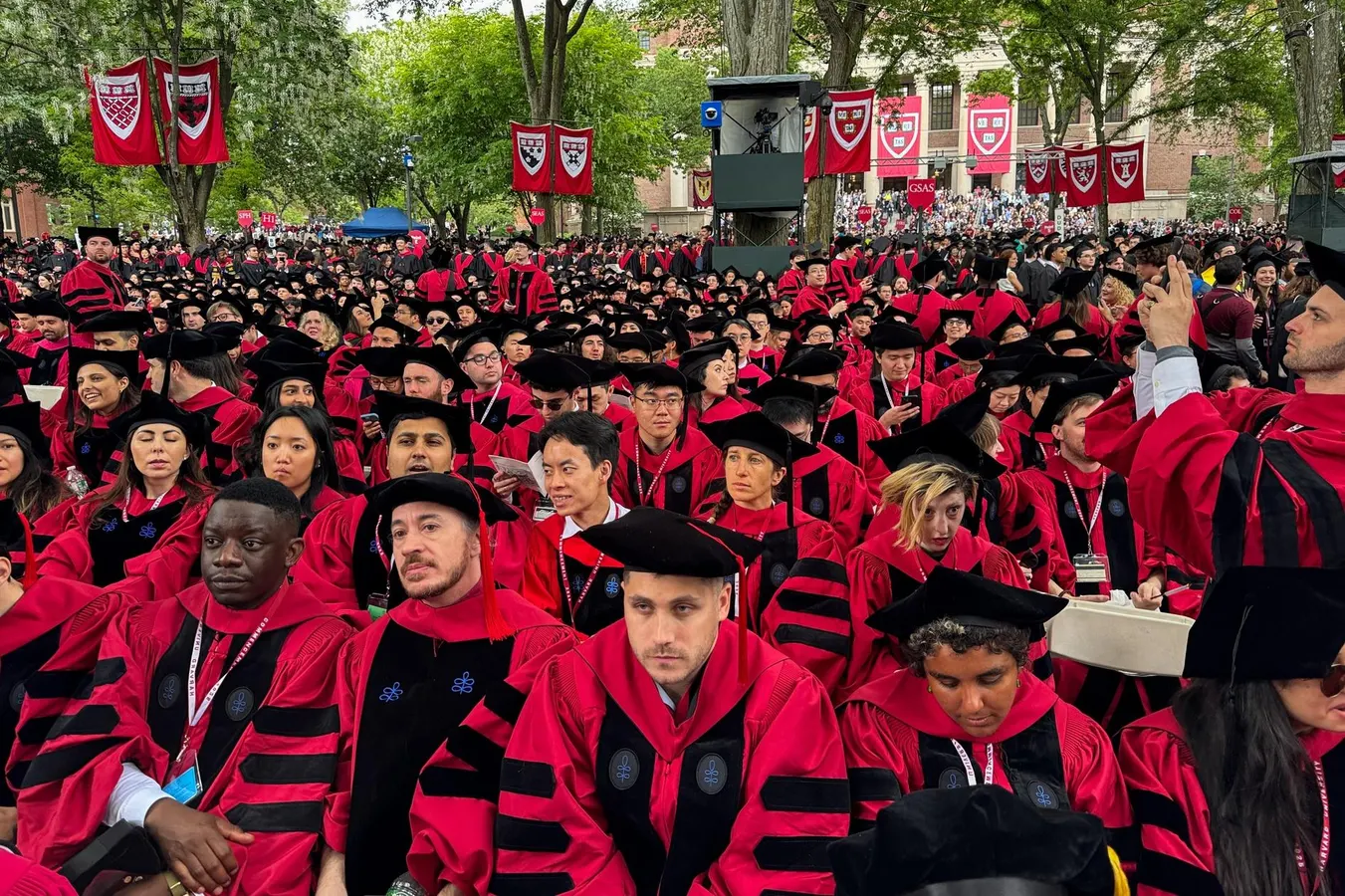
AFP via Getty ImagesLanding a first job these days is more difficult—and in some industries more competitive—than it has been in years for recent graduates. Postings for entry-level jobs are down across many sectors, unemployment for new college graduates is rising, and the tasks that once served as a stepping stone into the workforce—like administrative work and basic coding—are increasingly being replaced by AI. While the traditional entry-level playbook may be changing for young professionals, that doesn’t mean opportunities have disappeared altogether. In fact, data from the National Association of Colleges and Employers shows that hiring demand for the class of 2026 is up 5.6% compared to 2025, but growth is uneven across sectors and employer types. For graduates looking to stand out, regardless of their industry, here are a few things experts say you should do: Network strategically: Doreen Coles, senior director of career growth and development at ADP, urges graduates to make thoughtful connections, even before applying to a job, to authentically show they are trying to learn and gain knowledge. Turn college experiences into “real” experiences: Coles encourages graduates to reflect back on their time in school and highlight any transferable activities or tasks that are applicable to the role they’re applying for. Specify your impact: Priya Rathod, workplace expert at Indeed, says graduates should steer clear of generic claims like, “I’m a fast learner.” Instead, young professionals should talk about their specific skills and abilities in concrete terms. Be open minded: Debbie Duncan, director of talent acquisition at Northwestern Mutual, says one of the biggest mistakes new graduates can make is being narrow-minded with their job search. During a time of uneven job growth, Duncan says it’s important for young professionals to accept that their first job may not be directly tied to their degree or desired field.Read more about how recent graduates can position themselves to stand out in a saturated job market. This is a published version of Forbes’ Careers newsletter. Click here to subscribe and get it in your inbox every Tuesday. WORK SMARTER Practical insights and advice from Forbes staff and contributors to help you succeed in your job, accelerate your career and lead smarter.Do you have high work potential? Learn how to transform that potential into sustainable performance and a future promotion, with advice from executive coach Caroline Castrillon.If you want to break into an AI job, discover which skills command the highest salaries and have the most openings, according to a study analyzed by education expert Sarah Hernholm.Working on your spring cleaning? Spruce up your career at the same time with eight tips on how to declutter your work to prevent burnout, from psychologist Bryan Robinson.Deloitte recently cut family leave for some administrative staffers. Discover why and what you need to know about how benefits are changing, with insight from workplace expert Nirit Cohen.gettyDeep Dive: Are Google Results The New Resume? Here’s What Recruiters Look ForBefore a hiring manager or recruiter schedules an interview—or even reads your application in full—there’s a good chance they already know more about you than you think. That’s because many HR leaders will Google candidates before meeting them in-person to get a broader sense of who they are, how they present themselves, and whether their online presence aligns with the role they’re being interviewed for. In fact, 90% of HR professionals find a candidate’s LinkedIn profile at least somewhat helpful in the hiring process, with a growing number of employers even using AI tools to screen an applicant’s social media profile to ensure they’re a real person and a good fit for the company. In a competitive market where there are more job seekers than there are available roles, experts say it’s important for candidates to take their digital presence seriously, as it could influence whether they move forward or get passed over. From Googling your name at least once a year to ensure that everything online aligns with your resume, to updating your LinkedIn profile with professional experiences, and ensuring that your social media connections match who you are as a professional, experts say there are a few things candidates can do to ensure they pass the Google search test. “If the only thing you find when you Google yourself is your personal social media platforms—your Facebook, Instagram, Tiktok and Twitter—and there is nothing out there that speaks to your corporate brand and reputation, then you have work to do,” says Roshaunda Green, global senior talent acquisition partner at the shipping software company Pitney Bowes.Read here to learn more about how you can create a professional digital footprint that sets you apart from the competition.TOUCH BASENews from the world of work. For the first time since 2024, the number of women on U.S. corporate boards has dipped below 30%, according to new data from 50/50 Women on Boards, which looked at representation across the Russell 3000 Index. The authors of the report say limited opportunities for women at the highest levels of business, as well as early stages in their career, are key contributors to this decline. While 63% of companies have invested in AI training over the past year, 52% of tech professionals say they needed independent training because company programs didn’t keep up with these technological changes, according to research from talent company Randstad Digital. As a result, nearly 1 in 4 workers worldwide have left their jobs because employers didn’t offer them the upskilling opportunities they needed.
Fewer Entry-Level Jobs? Here’s How Grads Can Stand Out
This week’s careers newsletter looks at how new grads can navigate today’s competitive labor market. Plus, a deep dive into what recruiters look for when they Google you.
906 words~4 min read