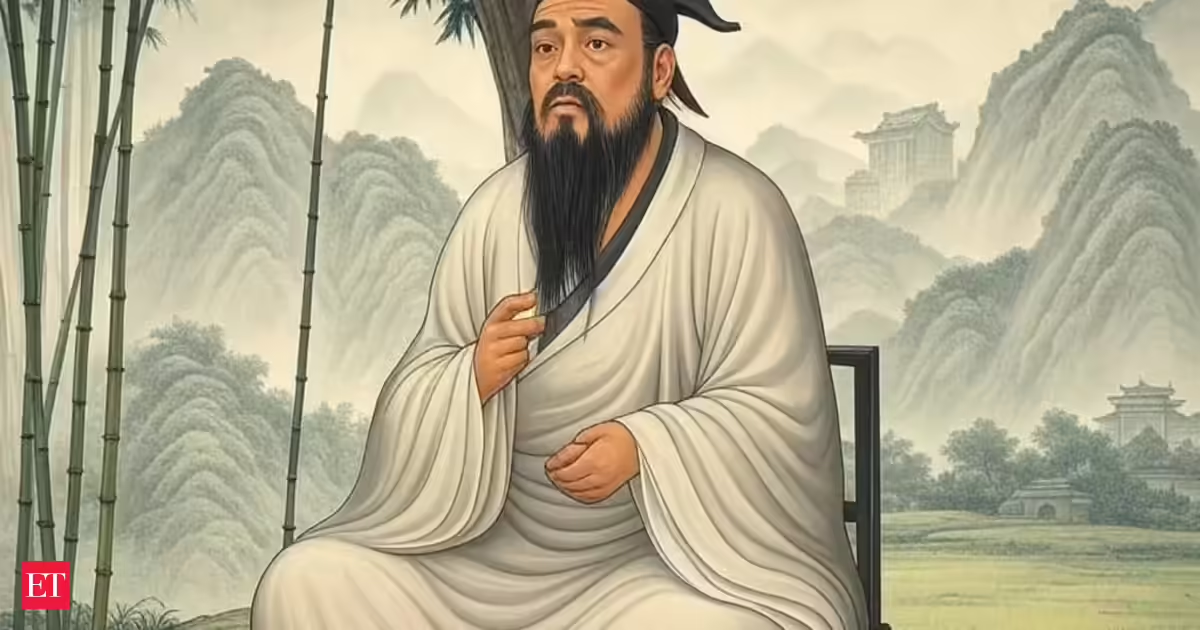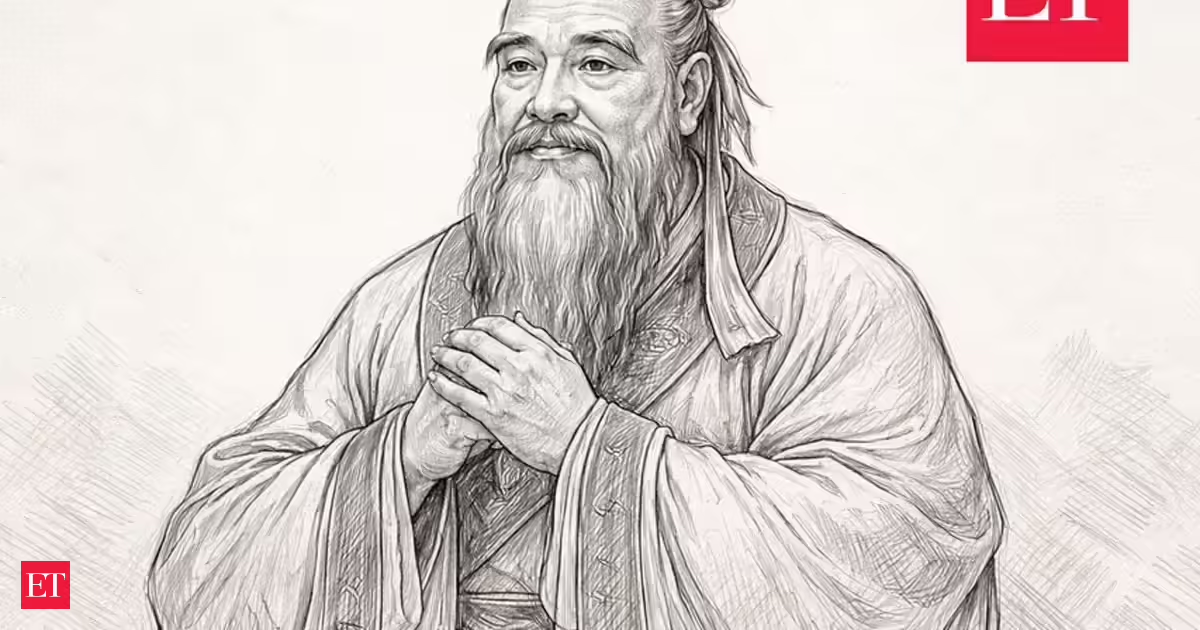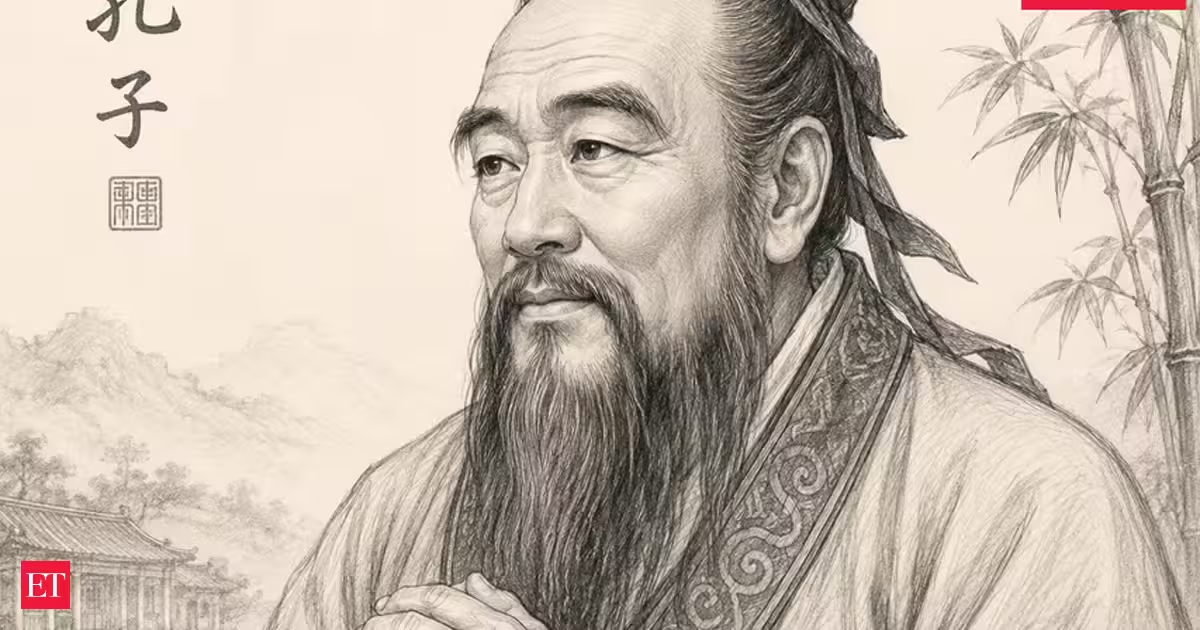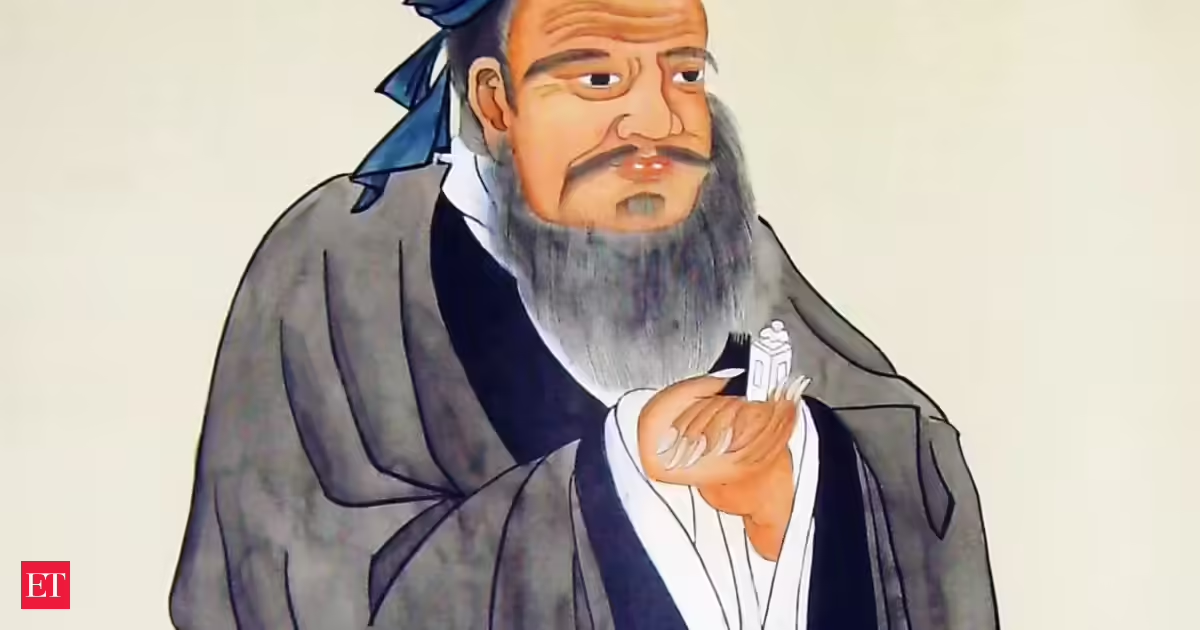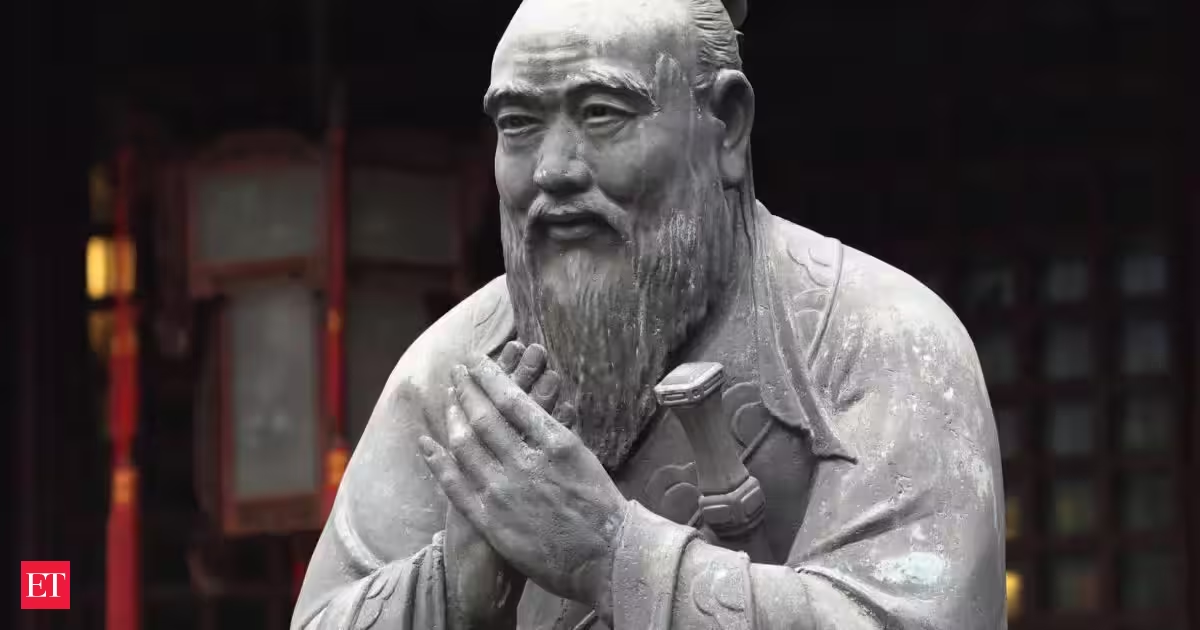
It's easy to admire someone who succeeds with humility or criticize someone whose mistakes are obvious. But what if both people had something equally valuable to teach us? What if the greatest lessons in life came not from judging others, but from examining our own reaction to any situation?Every day, we meet people, some of whom inspire us and others disappoint us, backstab us, and blatantly break promises. Ancient Chinese philosopher Confucius believed both encounters serve the same purpose: they reveal something about who we are and who we can become.Quote of the Day by Confucius: “When you see a good person, think of becoming like her/him. When you see someone not so good, reflect on your own weak points.”Also Read: Quote of the Day by Salman Rushdie: ‘When a reader falls in love with a book, it leaves its…’ - Why some stories never leave us, even after the final pageWhy Confucius' quote on self-improvement and self-reflection matters todayConfucius taught that personal growth begins with self-examination rather than constant judgment of others. His philosophy encouraged people to learn from every human encounter. Good people provide examples worth following, while those who make poor choices remind us to examine whether similar weaknesses exist within ourselves.The message feels especially relevant in today's world, where it is easier than ever to compare, criticize, or condemn others through social media and public debates. Instead of focusing on another person's flaws, Confucius invites us to turn every experience into an opportunity for self-improvement. His wisdom reminds us that true character is built not by pointing out others' faults but by continuously refining our own.What Confucius' quote means in real lifeThis quote encourages us to see every person as a teacher. When we meet someone who is honest, compassionate, disciplined, or courageous, we should not simply admire those qualities; we should ask ourselves how we can develop them in our own lives. Their strengths become a model for our own growth.The second part of the quote is even more challenging. When we encounter someone who lies, acts selfishly, or behaves unfairly, our first instinct is often to judge them. Confucius asks us to pause and reflect instead. Do we have traces of the same weakness, even in smaller ways? Are there habits or attitudes we need to change before criticizing others?This does not mean accepting harmful behavior or ignoring wrongdoing. Rather, it means recognizing that every encounter offers a chance to become wiser and more self-aware. Looking inward before judging outward leads to greater humility and personal development.Ultimately, Confucius reminds us that life itself is a classroom. Every person we meet, whether admirable or flawed, can help us become a better version of ourselves if we are willing to learn.Who was Confucius?Confucius was a Chinese philosopher, teacher, and political thinker who lived from 551 BCE to 479 BCE during the Spring and Autumn period. Born in the state of Lu, in present-day Shandong Province, he dedicated his life to teaching ethics, education, good governance, and the importance of moral character.His teachings were later compiled by his followers in The Analects, a collection of conversations and sayings that became one of the most influential texts in Chinese philosophy. Confucius emphasized virtues such as kindness, respect, honesty, humility, and lifelong learning, believing that a better society begins with better individuals.For more than 2,500 years, Confucius' philosophy has shaped education, leadership, and ethical thought across East Asia and beyond. His ideas continue to influence discussions about personal responsibility, family values, public service, and the importance of cultivating good character.
Quote of the Day by Confucius: ‘When you see a good person, think of becoming like her/him. When you see someone not so good…’ - Why every person you meet has something to teach you
Quote of the Day by Confucius: Confucius taught that personal growth begins with self-examination. Good people offer examples worth following for our own development. Observing those with flaws prompts reflection on our own weaknesses. This ancient wisdom remains relevant in today's critical world. Life's classroom offers lessons from every person we meet.
591 words~3 min read