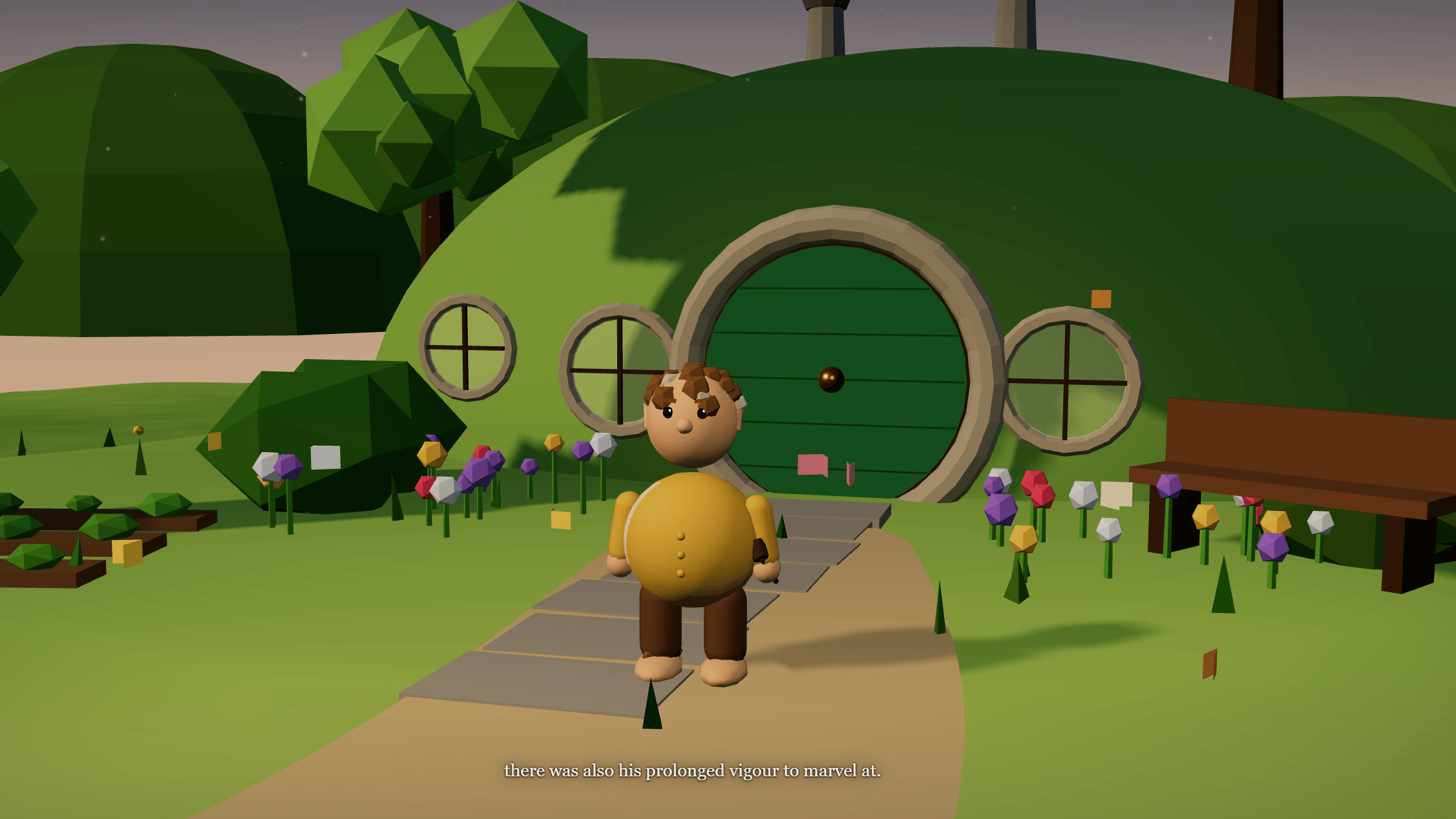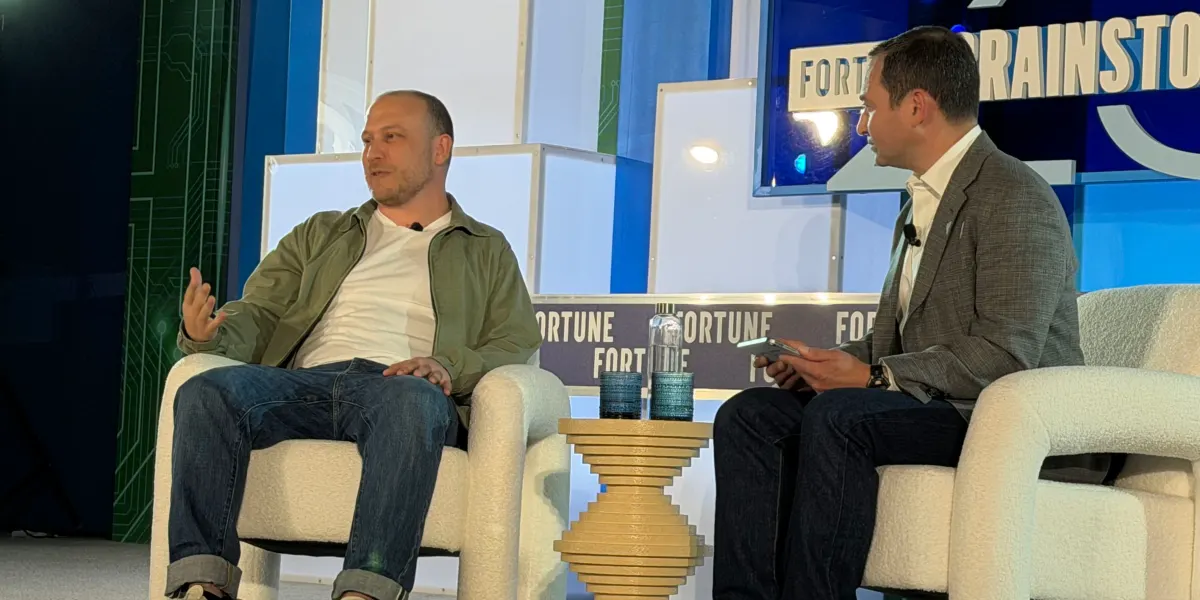
AI researcher Andrej Karpathy said large language models are moving beyond basic content generation after Anthropic’s Claude Opus created a procedural 3D world inspired by The Lord of the Rings using thousands of lines of code.Claude Opus Builds AI-Generated 3D WorldOn Saturday, Karpathy shared on X that AI systems are entering a phase where they can take on more complex creative tasks than traditional prompt-based experiments."We’re starting to leave the territory where you’d test an LLM by e.g. ‘create an svg of pelican on a bicycle,’" he wrote.He said he tested Claude Opus by providing the model with the opening paragraph of The Lord of the Rings, a large token budget and a request to create a Three.js rendering of the story.According to Karpathy, the model worked for about two hours and produced roughly 5,500 lines of code to procedurally generate the experience."It’s kind of janky but fun," he said, adding that the model had to "place and orchestrate various polygon assets in (x,y,z) coordinates and write code that animates it all."Karpathy said the experiment demonstrated how AI could create highly customized digital environments that would previously have required significant human time and resources."LLMs have all the stamina and patience in the world," he wrote, arguing that AI could make projects possible that "no one would ever do" because of the effort involved.
Andrej Karpathy Says AI Has Moved Beyond Simple Prompts After Claude Opus Builds 3D Lord of the Rings Wor
Karpathy says AI is moving beyond simple prompts as Claude Opus writes 5,500 lines of code to build a procedural 3D ‘Lord of the Rings’ world.
TL;DRAI
Claude Opus generated a procedural 3D LOTR world from text, producing 5,500 lines of code in 2 hours. Foundation models now automate complex engineering tasks, compressing project timelines and forcing tech leaders to reassess team sizing and skill requirements.
224 words~1 min read