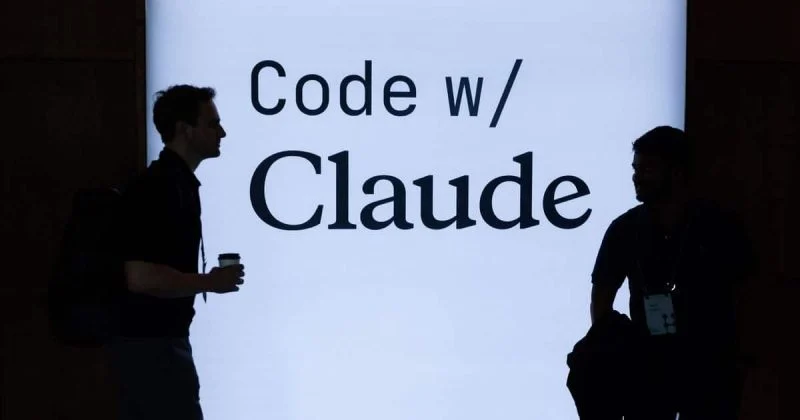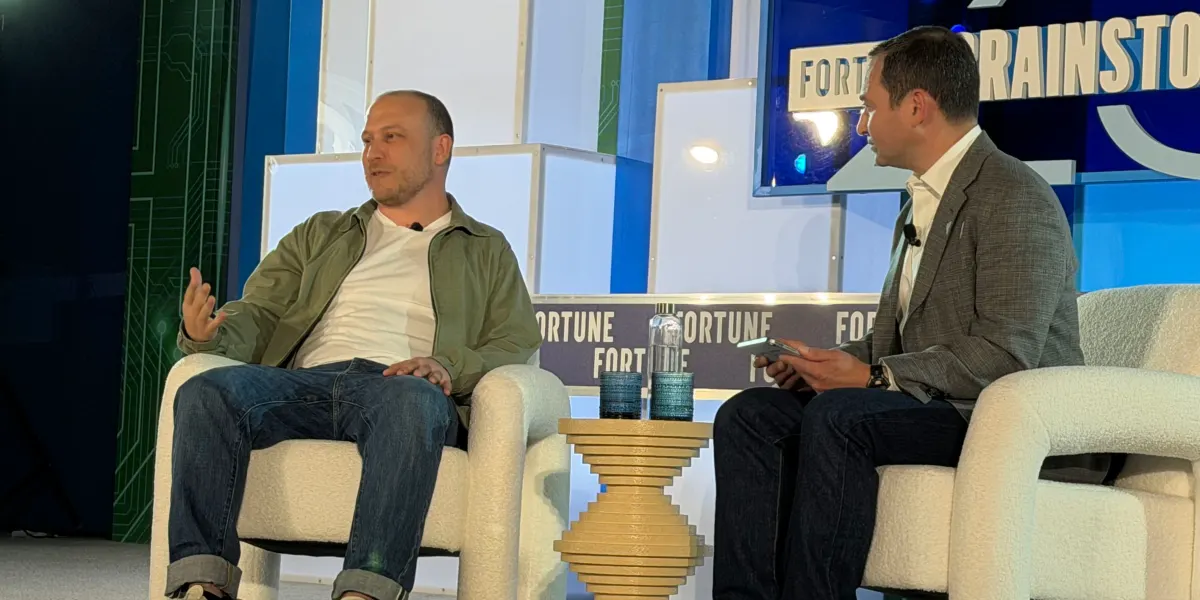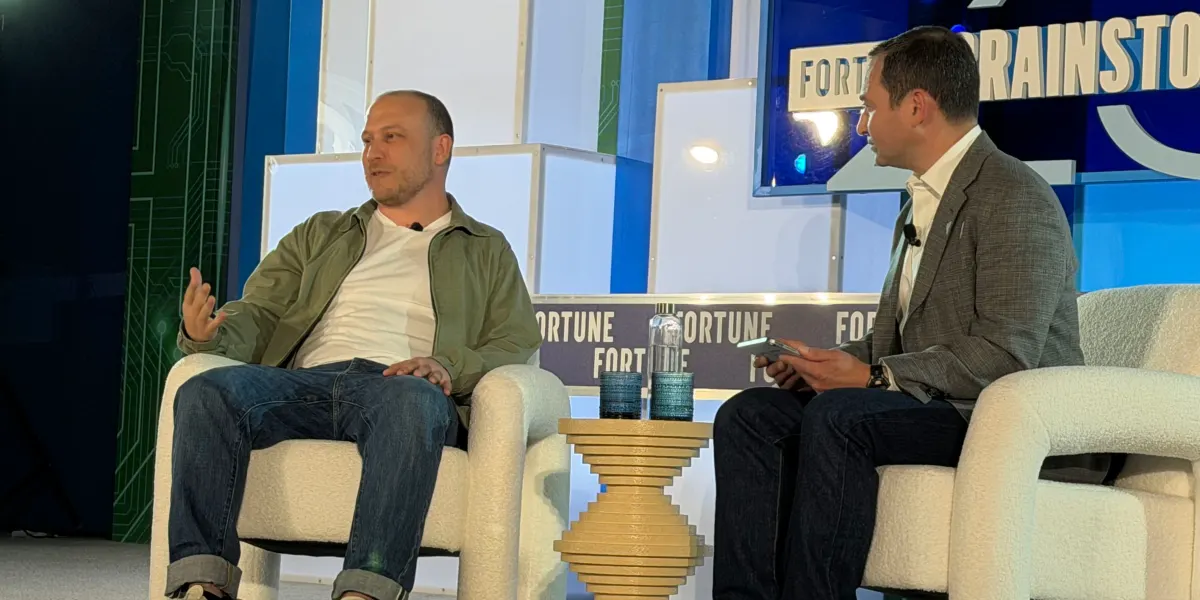
Boris Cherny, the creator and head of Anthropic’s Claude Code, hasn’t handwritten a line of code in eight months. But that doesn’t mean he’s stopped building software—it just means he now manages a massive fleet of AI agents to do much of the work.
“This morning I was managing maybe a few hundred,” he said during the opening session of the 25th annual Fortune Brainstorm Tech conference in Aspen on Monday. “Some days it’s … thousands, or tens of thousands.” This is a big change from even just a year and a half ago, he explained, when developers were running one instance of Claude Code in one terminal window.
“Fast-forward to today, it looks very different,” he said. “You have a Claude Code, but it has subagents that are other Claudes.” The user is no longer prompting Claude, he added: “It’s actually another Claude that does the prompting.”
This massive speedup in coding will be as consequential as the printing press, he explained, which was developed by Johannes Gutenberg around 1440 and dramatically lowered the cost of producing books and expanded literacy. Just as the printing press ultimately enabled transformative societal changes such as the Renaissance and Industrial Revolution, Cherny said he believes AI coding assistants are lowering the barriers to software creation and could unlock a similarly profound wave of innovation whose full implications we are only beginning to understand.